Table of Contents
Staring at a frosty keyboard while typing reports or shivering through video calls isn’t just uncomfortable—it’s a direct hit to productivity and morale. Office cold spots drain focus, fuel complaints, and turn simple tasks into endurance challenges. While cranking up the central thermostat might seem like a fix, it often leads to soaring energy bills and uneven heating, leaving some zones sweltering while others remain icy. Wall-mounted electric heaters offer a smart, targeted solution, providing consistent warmth exactly where it’s needed without the inefficiency of heating unused space. They’re the silent productivity boosters many modern offices overlook.
Forget the clunky space heaters banished to corners or the ductwork nightmares of major HVAC overhauls. Wall-mounted units integrate seamlessly into professional environments, delivering reliable supplemental heat with a clean, unobtrusive profile. They’re engineered for the unique demands of commercial spaces—think higher usage cycles, stricter safety protocols, and the need for quiet operation during critical work hours. Choosing the right one, however, isn’t as simple as picking the biggest or cheapest model. It demands understanding key features that align with your office layout, electrical capacity, safety regulations, and long-term operational goals. Let’s cut through the noise and focus on what truly matters for a warm, efficient, and professional workspace.
Top 10 Wall-Mounted Electric Heaters for Offices
Detailed Product Reviews
1. DREO Smart Wall Heater, IP24 Electric PTC Space Heaters for Indoor Use, 30° Oscillation, Adjustable Thermostat, Remote Control, Works with Alexa, 24H Timer, Easy-mounted for Office, Bedroom, Home

Overview: This wall-mounted PTC heater delivers targeted warmth for bedrooms or offices, featuring smart controls, quiet operation (28 dB), and robust safety certifications. Its focus is on precise, energy-efficient heating with user-friendly installation.
What Makes It Stand Out: The IP24 waterproof rating makes it unusually suitable for humid environments like bathrooms, a rarity in wall heaters. Combined with Alexa/app integration, a 30° manual oscillation for directional heat, and ECO mode with app-based temperature calibration, it offers exceptional versatility and smart-home compatibility.
Value for Money: Priced competitively for its feature set, it justifies cost through long-term energy savings (ECO mode), multi-room adaptability (bathroom-safe), and elimination of standalone thermostat needs. Beats basic plug-in heaters in safety and convenience, though premium smart features add slight cost.
Strengths and Weaknesses: Pros: IP24 rating for bathrooms, very quiet, precise ECO control, easy wall-mount template, reliable Alexa/app control. Cons: Limited 30° oscillation (less coverage than competitors), remote uses batteries (not included), cord length fixed at 70.8".
Bottom Line: An outstanding choice for tech-savvy users needing bathroom-safe, whisper-quiet heating. Its smart features and safety certifications deliver premium value, especially for compact spaces where directed heat matters most. Highly recommended for modern homes.
2. Wall-Mounted Space Heater with ECO Thermostat and Remote Control, LED Display, 60°/90°/120° Oscillation Modes, 24-Hour Timer, Indoor Electric Space Heater

Overview: A versatile wall heater emphasizing energy savings and adaptable heat distribution, featuring multiple oscillation angles and responsive remote control. Targets users seeking customizable, efficient warmth for living areas or bedrooms.
What Makes It Stand Out: The adjustable 60°/90°/120° oscillation is a key differentiator, enabling tailored heat spread for rooms of varying sizes—uncommon in budget wall heaters. The intuitive ECO thermostat (41°F–95°F) and child lock enhance safety and efficiency for family use.
Value for Money: Excellent for the price due to its oscillation flexibility and robust ECO mode, which outperforms fixed-angle competitors in large rooms. The included 24-hour timer and responsive remote add convenience, though battery inclusion would improve value.
Strengths and Weaknesses: Pros: Unique multi-angle oscillation, clear LED display, strong energy-saving ECO mode, reliable child lock, 30-day return policy. Cons: Remote requires separate AAA batteries, lacks smart-home integration (Alexa/Google), less premium build than IP24-rated models.
Bottom Line: Ideal for families needing adaptable heat coverage in medium-to-large rooms. Its oscillation versatility and safety features offer compelling value, though smart-home users may prefer alternatives. A practical, efficient pick for cost-conscious buyers.
3. Dreo Smart Wall Heater, Electric Space Heater for Bedroom 1500W, 120° Vertical Oscillation, Adjustable Thermostat, Remote Control, 24H Timer, Easy-Mount Heater for Indoor Use, Works with Alexa, WH719S
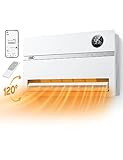
Overview: Engineered for bedrooms, this 1500W smart heater combines powerful PTC heating with 120° vertical oscillation and sleep-optimized features. It prioritizes even warmth distribution and nighttime comfort without disturbances.
What Makes It Stand Out: The industry-leading 120° vertical oscillation ensures top-to-bottom room coverage, eliminating cold spots far better than standard models. Auto-dimming LED display and ultra-quiet operation (<28 dB) make it uniquely suited for undisturbed sleep, a critical advantage for bedroom use.
Value for Money: Worth the investment for bedroom-focused buyers due to its sleep-friendly design and superior oscillation. The 1°F temperature accuracy and Alexa/Google compatibility rival pricier units, though app dependency may deter some.
Strengths and Weaknesses: Pros: Unmatched 120° oscillation, sleep-optimized quietness/dimming, precise 1°F temp control, reusable filter for easy maintenance, strong app integration. Cons: Mounting hardware could be sturdier, app setup occasionally glitchy, no IP rating for bathrooms.
Bottom Line: The top choice for bedrooms seeking silent, even warmth. Its oscillation and sleep features justify the cost, though bathroom use isn’t advised. A near-perfect blend of smart tech and user comfort for restful spaces.
4. GiveBest Wall Heater for Bathroom, 1500W Fast Heating Electric Space Heater with ALCI Plug, Adjustable Thermostat, 3 Heating Modes, 24H Timer, Easy Mounted Heater for Indoor Use, Home, Office, White

Overview: Specifically designed for bathrooms, this 1500W heater boasts rapid heating, IP24 waterproofing, and ALCI plug safety. It targets users needing fast, secure warmth in moisture-prone areas without compromising on smart features.
What Makes It Stand Out: Dual bathroom safety certifications (IP24 + ALCI plug) are rare and critical for wet environments. The inclusion of five modes (including Fan Only) and 1°F thermostat accuracy provides unmatched flexibility for quick bathroom warm-ups or gentle background heat.
Value for Money: Excellent for bathroom-specific needs—its safety features alone justify the cost versus non-rated heaters. Fast 1500W heating and ECO mode efficiency reduce long-term energy costs, though the remote’s battery requirement is a minor drawback.
Strengths and Weaknesses: Pros: Certified for bathrooms (IP24 + ALCI), versatile 5-mode operation, child lock, strong 200 sq.ft coverage, easy mounting. Cons: App connectivity reports mixed reliability, remote lacks backlight, no oscillation limits heat spread.
Bottom Line: The definitive bathroom heater choice. Safety certifications, rapid heating, and mode variety deliver exceptional value for high-moisture zones. Avoid in larger dry rooms due to no oscillation, but indispensable for en-suites.
5. Envi Plug-in Electric Panel Wall Heaters for Indoor Use, Energy Efficient 24/7 Heating w/Safety Sensor Protection, Patented Quiet Fan-less Design, Easy 2-Min Install, Space Heater, Made in USA
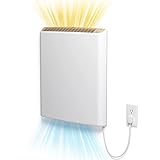
Overview: A unique fan-less panel heater using convection for silent, draft-free warmth. Designed for continuous use in sensitive spaces (nurseries, offices), it emphasizes safety, humidity retention, and minimalist installation.
What Makes It Stand Out: The patented fan-less “Stack Convection” design eliminates noise and dust circulation—a game-changer for light sleepers or allergy sufferers. 24/7 safe operation (90°F surface temp) and humidity preservation (reducing dryness) set it apart from forced-air competitors.
Value for Money: Premium-priced but justified by lifetime savings: zero maintenance, 500W low energy draw, and 3-year warranty. Ideal for supplementing central heating in single rooms, though lower wattage means slower heating than 1500W models.
Strengths and Weaknesses: Pros: Completely silent, safe for kids/pets, preserves humidity, 2-minute tool-free install, slim 2" profile, Made in USA. Cons: Slower heat-up (no fan), limited to 500W output (smaller coverage), no smart features or oscillation.
Bottom Line: Unbeatable for silent, safe, all-night heating in bedrooms or nurseries. While not for rapid warming, its health benefits and zero maintenance offer unique value. A specialist’s choice for serene, healthy spaces.
6. GiveBest Electric Wall Heater, Space Heaters for Indoor Use, 1500W Smart Heater with Adjustable Thermostat, Remote Control, Works with Alexa, 12H Timer Heat for Bedroom Office Home Garage RV, White

Overview: The GiveBest 1500W electric wall heater delivers versatile, smart heating for indoor spaces. Designed for wall mounting, it targets bedrooms, offices, garages, and RVs, featuring multiple heat settings, app/WiFi connectivity, and robust safety mechanisms to provide efficient, hands-free warmth.
What Makes It Stand Out: Its seamless Alexa integration and dedicated WiFi app enable remote preheating and voice control, while the precise 1°F thermostat accuracy and ECO mode optimize energy use. The 12-hour timer, sleep-friendly mute function, and four control methods (touch, remote, app, voice) offer exceptional convenience.
Value for Money: Priced competitively for a smart heater, it justifies cost with long-term energy savings via ECO mode and avoids the clutter of floor models. While pricier than basic heaters, its premium features (Alexa/app control, precise thermostat) outperform non-connected alternatives in efficiency and usability.
Strengths and Weaknesses: Strengths: Excellent smart integration; quiet sleep mode; comprehensive safety (tip-over, overheat, child lock); flexible power modes (600W–1500W). Weaknesses: Wall-only mounting limits placement versatility; app connectivity may require stable WiFi; white finish shows dust easily.
Bottom Line: Ideal for tech-savvy users seeking a safe, space-saving heater with advanced automation. Its energy efficiency and multi-control options make it a top pick for bedrooms or offices, despite minor mounting inflexibility.
7. Wall Heater, Space Heater for Bedroom, 1500W PTC Fast Heating Electric Heaters for Indoor Use, 30° Oscillation, Adjustable Thermostat, 24H Timer, Remote Control, Desk or Wall Mounted Heater for Office
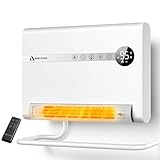
Overview: The Arecovas wall heater combines space-saving design with rapid PTC ceramic heating, targeting bedrooms and offices. It mounts easily without an electrician, offers 30° oscillation for even warmth, and operates quietly at 30 dB, making it suitable for focused or restful environments.
What Makes It Stand Out: The near-silent 30 dB operation and manual 30° oscillation distinguish it, ensuring draft-free, uniform heat distribution. Its tool-free installation (drill two holes) and dual mounting (wall/desk) provide unmatched flexibility for compact spaces.
Value for Money: Offers solid value for small-to-medium rooms with its 1500W output and 24-hour timer. Though oscillation is manual (not automatic), the ease of relocation and quiet performance justify its price against bulkier competitors, especially for noise-sensitive settings.
Strengths and Weaknesses: Strengths: Ultra-quiet operation; effortless installation/relocation; precise 1°F thermostat; oscillation broadens heat coverage. Weaknesses: Manual oscillation requires physical adjustment; lacks smart features (WiFi/Alexa); no ECO energy-saving mode specified.
Bottom Line: A practical, no-frills heater for those prioritizing quiet comfort and easy setup. Best for bedrooms or home offices where noise matters, though tech-focused users may miss smart capabilities.
8. ROVSUN 1500W Wall Heater with Remote Control, Freestanding & Wall-Mounted Electric Space Heater with Portable Handle, 12H Timer, PTC Heating Elements, for Indoor Use, Bedroom, Office, Home, 1 Pack

Overview: The ROVSUN heater excels as a 2-in-1 solution, functioning as both a wall-mounted unit and freestanding radiator. With a portable handle, rapid 3-second PTC heating, and a compact design, it’s engineered for apartments, bedrooms, or offices where space efficiency is critical.
What Makes It Stand Out: The dual-mount versatility—switching seamlessly from wall to floor—is unmatched. The integrated handle enhances portability, while the 12-hour timer and touch-screen controls simplify scheduling without requiring apps or voice assistants.
Value for Money: Delivers exceptional flexibility at a mid-range price. The handle and dual mounting justify cost over single-mode heaters, though it lacks smart features. Ideal for renters needing adaptable heating without permanent installation.
Strengths and Weaknesses: Strengths: True 2-in-1 portability; quick heat-up; quiet operation (<45 dB); overheat/tip-over safety; sleek space-saving design. Weaknesses: No WiFi/Alexa support; timer limited to 12 hours (vs. 24H on others); oscillation not included.
Bottom Line: A standout for mobility and simplicity. Perfect for small spaces or multi-room use, though buyers seeking smart controls should consider alternatives.
9. Upgrade Smart Plug in Wall Space Heater,450W Programmable Portable Electric Small Safe Heater,Adjustable Thermostat Timer,Overheat Protection,LED Display (White-Smart)

Overview: This compact 450W plug-in heater mounts directly into wall outlets, eliminating cords and floor space. Designed for small areas (e.g., home offices, bathrooms), it prioritizes safety and portability with a minimalist footprint and essential smart features like programmable thermostats.
What Makes It Stand Out: Its outlet-mounted design is revolutionary for avoiding tripping hazards and saving space. The 180° rotating plug adapts to tight spaces, while UL certification and low power (450W) enhance safety for baby/pet areas—unlike bulkier 1500W models.
Value for Money: Excellent for micro-spaces under 100 sq. ft, but underpowered for larger rooms. The $30–$40 price point offers niche value where safety and space are paramount, though it can’t replace primary heaters in standard bedrooms.
Strengths and Weaknesses: Strengths: Cordless, space-saving design; ultra-safe for kids/pets; energy-efficient thermostat; portable; silent operation. Weaknesses: Very low power (450W); limited to small rooms; no remote beyond basic controls; no oscillation.
Bottom Line: A specialized solution for tiny spaces needing discreet, safe supplemental heat. Avoid for primary heating but ideal for desks, nurseries, or RVs where footprint matters most.
10. GiveBest Electric Wall Heater with WiFi and Remote Control, Floor or Wall Mounted Heater, Large Room Coverage, 3 Heating Modes, 1500W Fast Heating Space with Thermostat for Indoor Room Use, White
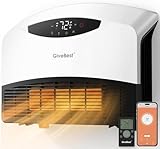
Overview: This dual-mount (floor/wall) GiveBest heater provides 1500W zone heating for rooms up to 200 sq. ft. It blends smart controls with versatile placement, targeting living rooms, basements, and garages where adaptability and coverage are key.
What Makes It Stand Out: The retractable feet and carry handle enable effortless floor-to-wall transitions, while robust WiFi/app control allows remote scheduling. The 5200 BTU output and ECO mode balance power with efficiency, covering larger areas than plug-in models.
Value for Money: Competitive pricing for its 200 sq. ft capability and dual-mount flexibility. Outperforms single-mode heaters in utility, though slightly pricier than basic models—justified by portability and smart features for whole-room heating.
Strengths and Weaknesses: Strengths: True floor/wall versatility; strong room coverage; intuitive ECO mode; comprehensive safety suite; app/WiFi convenience. Weaknesses: Wall mounting still required for optimal space savings; no oscillation; app may have connectivity hiccups.
Bottom Line: A versatile powerhouse for medium rooms needing flexible installation. Choose this over Product 6 if portability matters, but expect similar smart functionality at a slight premium.
Understanding Your Office Heating Needs
Assessing Room Dimensions and Layout
Accurately measuring your space is the non-negotiable first step. Square footage alone doesn’t tell the whole story; consider ceiling height, window count and size, insulation quality, and whether the area is adjacent to exterior walls or unheated spaces. An open-plan zone with large windows behaves very differently from a small, interior conference room. Sketching a rough floor plan helps visualize heat flow and identify potential cold spots needing targeted coverage.
Evaluating Existing Climate Control
Before adding supplemental heat, audit your current system. Is central heating inconsistent, leaving certain departments perpetually cold? Does it struggle during extreme weather? Understanding the gaps your wall heater will fill ensures you don’t oversize or undersize the solution. Note thermostat locations and existing zoning—if your central system already heats the area adequately most of the time, a smaller, lower-wattage unit might suffice for occasional dips.
Identifying Primary Usage Patterns
How is the space actually used? A bustling bullpen needs different considerations than a quiet executive office or a rarely used storage room. Factor in occupancy density (more people generate more ambient heat), typical working hours (does heating need to run overnight for security?), and noise sensitivity. A reception area demands near-silent operation, while a warehouse office might prioritize raw heating power over quietness.
Critical Safety Features for Commercial Environments
Essential Overheat Protection Mechanisms
This isn’t optional for offices. Look for units with dual safety layers: an automatic tip-over switch (critical if the heater is accessible in walkways) and a high-limit overheat sensor that cuts power if internal components exceed safe temperatures. Units designed for commercial use often have more robust, fail-safe sensors compared to basic residential models, crucial for unattended operation.
Surface Temperature Management
In busy offices, accidental contact with a hot heater is a real risk. Opt for models featuring cool-touch exteriors, especially on the front grille and housing. This is vital near desks, hallways, or in spaces accessible to visitors or less cautious staff. Avoid units where the entire casing becomes dangerously hot during operation.
Compliance with Commercial Safety Standards
Residential certifications like ETL or UL Listed are a baseline, but offices demand more. Prioritize heaters explicitly meeting commercial safety standards (look for UL 1278 or similar commercial-grade certifications). These undergo stricter testing for durability, continuous operation, and safety in environments with higher foot traffic and longer run times. Ignoring this invites liability risks.
Power Requirements and Electrical Considerations
Calculating Appropriate Wattage
A common mistake is underestimating power needs. As a general rule, aim for 10 watts per square foot for moderate climates and standard insulation. Colder regions, poor insulation, or high-ceilinged spaces may require 12-15+ watts per square foot. Undersized units will run constantly without warming the space, wasting energy. Oversized units cause uncomfortable temperature swings and higher upfront costs. Use the formula: (Room Sq Ft) x (Watts per Sq Ft Needed) = Minimum Wattage.
Circuit Capacity Assessment
Wall heaters draw significant power. A standard 1500W unit (common for medium rooms) requires a dedicated 15-amp circuit. Larger commercial units (2000W+) often need 20-amp circuits. Crucially: Verify your existing circuit can handle the load without overloading, especially if other devices share the circuit. Overloading trips breakers and is a fire hazard. Consult an electrician—this isn’t a DIY calculation for office safety.
Hardwiring vs. Plug-In Options
Plug-in models (with 3-prong grounded cords) offer easier installation but are generally limited to lower wattages (under 1500W) and require a nearby outlet. Hardwired units (installed directly into the building’s electrical system by an electrician) support higher wattages, provide a cleaner look with no visible cord, and are often required by code for permanent commercial installations. Hardwiring is typically the professional standard for offices.
Performance and Operational Features
Heating Element Technology Comparison
The core technology impacts efficiency, noise, and heat quality. Ceramic elements heat up and cool down quickly, offering responsive temperature control and often quieter operation. Quartz elements provide intense, immediate radiant heat (good for spot warming) but can be slightly noisier as they cycle. Compare the responsiveness and consistency of heat output—ceramic is often preferred for all-day office comfort.
Thermostat Precision and Types
Basic on/off thermostats cause noticeable temperature swings. Opt for units with precision digital thermostats (±1°F accuracy) for stable comfort. Programmable thermostats allow setting schedules (e.g., warming before staff arrive, lowering overnight), saving significant energy. Smart thermostats (Wi-Fi enabled) offer remote control and integration with building management systems, ideal for multi-office setups or after-hours adjustments.
Fan Speed and Noise Levels
The fan distributes heat but generates noise. Offices demand whisper-quiet operation. Check decibel (dB) ratings at various speeds—aim for under 40 dB on low setting for quiet environments like libraries or executive offices. Higher settings (for faster warm-up) will be louder but should still be tolerable in active workspaces. Avoid units known for loud motor or airflow noise.
Installation and Space Integration
Mounting Height and Positioning Strategies
Height matters for optimal heat distribution. Mounting too low risks obstruction and uneven heating; too high lets heat rise away from occupants. Standard practice is 6-12 inches above floor level, but consider furniture placement and airflow paths. Position units away from large obstructions (like tall filing cabinets) and ensure clearance (per manufacturer specs, usually 3+ feet) from desks, curtains, and combustible materials on all sides.
Wall Type Compatibility
Installation difficulty varies drastically. Solid concrete or brick walls require specialized anchors and drilling. Standard drywall with studs is simpler but needs proper stud-finding and mounting hardware. Never mount solely into drywall without hitting studs—units are heavy, especially when operating. Assess your wall structure before purchasing to avoid installation headaches or unsafe mounting.
Aesthetic Integration with Office Design
Heaters shouldn’t scream “industrial appliance.” Look for slim profiles, neutral colors (white, silver, black), and minimalistic grilles that blend with walls. Some offer paintable housings or custom faceplates. Consider how the unit fits within sightlines—avoid placing it directly behind seating areas where the airflow might be uncomfortable, or in prime visual spots where a sleeker design is essential.
Energy Efficiency and Cost Management
Understanding Energy Consumption Metrics
Don’t be fooled by “100% efficient” claims—all electric resistance heaters convert nearly 100% of electricity to heat, but how effectively that heat is delivered varies. Focus on features that reduce overall energy use: precision thermostats prevent overheating, programmability avoids heating empty spaces, and good insulation around the unit minimizes heat loss backward into the wall.
Impact of Programmability on Operating Costs
This is where real savings happen. A unit running only when needed (e.g., 8 AM - 6 PM on weekdays) uses far less energy than one running 24/7. Programmable schedules can cut heating costs by 10-20% easily. Smart features like occupancy sensing (turning down when a room is empty) add further savings, especially in intermittently used spaces like conference rooms.
Long-Term Cost vs. Initial Purchase Price
The cheapest unit often costs more over time. Prioritize models with robust build quality (less prone to failure), excellent thermostats (better efficiency), and commercial-grade components (longer lifespan). Factor in potential electrician costs for hardwiring vs. plug-in. A slightly higher initial investment in a durable, efficient unit pays back through lower energy bills and reduced replacement frequency.
Durability and Maintenance for Professional Use
Build Quality Indicators
Offices demand ruggedness. Examine the housing material—metal (steel or aluminum) is far more durable than flimsy plastic, especially in high-traffic areas. Check weight (heavier often indicates sturdier construction) and feel the build quality of controls. Look for commercial warranties (2+ years) as a sign of manufacturer confidence in longevity under constant use.
Filter Systems and Air Quality Impact
Many units have basic air filters to catch dust, preventing it from baking onto hot elements (a fire hazard and efficiency killer). Easily removable, washable filters are essential for offices—dust accumulates quickly in shared spaces. Units without filters require more frequent professional cleaning. Consider if the heater might circulate allergens; basic filtration helps, but isn’t a substitute for proper HVAC air handling.
Ease of Professional Servicing
When (not if) maintenance is needed, can an electrician or technician easily access components? Avoid overly complex housings that require specialized tools for basic filter changes or element inspection. Clear service manuals and accessible parts design minimize costly downtime for your office. Check if common replacement parts (thermostats, fans) are readily available.
User Control and Workplace Harmony
Accessibility of Controls
Controls should be intuitive for staff but potentially restrictable for management. Physical dials/buttons are simple but lack precision. Digital interfaces offer accuracy but might confuse some users. Consider if thermostat locks (to prevent constant tampering) are needed—common in shared spaces where temperature wars erupt. Remote controls add convenience but are easily lost.
Zoning Capabilities for Multi-Room Offices
For larger offices, a single thermostat controlling one heater isn’t enough. Look for systems allowing multiple units to be grouped under one smart thermostat for consistent zone heating, or ensure individual units can be controlled separately via app. This prevents the “heater on full blast in one room while the next is freezing” scenario, enhancing overall comfort and efficiency.
Minimizing User Disruption
The best heater is the one nobody notices. Prioritize silent operation, consistent heat without drafts, and unobtrusive placement. Avoid units with bright display lights in quiet areas. Features like automatic restart after power outages (with memory of settings) prevent staff from constantly readjusting. Seamless integration means staff stay focused on work, not the thermostat.
Final Selection Checklist and Implementation
Creating a Prioritized Feature List
Don’t get overwhelmed. List your must-haves (e.g., hardwired installation, 2000W, commercial UL rating) separately from nice-to-haves (e.g., smart app, color options). Rank safety and electrical compatibility as non-negotiable top priorities. This list cuts through marketing hype and focuses your research on units that genuinely fit your office’s physical and operational constraints.
Verifying Local Building and Fire Codes
This is critical and often overlooked. Commercial buildings have specific codes regarding heater placement (clearances from combustibles), electrical installation (hardwiring requirements), safety certifications, and even mandatory professional installation. Contact your local building department or fire marshal before purchasing to avoid costly rework, failed inspections, or insurance complications later.
Planning for Professional Installation
Even plug-in models benefit from electrician verification of circuit capacity. For hardwired units, professional installation is mandatory for safety and code compliance. Get quotes upfront—factor this cost into your budget. A qualified electrician ensures correct wiring, secure mounting, proper grounding, and verification against local codes, providing peace of mind that a DIY job simply cannot.
Frequently Asked Questions
How do I determine the correct wattage for my office space?
Calculate based on room size and conditions: multiply square footage by 10 watts for standard insulation/moderate climates. Increase to 12-15 watts per square foot for poor insulation, high ceilings, large windows, or very cold regions. Always verify your electrical circuit can support the chosen wattage.
Are wall-mounted heaters safe to leave running unattended in an office overnight?
Units with robust commercial safety certifications (UL 1278), automatic overheat protection, and tip-over switches are generally safe for unattended operation if installed correctly per code and away from combustibles. However, programmable thermostats to lower temps when unoccupied are recommended for safety and efficiency.
Can I install a wall heater myself, or do I need an electrician?
Plug-in models under 1500W might be DIY if you’re experienced and confirm circuit capacity, but hardwired units and any significant electrical work absolutely require a licensed electrician for safety, code compliance, and insurance validity. When in doubt, hire a professional.
What’s the ideal mounting height for an office wall heater?
Mount units 6 to 12 inches above the floor level for optimal heat distribution into the occupied space. Avoid placing directly behind high furniture. Always follow the manufacturer’s specific clearance requirements from the floor, ceiling, and surrounding objects.
Do wall-mounted electric heaters significantly increase my electricity bill?
Operating costs depend entirely on usage, efficiency features, and local electricity rates. Units used only when and where needed (via programmable thermostats) in targeted zones are far more cost-effective than overheating the entire building with central heat. Proper sizing prevents wasteful constant operation.
How important is a built-in thermostat versus using the central building thermostat?
A dedicated thermostat on the wall heater is crucial for zone control. Relying solely on a central thermostat often leaves the supplemented area either too hot (wasting energy) or too cold (defeating the purpose). Precision thermostats on the unit ensure the specific space reaches the desired temperature efficiently.
What maintenance does a wall-mounted office heater require?
Routine maintenance includes regularly vacuuming or washing the air filter (monthly in dusty offices), gently dusting the interior fins with a soft brush when cool, and ensuring vents are unobstructed. Professional inspection every 1-2 years is recommended for commercial units.
Are there noise considerations I should be aware of for open-plan offices?
Yes, fan noise varies significantly. Check decibel (dB) ratings – aim for under 40 dB on low setting for quiet areas. Position units away from immediate seating. Ceramic heaters often operate more quietly than radiant quartz models. Test noise levels if possible before bulk purchasing.
Can wall heaters be used as the primary heat source in an office?
They are generally designed as supplemental heat for zones where central heating is inadequate. Using them as the sole heat source for an entire office is usually inefficient and may overload circuits unless specifically engineered and permitted for that purpose by an HVAC professional.
What safety certifications are absolutely mandatory for office use?
Prioritize heaters with explicit commercial safety certifications, such as UL 1278 (Standard for Movable Electric Room Heaters) in the US, indicating they’ve passed rigorous testing for durability, continuous operation, and safety in commercial environments, beyond basic residential (UL 1042) standards. Always verify local code requirements.
See Also
- The 10 Ultimate Best Wall-Mounted Electric Heaters for Hallways in 2026
- The 10 Ultimate Best Wall Mounted Baseboard Heaters for Modern Homes in 2026
- The 10 Most Revolutionary Wall-Mounted Electric Heaters of 2026
- How to Solve Drafty Rooms with the 10 Best Wall-Mounted Electric Heaters in 2026
- 10 Game-Changing Wall-Mounted Electric Heaters for Apartments in 2026