Table of Contents
Imagine standing outside on a blistering summer afternoon, the wind whipping dust and debris across your yard, or perhaps bracing against a winter gale that carries stinging sleet. Your air conditioner unit, sitting exposed in the elements, feels the full force of these extremes. It’s a silent workhorse, yet incredibly vulnerable. Without proper protection, those harsh conditions—searing UV rays, driving rain, biting cold, corrosive salt air, or even heavy snow loads—can silently erode its efficiency and lifespan, leading to costly repairs or premature replacement. Investing in the right weatherproof cover isn’t just about seasonal storage; it’s a strategic move to shield your comfort system and your wallet from nature’s relentless assault.
Many homeowners operate under the misconception that any tarp or generic cover will suffice, or worse, that covering an AC unit is unnecessary. The truth is far more nuanced, especially in regions prone to extreme weather. Choosing the wrong cover can trap moisture, encourage mold growth, or even damage internal components, potentially voiding warranties. Conversely, a truly effective weatherproof cover, designed specifically for the rigors of harsh climates, acts as a dynamic barrier. It doesn’t just block the elements; it intelligently manages airflow, resists degradation, and adapts to seasonal demands. Understanding what makes a cover genuinely resilient is the first step towards ensuring your cooling system endures for years, regardless of what the sky throws at it.
Top 10 Weatherproof AC Covers
Detailed Product Reviews
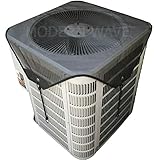
1. MODERN WAVE Central Air Conditioner Cover for Outside Units 36 x 36 - Top Universal Outdoor AC Cover Defender (Mesh, 36" x 36")
Overview:
This top-mounted mesh cover protects standard 36"x36" outdoor AC units from debris and weather. Designed purely for overhead shielding, it prioritizes airflow while securing with adjustable bungee cords to prevent displacement.
What Makes It Stand Out:
Its open heavy-duty mesh construction is the key differentiator, actively promoting ventilation to minimize internal moisture buildup—a common issue with solid covers that can accelerate rust. The four corner bungee cords offer tool-free, secure attachment without complex straps.
Value for Money:
Priced accessibly for basic seasonal protection, it outperforms cheaper solid vinyl covers that trap condensation. While not as durable as premium resin-mesh alternatives, it delivers focused value for leaf/debris prevention in moderate climates.
Strengths and Weaknesses:
Strengths: Excellent airflow reduces rust risk; simple bungee installation; lightweight yet sturdy mesh.
Weaknesses: Top-only coverage leaves sides exposed to snow/dust; mesh may degrade faster than resin in intense UV; no side protection against animal nesting.
Bottom Line:
A reliable, budget-friendly choice for preventing leaf accumulation and enhancing airflow on standard units, ideal for mild-season use but less suited for harsh winter climates due to limited coverage.
2. Central Air Conditioner Covers for Outside Units 36’’ x 36’’, AC Mesh Covers for Outside Unit, AC Unit Cover Outdoor Air Conditioner Condenser Hvac Heat Pump Cover Breathable Top Universal Defender

Overview:
This breathable mesh cover delivers full-top protection for 36"x36" outdoor AC units, shielding against environmental hazards while emphasizing year-round durability and ventilation through its polyester construction.
What Makes It Stand Out:
The high-strength polyester mesh combines tear resistance with optimal airflow, preventing overheating and moisture retention better than solid covers. Integrated elastic ropes with metal hooks ensure wind-resistant stability without scratching the unit.
Value for Money:
Competitively priced for its multi-season resilience, it justifies cost through reduced maintenance and extended unit life. It outperforms basic vinyl covers in longevity but sits below patent-licensed resin options in premium features.
Strengths and Weaknesses:
Strengths: Superior weather/tear resistance; effective ventilation minimizes rust; secure hook system handles strong winds; sleek fit.
Weaknesses: Polyester may fade over time; top-only design doesn’t fully block sideways rain/snow; universal fit might gap on non-square units.
Bottom Line:
A robust, well-balanced cover offering excellent value for reliable seasonal protection, particularly strong for airflow and wind resistance—recommended for most standard units in variable climates.
3. COVERTIFY Central Air Conditioner Covers for Outside 36’’ X 36’’, Mesh AC Covers for Outside Unit, Breathable AC Conditioning Condenser Compressor Cover - Top Universal Defener for All Season

Overview:
COVERTIFY’s patent-licensed cover uses a diamond-perforated resin mesh for 36"x36" units, promising all-season defense against debris and weather while prioritizing thermal management and structural integrity.
What Makes It Stand Out:
The diamond-shaped perforations (under patent license) optimize airflow more precisely than standard mesh, reducing heat buildup. Paired with resin mesh and 16-inch elastic cords with stainless grommets, it delivers exceptional flexibility and storm resistance.
Value for Money:
Priced slightly higher than basic mesh covers, it earns its cost through patented airflow design and long-term durability. Resin material outlasts polyester, making it cost-effective for users seeking multi-year protection without frequent replacements.
Strengths and Weaknesses:
Strengths: Advanced airflow prevents overheating; resin withstands UV/extreme temps; robust elastic cords secure firmly; partial sun protection.
Weaknesses: Patent benefits are subtle for average users; diamond holes may collect fine debris; top-only coverage leaves sides vulnerable.
Bottom Line:
A premium investment for maximizing unit longevity through engineered ventilation and durable materials—best for homeowners in regions with intense sun or temperature swings who prioritize long-term savings.
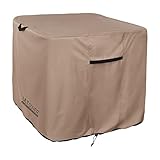
4. ULTCOVER Waterproof Square Air Conditioner Cover for Outside AC Units Size Upto 30W x 30D x 32H inch
Overview:
ULTCOVER offers a structured, waterproof canvas cover for smaller units (up to 30"x30"), featuring full-coverage protection with vents and clips to combat weather while maintaining unit aesthetics.
What Makes It Stand Out:
Unlike mesh competitors, its 600D polyester canvas with waterproof backing fully shields against rain, snow, and UV exposure. Structured side vents and dual handles prevent wind lift while ensuring minimal airflow—ideal for wet climates.
Value for Money:
Priced moderately for its heavy-duty build, it’s cost-effective for regions with heavy precipitation where mesh covers fall short. However, inferior breathability compared to mesh options may increase condensation risks over time.
Strengths and Weaknesses:
Strengths: Superior waterproofing; handles/vents enhance stability; canvas resists tearing; full coverage preserves unit appearance.
Weaknesses: Limited airflow risks internal moisture; size capped at 30" (smaller than standard); clips may corrode in salty air; not breathable like mesh.
Bottom Line:
The top choice for waterproofing in rainy environments, but its reduced ventilation makes it less suitable for humid climates—recommended only for users prioritizing rain/snow defense over constant airflow.
5. Xeeol 36x36 Central Air conditioner Covers for Outside, Larger Mesh AC Unit Covers Outdoor - Top Universal Defender

Overview:
Xeeol’s resin-mesh cover for 36"x36" units combines rust-resistant durability with strategic ventilation, using extra-long bungees to secure units against high winds while blocking debris.
What Makes It Stand Out:
The 20-inch stretchable bungee cords (longer than most competitors’) provide superior tension for extreme weather, while stainless steel grommets prevent rust. Rectangular perforations balance airflow and debris blocking more effectively than coarse mesh.
Value for Money:
Offers premium features at mid-range pricing, with resin durability matching higher-end brands. The extended bungees justify the cost for windy areas, though budget buyers might find shorter cords sufficient elsewhere.
Strengths and Weaknesses:
Strengths: Unmatched bungee length for wind resistance; rust-proof materials; efficient rectangular hole design; easy installation guide/video support.
Weaknesses: Top-only coverage; resin may stiffen in freezing temps; universal fit isn’t tailored for rounded units.
Bottom Line:
An outstanding value for windy or debris-heavy regions, delivering exceptional security and airflow—highly recommended for homeowners seeking reliable, low-maintenance seasonal protection without overspending.
6. Air Conditioner Cover for Outside Units with Windproof Straps & Reinforced Buckles 420D Heavy Duty Square ac Covers Outdoor Protects HVAC Condenser From Winter Rain Snow Ice Dust Up to 24x24x30 inches
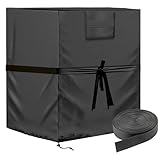
Overview: This 420D Oxford fabric cover shields outdoor AC units (up to 24"x24"x30") from winter elements, dust, and debris, featuring a waterproof coating for seasonal protection. Designed for homeowners prioritizing equipment longevity and yard aesthetics.
What Makes It Stand Out: The dual anti-tear straps and reinforced buckles provide exceptional wind resistance, while the Velcro access panel allows quick maintenance without full removal. Built-in ventilation ports prevent moisture buildup, reducing corrosion risks—a rare combo in mid-tier covers.
Value for Money: Priced moderately, it outperforms basic PVC alternatives with durable 420D material and smart features like adjustable hem ropes. Justifies cost through multi-season usability and reduced maintenance time versus cheaper, flimsier options.
Strengths and Weaknesses: Strengths: Reliable windproofing, easy-access Velcro, effective ventilation, and discreet design. Weaknesses: 420D fabric may wear faster than 600D competitors in extreme conditions; limited size range excludes larger units.
Bottom Line: Ideal for homeowners seeking hassle-free winter protection with thoughtful maintenance access. A practical mid-range investment for standard units, though heavy-snow regions may prefer thicker materials.
7. Window Air Conditioner Cover Outdoor, Luxiv Outside Window AC Unit Cover Black Dust-proof Waterproof Outdoor AC Protection Insulation Defender (21Wx16Dx15H)
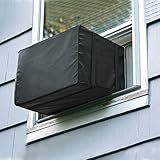
Overview: A specialized 21"x16"x15" cover for 3,000–7,000 BTU window AC units, crafted from 420D waterproof Oxford cloth with a silver inner layer. Focuses on insulation, dust prevention, and indoor warmth retention during off-seasons.
What Makes It Stand Out: The double adjustable straps with snap buckles ensure wind resistance uncommon in window-unit covers, while the black fabric aids heat retention. Silver coating enhances waterproofing beyond typical single-layer designs.
Value for Money: Budget-friendly for its niche, offering better insulation than generic covers. However, its fixed size limits versatility, making it worthwhile only if dimensions match your unit precisely.
Strengths and Weaknesses: Strengths: Effective dust/snow barrier, room-warming capability, and secure strap system. Weaknesses: Inflexible sizing (no stretch), minimal ventilation risking condensation, and lacks handles for easy handling.
Bottom Line: A solid choice for standard-sized window units needing basic winterization, but verify measurements first. Avoid if your unit exceeds specs or requires airflow management.
8. Westblue Air Conditioner Cover for Outside Units-Heavy Duty 600D AC Cover for Outside Unit Waterproof & Resistant AC Unit Covers Outdoor Central Square (Honey & Mocha, 30x30x32 inches)

Overview: This 30"x30"x32" cover uses 600D Oxford fabric with UV-stabilized coating to protect square AC units from snow, hail, and sun damage. Targets homeowners seeking premium durability and backyard aesthetics.
What Makes It Stand Out: The 3-in-1 windproof system (dual elastic cords + side buckle) and side vents excel in stability and moisture control. 600D fabric offers superior tear resistance over 420D rivals, while stylish colors blend with outdoor decor.
Value for Money: Priced higher but justified by longevity—600D material withstands harsh winters better than thinner options. Handles and half-side Velcro simplify installation, adding convenience worth the premium for frequent users.
Strengths and Weaknesses: Strengths: Exceptional durability, secure fit, aesthetic appeal, and practical ventilation. Weaknesses: Sizing may not suit non-square units; vents could allow minimal debris entry in dusty areas.
Bottom Line: A top-tier choice for square units in storm-prone regions. Worth the investment for long-term protection and ease of use, though measure meticulously before purchasing.
9. Zettum Air Conditioner Cover for Outside Units 36 Inch - 600D Air Conditioning AC Covers Waterproof, Outdoor Winter Cover for Central AC Condenser, Swamp Cooler, Pool Heater, Heat Pump, HVAC and More

Overview: A versatile 36"x36"x39" cover made from 600D Oxford fabric, designed for AC condensers, swamp coolers, and pool heaters. Emphasizes eco-friendly PU coating and multi-year UV resistance.
What Makes It Stand Out: Unmatched versatility fits diverse equipment types, while quick-release buckles and adjustable cords ensure a windproof seal. Independent UV testing confirms 3+ years of fade resistance—a standout durability claim.
Value for Money: Competitive pricing for 600D multi-use coverage. Beats single-purpose covers by protecting multiple backyard assets, though overkill if only shielding a standard AC unit.
Strengths and Weaknesses: Strengths: Broad compatibility, eco-conscious materials, proven UV resistance, and easy installation. Weaknesses: Oversized fit may cause flapping on smaller units; no dedicated ventilation ports.
Bottom Line: Highly recommended for households with varied outdoor equipment. Prioritize if you own swamp coolers or pool heaters, but opt for snugger-fitting models for AC-only use.
10. UIRWAY 500D Air Conditioner Cover for Outside Units, [2025 Upgraded Heavy Duty Fabric] Outdoor Central AC Cover Winter, Waterproof Square Air Conditioning Covers with Air Vents, Fit 26"W x 26"D x 32"H
![UIRWAY 500D Air Conditioner Cover for Outside Units, [2025 Upgraded Heavy Duty Fabric] Outdoor Central AC Cover Winter, Waterproof Square Air Conditioning Covers with Air Vents, Fit 26"W x 26"D x 32"H](https://m.media-amazon.com/images/I/5185FA16JcL._SL160_.jpg)
Overview: Marketed as a “2025 upgrade,” this 26"x26"x32" cover uses 500D Oxford fabric with triple-stitched seams for AC units. Highlights include UPF50+ UV protection, reflective strips, and enhanced ventilation.
What Makes It Stand Out: The triple windproof system (webbing strap, drawstring, Velcro) and stereo mesh vents set it apart. Reflective strips improve nighttime safety—a unique touch—and UPF50+ fabric blocks 99.99% UV rays.
Value for Money: Mid-to-high pricing reflects robust engineering. Better long-term value than PVC covers due to 3-year color retention, though marginally pricier than 420D alternatives with similar features.
Strengths and Weaknesses: Strengths: Superior wind resistance, innovative safety features, excellent UV defense, and easy handling via top handles. Weaknesses: “2025 upgrade” claims lack verification; size tolerance (1–2" larger units) may not suit all.
Bottom Line: A forward-thinking pick for safety-conscious users in sunny climates. Invest if reflective strips and extreme UV resistance matter, but confirm sizing accuracy first.
Understanding the Threat: Why Standard Covers Fail in Extreme Conditions
Harsh climates present unique challenges that flimsy, off-the-shelf covers simply cannot handle. Recognizing these specific threats is crucial for selecting adequate protection.
The Relentless Assault of Ultraviolet Radiation
Prolonged exposure to intense sunlight breaks down standard vinyl and plastic materials at a molecular level. This UV degradation causes covers to become brittle, crack, fade, and lose their structural integrity, often within a single season in high-sun regions. Effective weatherproof covers incorporate UV inhibitors within the fabric weave itself, not just as a surface coating, ensuring longevity even under the harshest sun.
Moisture Management: Beyond Simple Waterproofing
True weatherproofing isn’t just about keeping water out; it’s about managing moisture inside the cover. Non-breathable materials trap condensation generated by temperature fluctuations, creating a damp environment perfect for rust, mold, and mildew growth on critical components like the condenser coils and fan motor. The best covers utilize advanced microporous membranes or strategic venting that allows internal moisture vapor to escape while blocking liquid water ingress.
Wind and Physical Impact Resistance
High winds don’t merely threaten to blow a cover away; they turn airborne debris into projectiles. Covers must feature reinforced stitching at all stress points (seams, corners, tie-down points), robust grommets made from corrosion-resistant materials, and potentially wind-resistant designs like tapered shapes or weighted hems. Flapping fabric isn’t just annoying—it accelerates wear and can abrade the unit’s casing.
Critical Material Science: What Makes a Cover Truly Weatherproof
The foundation of any effective cover lies in the engineering of its fabric. Not all “waterproof” materials are created equal, especially under sustained extreme conditions.
Evaluating Fabric Weight and Density
Lightweight tarps tear easily and offer minimal insulation value. Look for covers constructed from heavy-duty polyester or polypropylene fabrics, often measured in ounces per square yard (e.g., 600D, 1200D). Higher denier (D) ratings generally indicate thicker, stronger fibers and tighter weaves, directly correlating to better resistance against tearing, punctures, and UV penetration. Density prevents fine dust and sand from working their way through the fabric.
Advanced Coatings and Laminates
The magic often happens in the layers. Quality covers utilize multi-layer constructions. A durable outer fabric might be laminated to a polyurethane (PU) or thermoplastic polyurethane (TPU) membrane. PU offers good waterproofness and flexibility in cold temps, while TPU excels in extreme temperature resistance (-40°F and below), superior abrasion resistance, and often better long-term UV stability without becoming brittle. Avoid covers relying solely on PVC, which hardens and cracks in freezing conditions.
The Breathability Factor: Micro-Ventilation Technology
This is where many “waterproof” covers fail. Truly advanced weatherproof covers incorporate breathable technologies. Some use fabrics with microscopic pores large enough for water vapor molecules to escape but too small for liquid water droplets to enter (like high-end rain jackets). Others employ strategically placed, covered vents or mesh panels that allow passive airflow without letting in rain or snow. This breathability is non-negotiable for preventing internal corrosion.
Design Elements That Define Durability and Functionality
Beyond the raw material, the construction and thoughtful design details separate disposable covers from investments that last.
Reinforced Seams and Stress Points
Stitching is the Achilles’ heel of many covers. Look for double or triple-stitched seams, preferably with bonded thread (like bonded polyester) that resists rot and UV damage. Critical areas like corners, grommet holes, and the base hem must have extra reinforcement patches or bar tacks. Flat-felled seams, where fabric edges are folded under and stitched, are significantly stronger than simple overlapped seams and prevent fraying.
Secure and Adjustable Fastening Systems
A cover that flies off in a storm is worse than no cover—it can cause damage. Reliable tie-downs are essential. Heavy-duty, rust-proof metal grommets spaced closely around the perimeter (every 12-18 inches) are standard. Superior covers include elasticated hems with secure cord locks or integrated straps with adjustable buckles, allowing for a snug, custom fit over units of varying sizes and shapes, preventing wind lift.
Climate-Specific Shape and Fit Considerations
A generic rectangle rarely fits an AC unit perfectly. Optimal covers follow the unit’s contours, minimizing excess fabric that can flap or collect water/snow. Dome-shaped tops shed precipitation effectively. In heavy snow areas, a steeper pitch prevents dangerous accumulation. Some innovative designs incorporate removable sections or adjustable skirts to accommodate different unit heights or specific component placements (like service valves), ensuring complete coverage without gaps.
Navigating Climate-Specific Protection Strategies
The ideal cover characteristics shift dramatically depending on whether your primary threat is desert heat, coastal salt, or arctic cold.
Desert and High-Heat Zone Requirements
Intense, year-round sun and abrasive dust/sand are the main enemies here. Prioritize maximum UV resistance (look for high UPF ratings) and ultra-tight fabric weaves to block fine particulates. Breathability is critical to prevent overheating the unit casing under the cover during scorching days, even when the unit is off. Lighter colors can help reflect some heat, but durability often trumps color choice.
Coastal and High-Humidity Environment Needs
Salt spray is incredibly corrosive, accelerating rust on metal components and degrading fabrics. Covers must resist salt corrosion both on the fabric itself and on any metal grommets or fasteners (stainless steel or plastic preferred). Superior breathability is paramount to combat the constant high humidity and prevent salt-laden moisture from being trapped against the unit, which rapidly causes rust and mold.
Arctic and Severe Winter Climate Solutions
Extreme cold demands flexibility. Materials must remain pliable well below freezing to avoid cracking. Waterproofing must handle freezing rain and heavy, wet snow without leaking. Insulation value becomes a factor; some advanced covers incorporate lightweight insulating layers to protect against deep freezes, though this must be balanced with breathability to prevent condensation during thaw cycles. Snow-shedding shape and robust tie-downs to withstand ice storms are non-negotiable.
The Installation Imperative: Ensuring Your Cover Works as Intended
Even the best cover fails if installed incorrectly. Proper application is part of the weatherproofing system.
Pre-Covering Unit Preparation is Key
Never cover a dirty or wet unit. Thoroughly clean the condenser coils and cabinet to remove leaves, grass clippings, and dirt. Ensure the entire unit is completely dry. Covering a damp unit traps moisture, guaranteeing mold and corrosion issues. Perform any necessary maintenance before covering for extended periods.
Achieving the Perfect Snug (Not Tight) Fit
The cover should sit smoothly over the unit without large gaps at the base or excessive looseness on top. Gaps allow wind-driven rain, snow, and pests to enter. Too-tight a fit stresses seams and fasteners. Use all provided tie-down points, securing the cover evenly around the perimeter. For units on pads, ensure the cover hem extends sufficiently below the top of the pad to block wind-driven debris from underneath, but doesn’t rest directly on wet ground.
Seasonal Application and Removal Protocols
Understand when to cover. Covers are primarily for winter shutdown or extended periods of non-use in harsh conditions. Never cover an operating AC unit – it will overheat and fail. In transitional seasons or during active cooling months, only use a cover designed specifically for summer protection (focusing on debris blocking and light sun shading, with maximum breathability). Remove covers promptly when the unit is needed and inspect both the cover and unit for any issues before operation.
Long-Term Care and Maintenance of Your Weatherproof Cover
Treating your cover well extends its protective life and ensures it continues to safeguard your AC investment.
Proper Cleaning Techniques for Longevity
Avoid harsh chemicals or abrasive scrubbing. Most covers can be cleaned with a soft brush, mild soap (like dish soap), and lukewarm water. Rinse thoroughly. Never use bleach or solvents, which degrade coatings and fabrics. Allow the cover to dry completely before storing it; storing it damp invites mold growth on the cover itself.
Correct Off-Season Storage Practices
When not in use (e.g., during summer for a winter cover), store the cover clean and bone dry in a cool, dark, dry place. Avoid folding it tightly in the same creases repeatedly; loosely roll it or store it in a breathable cotton bag. Never store it compressed in a hot garage or damp basement, as this accelerates material breakdown.
Recognizing When Replacement is Necessary
Regularly inspect your cover for signs of wear: thinning fabric, cracks in coatings, frayed stitching, torn grommets, or persistent mildew stains that won’t clean. Brittle texture, significant fading, or loss of water repellency are clear indicators. Don’t wait for catastrophic failure; a compromised cover offers false security. Proactive replacement every few years (depending on climate severity) is a small cost compared to AC repair.
Debunking Common Weatherproof Cover Myths
Misinformation can lead to poor choices and unintended damage. Let’s set the record straight.
Myth: All “Waterproof” Covers Are Equally Effective
Reality: Waterproofness is only one facet. Breathability, UV resistance, material flexibility in cold, and construction quality are equally, if not more, important for long-term protection in harsh climates. A cheap tarp might shed rain initially but will trap moisture and degrade rapidly.
Myth: Covering Your Unit Year-Round Saves Energy
Reality: Covering an operating unit is dangerous and will cause immediate overheating and failure. Covers are for inactive periods only. They do not improve efficiency during operation. Their benefit is in preserving the unit’s condition over the off-season, potentially maintaining its baseline efficiency longer.
Myth: Thicker Plastic Means Better Protection
Reality: While some thickness is good, rigid, non-breathable plastic (like heavy-duty tarps) is often the worst choice. It traps condensation relentlessly, promotes rust, and becomes brittle in cold or UV exposure. Advanced, breathable fabrics, even if seemingly thinner, provide superior overall protection.
Frequently Asked Questions
Frequently Asked Questions
Can I use a cover while my AC is running? Absolutely not. Covering an operating unit blocks essential airflow, causing the system to overheat rapidly. This can lead to compressor failure, melted wiring, or other catastrophic damage within minutes. Covers are strictly for when the unit is completely powered down and not in use.
Do weatherproof covers prevent rust on my AC unit? A high-quality, breathable cover significantly reduces rust risk by blocking external moisture (rain, snow) while allowing internal condensation to escape. However, a non-breathable cover traps moisture and will accelerate rust formation. Proper unit cleaning before covering is also essential.
Are expensive covers worth the investment in harsh climates? Generally, yes. Covers designed specifically for extreme conditions use superior materials (like TPU membranes, high-denier fabrics with UV inhibitors) and construction (reinforced seams, quality grommets) that withstand years of abuse. Cheap covers often fail within one season, leaving your unit exposed and requiring replacement sooner.
How do I measure my AC unit for the correct cover size? Measure the width, depth, and height (including any service panels or protrusions) at their absolute largest points. Add 1-2 inches to width and depth for a proper fit over the unit. Always consult the specific cover manufacturer’s sizing chart, as “fits up to” measurements can vary. Contoured units need specialized shapes.
Will a cover affect my AC warranty? Potentially, if improper use causes damage. Most major manufacturers warn against using non-breathable covers or covering an operating unit. Damage from moisture trapped by a poor cover or overheating from covering a running unit is typically not covered. Always check your AC warranty terms regarding cover usage.
Can covers protect against pests like rodents or insects? A well-fitted, durable cover with no large gaps provides a physical barrier that deters many pests. However, determined rodents can sometimes chew through fabric. Ensure the cover is securely fastened with no loose flaps they can exploit, and keep the area around the unit clear of debris that attracts pests.
Is breathability more important than waterproofing? Both are critical, but breathability is often the overlooked factor that prevents internal damage. A cover must be 100% waterproof to block external elements and breathable enough to vent internal moisture vapor. A non-breathable “waterproof” cover creates a greenhouse effect for rust and mold.
How often should I replace my weatherproof AC cover? Lifespan depends heavily on climate severity and cover quality. In harsh conditions (intense sun, salt air, extreme cold), even good covers may last 3-5 years. Inspect annually for brittleness, tears, seam separation, loss of water repellency, or persistent mildew. Replace at the first signs of significant degradation.
Do I need a different cover for summer and winter? Often, yes. Winter covers prioritize full waterproofing, wind resistance, and snow shedding for long-term shutdown. Summer “debris shields” (used only when the unit is off temporarily) focus on maximum breathability to block leaves/insects while allowing heat and moisture to escape easily. Using a heavy winter cover in summer traps heat and moisture.
Can a cover cause ice dams on my unit in winter? Poorly designed or improperly secured covers can contribute to ice damming. If snow accumulates heavily on a flat or poorly draining cover, melting snow from the unit below can refreeze at the cover’s edge, potentially trapping ice against the unit. Dome-shaped covers with good pitch and secure tie-downs that prevent snow buildup minimize this risk.
See Also
- 10 Most Durable Weatherproof AC Covers Based on Real User Reviews in 2026
- How to Solve AC Unit Corrosion with the 10 Best Weatherproof AC Covers in 2026
- 10 Game-Changing Ceiling Mounted AC Covers for Hot Climates in 2026
- 10 Top-Rated Weatherproof AC Covers According to HVAC Experts in 2026
- 2026’s Top 10 Split System AC Covers for Maximum Durability