Table of Contents
As energy costs continue to climb in 2026, homeowners are searching for practical solutions that don’t require massive renovations or five-figure investments. Windows remain one of the biggest culprits of energy loss in any home, accounting for up to 30% of heating and cooling energy use. While replacing windows with energy-efficient models can cost thousands per opening, thermal curtains offer a remarkably effective alternative that starts delivering savings immediately after installation.
The technology behind these insulating window treatments has evolved dramatically, incorporating advanced materials and smart features that go far beyond the heavy drapes of decades past. Modern thermal curtains combine multiple layers of specialized fabrics, reflective barriers, and innovative sealing systems to create an insulating barrier that can reduce heat loss by up to 25% and cut energy bills by hundreds of dollars annually. This guide explores the essential features, measurement strategies, and installation techniques that will help you select the perfect thermal curtains to transform your home’s energy efficiency without sacrificing style or functionality.
Top 10 Thermal Curtains
Detailed Product Reviews
1. NICETOWN 100% Blackout Window Curtain Panels, Cold and Full Light Blocking Drapes with Black Liner for Nursery, 84 inches Drop Thermal Insulated Draperies (White, 2 Pieces, 52 Wide Each Panel)
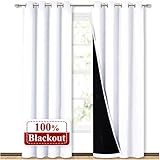
Overview: These NICETOWN curtains deliver genuine 100% blackout performance through a sewn-in black liner backing. Each package contains two 52x84-inch panels with a total width of 104 inches, featuring 1.6-inch silver grommets for easy installation. Designed for nurseries and bedrooms, they promise complete light elimination, thermal insulation, and noise reduction for optimal sleep environments.
What Makes It Stand Out: The integrated black liner sets these apart from standard triple-weave curtains, ensuring zero light penetration even in bright daylight. This construction makes them ideal for shift workers, infants, and light-sensitive sleepers. The heavyweight design provides superior noise dampening—claiming twice the sound absorption of single-layer curtains—while the thermal insulation properties help balance room temperature year-round.
Value for Money: Priced competitively for true blackout curtains with liner construction, these offer excellent value. The dual-layer design eliminates the need for separate blackout liners, saving $30-50 compared to buying components separately. The durable construction and energy-saving insulation features can reduce heating and cooling costs, providing long-term financial returns that offset the initial investment.
Strengths and Weaknesses: Strengths include genuine 100% light blockage, effective noise reduction, strong thermal insulation, and elegant grommet design. The white color option maintains brightness while blocking light. Weaknesses involve care requirements—hand washing is recommended, which is less convenient than machine-washable alternatives. The white fabric may require more frequent cleaning in high-traffic areas.
Bottom Line: Perfect for nurseries, bedrooms, and home theaters where absolute darkness is essential. The superior blackout performance justifies the care instructions. Highly recommended for those prioritizing sleep quality over maintenance convenience.
2. NICETOWN Pitch Black Solid Thermal Insulated Grommet Blackout Curtains/Drapes for Bedroom Window (2 Panels, 42 inches Wide by 63 inches Long, Black)
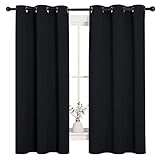
Overview: These NICETOWN Pitch Black curtains offer a streamlined blackout solution without a separate liner. Each set includes two 42x63-inch panels with six silver grommets, utilizing triple-weave technology to block 85-99% of light. The black color and dense fabric provide effective room darkening for bedrooms and media rooms where near-total darkness suffices.
What Makes It Stand Out: The minimalist design achieves near-total darkness through fabric innovation rather than liners, making them lighter and easier to handle. The triple-weave construction integrates thermal insulation and noise reduction directly into the material. Their machine-washable care instructions and wrinkle-free presentation add practical convenience that heavier liner-backed curtains cannot match.
Value for Money: These represent exceptional value for budget-conscious buyers. The absence of a liner reduces cost while maintaining 85-99% blackout effectiveness, especially in dark colors. Machine-washable durability extends lifespan, and energy-saving thermal properties can lower utility bills. Comparable true-blackout curtains cost 30-40% more, making these a smart compromise between performance and price.
Strengths and Weaknesses: Strengths include easy maintenance, lightweight handling, effective thermal insulation, and strong light blocking in dark colors. The 1-inch size tolerance accommodates various windows. Weaknesses are the 85-99% light blockage (not 100%), potential light seepage around edges, and reduced effectiveness in lighter colors. The shorter 63-inch length may not suit all windows.
Bottom Line: Ideal for those seeking convenient, low-maintenance room darkening at an attractive price. While not offering surgical-grade blackout, they excel for bedrooms and TV rooms. Choose dark colors for maximum effect and enjoy the machine-washable convenience.
3. Joydeco Blackout Curtains for Bedroom - Nature Linen 84 Inch Long 100% Light Blocking 2 Panels Set, Rod Pocket & Back Tabs Living Room Drapes, Thermal Insulated Room Darkening Window Curtains

Overview: Joydeco combines natural linen aesthetics with true blackout performance. Two 52x84-inch panels feature a dedicated 100% light-blocking liner and offer dual hanging options: rod pocket or back tabs. The textured faux linen fabric provides a sophisticated look while delivering complete darkness, thermal insulation, and noise reduction for discerning homeowners.
What Makes It Stand Out: The versatile hanging system distinguishes these curtains, allowing both casual rod-pocket styling and elegant back-tab pleating without purchasing additional hardware. The linen-textured fabric elevates room décor beyond standard polyester curtains. With a true 100% blackout liner and UV protection, they preserve furniture while creating cave-like darkness for optimal sleep conditions.
Value for Money: These curtains justify their mid-range price through design flexibility and premium aesthetics. The dual hanging options eliminate the need for alternative curtain purchases, effectively providing two styles in one. Energy-efficient insulation promises utility savings, while the linen look adds designer appeal typically costing 50% more. Machine-washable convenience enhances long-term value.
Strengths and Weaknesses: Strengths include authentic 100% blackout, versatile hanging options, attractive linen texture, machine-washable care, and effective thermal insulation. The 104-inch total width covers standard windows completely. Weaknesses involve potential wrinkles requiring initial steaming and the faux linen material lacking the authenticity of genuine linen. The textured fabric may collect dust more readily than smooth options.
Bottom Line: Excellent choice for style-conscious buyers unwilling to compromise on blackout performance. The dual hanging flexibility and linen aesthetic make these particularly versatile. Highly recommended for living rooms and bedrooms where appearance matters as much as function.
4. MIULEE 100% Blackout Linen Textured Curtains for Bedroom Solid Thermal Insulated Natural Beige Grommet Room Darkening Curtains & Drapes Luxury Decor for Living Room Nursery 52 x 84 Inch (2 Panels)

Overview: MIULEE delivers luxury linen aesthetics with complete blackout functionality. Two 52x84-inch panels in natural beige feature eight grommets and utilize triple-weave technology to achieve 100% light blockage without a separate liner. The faux linen texture creates an upscale look suitable for living rooms, nurseries, and bedrooms seeking designer style.
What Makes It Stand Out: The eight-grommet design provides enhanced draping and stability compared to standard six-grommet curtains. Available in eight sizes, MIULEE offers versatility for various window dimensions. The triple-weave construction achieves true blackout without liner bulk, while the linen texture adds designer sophistication. The beige color maintains room brightness when open while delivering darkness when closed.
Value for Money: These curtains offer premium aesthetics at a moderate price point. The eight-size range prevents costly custom ordering, and the integrated blackout technology eliminates liner expenses. Energy-saving insulation can reduce utility costs, while the durable construction ensures longevity. Comparable designer linen-look blackout curtains typically cost 25-35% more, making these a wise investment.
Strengths and Weaknesses: Strengths include genuine 100% blackout, attractive linen texture, eight grommets for better hang, multiple size options, and thermal insulation. The natural beige color is versatile. Weaknesses include potential color variation from screen displays and initial wrinkles requiring steaming. The faux linen may not satisfy purists seeking authentic linen, and care requires low-temperature ironing.
Bottom Line: Perfect for those seeking designer style with uncompromising blackout performance. The size variety and eight-grommet construction add functional value. Highly recommended for living spaces where aesthetic appeal and light control are equally important.
5. 100% Blackout Shield Linen Blackout Curtains for Bedroom 84 Inches Long, Back Tab/Rod Pocket Living Room Drapes, Thermal Insulated Blackout Curtains 2 Panels Set, 50" W x 84" L, Cream

Overview: These Blackout Shield curtains prioritize versatility with multiple hanging options. Two 50x84-inch cream panels feature back tabs, rod pocket, hook belt, and compatibility with clip rings and track systems. The linen-look fabric with 100% blackout coating ensures complete darkness while offering flexible installation methods for any space.
What Makes It Stand Out: The unparalleled hanging versatility sets these apart—five installation methods accommodate virtually any curtain rod or track system. Eight back loops per panel create elegant pleating, while the 3-inch rod pocket maximizes coverage. This adaptability makes them ideal for renters or those frequently changing décor. The cream color provides warmth while maintaining blackout performance.
Value for Money: Exceptional value for the flexibility offered. Five hanging options eliminate the need for multiple curtain purchases, effectively providing five products in one. The 100-inch total width covers most windows, and machine-washable durability ensures longevity. For renters or indecisive decorators, these curtains prevent costly replacements, making them economically smart.
Strengths and Weaknesses: Strengths include unmatched hanging versatility, true 100% blackout, linen aesthetic, machine-washable convenience, and thermal insulation. The cream color adds warmth. Weaknesses include the 50-inch width (slightly narrower than standard 52-inch), potential confusion with multiple hanging options, and hooks/rings not included. The cream color may show dirt more than darker options.
Bottom Line: Ideal for renters, decorators who value flexibility, or anyone uncertain about permanent hanging preferences. The five-in-one design offers unmatched adaptability. Highly recommended if installation versatility is as important as blackout performance.
6. ChrisDowa Grommet Blackout Curtains for Bedroom and Living Room - 2 Panels Set Thermal Insulated Room Darkening Curtains (Dark Grey, 42 x 63 Inch)

Overview: The ChrisDowa blackout curtain set offers a practical solution for light control and energy efficiency in smaller windows. Each package includes two 42x63-inch dark grey panels constructed with integrated thermal insulation, designed to block 98% of sunlight and UV rays while providing noise reduction benefits.
What Makes It Stand Out: These curtains deliver near-total darkness without the premium price tag of double-layer designs. The six silver grommets ensure smooth installation and operation on standard rods, while the thermal properties actively reduce both winter heat loss and summer heat gain. The fabric maintains a soft hand-feel without chemical odors, making it suitable for children’s rooms and nurseries.
Value for Money: Positioned as a mid-range option, these curtains punch above their weight class. Competing products with similar specifications typically cost 20-30% more, while budget alternatives rarely match the 98% light-blocking claim. The energy-saving features provide long-term utility bill reductions that help offset the initial investment.
Strengths and Weaknesses: Strengths include excellent light blocking for the price, effective thermal insulation, machine-washable convenience, and versatile sizing for standard windows. Weaknesses: 98% blockage means minimal light seepage compared to 100% blackout options, and the “darker colors work better” disclaimer suggests lighter shades underperform.
Bottom Line: Ideal for budget-conscious buyers seeking quality room darkening without absolute blackout requirements. Perfect for bedrooms, media rooms, and nurseries where 98% darkness suffices.
7. Yakamok 100% Blackout Curtains 84 Inches Long, 2 Thick Layers Heat and Full Light Blocking Soft Thermal Insulated Drapes for Bedroom(52" Wide Each Panel, Grey, 2 Panels)
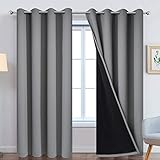
Overview: Yakamok’s double-layer curtains deliver genuine 100% blackout performance for larger windows. Each 52x84-inch panel features a sewn-in black liner backing that eliminates all light penetration, creating optimal conditions for daytime sleepers and light-sensitive individuals.
What Makes It Stand Out: The two-layer construction achieves complete darkness while doubling noise reduction capabilities compared to single-layer alternatives. Eight grommets per panel distribute weight evenly, ensuring smooth operation on wider spans. The heavyweight polyester fabric provides superior thermal insulation, maintaining comfortable temperatures year-round and reducing energy consumption.
Value for Money: While priced higher than single-layer curtains, these offer true 100% blackout—a feature usually commanding premium pricing. The dual-function design essentially provides two products in one: blackout curtains and thermal drapes, delivering strong ROI through energy savings and eliminating the need for additional window treatments.
Strengths and Weaknesses: Strengths include absolute light blockage, enhanced soundproofing, robust thermal performance, and durable construction built to withstand years of use. Weaknesses: heavier weight requires sturdier rods, limited color options may not suit all decors, and the 84-inch length may be excessive for shorter windows.
Bottom Line: An excellent investment for shift workers, migraine sufferers, or anyone requiring complete darkness. The superior insulation and noise reduction justify the premium for those prioritizing performance over budget.
8. NICETOWN Thermal Insulated Grommet Blackout Curtains for Bedroom (2 Panels, W42 x L63 -Inch, Grey)

Overview: NICETOWN’s triple-weave blackout curtains offer a balanced approach to light control and energy efficiency for standard-sized windows. These 42x63-inch panels utilize innovative weaving technology to block 85-99% of light without requiring a separate liner.
What Makes It Stand Out: The proprietary triple-weave construction integrates blackout properties directly into the fabric, creating a streamlined profile that hangs beautifully without bulk. This design maintains a soft, heavy drape feel while providing effective noise reduction and UV protection. The grommet-top design ensures immediate, wrinkle-free installation.
Value for Money: These curtains occupy the sweet spot between budget single-layer options and premium double-layer designs. They deliver comparable performance to more expensive alternatives at a mid-tier price point, with energy-saving features that generate measurable utility savings over time.
Strengths and Weaknesses: Strengths include versatile light blocking (dark colors achieve 99%), integrated thermal insulation, easy maintenance, and a wrinkle-free presentation out of the package. Weaknesses: the 85-99% range indicates performance varies by color, and they lack the absolute blackout of two-layer constructions. The 42-inch width may insufficiently cover larger windows.
Bottom Line: A smart choice for buyers seeking reliable performance without the heft or cost of double-layer curtains. Particularly suitable for living rooms and bedrooms where near-blackout conditions satisfy needs.
9. NICETOWN High-End Thermal Curtains, Full Blackout Curtains 84 inches Long for Dining Room, Soundproof Window Treatment Drapes for Hall Room, Black, 52 inches Wide Per Panel, Set of 2 Panels
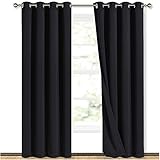
Overview: NICETOWN’s high-end offering targets discerning buyers seeking maximum performance. These 52x84-inch black panels feature true two-layer construction with dedicated blackout lining, delivering complete darkness and superior sound dampening for larger spaces.
What Makes It Stand Out: The dual-layer design achieves 100% blackout while significantly reducing external noise—ideal for urban environments or busy households. The black colorway provides maximum light absorption, while the thermal properties create an effective barrier against temperature fluctuations. Silver grommets complement the elegant aesthetic and facilitate smooth operation.
Value for Money: Positioned at the premium end, these curtains justify their cost through uncompromising performance and durability. The two-in-one blackout and thermal solution eliminates the need for additional window treatments, while energy savings provide ongoing returns that amortize the higher initial investment.
Strengths and Weaknesses: Strengths include absolute light blockage, excellent noise reduction, robust thermal insulation, and versatile 84-inch length suitable for most windows. Weaknesses: premium pricing may deter budget shoppers, the black color shows dust more readily, and the heavier weight requires appropriate rod support.
Bottom Line: Perfect for those unwilling to compromise on darkness or quiet. Ideal for media rooms, master bedrooms, and urban dwellings where maximum light and sound control justify the investment.
10. LEMOMO Blackout Curtains 52 x 84 inches Long Black Curtains Set of 2 Panels Thermal Insulated Room Darkening Curtains for Bedroom
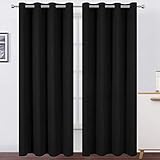
Overview: LEMOMO’s blackout curtains provide reliable performance for standard and larger windows through triple-weave construction. Each 52x84-inch black panel blocks 85-99% of light while offering thermal insulation benefits suitable for year-round use.
What Makes It Stand Out: The 100% polyester fabric delivers a smooth, soft hand-feel without chemical odors, addressing common concerns about synthetic materials. Eight silver grommets ensure even weight distribution and smooth gliding across standard rods. The triple-weave technology integrates blackout properties without adding bulk, maintaining an elegant drape.
Value for Money: These curtains offer competitive pricing within the mid-range segment, delivering performance comparable to higher-priced brands. The durable construction promises longevity, while energy-saving thermal properties generate utility savings that enhance overall value proposition.
Strengths and Weaknesses: Strengths include effective light blocking (especially in black), quality fabric without chemical smell, generous sizing for larger windows, and easy machine-washable care. Weaknesses: 85-99% range means some light may filter through, noise reduction is moderate compared to double-layer options, and black color may not suit all decors.
Bottom Line: A solid, dependable choice for buyers prioritizing quality materials and ease of care. Best suited for bedrooms and living spaces where near-blackout performance meets requirements without demanding absolute darkness.
Understanding Energy Loss Through Windows
Before investing in thermal curtains, it’s crucial to understand exactly how your home loses energy through its windows. This knowledge helps you identify problem areas and choose curtains with the right specifications for your specific situation.
Identifying Problem Areas in Your Home
Not all windows contribute equally to energy loss. North-facing windows typically lose the most heat in winter, while west-facing windows gain the most heat in summer. Conduct a simple audit by feeling for drafts around window frames on windy days and noting which rooms feel noticeably colder or hotter than others. Pay special attention to single-pane windows, large picture windows, and older installations with deteriorated seals. These areas should be your priority when implementing thermal curtain solutions.
How Much Heat Do Windows Really Lose?
A typical home loses approximately 10-25% of its heating energy through windows. Single-pane windows have an R-value of about R-1, meaning they provide minimal insulation. Even standard double-pane windows only reach R-2 or R-3. During winter, indoor heat radiates toward these cold surfaces, creating uncomfortable drafts and forcing your HVAC system to work overtime. In summer, solar heat gain through windows can increase cooling loads by 20-30%. Thermal curtains act as a movable layer of insulation, boosting window R-values to R-4 or higher when properly installed and closed.
How Thermal Curtains Work to Reduce Energy Costs
Thermal curtains aren’t just thick fabric—they’re engineered systems designed to combat all three forms of heat transfer: conduction, convection, and radiation.
The Science of Thermal Insulation
Quality thermal curtains create a dead air space between the window and the room, which serves as a powerful insulator. The multi-layer construction typically includes a decorative face fabric, a high-density foam core, a reflective vapor barrier, and a backing fabric. This layered approach addresses conduction by using low-conductivity materials, stops convection currents that form near cold windows, and reflects radiant heat back into your living space. The result is a measurable temperature difference of 3-5 degrees Fahrenheit between the area near the window and the rest of the room.
Understanding R-Value and Curtain Performance
R-value measures resistance to heat flow—higher numbers mean better insulation. Standard curtains offer negligible R-value, while thermal curtains typically range from R-3 to R-6. For context, adding R-4 curtains to a single-pane window effectively triples its insulation value. When shopping, look for curtains that publish their R-value rather than vague claims about “energy savings.” The best performers in 2026 feature aerogel-infused layers or multi-baffle designs that trap air in separate chambers, pushing R-values even higher.
Key Features to Look for in 2026
The thermal curtain market has expanded dramatically, with innovative features that address multiple homeowner concerns beyond just temperature control.
Multi-Layer Construction
The most effective thermal curtains use three to five distinct layers. The outer decorative layer faces your room and should complement your décor. The core insulating layer typically contains dense foam, felt, or thermally-bonded fibers. A vapor barrier prevents moisture accumulation, while the backing layer often includes a reflective coating. Some premium designs incorporate honeycomb structures or quilted channels that create additional air pockets, dramatically increasing insulating power without adding bulk.
Thermal Lining Materials
Not all thermal linings are created equal. Traditional acrylic foam linings provide basic insulation, but newer materials offer superior performance. Look for curtains with Thinsulate-type materials, recycled polyester batts, or proprietary thermal weaves. The lining should feel substantial and dense, not flimsy. In 2026, many manufacturers are using sustainable materials like recycled plastic bottle fibers that actually outperform conventional options while reducing environmental impact.
Light Blocking vs. Light Filtering Options
Thermal curtains come in various opacities. Blackout thermal curtains block 99-100% of light, making them ideal for bedrooms and media rooms while providing maximum insulation. Light-filtering thermal curtains allow some natural light while still offering decent thermal protection—perfect for living areas where you want brightness without heat loss. Some advanced models feature adjustable opacity, using layered panels you can reposition throughout the day to balance light and insulation needs.
Draft-Sealing Technologies
Innovative edge-sealing systems have revolutionized thermal curtain performance in 2026. Magnetic strips sewn into the side hems create a tight seal against metal window frames or adhesive metal strips you install. Hook-and-loop fasteners attach curtains directly to wall-mounted tracks, eliminating gaps where cold air escapes. Some designs include weighted bottom hems with silicone gaskets that press against window sills, creating a near-airtight barrier when curtains are closed.
Smart Home Integration
Modern thermal curtains increasingly feature motorized operation you can integrate with smart home systems. Program them to close automatically at sunset, during peak energy pricing hours, or when room sensors detect temperature drops. Some systems connect to weather APIs, proactively closing curtains before storms or cold fronts arrive. Voice control through Alexa, Google Home, or Siri adds convenience, while smartphone apps let you operate curtains remotely, ensuring you never waste energy when away from home.
Noise Reduction Capabilities
The same dense, multi-layer construction that insulates against temperature also dampens sound. Many thermal curtains now advertise noise reduction coefficients (NRC) of 0.30-0.45, meaning they absorb 30-45% of ambient sound. This dual benefit proves especially valuable for city dwellers or homes near busy streets. The best sound-dampening curtains use mass-loaded vinyl layers combined with fluffy insulating materials, creating a barrier that reduces both high-frequency traffic noise and low-frequency rumble.
UV Protection Features
Thermal curtains with UV-blocking capabilities protect furniture, flooring, and artwork from sun damage while reducing solar heat gain. Look for curtains that block 95% or more of UV rays. This feature extends the life of your interior furnishings and provides year-round benefits, preventing fade damage in summer and reflecting heat back outside. The UV protection is typically integrated into the reflective backing layer, which should face the window.
Moisture and Mold Resistance
Windows naturally accumulate condensation, which can lead to mold growth on curtains. Premium thermal curtains in 2026 incorporate antimicrobial treatments and moisture-wicking backings that prevent mold and mildew. This feature proves essential in humid climates or for windows that regularly fog up. Some materials include silica gel integration within the lining that actively absorbs and disperses moisture without feeling damp to the touch.
Ease of Installation and Maintenance
The best thermal curtains balance performance with practicality. Look for curtains with built-in grommets, back tabs, or rod pockets that fit standard hardware. Some feature “no-sew” hook systems that let you adjust length without tailoring. For maintenance, seek materials that can be machine-washed on gentle cycles without degrading the insulating layers. Quick-release header designs allow you to easily remove curtains for seasonal cleaning or storage.
Aesthetic Versatility
Gone are the days when thermal curtains came only in heavy, dark fabrics. Modern options include linen-look textures, subtle patterns, and dozens of color choices. Some feature reversible designs with different colors on each side, letting you refresh your room’s look without buying new curtains. Sheer thermal curtains use nearly invisible insulating layers, providing protection while maintaining an airy feel. With proper selection, your energy-saving curtains become a design feature, not an eyesore.
Measuring and Sizing for Maximum Efficiency
Even the best thermal curtains underperform if improperly sized. Correct measurements ensure complete coverage and optimal air sealing.
Width and Fullness Guidelines
For proper insulation, thermal curtains should be 2-3 times the width of your window. This fullness creates deep folds that trap additional air and prevents gaps when curtains are drawn. A 36-inch window needs curtains totaling 72-108 inches wide. Measure the entire window frame, then add 4-8 inches on each side to ensure curtains extend beyond the frame, blocking side drafts. For maximum efficiency, consider wall-to-wall installations that cover several inches of wall space on each side.
Length Considerations for Floor-to-Ceiling Coverage
Curtains should either “kiss” the floor (just barely touching) or “puddle” slightly (extending 1-3 inches onto the floor) to seal the bottom edge. For optimal performance, install them as close to the ceiling as possible—mounting hardware 4-6 inches above the window frame creates a larger air barrier and prevents warm air from escaping over the top. In rooms with radiators below windows, ensure curtains stop just above the heat source to avoid blocking warmth while still sealing the window area.
Special Sizing for Bay and Specialty Windows
Bay windows require individual panels for each section, mounted on curved or flexible tracks that follow the window’s shape. Measure each pane separately, adding overlap where panels meet. For French doors, use door-specific thermal curtains with split openings that let you pass through without opening the entire panel. Skylight thermal curtains use tension rods or recessed tracks and must be measured for both width and depth to ensure they don’t hang too low in the room.
Installation Best Practices
Proper installation transforms good thermal curtains into exceptional energy savers. The goal is creating a complete seal around the window perimeter.
Proper Rod Placement and Hardware
Install curtain rods 4-6 inches above the window frame and extend them 4-8 inches beyond each side. This positioning ensures curtains clear the frame completely when open and create maximum overlap when closed. Use sturdy, well-anchored hardware—thermal curtains weigh significantly more than standard curtains, sometimes 3-5 pounds per panel. For wide windows, add a center support bracket to prevent sagging that creates gaps. Consider ceiling-mounted tracks for a sleeker look and better seal.
Creating an Effective Air Seal
The magic happens at the edges. Apply adhesive hook-and-loop tape along the sides of the window frame and sew the mating tape to the curtain edges. For magnetic seals, install thin metal strips on the wall and let the curtain’s magnetic hem create the seal. At the bottom, use weighted hems or attach small magnets that connect to metal strips on the window sill. Some homeowners add a cornice or valance above the curtain to prevent warm air from flowing over the top—a critical step for maximum efficiency.
Layering Strategies for Extreme Climates
In regions with harsh winters or scorching summers, consider double-layering. Install a sheer thermal curtain closest to the window for daily use, backed by a heavy blackout thermal panel for nighttime or extreme weather. This approach lets you adjust insulation levels throughout the day. Some systems use a single track with double carriers, while others require separate rods. The air gap between layers adds another insulating zone, potentially increasing total R-value by R-2 or more.
Maintenance and Longevity
Thermal curtains represent an investment, and proper care ensures they continue performing for years while looking their best.
Cleaning Without Compromising Insulation
Most thermal curtains require gentle care. Vacuum them monthly using a brush attachment to remove dust that can degrade reflective coatings. For deeper cleaning, many can be machine-washed on cold, delicate cycles in front-loading machines (agitators can damage layers). Always air-dry or use no-heat tumble settings—high heat can melt foam layers and destroy vapor barriers. Spot-clean the backing with mild soap and water; harsh chemicals damage reflective coatings. Some premium curtains feature removable face fabrics that zip off for easy washing while the insulating core stays mounted.
Seasonal Adjustments and Storage
In spring and fall, you may want to swap heavy thermal curtains for lighter versions. When storing, never fold them tightly—this compresses the insulating layers permanently. Instead, roll them around cardboard tubes and store in breathable cotton bags in a dry location. Add silica gel packets to prevent moisture damage. Before reinstalling, air them out and check seals and fasteners for wear. Many homeowners find that using lighter thermal curtains year-round provides adequate savings while maintaining a consistent look.
Cost Analysis and ROI
Understanding the financial impact helps justify the initial expense and guides your purchasing decisions toward the best value.
Initial Investment vs. Energy Savings
Quality thermal curtains range from $50 to $200 per panel, depending on size and features. A typical living room window might cost $150-$400 to outfit properly. However, the energy savings quickly offset this cost. In a climate with cold winters, a single large window can lose $200-$400 worth of heat annually. Curtains that reduce this loss by 25% save $50-$100 per year per window. Most homeowners see complete payback within 2-4 years, after which the savings continue for the curtains’ 10-15 year lifespan.
Calculating Your Payback Period
To calculate your specific ROI, first determine your annual heating and cooling costs. Estimate that 30% goes to window-related loss. Multiply by the number of windows you’re treating. If thermal curtains reduce this by 25%, that’s your annual savings. Divide the total curtain cost by annual savings to find your payback period. For example: $800 in curtains ÷ $150 annual savings = 5.3-year payback. Factor in additional benefits like UV protection (saving furniture replacement) and noise reduction (potential property value increase) for a complete financial picture.
Frequently Asked Questions
How much can I realistically save on my energy bills with thermal curtains?
Most households save between 10-25% on heating and cooling costs, translating to $150-$400 annually depending on climate, window size, and energy rates. Homes with single-pane windows or extreme temperatures see the highest returns.
Do thermal curtains work in summer, or are they just for winter?
They work year-round. In summer, the reflective backing blocks solar heat gain and UV rays, reducing cooling loads by 15-30%. Close them on south and west-facing windows during hot afternoons for maximum benefit.
Will thermal curtains make my rooms too dark?
Only if you choose blackout models. Many thermal curtains come in light-filtering options that preserve natural light while still providing insulation. Sheer thermal curtains block minimal light while offering moderate thermal protection.
How do I know if my thermal curtains are working properly?
Use an infrared thermometer to measure temperatures near the window surface with curtains open versus closed. You should see a 3-5 degree difference. Also, notice whether rooms feel less drafty and whether your HVAC system cycles less frequently.
Can I use thermal curtains on patio doors or sliding glass doors?
Absolutely. Look for door-specific thermal curtains with split openings or use two panels that meet in the middle. Ceiling-mounted tracks work best for wide openings, and magnetic edge seals are particularly important for these large expanses.
Are there fire safety concerns with thermal curtains?
Quality thermal curtains meet standard fire safety regulations and are treated with fire-retardant chemicals. Look for NFPA 701 certification. Keep curtains away from baseboard heaters and radiators, and never block furnace vents.
How long do thermal curtains typically last?
With proper care, quality thermal curtains last 10-15 years. The insulating layers can compress over time, reducing effectiveness. Avoid vacuuming too aggressively and follow cleaning instructions precisely to maximize longevity.
Do I need a special curtain rod for thermal curtains?
Yes. Thermal curtains are heavy, requiring sturdy rods with strong brackets. Use rods rated for at least 1.5 times the total curtain weight. For wide spans, add center support and consider commercial-grade hardware rather than decorative lightweight rods.
Can thermal curtains help with allergies?
Many modern thermal curtains feature tightly woven fabrics that block pollen and dust from entering through windows. Some include antimicrobial treatments. Regular vacuuming of curtains removes accumulated allergens, improving indoor air quality.
What’s the difference between thermal curtains and regular curtains with thermal lining?
True thermal curtains are engineered as integrated systems with multiple specialized layers designed to work together. Simple thermal linings add modest insulation to regular curtains but lack the vapor barriers, reflective coatings, and edge-sealing features that make dedicated thermal curtains so effective.
See Also
- How to Solve High Energy Bills with the 10 Best Thermal Curtains in 2026
- Stop High Energy Bills with the 10 Best Thermal Curtains This Year
- 10 Best Thermal Curtains for Energy Savings This Year
- How to Solve Drafty Windows with the 10 Best Thermal Curtains in 2026
- 10 Expert-Recommended Thermal Curtains for Energy Efficiency in 2026