Table of Contents
Nothing disrupts comfort quite like a persistent cold spot in your otherwise cozy room. You crank up the thermostat, layer on sweaters, yet that one corner near the bay window or along the exterior wall remains stubbornly chilly. These temperature inconsistencies aren’t just annoying—they’re signs that your current heating solution isn’t distributing warmth evenly throughout your space. Extra long baseboard heaters have emerged as a strategic solution for homeowners battling these problematic zones, offering extended coverage that eliminates the gaps left by standard-length units.
Unlike their shorter counterparts, these elongated heating systems provide continuous warmth across wider wall spaces, creating a more uniform thermal barrier against drafts and heat loss. Whether you’re dealing with a spacious living area, a room with high ceilings, or an older home with poor insulation, understanding how to select and implement the right extended-length baseboard heater can transform your comfort level while potentially reducing energy waste. This guide walks you through everything you need to know about choosing the perfect extra long baseboard heater for your specific situation.
Top 10 Extra Long Baseboard Heaters
Detailed Product Reviews
1. Stelpro High-End Electric Baseboard Heater, 1500W / 240V, 64-In Long x 2½-In High Compact Convection Heater for Rooms up to 150 sq. ft, Discreet Design, Prima Series (ASPRL1502W) – White

Overview:
The Stelpro Prima Series ASPRL1502W delivers powerful 1500W convection heating for spaces up to 150 square feet. Measuring just 2.5 inches high and 64 inches long, this 240V unit features a remarkably low-profile design that sits 25% lower than conventional baseboards. The white finish and sleek profile allow it to blend seamlessly beneath windows or along baseboards without dominating your room’s aesthetic.
What Makes It Stand Out:
The Prima Series distinguishes itself through its ultra-slim 2.5-inch height and premium construction. The tubular stainless steel element with aluminum fins produces noiseless, fan-free warmth without disruptive airflow. Unlike many competitors, Stelpro offers a detachable front panel with reinforced steel casing that resists dents while providing easy access for cleaning and maintenance—a thoughtful feature for long-term ownership.
Value for Money:
Priced in the premium tier, this heater justifies its cost through exceptional durability and warranty coverage. The 5-year baseboard warranty combined with a lifetime heating element guarantee demonstrates manufacturer confidence. While thermostats are sold separately, the modular approach lets you choose between wall-mounted or integrated controls, preventing unnecessary expenses.
Strengths and Weaknesses:
Strengths:
- Ultra-low profile design saves space and looks modern
- Silent convection heating with no moving parts
- Excellent warranty coverage (5-year baseboard, lifetime element)
- Durable reinforced steel construction
- Easy maintenance with detachable panel
Weaknesses:
- Requires separate thermostat purchase (wall or kit SIBTE12F)
- 240V installation needs professional electrician
- Higher upfront cost than basic models
Bottom Line:
The Stelpro ASPRL1502W is an excellent investment for homeowners seeking discreet, reliable heating. Its superior build quality, whisper-quiet operation, and outstanding warranty make it ideal for living areas where aesthetics and performance matter equally. Professional installation recommended for optimal safety and efficiency.
2. Stelpro High-End Electric Baseboard Heater, 1000W / 240V, 50-In Long x 2½-In High Compact Convection Heater for Rooms up to 100 sq. ft, Discreet Design, Prima Series (ASPRL1002W) – White
Overview:
The Stelpro Prima Series ASPRL1002W provides efficient 1000W heating for rooms up to 100 square feet. At 50 inches long and only 2.5 inches tall, this 240V convection heater shares the same sleek DNA as its larger sibling. The compact form factor makes it perfect for offices, kitchens, or dens where space is at a premium but performance cannot be compromised.
What Makes It Stand Out:
This mid-size unit maintains the Prima Series’ signature ultra-low profile—25% shorter than traditional baseboards—allowing subtle placement under windowsills. The fanless convection technology delivers uniform warmth without noise, while the reinforced steel casing and detachable front panel provide commercial-grade durability rarely seen in residential heaters of this size.
Value for Money:
Positioned as a premium compact solution, the ASPRL1002W offers the same exceptional warranty as larger models: 5 years on the baseboard and lifetime coverage on the heating element. The thermostat-not-included approach provides flexibility but adds cost. For quality-conscious buyers, the durable construction translates to lower lifetime costs versus cheaper alternatives.
Strengths and Weaknesses:
Strengths:
- Space-saving 2.5-inch height profile
- Silent operation ideal for bedrooms and offices
- Superior dent-resistant steel construction
- Outstanding warranty protection
- Tool-free front panel removal for cleaning
Weaknesses:
- Separate thermostat required (SIBTE12F kit optional)
- 240V wiring necessitates professional installation
- Limited to smaller rooms at 100 sq ft capacity
Bottom Line:
For small to medium spaces requiring quiet, dependable heating, the ASPRL1002W delivers premium performance in a compact package. Its robust build and lifetime element guarantee justify the investment for discerning homeowners. Factor in thermostat and installation costs when budgeting.
3. Comfort Zone 1500W Convection Baseboard Heater with Built-In Thermostat, Overheat & Tip-Over Protection, Dent-Proof Ends, Plug-In Portable, Ideal for Home, Bedroom & Office, White

Overview:
The Comfort Zone 1500W Convection Baseboard Heater offers plug-and-play portability with built-in thermostat control for medium-sized rooms. This unit combines 1500W of power with advanced safety features including tip-over protection and overheat sensors. Its slim white profile integrates easily into bedrooms, offices, or dorm rooms without permanent installation, making it ideal for renters or seasonal use.
What Makes It Stand Out:
Unlike hardwired competitors, this heater includes an integrated adjustable thermostat with two heat settings, providing immediate out-of-box functionality. The dent-proof end panels enhance durability, while tip-over and overheat protection offer peace of mind. ETL listing confirms rigorous safety standards, and the stay-cool housing remains safe to touch during operation.
Value for Money:
This model delivers exceptional value for those seeking flexibility without installation costs. The all-in-one design eliminates thermostat and electrician expenses. While build quality may not match premium brands, the feature set—portability, built-in controls, and comprehensive safety mechanisms—at a mid-range price point creates compelling value for budget-conscious consumers.
Strengths and Weaknesses:
Strengths:
- Portable plug-in design requires no installation
- Built-in thermostat with two heat settings
- Comprehensive safety features (tip-over, overheat)
- Whisper-quiet operation
- ETL certified for safety
Weaknesses:
- Less durable than hardwired permanent units
- Shorter warranty coverage (not specified as lifetime)
- 1500W may trip circuits in older homes
- Not as sleek as low-profile models
Bottom Line:
The Comfort Zone heater excels as a portable, safe, and convenient heating solution. Perfect for renters, temporary spaces, or supplemental heat, it offers immediate warmth without commitment. For permanent installations, consider hardwired alternatives with superior warranties.
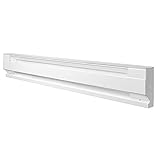
4. Cadet F Series 48" Electric Baseboard Heater (Model: 4F1000W, Part: 09954 ), 3415/2560 BTU, 240/208 Volt, 1000/750 Watt, White
Overview:
The Cadet F Series 4F1000W is a straightforward, no-frills electric baseboard heater delivering 1000W of power for small to medium rooms. At 48 inches long, this 240/208V unit focuses on reliable performance and simple installation. It lacks the sleek aesthetics of modern low-profile designs but provides proven heating capability with universal wiring and pre-punched knockouts for flexible placement.
What Makes It Stand Out:
Cadet emphasizes installation simplicity with universal wiring options and knockouts spaced at one-inch intervals, accommodating both floor and wall mounting with minimal effort. The high-temperature safety shutoff provides essential protection, while the limited lifetime warranty offers long-term assurance. This heater prioritizes function over form, making it a practical choice for utility spaces.
Value for Money:
As a budget-friendly hardwired option, the F Series delivers solid performance per dollar. The universal wiring design reduces installation complexity and cost. However, the lack of included thermostat and basic aesthetic means additional expenses for controls and potentially lower visual appeal. The lifetime warranty significantly enhances value for cost-conscious homeowners.
Strengths and Weaknesses:
Strengths:
- Affordable hardwired heating solution
- Simple universal wiring installation
- High-temperature safety shutoff included
- Limited lifetime warranty
- Flexible mounting options
Weaknesses:
- Bulky traditional design (not low-profile)
- No thermostat included
- Basic appearance lacks modern aesthetic
- No mention of dent resistance
Bottom Line:
The Cadet F Series is a reliable, economical choice for utility rooms, basements, or spaces where aesthetics are secondary. Easy installation and strong warranty support make it practical for DIY-savvy homeowners. For living areas, consider more discreet options with better visual appeal.
5. Stelpro High-End Electric Baseboard Heater, 500W 240V, 36-In Long x 2½-In High Compact Convection Heater for Rooms up to 50 sq. ft, Top-Of-The-Line, Discreet Design, Prima Series (ASPRL0502W) – White
Overview:
The Stelpro Prima Series ASPRL0502W is the compact powerhouse of the lineup, delivering 500W of convection heat for spaces up to 50 square feet. At just 36 inches long and 2.5 inches tall, this 240V unit brings premium low-profile design to bathrooms, small bedrooms, or powder rooms. It shares the same sophisticated engineering as larger Prima models in a diminutive footprint.
What Makes It Stand Out:
This unit offers unprecedented thermostat flexibility with three optional kits: electronic (SIBTE12F), mechanical single-pole (SIBT1W), or double-pole (SIBT2W). The ultra-slim 2.5-inch height maintains the series’ 25% size reduction versus traditional baseboards. Reinforced steel casing and detachable front panel provide premium durability uncommon in small-capacity heaters, making it ideal for high-visibility spaces.
Value for Money:
While carrying a premium price tag for its size class, the ASPRL0502W delivers exceptional long-term value through superior construction and warranty coverage. The 5-year baseboard and lifetime element guarantee ensure decades of reliable service. Multiple thermostat options allow customization without forcing unnecessary features, though installation costs must be factored into the total investment.
Strengths and Weaknesses:
Strengths:
- Ultra-compact 2.5-inch profile perfect for small spaces
- Three thermostat kit options for maximum flexibility
- Premium reinforced steel construction
- Outstanding 5-year/lifetime warranty
- Silent fanless operation
Weaknesses:
- Requires separate thermostat purchase
- Professional 240V installation mandatory
- Premium pricing for 500W capacity
- Limited to very small rooms (50 sq ft)
Bottom Line:
For small spaces demanding both performance and aesthetics, the ASPRL0502W is unmatched. Its compact size, premium build, and exceptional warranty justify the cost for quality-focused homeowners. Ideal for bathrooms and tight areas where every inch matters. Budget for thermostat and professional installation.
6. Fahrenheat FBE15002 Portable Electric Baseboard Heater,1500 Watt, 120 Volt, 46" Wide, White

Overview: The Fahrenheat FBE15002 delivers 1500 watts of portable warmth through a 46-inch wide unit that plugs into any standard 120-volt outlet. This convection baseboard heater offers supplemental heating without permanent installation, making it ideal for renters or seasonal use. Its low-profile design integrates discreetly into most room aesthetics while providing reliable fanless operation.
What Makes It Stand Out: True portability sets this unit apart from hardwired alternatives. The plug-and-play convenience combined with natural convection technology eliminates noisy fans and distributes heat evenly. Safety features include overheat protection that activates when air intake is blocked and a linear high-temperature cutout that automatically shuts down the unit during airflow obstruction, providing peace of mind during continuous operation.
Value for Money: At its price point, this heater offers exceptional flexibility compared to permanent installations that require electrician fees. While hardwired units may last longer, the FBE15002’s no-installation cost and mobility justify its value for those needing targeted heating in different locations seasonally.
Strengths and Weaknesses: Pros include effortless portability, whisper-quiet operation, robust safety systems, and cleaner heat that doesn’t circulate allergens. The 120-volt plug compatibility works anywhere. Cons include limited heating capacity for large spaces, floor space requirements that may pose tripping hazards, and slower heat-up times typical of convection heating. The unit cannot replace primary heating systems.
Bottom Line: This heater excels as a supplemental heat source for spaces up to 150 square feet. Perfect for bedrooms, home offices, or drafty corners, its portability and safety features make it an excellent choice for renters or anyone needing flexible, quiet warmth without installation commitment.
7. King 5K1212BW 1250-Watt 120-Volt 5-Foot Baseboard Heater, Bright White

Overview: The King 5K1212BW is a professional-grade, 5-foot electric baseboard heater designed for permanent installation. Delivering 1250 watts at 120 volts, this hardwired unit provides consistent, primary heating for medium-sized rooms through natural convection. Its commercial construction and full-length design ensure even heat distribution along entire wall spaces.
What Makes It Stand Out: The aluminum ribbon fin element represents superior engineering, maximizing heat transfer while maintaining crushproof durability. Unlike portable units, this heater’s full-length safety cutout provides comprehensive thermal protection across the entire element, not just at a single point. The robust steel construction and bright white finish offer decades of reliable service.
Value for Money: Though requiring professional installation, this unit’s durability justifies its mid-range price. Comparable portable heaters may seem cheaper initially, but the King’s 20+ year lifespan and consistent performance deliver better long-term value for homeowners. The crushproof element design prevents damage during installation and maintenance.
Strengths and Weaknesses: Pros include exceptional durability, uniform heat distribution, discrete operation without fans, permanent mounting that saves floor space, and commercial-grade safety features. The aluminum fin technology ensures efficient performance. Cons include mandatory hardwiring requiring an electrician, zero portability after installation, higher upfront investment, and the need for careful sizing calculations before purchase.
Bottom Line: Ideal for new construction or renovation projects, this heater serves as a reliable primary heat source. Homeowners seeking permanent, maintenance-free heating should invest in this unit. Its professional build quality and safety features make it superior to portable alternatives for permanent applications.
8. King 3K1207BW 750-Watt 120-Volt 3-Foot Baseboard Heater, Bright White
Overview: The King 3K1207BW packs commercial-grade heating technology into a compact 3-foot frame, delivering 750 watts of hardwired warmth for small spaces. Operating at 120 volts, this permanent baseboard heater serves bathrooms, offices, or supplemental zones through efficient natural convection. Its shorter profile fits where larger units cannot.
What Makes It Stand Out: This unit inherits the premium features of its larger siblings—aluminum ribbon fin element, crushproof construction, and full-length safety cutout—in a space-saving design. The reduced wattage precisely matches smaller room requirements without energy waste, while the same robust build quality ensures longevity. The bright white finish maintains a clean aesthetic.
Value for Money: Positioned as an affordable entry into permanent heating solutions, this model eliminates the recurring costs of portable heaters. While installation adds expense, its targeted 750-watt output efficiently heats 75-100 square feet, making it ideal for small, frequently used spaces where consistent comfort justifies the investment.
Strengths and Weaknesses: Pros include compact dimensions for tight spaces, commercial-grade durability, whisper-quiet fanless operation, comprehensive safety cutout protection, and efficient aluminum fin technology. The permanent mount frees floor space. Cons include limited heating capacity unsuitable for large rooms, mandatory professional installation, complete lack of portability, and the need for dedicated circuit consideration.
Bottom Line: Perfect for small bathrooms, home offices, or as supplemental heat in larger systems, this heater delivers King quality in a compact package. Homeowners should choose this over portable units for permanent small-space heating needs where reliability and safety are priorities.
9. Comfort Zone 1500W Convection Baseboard Heater – Silent Portable Electric Space Heater with Adjustable Thermostat, 2 Heat Settings & Safety Tip-Over Switch – Black

Overview: The Comfort Zone 1500W Convection Baseboard Heater combines powerful heating with family-focused safety in a portable package. This 1500-watt unit offers two heat settings and an adjustable thermostat, providing customizable warmth for medium rooms without permanent installation. The sleek black design integrates modern aesthetics with functional heating.
What Makes It Stand Out: Unparalleled safety features distinguish this heater. The tip-over switch instantly cuts power if the unit is knocked over, while the stay-cool exterior remains safe to touch even during extended operation. High-impact, dent-proof end panels withstand daily wear, making it ideal for high-traffic households with children or pets. The dual wattage settings (750W/1500W) offer energy-saving flexibility.
Value for Money: This heater delivers premium safety features typically found in higher-priced models. While slightly more expensive than basic portable units, the comprehensive protection system and durable construction justify the cost for families. The adjustable thermostat prevents energy waste by maintaining precise temperatures.
Strengths and Weaknesses: Pros include exceptional safety suite, portable convenience, dual heat settings, dent-resistant construction, and cool-touch housing. The black finish provides a modern alternative to standard white. Cons include the dark color showing dust more readily, potential for slower heating on the 750W setting, and less robust element design compared to commercial hardwired units. The unit requires floor space.
Bottom Line: The ultimate choice for safety-conscious consumers, this heater excels in homes with active families. Its portable design and advanced protection features make it worth the modest premium. Ideal for bedrooms, nurseries, or offices where peace of mind matters as much as warmth.
10. Cadet 175 sq. ft. 3,412 Convection Baseboard Heater
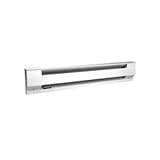
Overview: The Cadet Convection Baseboard Heater targets small spaces with precision, delivering 1000 watts of heating capacity for rooms up to 175 square feet. This 120-volt unit combines radiant and convection heating methods in a compact 51.75-inch frame designed for floor mounting. The white finish blends seamlessly with standard trim and walls.
What Makes It Stand Out: The explicit 175 square foot coverage rating removes guesswork from sizing decisions, ensuring proper application. The hybrid heating element utilizes both radiant and convection technology for faster warm-up and sustained comfort. Easy installation with floor mount capability allows flexible placement under windows or along walls where space is premium.
Value for Money: This heater offers excellent value for small-room applications. Its moderate price point, combined with energy-efficient design, reduces operating costs compared to oversized units. While hardwired, the straightforward installation saves on labor costs versus complex heating systems, making it accessible for budget-conscious homeowners.
Strengths and Weaknesses: Pros include precise sizing guidance, quiet fanless operation, compact dimensions, easy installation process, and durable construction. The hybrid heating element improves efficiency. Cons include limited 175 sq ft capacity unsuitable for larger areas, hardwired installation requirement, single wattage setting lacking adjustability, and basic thermostat compatibility.
Bottom Line: An excellent solution for small bedrooms, offices, or guest rooms where targeted heating is needed. Homeowners seeking an efficient, permanent heater for defined small spaces will appreciate its straightforward design and reliable performance. Best value when matched to its specified coverage area.
Understanding Cold Spots and How Longer Heaters Help
The Science Behind Cold Spots in Your Home
Cold spots typically occur due to heat loss through windows, exterior walls, or poor air circulation. Thermal imaging often reveals that these problem areas align with structural features like sliding glass doors, bay windows, or uninsulated corners where standard heaters simply don’t reach. The physics is straightforward: heat travels from warm to cool areas, and without adequate coverage along these vulnerable zones, cold air infiltration wins the battle. Extended-length baseboard heaters create a continuous thermal curtain that counteracts these drafts more effectively than multiple smaller units with gaps between them.
Why Length Matters in Baseboard Heating
The length of your baseboard heater directly correlates with its ability to distribute heat evenly across a room. A single 96-inch unit maintains consistent temperature better than two separate 48-inch heaters because it eliminates cold gaps between units. Longer heaters also operate more efficiently by maintaining a steady state rather than cycling on and off frequently. This continuous operation reduces temperature fluctuations and creates that “invisible blanket” of warmth along perimeter walls where heat loss is most significant.
Key Features to Evaluate When Shopping
Heating Element Technology
When comparing options, you’ll encounter two primary heating element types: convection and hydronic. Convection models heat air directly through electric elements, offering quick response times and lower upfront costs. Hydronic systems heat a fluid that circulates through the unit, providing more gradual, consistent warmth that retains heat longer after cycling off. For extra long models, hydronic technology often proves more efficient since the extended length maintains temperature with less energy fluctuation, though convection units heat up faster in truly frigid conditions.
Length Options and Room Coverage
Extra long baseboard heaters typically range from 72 inches to 120 inches, with some specialty models extending even further. The key is matching length to your room’s specific cold zone rather than just buying the longest unit available. Measure your problem wall space carefully, accounting for furniture placement and code-required clearances. A 96-inch heater might solve a living room’s window wall issue, while a compact 72-inch unit could be perfect for a bedroom’s exterior wall. Always leave at least 12 inches of clearance at each end for proper airflow and safety.
Thermostat Integration Capabilities
Modern extra long baseboard heaters offer various thermostat options that dramatically impact performance. Built-in thermostats provide convenience but may not accurately reflect room temperature due to their proximity to the heat source. Wall-mounted thermostats deliver more precise control and can be programmed for different times of day. For multiple long heaters in one room, look for units that can be controlled by a single thermostat to prevent temperature battles. Smart thermostat compatibility allows you to create heating schedules from your phone, potentially cutting energy costs by 10-15%.
Energy Efficiency Ratings
While electric resistance heating converts nearly 100% of electricity to heat, efficiency varies in how that heat is delivered and maintained. Look for units with high-quality insulation behind the heating element to direct warmth forward into the room rather than into the wall. Sealed elements prevent dust buildup that can reduce efficiency over time. Some models feature eco modes that slightly reduce output once target temperature is reached, maintaining comfort while using less energy. The most efficient units balance wattage output with length—too little wattage for the size means the heater runs constantly.
Build Quality and Durability
Extra long heaters face more thermal stress than standard models due to their extended elements. Heavy-gauge steel housings resist warping and provide better heat distribution. Powder-coated finishes withstand years of temperature cycling without fading or chipping. Inspect the element supports—cheaper models may sag in the middle over time, creating hot spots and reducing lifespan. Quality units feature multiple mounting brackets along the length to prevent bowing. The warranty period often indicates manufacturer confidence, with premium models offering 7-10 year coverage on elements.
Installation and Placement Strategies
Optimal Positioning for Even Heat Distribution
Placement determines performance more than any other factor. Install extra long heaters on exterior walls, preferably under windows where rising warm air creates a natural barrier against cold drafts. The bottom of the unit should sit 6-8 inches above floor level to allow proper convection airflow. Avoid placing furniture within 12 inches of the heater’s front and 6 inches from the top. For rooms with multiple cold walls, consider one long heater on the coldest wall supplemented by shorter units elsewhere rather than compromising with medium-length units everywhere.
Electrical Requirements and Circuit Planning
Longer heaters draw significant power—a 96-inch 240-volt model can pull 2000 watts or more. Most require dedicated 20-amp circuits, and attempting to share circuits leads to tripped breakers. Before purchasing, verify your electrical panel has available capacity and space for new breakers. Homes with 100-amp service may need panel upgrades for multiple long heaters. Consider future expansion too—running wire for a 120-inch unit even if you install a 96-inch now saves rewiring costs later. Always consult local codes, as some jurisdictions require hardwired connections while others permit plug-in models for lengths under 8 feet.
Wall-Mounting vs. Portable Options
While most extra long heaters are designed for permanent wall mounting, portable options exist for renters or temporary solutions. Portable models typically max out at 72 inches due to weight and stability concerns. Wall-mounted units provide better safety, efficiency, and aesthetics—they’re out of the way and create that continuous thermal barrier. If you must go portable, ensure the unit has tip-over protection and never use extension cords, as the amperage draw can melt standard cords. For permanent installations, professional mounting guarantees proper spacing and electrical connections.
Professional vs. DIY Installation
DIY installation is possible for handy homeowners with electrical experience, but extra long heaters present unique challenges. The weight requires two people for safe lifting, and precise leveling across 8-10 feet is critical for proper operation. Electrical connections must be secure to handle continuous high-amperage loads. Professional installation typically costs $150-$300 per unit but includes load calculations, permits, and safety inspections. Many manufacturers require professional installation to maintain warranty coverage, making the upfront cost worthwhile insurance.
Performance Factors That Matter
Wattage and Heat Output Calculations
Matching wattage to room size prevents underperformance or energy waste. The standard calculation is 10 watts per square foot for standard ceiling heights, but cold spots need 15 watts per square foot for that zone. A 120-square-foot room with a problematic exterior wall needs roughly 1800 watts of targeted heating. Extra long units distribute this wattage across their length—lower wattage per foot creates gentler, more consistent heat. Avoid the temptation to oversize dramatically; heaters that cycle on and off too frequently wear out faster and create temperature swings.
Response Time and Heat Retention
Convection heaters warm a room in 15-30 minutes but cool quickly when off. Hydronic models take 30-60 minutes to reach full temperature but retain warmth for an hour or more after shutting down. For cold spots near frequently used areas like dining rooms, quick-response convection works well. For bedrooms where consistent overnight temperature matters, hydronic’s heat retention provides better comfort. Some hybrid models start with convection elements for quick warmup then switch to hydronic maintenance mode, offering the best of both technologies.
Noise Levels and Quiet Operation
Baseboard heaters should be silent, but poor design creates clicks, pings, and humming. Expansion and contraction of heating elements against brackets causes most noise. Quality extra long heaters feature floating element designs that allow thermal expansion without contact noise. The thermostat relay should produce only a soft click, not a loud snap. Hydronic units are generally quieter than convection since liquid heating eliminates the rapid on-off cycling. Read user reviews specifically mentioning noise, as manufacturers rarely advertise this aspect. Units with night modes reduce output slightly for whisper-quiet operation during sleeping hours.
Zoning Capabilities for Targeted Heating
Zoning solves the cold spot problem at its source. Instead of heating your entire home to fix one room, zone-capable long heaters operate independently from your central system. Look for units with built-in zone controls or compatibility with multi-zone thermostats. This allows you to maintain 68°F in most of the house while keeping that problematic sunroom at a comfortable 72°F. Some advanced systems use wireless sensors in different rooms to automatically adjust output, ensuring that cold spot never returns while saving up to 30% on heating costs compared to whole-house temperature increases.
Safety and Compliance Essentials
Overheat Protection Mechanisms
Extra long heaters need robust safety features due to their continuous high-power operation. Thermal cut-off switches should automatically shut down the unit if internal temperatures exceed safe limits. Look for models with redundant protection—both automatic reset and manual reset thermal fuses. The heating element should be completely covered to prevent contact with dust or debris that could ignite. Some units include airflow sensors that detect blocked vents and reduce power output accordingly, preventing overheating even when curtains accidentally cover the unit.
Safety Certifications to Look For
UL (Underwriters Laboratories) or ETL (Intertek) certification is non-negotiable for electrical safety. These marks indicate the unit has been tested for fire, shock, and operational hazards. For hydronic models, additional pressure vessel certifications ensure the fluid system won’t rupture. If you have children, look for units with additional certifications for tip-over protection and surface temperature limits. The NFPA (National Fire Protection Association) sets guidelines for clearance distances that safe designs always exceed. Never purchase uncertified heaters, no matter how attractive the price.
Child and Pet-Friendly Design Features
Surface temperatures on baseboard heaters can reach 150-200°F, posing burn risks. Child-safe models include lower surface temperature designs that stay under 120°F while maintaining heating performance. Some feature lockable controls to prevent curious little hands from adjusting settings. For pet owners, units with sealed bottoms prevent toys and fur from entering the heating chamber. Consider models with rounded corners and no sharp edges. Placement strategy matters too—installing longer heaters under windows keeps them away from play areas while still treating the cold draft source.
Design and Aesthetic Considerations
Color and Finish Options
Gone are the days of industrial beige as your only choice. Modern extra long baseboard heaters come in white, almond, black, and even custom colors to match your trim. Powder-coated finishes resist yellowing and chalking better than painted surfaces. For a truly seamless look, some manufacturers offer paintable covers that you can match exactly to your wall color, making the heater virtually disappear. Darker colors absorb and radiate heat slightly better but show dust more readily. Consider your room’s baseboards—matching the heater color to existing trim creates a built-in, intentional appearance.
Low-Profile vs. Standard Designs
Low-profile models sit closer to the wall, protruding only 2-3 inches versus 6-8 inches for standard designs. This sleeker look works beautifully in modern homes but reduces convection efficiency slightly. Standard profiles maximize heat output but can dominate smaller rooms visually. Some ultra-low-profile units use fan-assisted convection to compensate for reduced natural airflow, though these introduce minimal noise. Measure your space carefully—behind doors, low-profile units prevent clearance issues, while standard sizes provide better performance in large, open areas.
Integration with Existing Decor
The best extra long heater looks like a planned architectural feature, not an afterthought. Choose models with clean lines and minimal visible fasteners. Some premium units feature decorative end caps and concealed wiring channels that hide power connections. Consider the direction of wood grain if you have hardwood floors—horizontal heater lines should complement, not clash with flooring patterns. For rooms with crown molding, select heaters that fit within the wall space without overlapping trim. The goal is making functional heating look intentionally designed.
Energy Efficiency and Operating Costs
Understanding Energy Consumption
Electric baseboard heating costs are straightforward to calculate: wattage × hours used ÷ 1000 × your electricity rate. A 2000-watt heater running 8 hours daily at $0.12/kWh costs $1.92 per day or roughly $58 monthly. Extra long units often run less frequently than multiple smaller heaters because they maintain temperature more consistently. Look for units with accurate thermostats that prevent overshooting. Some models include energy monitors that display real-time consumption, helping you identify patterns and adjust usage for maximum efficiency.
Programmable Features for Savings
Programmable thermostats can reduce heating costs by 10-30% by automatically lowering temperatures when you’re asleep or away. For cold spots, set the heater to warm the area just before you use it—perhaps an hour before bedtime for a cold bedroom. Look for 7-day programming that lets you set different schedules for weekends. Some smart models learn your patterns and pre-heat accordingly. Vacation modes maintain minimum temperatures to prevent pipe freezing while saving energy. The most advanced units integrate with home automation systems, allowing voice control and remote adjustment via smartphone apps.
Impact on Utility Bills
While electric heating typically costs more than gas, targeted zone heating with extra long baseboard units can actually reduce overall heating expenses. Instead of heating your entire home to 72°F, you maintain 68°F house-wide while keeping the cold zone at 72°F. This strategy often results in net savings, especially in milder climates where central heat runs infrequently. Track your bills before and after installation to quantify savings. Many users report 15-20% reductions in total heating costs when strategically adding long baseboard heaters to supplement central systems.
Maintenance and Longevity
Cleaning Requirements
Dust is the enemy of efficiency and safety. Clean your extra long heater monthly during heating season using a vacuum with a brush attachment. The extended length means more surface area to collect dust, so this routine is essential. Never use liquid cleaners on the element or internal components. For hydronic models, annual bleeding of air from the system maintains optimal performance. Some units feature removable front panels that make deep cleaning easier. Establish a cleaning schedule—the 15 minutes spent monthly prevents the 2-hour deep clean required when dust builds up over years.
Expected Lifespan
Quality extra long baseboard heaters last 15-20 years with proper maintenance. Convection units typically last 15 years, while hydronic models often exceed 20 years due to less thermal cycling stress. The heating element is usually the first component to fail—look for models with replaceable elements rather than sealed units that require complete replacement. Corrosion-resistant materials extend lifespan, especially in humid environments. Units in vacation homes or seasonal properties may last longer due to reduced usage hours. Keep purchase receipts and warranty information, as many manufacturers prorate coverage based on installation date.
Warranty Coverage Importance
Warranty terms reveal manufacturer confidence and protect your investment. Standard coverage includes 1 year on parts and 5-10 years on heating elements. Premium models offer lifetime warranties on the housing and 10-15 years on elements. Read the fine print—some warranties require professional installation and annual maintenance records. Transferable warranties add value if you sell your home. Understand what voids coverage: improper voltage, unauthorized modifications, or installation in mobile homes may nullify protection. Register your product online within 30 days to activate full warranty benefits.
Troubleshooting Common Issues
Uneven Heating Problems
If your extra long heater still leaves cold spots, several factors could be at play. Check for furniture blocking airflow, especially near the center of the unit where convection is strongest. Verify the thermostat isn’t located too close to the heater, causing premature shutoff. Inadequate wattage for the space means the unit runs constantly but never catches up—calculate your needs carefully. Sometimes the issue isn’t the heater but the room itself; consider adding weatherstripping to windows or foam insulation behind wall outlets to address underlying heat loss.
Thermostat Malfunctions
Inconsistent temperatures often stem from thermostat issues rather than heater failure. Mechanical thermostats can drift out of calibration by 2-3°F over time. Test accuracy with a separate thermometer placed across the room. Smart thermostats may lose Wi-Fi connection and revert to default settings. For hardwired thermostats, loose wire connections create voltage drops that cause erratic operation. If your heater never reaches set temperature, the thermostat may be undersized for the unit’s amperage draw. Upgrading to a dedicated line-voltage thermostat designed for baseboard heaters often resolves these issues.
When to Consider Replacement
Replace your extra long heater when repair costs exceed 50% of replacement price or when safety features fail. Persistent buzzing, visible corrosion on the element, or a housing that’s too hot to touch indicate imminent failure. If your energy bills spike despite unchanged usage, the heating element may be degrading and drawing excess power. Newer models with advanced controls can pay for themselves through efficiency gains in 3-5 years. Consider replacement during remodeling projects when walls are open, making installation simpler and less invasive.
Frequently Asked Questions
How do I determine the right length for my cold spot?
Measure the linear footage of the exterior wall or window area causing the cold spot. The heater should cover at least 75% of this length for effective draft blocking. For rooms over 150 square feet with high ceilings, extend to 85-90% coverage. Always account for required clearances at ends and below windows.
Can I install an extra long baseboard heater myself?
DIY installation is possible if you have electrical experience and local codes permit it. You’ll need to run a dedicated circuit, mount the unit level across its entire length, and make secure connections. However, professional installation ensures safety, warranty validity, and optimal performance. The $150-$300 installation cost often pays for itself through proper setup and avoided hazards.
Will a longer heater significantly increase my electric bill?
Not necessarily. A properly sized extra long heater runs less frequently than struggling smaller units, often resulting in similar or lower consumption. Targeted heating of cold zones can reduce your central thermostat setting by 2-3°F, potentially lowering overall heating costs by 10-15%. Programmable controls further optimize energy use.
What’s the difference between 120-volt and 240-volt models?
240-volt heaters are more efficient for lengths over 72 inches, delivering the same wattage with half the amperage draw. This reduces wire gauge requirements and prevents voltage drop across long runs. Most extra long baseboard heaters require 240-volt circuits. 120-volt options exist but are limited to shorter lengths and lower wattage, making them less effective for serious cold spots.
How much clearance do I need around an extra long baseboard heater?
Maintain 12 inches of clearance in front, 6 inches above, and 12 inches at each end. Never place furniture directly against the unit, and avoid floor-length curtains that could block airflow. The clearance prevents fire hazards and ensures proper convection currents that distribute heat evenly throughout the room.
Are hydronic or convection models better for large cold spots?
Hydronic models excel in large spaces and overnight heating due to superior heat retention. They maintain consistent temperature with less cycling. Convection units work better for quick warm-ups in periodically used spaces. For persistent cold spots in living areas, hydronic often provides better comfort. For occasional-use rooms like guest bedrooms, convection’s rapid response is advantageous.
Can I paint my baseboard heater to match my walls?
Only paint the exterior housing, never the element or internal components. Use high-temperature paint rated for 200°F or higher. Remove the cover and paint it separately for best results. Some manufacturers offer paintable covers specifically designed for customization. Painting may void warranty on some models, so check terms first. Factory-finished units often provide more durable, even coverage.
How do I clean an extra long baseboard heater?
Vacuum monthly with a brush attachment to remove dust from fins and housing. For deeper cleaning, turn off power at the breaker, remove the front cover, and vacuum the element carefully. Never use water or liquid cleaners. Clean more frequently if you have pets. Annual professional cleaning extends lifespan, especially for hydronic models with internal components.
What causes a baseboard heater to make clicking noises?
Clicking usually results from thermal expansion of the heating element against mounting brackets as it heats and cools. Poor-quality units lack proper expansion clearance. Loose components can also create noise. If clicking is loud or persistent, the element may be failing or brackets need adjustment. Quality heaters feature floating element designs that minimize this issue.
Is it normal for the heater to smell when first used?
A slight odor during initial use is normal as manufacturing residues burn off. This should dissipate within 2-4 hours of operation. Persistent burning smells indicate dust accumulation, electrical issues, or element problems. If the smell continues after cleaning or smells like burning plastic, turn off the unit immediately and have it inspected. Never ignore ongoing odors, as they can signal fire hazards.
See Also
- How to Solve Cold Spots with the 10 Best Hydronic Baseboard Heaters in 2026
- Stop High Energy Bills with the 10 Best Baseboard Heaters This Year
- Stop Uneven Heating with the 10 Best Baseboard Ceramic Heaters This Year
- Stop Cold Corners with the 10 Best Fan-Forced Heaters This Year
- How to Solve Cold Spots with the 10 Best Baseboard Ceramic Heaters in 2026