Table of Contents
Ever walked from your sun-drenched living room into a chilly hallway and wondered if you were experiencing different seasons within the same house? You’re not alone. Inconsistent room temperatures plague countless homes, turning what should be a comfortable sanctuary into a frustrating climate puzzle. Drafty corners, poorly insulated attics, multi-story layouts, and even the simple physics of heat rising can create maddening hot and cold spots. This isn’t just about minor discomfort; it leads to constant thermostat wrestling, wasted energy, higher bills, and that nagging feeling that your home automation isn’t living up to its promise. The good news? Modern smart thermostats have evolved far beyond simple scheduling, offering sophisticated solutions specifically designed to tackle these uneven heating and cooling challenges head-on.
Gone are the days when a single thermostat in the hallway dictated the climate for your entire home, blindly heating or cooling spaces that might not need it. Today’s intelligent systems leverage a combination of advanced sensors, powerful algorithms, and seamless connectivity to create a more balanced, responsive, and efficient indoor environment. Understanding how these technologies work – and crucially, what features to prioritize when selecting a system – is the key to transforming your home from a patchwork of temperatures into a harmoniously comfortable space. It’s about moving beyond basic automation to achieve true environmental intelligence, where your heating and cooling system anticipates and adapts to the unique needs of every room, not just the spot where the thermostat happens to be mounted.
Top 10 Thermostats with Sensors
Detailed Product Reviews
1. Honeywell Home T9 WiFi Smart Thermostat with 1 Smart Room Sensor, Touchscreen Display, White
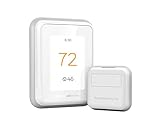
Overview: The Honeywell Home T9 is a comprehensive smart thermostat system bundling the main unit with one Smart Room Sensor, designed for multi-room comfort and energy efficiency. ENERGY STAR certified, it leverages remote control and automation to optimize home heating and cooling. What Makes It Stand Out: Its key differentiator is the included Smart Room Sensor, enabling precise temperature control in specific zones (like bedrooms) up to 200 ft away. Auto Home/Away geofencing and integration with utility demand response programs for potential rebates significantly enhance its energy-saving capabilities beyond basic scheduling. Value for Money: At a slightly higher price point than the base T9, the inclusion of a sensor (typically sold separately) offers tangible value. It justifies the cost through immediate multi-room functionality and potential energy bill reductions, especially when combined with utility rebates, making it cost-effective versus competitors requiring separate sensor purchases. Strengths and Weaknesses: Strengths: Seamless multi-room focus with included sensor; robust utility program integration; excellent sensor range; broad voice assistant compatibility. Weaknesses: Requires a C-wire (adapter may be needed); sensor battery life can vary; setup for utility programs may be complex for some users. Bottom Line: An excellent investment for homeowners seeking immediate, whole-home comfort optimization with strong energy-saving potential; the bundled sensor provides significant added value over the sensorless T9 model.
2. Honeywell Home T9 WIFI Smart Thermostat, Smart Room Sensor Ready, Touchscreen Display, Alexa and Google Assist
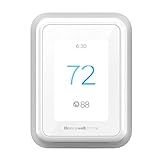
Overview: This Honeywell T9 variant offers core smart thermostat functionality without the included Smart Room Sensor, focusing on remote control, scheduling, and utility program integration for energy management in compatible HVAC systems. What Makes It Stand Out: It features Smart Response technology, which learns heating/cooling patterns to deliver desired temperatures precisely on schedule, alongside detailed Monthly Energy Reports. Compatibility with utility efficiency programs for seasonal rewards is a major energy-saving highlight, alongside robust geofencing for Auto Home/Away. Value for Money: Positioned as a more budget-friendly entry into the T9 ecosystem, its value hinges on future sensor purchases. While the core thermostat is competitively priced, the required separate sensor investment for multi-room comfort reduces its initial value proposition compared to the bundled T9 model, though utility rewards can offset costs over time. Strengths and Weaknesses: Strengths: Strong energy reporting and utility integration; reliable Smart Response learning; wide compatibility (forced air, heat pumps, hydronic); clear touchscreen. Weaknesses: Sensor sold separately (essential for key features); strict C-wire requirement; no built-in air quality monitoring; limited to basic system types (no baseboard heat). Bottom Line: A solid core smart thermostat for energy-conscious users, but prioritize the bundled T9 model if multi-room comfort is desired; best suited for those planning minimal sensor needs or already owning compatible sensors.
3. ecobee Smart Thermostat Premium with Smart Sensor and Air Quality Monitor - Programmable Wifi Thermostat - Works with Siri, Alexa, Google Assistant

Overview: The ecobee Premium is a feature-rich, ENERGY STAR certified thermostat bundling the main unit, one SmartSensor, and advanced air quality monitoring, targeting comprehensive home comfort, energy savings, and health awareness. What Makes It Stand Out: Its integrated air quality monitor (detecting VOCs, CO2, etc.) and filter change alerts are unique, providing actionable health insights beyond temperature control. The included SmartSensor, cinematic metal-display interface, radar-based occupancy sensing, and direct Siri/Apple HomeKit integration offer a premium, holistic smart home experience. Value for Money: Priced at a premium tier, it justifies cost through the bundled sensor, essential PEK power adapter, air quality tech, and superior materials. Saving up to 26% annually on HVAC costs and the included $50 sensor enhance value, making it competitive against similarly equipped rivals despite the higher sticker price. Strengths and Weaknesses: Strengths: Excellent air quality monitoring; premium build quality and display; radar occupancy sensing; includes PEK and sensor; strong Siri integration. Weaknesses: Higher initial cost; air quality features may be underutilized by some; ecobee app can be complex for beginners. Bottom Line: The top choice for users prioritizing indoor air health alongside smart comfort; the bundled accessories and unique monitoring deliver exceptional value for the price-conscious premium buyer.
4. EB-RSHM2PK-01 ecobee SmartSensor (Pack of 2), White with Brushed Steel Detachable Stands, Temperature and Occupancy Detection, Wirelessly Connects to All ecobee Devices, Freeze Detection

Overview: This pack provides two versatile ecobee SmartSensors, designed to extend the capabilities of any ecobee smart thermostat by adding remote temperature, occupancy, and freeze detection to multiple rooms throughout the home. What Makes It Stand Out: Magnetic, tool-free installation with elegant stands and self-adhesive options, coupled with reliable 60-foot wireless range through walls/floors, ensures effortless multi-room comfort. Occupancy detection drives significant energy savings by adjusting HVAC when rooms are empty, while freeze alerts provide crucial protection. Value for Money: Purchasing sensors in a 2-pack offers better value than buying individually. They transform a single-room thermostat into a whole-home system, maximizing the utility of an existing ecobee thermostat. The energy savings from occupancy-based scheduling and freeze protection offer a strong return on investment over time. Strengths and Weaknesses: Strengths: Simple, flexible mounting; effective occupancy and freeze detection; reliable wireless range; essential for true multi-room comfort; pack value. Weaknesses: Only compatible with ecobee thermostats; requires separate thermostat purchase; battery replacement needed periodically. Bottom Line: A necessary and highly cost-effective upgrade for any ecobee thermostat owner seeking room-by-room comfort control and energy savings; the 2-pack is the smart way to start.
5. Honeywell Home RCHTSENSOR-1PK, Smart Room Sensor works with T9/T10 WIFI Smart Thermostats

Overview: This single Honeywell Smart Room Sensor is designed exclusively to enhance compatible T9 and T10 series WiFi thermostats, adding remote temperature and occupancy sensing to specific rooms for improved comfort and efficiency. What Makes It Stand Out: Its seamless integration with T9/T10 thermostats allows automatic focus on occupied rooms or scheduled comfort in key areas (like bedrooms at night). The motion detection ensures HVAC effort follows occupants, while its compact design fits discreetly on included stands or walls. Value for Money: As a single sensor, it represents the entry point for expanding a T9/T10 system. While cost-effective per unit, purchasing multiple sensors individually becomes pricier than potential bundles. The value is clear for T9/T10 owners needing even one additional room monitored, directly enabling core multi-room features. Strengths and Weaknesses: Strengths: Essential for unlocking T9/T10 multi-room potential; easy setup and mounting; effective motion-based comfort focusing; reliable performance with compatible thermostats. Weaknesses: Only works with specific Honeywell models (T9/T10 Series 3/4); sold individually (less value than multi-packs); no freeze detection like ecobee’s sensor. Bottom Line: The mandatory purchase for Honeywell T9/T10 owners wanting room-specific comfort; buy in multiples if needed, but confirm compatibility strictly with your thermostat model first.
6. Provirtec Smart Thermostat for Home with Room Sensor, 7 Days Programmable, Energy Saving WiFi Thermostats for House,APP & Touchscreen Control, C Wire Required, 3.95 Inch Large Screen

Overview: The Provirtec Smart Thermostat is a budget-friendly Wi-Fi solution for homeowners seeking basic automation. Compatible with most 24V HVAC systems (gas, heat pumps, boilers), it features a 3.95-inch touchscreen, 7-day scheduling, and integrates with a separate room sensor for zoned comfort control. Requires a C-wire for installation.
What Makes It Stand Out: Its “One + One” monitoring system pairs with a smart thermo-hygrometer for real-time whole-home temperature tracking, while body-location detection optimizes sleep/home/away modes. The large screen and intuitive “traditional + smart” sliding touch interface cater to all ages. BT Mesh backup ensures local control during Wi-Fi outages.
Value for Money: Priced below premium brands, it delivers core smart features like remote app control and energy-saving automation. However, the room sensor isn’t included (sold separately), adding unexpected cost. Best for users prioritizing simplicity over advanced integrations.
Strengths and Weaknesses: Strengths: Wide HVAC compatibility; responsive touchscreen; reliable BT Mesh fallback; easy physical controls. Weaknesses: C-wire mandatory (excludes some older homes); room sensor sold separately; no voice assistant support; limited smart home ecosystem integration.
Bottom Line: A solid entry-level option for straightforward temperature management, but the add-on sensor requirement and lack of voice control reduce its appeal against more inclusive competitors. Ideal for tech-minimalist households.
7. Honeywell Home X8S Smart Thermostat with Room Sensor, Video Doorbell Compatibility, IAQ Control, and Customizable Touchscreen Display, White

Overview: The Honeywell X8S is a premium smart thermostat combining advanced climate control with home security integration. It includes a wireless room sensor, features a customizable 5-inch display, and supports HVAC systems with IAQ (indoor air quality) capabilities, though some IAQ functions require additional hardware.
What Makes It Stand Out: Unique doorbell camera compatibility (First Alert/Ring) lets you view and speak to visitors directly on the thermostat. Its IAQ control adjusts humidity and ventilation, while the 200ft-range room sensor enables room-priority scheduling (e.g., living room by day, bedrooms at night). Matter-certified for broad smart home interoperability.
Value for Money: Justified at its higher price point due to the bundled room sensor, security features, and robust IAQ management. Outperforms mid-tier models in versatility, though IAQ accessories incur extra costs. Best for those invested in Honeywell/First Alert ecosystems.
Strengths and Weaknesses: Strengths: Excellent room sensor range; seamless doorbell integration; vibrant customizable display; strong voice assistant support; Matter compatibility. Weaknesses: IAQ features need add-ons; setup complexity for beginners; display auto-brightness can be inconsistent.
Bottom Line: A top-tier choice for security-conscious users wanting holistic home management. The IAQ limitations are notable, but bundled extras and unique doorbell functionality make it a worthwhile investment.
8. Google Nest Temperature Sensor (2nd Gen) - Room Comfort Sensor with Scheduling - Works with The Nest Learning Thermostat (3rd and 4th Gen) and Nest Thermostat E - Porcelain, White

Overview: This compact sensor extends Nest thermostat functionality by monitoring temperatures in specific rooms to eliminate hot/cold spots. Designed exclusively for Nest ecosystems (Learning Thermostat 3rd/4th Gen or Thermostat E), it enables multi-room comfort customization via the Nest/Google Home app.
What Makes It Stand Out: Its 3-year battery life and flexible placement (wall/shelf) simplify installation without wiring. Prioritize one room’s temperature or average readings across six rooms (e.g., all bedrooms). Scheduling adjusts temps automatically per room—ideal for unevenly heated homes.
Value for Money: At its modest price, it solves a critical Nest limitation: single-point temperature reliance. Cheaper than competing multi-sensor systems, but only valuable if you own a compatible Nest thermostat. No standalone utility.
Strengths and Weaknesses: Strengths: Long battery life; effortless setup; intuitive room-priority scheduling; unobtrusive design. Weaknesses: Nest-exclusive (no third-party support); no display or manual controls; requires existing Nest thermostat (sold separately).
Bottom Line: Essential for Nest users battling inconsistent room temperatures. Affordable and effective within its niche, but irrelevant for non-Nest households. Maximizes value when paired with a compatible thermostat.
9. Honeywell Home X8S Smart Thermostat with Room Sensor, Video Doorbell Compatibility, IAQ Control, and Customizable Touchscreen Display, Black

Overview: Identical to Product #7 but in black, the Honeywell X8S offers premium climate and security integration. It includes a wireless room sensor, 5-inch customizable display, and IAQ management, targeting users seeking a sleek, unified smart home experience with robust HVAC compatibility.
What Makes It Stand Out: The standout feature remains doorbell camera integration (First Alert/Ring), allowing visitor intercom via the thermostat. Paired with its 200ft-range room sensor for dynamic room prioritization and Matter-certified interoperability, it bridges comfort and security seamlessly.
Value for Money: Matches Product #7’s value proposition: high upfront cost offset by bundled room sensor and unique doorbell utility. The black finish suits modern decors, but functionality is identical to the white model. Justifiable for security-focused buyers.
Strengths and Weaknesses: Strengths: Same as #7—excellent sensor range, doorbell intercom, customizable display; Matter/voice assistant support. Weaknesses: IAQ features require extra hardware; complex setup; display glare in bright rooms.
Bottom Line: Aesthetically distinct but functionally identical to #7. Choose based on color preference; otherwise, it’s equally recommended for users wanting integrated home security and climate control.
10. Google Nest Learning Thermostat (4th gen) + Nest Temperature Sensor (2nd gen) - Silver

Overview: This bundle pairs Google’s flagship 4th-gen Learning Thermostat with a second-gen temperature sensor. The thermostat learns schedules, supports most 24V systems (no C-wire needed for many homes), and integrates with the sensor to balance whole-home comfort via the Google Home app.
What Makes It Stand Out: The thermostat’s AI learns routines and requests permission via app notifications before adjusting schedules to save energy—a user-centric touch. The 60% larger display with Dynamic Farsight ensures readability, while the sensor tackles room-specific comfort without extra wiring.
Value for Money: Bundling the sensor saves ~$20 versus separate purchases. The thermostat’s self-installation (no C-wire), Matter compatibility, and learning capabilities justify its premium cost versus basic Wi-Fi models. Ideal for new Nest adopters.
Strengths and Weaknesses: Strengths: No C-wire needed; intuitive learning AI; excellent sensor integration; beautiful adaptive display; strong app/voice control. Weaknesses: Limited HVAC compatibility vs. Honeywell; sensor sold only in bundles; higher price than non-learning thermostats.
Bottom Line: The smartest all-in-one package for effortless, personalized comfort. Perfect for tech-savvy homeowners prioritizing ease of use and energy savings—worth the investment for a truly “set-and-forget” experience.
Understanding the Root Causes of Uneven Temperatures
Before diving into solutions, it’s essential to grasp why inconsistent temperatures occur. This knowledge directly informs the features you should seek in a smart thermostat system.
How Home Layout Impacts Temperature Distribution
The physical structure of your home plays a massive role. Multi-story homes naturally experience heat stratification, with warmer air accumulating on upper floors. Long, narrow layouts or rooms separated by multiple doors can create significant barriers to airflow. Basements often run cooler due to their earth-contact foundation, while south-facing rooms bake in winter sunlight. Recognizing these inherent challenges helps set realistic expectations for any thermostat solution.
The Role of HVAC System Design and Ductwork
Your heating and cooling system’s capabilities are fundamental. Older systems or those with poorly designed or leaky ductwork simply cannot deliver balanced airflow. Undersized systems struggle to condition larger spaces effectively, while oversized units short-cycle, failing to dehumidify properly and creating temperature swings. A smart thermostat can optimize within these constraints but cannot magically fix fundamental HVAC inadequacies.
External Factors and Daily Fluctuations
Sun exposure changes dramatically throughout the day and seasons, turning a room into a greenhouse one moment and a cooler the next. Open floor plans versus compartmentalized rooms respond very differently to external conditions. Even occupancy patterns matter – a room filled with people generates significant heat. Effective solutions must dynamically adapt to these ever-changing variables.
Core Smart Thermostat Features for Temperature Consistency
Not all smart thermostats are created equal when it comes to solving hot and cold spots. Specific capabilities are crucial for achieving balanced comfort.
Multi-Room Sensing and Remote Temperature Monitoring
This is arguably the most critical feature. Systems that utilize additional wireless room sensors placed in problem areas provide real-time temperature data beyond the main thermostat location. Instead of reacting solely to conditions near the thermostat (often in a hallway), the system averages inputs or prioritizes comfort in key living zones, actively working to minimize discrepancies between rooms.
Advanced Zoning Capabilities (HVAC Integration)
True zoning requires compatible HVAC hardware (like dampers in ductwork or multi-head mini-splits), but the smart thermostat is the brain. It allows you to divide your home into distinct zones (e.g., upstairs, downstairs, master suite) and set unique schedules and temperatures for each. This prevents conditioning unoccupied areas and directly targets heating/cooling where it’s needed most, eliminating the “one size fits all” approach.
Adaptive Learning and Intelligent Algorithms
Beyond simple scheduling, sophisticated thermostats learn your routines and preferences over time. More importantly for consistency, they incorporate weather forecasts, historical performance data, and real-time sensor feedback to anticipate temperature changes. This predictive capability allows the system to start heating or cooling earlier or later as needed to maintain steady comfort levels throughout your home, smoothing out fluctuations before you notice them.
Presence and Occupancy Detection
Using geofencing (via your smartphone’s location) or built-in motion sensors, these thermostats understand when the house is occupied, partially occupied, or empty. When you leave, it can adjust settings to an energy-saving mode but prioritize bringing key zones back to comfort before you arrive home. More subtly, it can detect which rooms are in use and subtly shift focus to maintain comfort there, reducing energy wasted conditioning unused spaces.
Evaluating Sensor Technology and Placement
The quality and strategic deployment of sensors make or break a system’s ability to resolve inconsistencies.
Types of Remote Sensors: Wired vs. Wireless
Wireless sensors offer maximum flexibility for placement in problem areas without running new wires, crucial for retrofitting existing homes. Consider battery life, signal range, and whether they measure humidity (important for perceived comfort). Wired sensors, while less common for add-ons, offer potentially more reliable data but require professional installation during HVAC work.
Strategic Sensor Placement for Optimal Results
Where you put sensors is as important as having them. Avoid placing them near direct sunlight, drafts from windows/doors, heat sources (lamps, TVs), or in unoccupied closets. Prioritize common living areas and known problem spots. For multi-story homes, ensure at least one sensor per level. The goal is to get representative readings of the actual living conditions where people spend time.
Humidity Monitoring and Integration
Temperature alone doesn’t tell the full comfort story. High humidity makes a room feel hotter; low humidity makes it feel cooler. Thermostats that monitor and factor in humidity levels (either via built-in sensors or compatible add-ons) can provide a more accurate picture of perceived comfort and adjust HVAC operation (like running the fan longer to dehumidify) to achieve true consistency.
Installation and Compatibility Considerations
Implementing a solution for inconsistent temperatures often has specific setup requirements.
Assessing Your Existing HVAC System Compatibility
Not every smart thermostat works with every furnace, air conditioner, or heat pump. Critical factors include the number of wires (C-wire availability for power), system type (e.g., heat pumps with auxiliary heat), and whether you have a multi-stage system. Systems aiming for zoning require compatible hardware – a standard single-zone thermostat cannot create zones. Thoroughly check compatibility lists before purchasing.
The Importance of Professional Installation for Complex Setups
While basic thermostat replacement might be DIY-friendly, systems involving zoning (dampers, zone controllers), multiple sensors, or complex HVAC setups almost always benefit from professional installation. Incorrect wiring or configuration can lead to system damage, poor performance, or safety hazards. A qualified technician ensures the system is integrated correctly to maximize its ability to balance temperatures.
Integration with Whole-Home Automation Ecosystems
Consider how the thermostat fits into your broader smart home. Seamless integration with voice assistants, other environmental sensors (like smart vents), or energy management systems can create a more holistic approach to comfort. For instance, smart vents can work in concert with the thermostat to further direct airflow to specific rooms based on sensor data.
Maximizing Energy Efficiency Alongside Comfort
Solving temperature inconsistency shouldn’t come at the cost of skyrocketing energy bills; the right approach enhances efficiency.
How Balanced Temperatures Reduce Energy Waste
When your system is constantly battling hot and cold spots, it runs longer and harder than necessary. By targeting conditioning only where and when needed (through zoning and occupancy awareness), and by preventing overshooting/undershooting temperatures through predictive algorithms, a well-configured smart thermostat significantly reduces runtime and energy consumption compared to a basic or poorly managed system.
Optimizing Schedules Based on Real Usage Patterns
Move beyond generic “away/home/sleep” schedules. Use the thermostat’s learning capabilities or manually set schedules reflecting actual occupancy patterns in different zones. If the kids’ rooms are only used in the evening, there’s no need to keep them at perfect temperature all day. This granular control prevents conditioning empty spaces, directly saving energy while improving comfort where it matters.
Utilizing Energy Reporting and Insights
Many advanced thermostats provide detailed reports on system runtime, energy usage estimates, and even alert you to potential HVAC issues (like a clogged filter). Monitoring this data helps you understand how your efforts to balance temperatures impact consumption and identifies further optimization opportunities, turning insights into actionable savings.
Setting Realistic Expectations and Long-Term Management
Achieving perfect uniformity isn’t always feasible or necessary; focus on meaningful improvement.
Understanding Physical Limitations of Your Home
Even the most advanced thermostat can’t overcome severe structural issues like massive uninsulated attics or completely blocked ductwork. Address major insulation gaps, seal duct leaks, and ensure your HVAC system is properly sized before relying solely on a thermostat for consistency. The thermostat optimizes within your home’s physical constraints.
The Ongoing Process of Calibration and Adjustment
Finding the perfect balance takes time. You’ll likely need to adjust sensor placements, tweak zone settings, or refine schedules as seasons change and you learn more about your home’s behavior. Treat the initial setup as a starting point, not a final solution. Regularly review comfort levels in different rooms and make small adjustments.
Leveraging Software Updates for Continuous Improvement
Manufacturers continuously refine their algorithms and add features through firmware updates. Ensure your thermostat is connected to Wi-Fi and set to update automatically. These updates often include improvements to temperature balancing logic, sensor integration, and energy-saving features, meaning your system’s ability to solve inconsistencies can actually get better over time.
Frequently Asked Questions
How can a smart thermostat actually fix cold spots if my furnace isn’t powerful enough?
A smart thermostat optimizes the distribution and timing of your existing system’s output but cannot increase its total heating or cooling capacity. It focuses energy where needed (via zoning/sensors) and runs more efficiently, which can alleviate mild inconsistencies. Significant capacity issues require HVAC system upgrades.
Do I need multiple thermostats for different floors to solve temperature differences?
Not necessarily. A single smart thermostat paired with strategically placed remote room sensors can effectively manage temperature differences between floors by averaging readings or prioritizing key zones, often eliminating the need for multiple main thermostats.
Are remote room sensors worth the extra cost for solving hot/cold spots?
Absolutely, for most homes experiencing inconsistency. Sensors provide the critical real-world data the thermostat needs to move beyond guessing based solely on its own location, making them one of the most valuable features for balanced comfort.
Can a smart thermostat help if my problem is poor ductwork?
It can help mitigate imbalances caused by duct issues by adjusting run times and using zoning (if dampers are installed), but it cannot fix leaks or design flaws in the ducts themselves. Sealing and insulating ducts is a prerequisite for optimal performance.
Will a smart thermostat work with my older HVAC system to improve consistency?
Compatibility is key. Many work with older systems, but features like advanced zoning or multi-stage control might be limited. Basic remote sensing and scheduling can still provide significant consistency improvements on older single-stage systems if compatible.
How long does it take to notice improved temperature consistency after installation?
You might see immediate improvements with basic scheduling. Achieving optimal balance with sensors and learning features often takes 1-2 weeks as the system gathers data on your home’s behavior and adjusts its algorithms accordingly.
Can smart vents replace the need for a smart thermostat with room sensors?
Smart vents (like those controlling individual registers) are complementary. They work with a smart thermostat to further direct airflow. A thermostat with room sensors provides the essential data and central control logic; smart vents add another layer of room-level adjustment.
Does humidity control really impact how evenly temperatures feel throughout the house?
Yes, significantly. High humidity in one room makes 72°F feel muggy and warmer, while low humidity elsewhere makes the same temperature feel cool. Thermostats monitoring humidity can adjust HVAC operation to create more consistent perceived comfort, even if the thermometer reads the same.
Are there specific installation pitfalls that worsen temperature inconsistency?
Yes. Placing the main thermostat in an ideal location (central hallway, away from drafts/sun) is crucial. Poorly placed remote sensors (near vents, windows, or in unused rooms) feed bad data, causing the system to overcompensate in the wrong areas. Professional placement is vital.
Can solving temperature inconsistency actually lower my energy bills?
Definitely. By eliminating the need to over-heat or over-cool the entire house to make problem rooms comfortable, and by reducing runtime through smarter scheduling and occupancy awareness, a well-configured system significantly cuts wasted energy, leading to lower bills alongside better comfort.
See Also
- 10 Smart Thermostats That Solve Uneven Room Temperatures in 2026
- How to Solve Inconsistent Heating with the 10 Best Multi-Room Thermostats in 2026
- Dual-Zone Smart Thermostats Explained: Customize Comfort Room-by-Room
- Solving Uneven Heating with Multi-Room Smart Thermostats: A 2026 Solution
- 10 Smart Thermostats That Solve Temperature Zoning Problems in 2026