Table of Contents
Your air conditioning unit silently battles the elements year-round, enduring scorching sun, driving rain, biting hail, and relentless wind. While it’s built tough, that constant assault takes a hidden toll, gradually degrading components and forcing the system to work harder—often leading to reduced efficiency, unexpected repairs, and a shorter lifespan. Many homeowners assume their outdoor unit is invincible, but without proper protection, even minor wear can snowball into major headaches. Premium covers aren’t just cosmetic add-ons; they’re strategic investments shielding your significant HVAC investment from avoidable environmental damage.
Beyond preventing physical dents and scratches, high-quality covers actively combat moisture buildup, corrosion, and debris intrusion—common culprits behind costly coil damage or electrical issues. Forget the outdated myth that covers “trap heat” and cause harm; modern, intelligently designed covers prioritize airflow and weather resistance without compromising safety. Choosing the right one means understanding that not all covers are created equal. A flimsy tarp might save a few dollars upfront but often fails when you need it most, while a thoughtfully engineered premium cover becomes a silent guardian, preserving performance and extending the life of your essential cooling system for years to come.
Top 10 Outdoor AC Unit Covers
Detailed Product Reviews
1. Central Air Conditioner Covers for Outside Units 36’’ x 36’’, AC Mesh Covers for Outside Unit, AC Unit Cover Outdoor Air Conditioner Condenser Hvac Heat Pump Cover Breathable Top Universal Defender

Overview:
This 36"x36" mesh cover protects outdoor AC units from debris, weather, and pests. Designed as a top-cover solution, it prioritizes ventilation while shielding condensers from leaves, snow, and animals, aiming to reduce maintenance and prolong system life.
What Makes It Stand Out:
Its breathable polyester mesh construction is the key differentiator, preventing moisture buildup—a common issue with solid covers that can cause rust. The integrated elastic ropes with metal hooks ensure wind-resistant installation without tools, while the universal size fits most standard units. Unlike waterproof alternatives, this mesh design actively promotes airflow.
Value for Money:
Priced competitively for mesh-specific protection, it offers better long-term value than cheaper solid covers that trap humidity. While solid covers might cost less upfront, this mesh version avoids potential corrosion damage, justifying its cost for seasonal use in humid climates.
Strengths and Weaknesses:
Strengths: Superior breathability prevents condensation; tear-resistant mesh withstands harsh weather; quick install with secure hooks; lightweight yet durable. Weaknesses: Mesh offers less protection against heavy snow accumulation compared to solid covers; size may not fit oversized units despite “universal” claims.
Bottom Line:
Ideal for homeowners in moderate climates seeking to prevent debris clogs and moisture-related damage. Its ventilation focus makes it a smart, cost-effective choice over non-breathable alternatives, though verify your unit’s dimensions first.
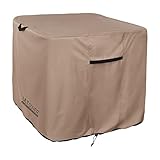
2. ULTCOVER Waterproof Square Air Conditioner Cover for Outside AC Units Size Upto 30W x 30D x 32H inch
Overview:
This structured square cover uses heavy-duty 600D polyester canvas with waterproof backing to shield AC units up to 30"x30"x32". It targets complete elemental defense against rain, hail, snow, and debris while maintaining a tailored appearance.
What Makes It Stand Out:
The rigid canvas construction with integrated air vents and side handles sets it apart. Unlike flimsy mesh or basic tarps, its structured design resists wind uplift and prevents water pooling. The plastic clips and elastic drawcord ensure a taut, secure fit even in storms, while vents reduce internal moisture.
Value for Money:
Offers premium protection at a mid-range price. The durable canvas justifies cost over flimsier vinyl covers, as it resists UV degradation and physical wear. While mesh covers are cheaper, this provides superior defense against heavy precipitation, making it worthwhile for harsh winters.
Strengths and Weaknesses:
Strengths: Excellent waterproofing; robust vents prevent wind ballooning; handles simplify removal; structured shape avoids unit contact. Weaknesses: Less breathable than mesh, risking condensation in humid climates; rigid material may crack in extreme cold; size limits exclude larger units.
Bottom Line:
A top pick for regions with heavy snow or rain, where waterproofing trumps ventilation. Its durability and secure fit deliver strong value, but avoid in consistently humid areas to prevent internal moisture issues.
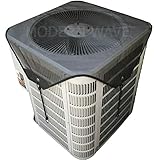
3. MODERN WAVE Central Air Conditioner Cover for Outside Units 36 x 36 - Top Universal Outdoor AC Cover Defender (Mesh, 36" x 36")
Overview:
This 36"x36" mesh cover focuses on simplicity and airflow, designed to fit standard outdoor AC units. It emphasizes rust prevention and ease of use with an open-mesh structure that combats debris accumulation and moisture retention.
What Makes It Stand Out:
The heavy-duty mesh material combined with four adjustable bungee cords ensures a snug, tool-free fit. Unlike solid covers, its open weave maximizes ventilation to prevent condensation—a critical feature for extending AC lifespan. The minimalist design also avoids complex hardware.
Value for Money:
Represents excellent value for mesh-specific protection. It’s more affordable than structured canvas covers while solving the core problem of moisture buildup. Cheaper non-breathable alternatives risk long-term damage, making this a cost-smart investment for routine seasonal coverage.
Strengths and Weaknesses:
Strengths: Unbeatable airflow reduces rust risk; bungee cords install in seconds; lightweight and easy to store; effective leaf/debris barrier. Weaknesses: Limited defense against heavy snow; mesh may snag on rough unit edges; universal size may gap on non-standard units.
Bottom Line:
Highly recommended for humid or leaf-prone areas where ventilation is paramount. Its simplicity, effectiveness, and affordability make it a standout mesh option, though measure carefully for optimal fit.
4. Xeeol 36x36 Central Air conditioner Covers for Outside, Larger Mesh AC Unit Covers Outdoor - Top Universal Defender

Overview:
This rust-resistant mesh cover (36"x36") uses thick resin material and stainless steel grommets for durability. It targets secure installation and airflow, protecting units from debris while withstanding extreme temperatures and strong winds.
What Makes It Stand Out:
The combination of rust-proof resin mesh, 20-inch stretchable bungee cords, and stainless steel grommets provides exceptional wind resistance. The rectangular-hole pattern optimizes breathability without sacrificing debris coverage—a refined balance missing in basic mesh designs.
Value for Money:
Offers premium durability at a fair price. The stainless components and thick mesh outlast cheaper polyester alternatives, reducing replacement frequency. While pricier than entry-level mesh covers, its longevity and secure fit deliver tangible savings over time.
Strengths and Weaknesses:
Strengths: Superior wind resistance via elastic hooks; rust-proof materials ensure longevity; excellent airflow; easy installation with grommet hooks. Weaknesses: Installation requires threading hooks through grommets (less intuitive than bungees); mesh holes may allow fine dust ingress; sizing inflexibility for non-standard units.
Bottom Line:
A robust choice for windy regions needing reliable, breathable coverage. The durable construction justifies the cost, but first-time users may prefer simpler bungee systems for effortless setup.
5. BROSYDA Central Large Air Conditioner Cover for Outside Units, Waterproof & Windproof Outdoor AC Units Cover Black (32"x32"x36" Inch)

Overview:
This 32"x32"x36" cover uses heavy-duty 420D silver-coated Oxford cloth for all-weather protection. It features Velcro duct access, air vents, and a drawstring base, targeting year-round defense against rain, snow, and UV damage.
What Makes It Stand Out:
The silver-coated interior and Velcro side openings accommodate external ducts—a rare, practical touch. The adjustable bottom drawstring and strategic air vents prevent wind-induced ballooning while maintaining dryness, outperforming generic waterproof covers.
Value for Money:
Priced at the premium end, it’s justified by specialized features. The duct-friendly Velcro and silver coating prevent overheating/condensation issues common in solid covers, reducing long-term maintenance costs. Cheaper alternatives lack this thoughtful engineering.
Strengths and Weaknesses:
Strengths: Unmatched waterproofing with silver UV protection; duct-compatible Velcro; vents prevent wind lift; includes storage bag; easy cleaning. Weaknesses: Less breathable than mesh, risking moisture in humid climates; bulky storage; precise sizing critical (no universal fit).
Bottom Line:
Best for ducted units in snowy/rainy climates needing maximum elemental defense. Its innovative features warrant the investment, but verify exact dimensions to avoid fit issues. Not ideal for humid environments.
6. COVERTIFY Central Air Conditioner Covers for Outside 36’’ X 36’’, Mesh AC Covers for Outside Unit, Breathable AC Conditioning Condenser Compressor Cover - Top Universal Defener for All Season

Overview: The COVERTIFY 36"x36" Mesh AC Cover is a seasonal protector designed for outdoor condenser units. Its primary focus is on breathability and year-round defense against environmental elements while prioritizing airflow. What Makes It Stand Out: Its patented diamond-shaped perforated resin mesh design is the key differentiator, ensuring superior airflow to prevent heat and moisture buildup—critical for avoiding internal rust. The inclusion of 16-inch elastic cords with stainless-steel grommets provides exceptional security and stretch, surpassing basic tie-downs. Universal sizing (26"-36") accommodates most units. Value for Money: Priced competitively, it offers excellent long-term value. The durable resin mesh resists cracking in extreme temperatures better than cheaper plastics, reducing replacement frequency. While solid covers are often cheaper upfront, this mesh design potentially lowers maintenance costs by mitigating condensation damage. Strengths and Weaknesses: Strengths: Unmatched airflow prevents moisture trapping; highly durable resin mesh; secure elastic/grommet system; effective debris/snow shield; universal sizing. Weaknesses: Mesh offers less direct rain/snow blockage than solid covers during heavy storms; partial sun protection only; requires precise unit measurement. Bottom Line: An outstanding choice for homeowners prioritizing internal unit health through ventilation. It excels at preventing rust-inducing condensation and securing the unit against debris, making it a smart, durable investment for year-round use, especially in humid climates.
7. Zettum Air Conditioner Cover for Outside Units 36 Inch - 600D Air Conditioning AC Covers Waterproof, Outdoor Winter Cover for Central AC Condenser, Swamp Cooler, Pool Heater, Heat Pump, HVAC and More

Overview: Zettum’s 36" cover is a heavy-duty, multi-purpose protector built for diverse outdoor units like AC condensers, heat pumps, and pool heaters using premium 600D waterproof Oxford fabric. What Makes It Stand Out: The 600D Oxford cloth with PU coating delivers superior waterproofing and durability compared to flimsy PVC alternatives, while remaining more environmentally friendly and breathable. The standout feature is its windproof smart buckle system with adjustable cords, ensuring an ultra-secure, wind-resistant fit. Rigorous UV testing confirms 3+ years of fade resistance. Value for Money: Justifies its price with robust construction. The thick, fade-resistant fabric and secure buckles promise longevity, outperforming cheaper covers that tear or fade quickly. Its versatility across multiple unit types (AC, swamp coolers, heaters) enhances its cost-effectiveness for households with various equipment. Strengths and Weaknesses: Strengths: Exceptional waterproofing and wind resistance; very durable, fade-resistant fabric; multi-unit compatibility; secure buckle system; eco-friendly PU coating. Weaknesses: Less breathable than mesh covers, risking minor condensation; PU coating, while better than PVC, still traps more moisture than mesh; buckles may stiffen in extreme cold. Bottom Line: Highly recommended for reliable, long-lasting winter and all-season protection where maximum weatherproofing is essential. Its strength and security make it ideal for harsh climates, though mesh alternatives are preferable if preventing internal moisture is the top priority.
8. Mesh Air Conditioner Cover for Outdoor Units - Breathable Winter AC Defender Prevents Rust & Condensation - Heavy Duty Netting Stops Pine Needles, Debris & Leaves - 36 in x 36 in (Black)

Overview: This 36"x36" black mesh cover prioritizes breathability to combat rust and condensation, specifically targeting debris like pine needles while ensuring essential airflow for outdoor AC units during off-seasons. What Makes It Stand Out: Its high-density mesh is engineered explicitly to minimize rust risk by allowing moisture evaporation and preventing dampness accumulation—unlike solid covers. It excels at filtering fine debris (pine needles, twigs) while enabling rain/snow drainage to avoid pooling and ice stress. The focus on airflow maintenance for internal dryness is its core innovation. Value for Money: Offers significant value for rust prevention. The durable netting material effectively blocks damaging debris without sacrificing ventilation, potentially extending unit life and reducing service needs. It’s a cost-effective solution compared to replacing corroded components, especially in pine-heavy areas. Strengths and Weaknesses: Strengths: Superior moisture evaporation prevents rust; excellent fine debris filtration; efficient drainage avoids water pooling; promotes continuous internal airflow; wind-resistant secure fit. Weaknesses: Minimal protection against heavy snow or direct downpours; less effective for sun fading than solid covers; specific sizing requires accurate measurement. Bottom Line: The top recommendation for preventing internal rust and condensation damage. Essential for humid regions or areas with abundant pine debris, it’s a vital, affordable safeguard for unit longevity, though solid covers are better for heavy precipitation shielding.
9. ULTCOVER Waterproof Square Air Conditioner Cover for Outside AC Units Size Upto 26W x 26D x 32H inch
Overview: The ULTCOVER is a structured, waterproof protector designed for smaller outdoor AC units (up to 26"x26"), utilizing 600D polyester canvas to shield against weather and debris while incorporating practical ventilation features. What Makes It Stand Out: Its structured design with integrated air vents is unique, promoting airflow to prevent cover ballooning and internal dampness—addressing a common flaw in solid covers. Side handles enhance usability, and plastic clips with elastic drawcords provide reliable high-wind security, ensuring full coverage without gaps. Value for Money: Provides solid value for its size category. The 600D material offers reliable waterproofing against rain, snow, and dust at a reasonable cost. The thoughtful venting and secure fit reduce the risk of wind damage or moisture issues seen in cheaper, non-vented alternatives, justifying the price for small-unit owners. Strengths and Weaknesses: Strengths: Effective waterproofing; structured vents prevent wind lift and moisture buildup; secure clips/drawcords; durable 600D fabric; handles aid handling. Weaknesses: Limited to smaller units (26"x26"); vents might allow minimal fine debris entry; less breathable than mesh covers for condensation prevention. Bottom Line: A dependable, well-designed cover for compact AC units needing robust weather protection. Its vented structure solves key reliability issues, making it a worthwhile purchase for small-unit owners seeking durability and security against the elements.
10. BROSYDA Central Large Air Conditioner Cover for Outside Units, Waterproof & Windproof Outdoor AC Units Cover Black (24"x24"x30" Inch)
Overview: BROSYDA’s 24"x24"x30" cover combines heavy-duty 420D silver-coated Oxford fabric with practical features like side vents and Velcro duct access, targeting comprehensive protection for mid-sized outdoor AC units. What Makes It Stand Out: The interior silver coating enhances UV resistance and thermal reflection, preventing shrinkage and offering superior sun protection. The Velcro side openings are a standout for accommodating external AC ducts without compromising fit. Air vents paired with a bottom drawstring effectively manage airflow and wind resistance simultaneously. Value for Money: Represents good value with premium features at a mid-range price. The durable, silver-coated 420D material ensures longevity against sun and weather, while the duct-friendly Velcro and smart venting add significant functional value over basic covers, reducing long-term hassles. Strengths and Weaknesses: Strengths: Excellent UV/sun protection from silver coating; Velcro duct access simplifies installation; effective vent/drawstring combo for airflow/wind security; easy to clean/store; tear-resistant fabric. Weaknesses: Smaller size range (24"x24"); silver coating may feel stiff initially; Velcro could attract lint over time. Bottom Line: Highly recommended for units with external ducts or in sunny climates. Its thoughtful design addresses common pain points, offering reliable, user-friendly protection that maintains unit appearance and function year-round.
Understanding the True Value of Premium AC Unit Protection
Investing in a top-tier cover goes far beyond simply draping fabric over metal. It’s about proactive system preservation. Standard, thin vinyl covers might offer minimal rain resistance but often deteriorate quickly under UV exposure, tear in high winds, or restrict vital airflow around the unit. Premium covers, however, integrate advanced engineering to address the specific vulnerabilities of outdoor HVAC equipment. They act as a first line of defense against the relentless cycle of weather extremes, reducing stress on critical components like the condenser coil and fan motor. This translates directly to more consistent cooling performance, fewer unexpected service calls, and ultimately, a better return on your initial HVAC investment by maximizing its operational lifespan.
Material Science: Beyond Basic Vinyl
The fabric choice is the cornerstone of any effective cover. Low-cost options frequently rely on thin PVC or polyethylene, which become brittle under UV radiation, crack in freezing temperatures, and offer little breathability. Premium solutions utilize high-performance textiles engineered for longevity and function.
Solution-Dyed Acrylic Fabrics
These premium textiles, often found in high-end outdoor furniture, offer exceptional resistance to fading, rot, and mildew. The color is embedded deep within the fiber during manufacturing, ensuring it won’t wash or wear out. They provide excellent UV protection while allowing minimal, controlled moisture vapor transmission, preventing the condensation traps common with non-breathable materials.
Reinforced Polyester Blends
Look for heavy-duty polyester fabrics treated with advanced UV inhibitors and water-repellent finishes. Premium versions incorporate reinforcements like scrim netting or laminated layers, significantly boosting tear strength and wind resistance without adding excessive weight. These blends strike a balance between durability, breathability, and cost-effectiveness for long-term protection.
Weather-Resistant Laminates
Some top-tier covers utilize multi-layer laminates combining a durable outer shell with a breathable inner membrane. This sophisticated construction sheds heavy rain and snow effectively while still permitting internal moisture (like residual condensation after shutdown) to escape slowly, preventing the damp, stagnant environment that breeds corrosion.
Frame-Supporting Materials
For covers incorporating rigid frames (essential for snow load), the material must be lightweight yet immensely strong. Aircraft-grade aluminum or reinforced composite polymers are common in premium designs. These materials resist corrosion, won’t warp under temperature swings, and provide the necessary structure to keep the cover elevated above critical components, ensuring unobstructed airflow even when covered.
Precision Sizing: Why “Close Enough” Isn’t Sufficient
A cover that doesn’t fit your specific unit model is almost as problematic as having no cover at all. Too loose, and wind can whip it around, potentially damaging fins or wiring. Too tight, and it stresses seams, creates pressure points, or restricts essential clearance around the unit for airflow and service access.
Measuring for Optimal Fit
Accurate measurement is non-negotiable. Go beyond just the unit’s width and depth; include the height to the top of the service panel or any prominent components. Measure the distance from the ground to the bottom of the unit if it’s on a pad. Note any protrusions like refrigerant lines or electrical conduits. Premium cover manufacturers provide detailed sizing charts requiring these specific dimensions for a reason.
Model-Specific Design Advantages
The highest tier of covers are engineered for exact models from major HVAC brands. This precision ensures cutouts align perfectly with service panels, louvered sides match the unit’s airflow patterns, and the cover contours smoothly over the top without gaps or excessive fabric bunching. This tailored fit maximizes protection and minimizes wind capture.
Accommodating Service Access
A well-designed premium cover incorporates features for practicality. Strategically placed Velcro panels, zippered access points, or easily removable sections over service valves allow technicians to perform routine maintenance or diagnostics without needing to fully remove the entire cover each time—a crucial detail often overlooked in generic options.
Structural Integrity: Engineering for Extreme Conditions
Your cover must withstand more than gentle spring showers; it needs to endure hurricane-force gusts, heavy wet snow accumulation, and the constant pull of gravity season after season. Premium construction addresses this through multiple integrated systems.
Reinforced Seams and Stitching
Weak seams are the Achilles’ heel of many covers. Look for covers using bonded seams (where fabric edges are fused together) combined with high-tenacity thread and multiple rows of stitching (like lockstitch or chainstitch). Bar tacks at high-stress points (corners, tie-down points) are essential for distributing load and preventing catastrophic tearing.
Rigorous Tie-Down Systems
Gone are the days of simple drawstrings. Premium covers feature robust, integrated tie-down solutions: heavy-duty webbing straps with corrosion-resistant buckles, reinforced grommets spaced frequently around the base, or even specialized anchor points designed to secure the cover directly to the unit’s mounting frame or concrete pad. This prevents dangerous “parachuting” in high winds.
Snow Load Management
In regions with significant snowfall, a flat cover is a disaster waiting to happen. Premium designs incorporate domed tops, rigid internal frames, or strategically angled panels that encourage snow to slide off naturally rather than accumulate to dangerous weights. The frame materials and connection points must be engineered specifically to handle this downward force without collapsing onto the unit.
UV and Weather Degradation Resistance
True premium materials don’t just resist water; they fight the sun’s damaging rays and temperature extremes. Look for fabrics with high UPF (Ultraviolet Protection Factor) ratings and treatments specifically designed to prevent the breakdown of polymers over time. This ensures the cover remains supple and protective for many seasons, not just one or two.
Functional Design Features Enhancing Performance
Beyond basic coverage, the best designs incorporate thoughtful elements that actively enhance protection and usability, moving far beyond a simple shroud.
Strategic Ventilation Integration
Contrary to old beliefs, controlled airflow is critical. Premium covers often feature discreet, weather-flapped vents or use inherently breathable fabrics in specific zones. This allows any internal moisture vapor (from residual heat or ambient humidity) to escape slowly, preventing condensation buildup inside the cover that could lead to rust on coils or electrical components—a common failure point with cheap, non-breathable tarps.
Debris Deflection Geometry
The shape matters. Angled tops and smoothly curved sides aren’t just aesthetic; they actively shed leaves, twigs, and light snow, preventing accumulation that could block airflow or create moisture traps. Some designs even incorporate slightly elevated skirts to prevent ground debris from being blown directly underneath.
Corrosion-Resistant Hardware
Every metal component—from grommets and buckles to frame connectors—must resist rust. Premium covers exclusively use stainless steel, anodized aluminum, or high-grade composite plastics for all hardware. Cheap zinc-plated or untreated steel hardware will corrode quickly, compromising the entire cover’s integrity and potentially staining your unit.
Serviceability and Maintenance Ease
Consider how easy it is to remove, clean, and store the cover. Premium designs often feature lightweight yet durable fabrics, ergonomic handles, and packaging that allows for compact storage during peak cooling months. Some even offer machine-washable components (always check care instructions), a significant advantage over covers that become permanently soiled.
Installation Best Practices for Maximum Effectiveness
Even the most expensive cover fails if installed incorrectly. Proper setup is critical for both safety and performance.
Pre-Installation Unit Check
Before covering, ensure the unit is clean and completely dry. Remove any leaves, twigs, or debris sitting on top or around the base. Verify there are no existing signs of damage, leaks, or critter nests. Covering a wet or dirty unit traps moisture and accelerates corrosion.
Securing to the Unit or Pad
Never rely solely on the cover’s weight or a loose drawstring. Utilize all provided tie-down points. Secure straps firmly to the unit’s structural frame (avoiding refrigerant lines or electrical components) or, preferably, anchor them directly to the concrete pad using appropriate fasteners like concrete screws or heavy-duty stakes. This prevents wind lift and shifting.
Maintaining Critical Clearance
Ensure the cover does not press down on the top grille or any service panels. There should be a small, consistent gap (usually 1-2 inches) between the cover and the unit’s upper surface. This space is vital for allowing any internal moisture to evaporate and preventing fabric abrasion on the unit’s casing.
Long-Term Care and Maintenance of Your Cover
A premium cover is an investment that requires minimal but essential upkeep to deliver its promised lifespan.
Seasonal Cleaning Protocols
Dirt and grime buildup can degrade fabric over time. Clean your cover periodically using mild soap, lukewarm water, and a soft brush. Avoid harsh chemicals, bleach, or pressure washers, which can strip protective coatings. Always allow the cover to dry completely before storing it for the season.
Off-Season Storage Solutions
Store the cover clean and bone-dry in a cool, dark, well-ventilated place like a garage or basement closet. Avoid folding it tightly for long periods; loosely rolling it is often better. Storing it damp or in direct sunlight (even in storage) significantly shortens its life. Some covers come with dedicated storage bags for protection.
Inspection for Wear and Tear
Before each covering season, thoroughly inspect the cover. Check seams for popped stitches, fabric for thinning or tears, straps for fraying, and hardware for corrosion or breakage. Address minor repairs promptly (many manufacturers offer repair kits) or replace the cover if damage is significant—don’t risk it failing during a storm.
Debunking Common Cover Misconceptions
Persistent myths often deter homeowners from using covers effectively. Understanding the facts is crucial.
The “Trapped Heat” Fallacy
The primary concern—that covers trap heat and damage the unit—is largely unfounded for properly designed covers used only during the off-season. AC units generate heat only when running. When shut off for winter, residual heat dissipates quickly. Premium covers with breathable elements or strategic ventilation prevent any minor residual moisture from becoming problematic condensation. Covers should never be used while the unit is operating.
Year-Round Coverage is Necessary
Covers are designed for dormant periods (typically fall, winter, and early spring). Using a cover during the cooling season traps operational heat, drastically reducing efficiency and potentially causing overheating and shutdowns. Their purpose is seasonal protection, not constant shrouding.
All Covers Offer Equal Protection
As this guide emphasizes, the difference between a $20 tarp and a $150+ engineered cover is immense. Thickness, breathability, UV resistance, structural design, and hardware quality vary wildly. Investing in quality means investing in actual, lasting protection, not just a temporary band-aid.
Evaluating Long-Term Cost vs. Benefit
While the upfront cost of a premium cover is higher, the value becomes clear when considering potential savings and peace of mind.
Preventing Costly Repairs
The most significant ROI comes from avoiding repairs. A damaged condenser coil from hail or debris intrusion can cost hundreds, even thousands, to fix. Corrosion caused by trapped moisture can lead to electrical component failure. A quality cover mitigates these specific, common risks, potentially saving multiple times its cost over the unit’s life.
Extending Overall System Lifespan
HVAC systems are major investments. Anything that reduces environmental stress—like constant sun degradation on plastic components or moisture-induced rust—helps the entire system last longer. Adding even 1-2 years to the life of a $5,000+ unit represents substantial value, far outweighing the cover’s price.
Preserving Efficiency
A clean, well-maintained condenser coil is crucial for efficiency. Covers prevent leaves, seeds, and dirt from clogging the fins during dormancy, meaning the unit starts the cooling season operating at peak capacity. This translates to lower energy bills right from the first hot day, a subtle but cumulative financial benefit.
Frequently Asked Questions
Do AC unit covers really prevent damage, or is it a waste of money?
Premium covers significantly reduce damage from hail, snow load, falling debris, and UV degradation. While not a guarantee against all issues, they prevent specific, common environmental damages that lead to expensive repairs, making them a worthwhile investment for most climates.
Can I leave my AC cover on while the unit is running?
Absolutely not. Covers must only be used when the system is completely shut down for the season. Leaving a cover on during operation traps heat, causing severe overheating, system shutdowns, and potential compressor damage.
How do I know if a cover is breathable enough to prevent condensation?
Look for covers specifically advertising breathability, made from solution-dyed acrylics or vented polyester blends. Avoid solid vinyl or plastic tarps. Premium covers often state their breathability rating or explain moisture management features on packaging.
Is it necessary to cover my AC unit in the winter if I live in a mild climate?
Yes, even in mild climates. Protection from wind-driven rain, occasional cold snaps, falling leaves, and nesting pests is still beneficial. Covers also prevent debris accumulation that hinders airflow when the unit restarts in spring.
Will a cover protect against rodents or insects getting inside the unit?
A properly fitted, premium cover with secure tie-downs significantly deters pests by blocking entry points. However, it’s not 100% rodent-proof. Combine cover use with ensuring the area around the unit is clean and free of nesting materials for best results.
How tight should the cover fit around my AC unit?
It should be snug but not stretched tight. There should be a small, consistent gap (about 1-2 inches) between the cover fabric and the top of the unit to allow for minimal air circulation and prevent abrasion. The cover must not obstruct service panels.
Do I need a cover with a frame, or are frameless options sufficient?
Frameless covers work well in areas with minimal snow. If you experience significant snowfall, a rigid frame is essential to support the weight and prevent the cover from collapsing onto the unit, which could cause damage and trap moisture.
Can I wash my AC unit cover?
Most premium fabric covers can be cleaned with mild soap, water, and a soft brush. Always check the manufacturer’s care instructions. Never use harsh chemicals or a pressure washer. Ensure the cover is completely dry before storing it.
How often should I replace my AC unit cover?
A high-quality cover, properly maintained and stored, should last 5-10 years. Inspect it annually for thinning fabric, seam damage, broken straps, or corroded hardware. Replace it immediately if significant wear is found to maintain protection.
Are custom-fit covers worth the extra cost compared to universal sizes?
Yes, for optimal protection and longevity. Custom-fit covers designed for your specific unit model ensure perfect alignment with service panels, proper contouring, and secure fitment without gaps or excess fabric, maximizing both protection and ease of use.
See Also
- 10 Best Value Outdoor AC Unit Covers for Durability in 2026
- 10 Premium Single Zone Mini Split AC Units (Worth the Investment)
- We Tested 50 Outdoor AC Unit Covers - Here are the 10 Best for Winterizing Your System
- 10 Premium Room Air Conditioner Covers (Worth the Investment) in 2026
- 10 Must-Have Outdoor AC Unit Covers for Winterizing in 2026