Table of Contents
As summer temperatures continue to break records year after year, window air conditioners remain the go-to cooling solution for millions of apartments and homes without central HVAC systems. Yet beneath the refreshing blast of cold air lies a serious safety hazard that most homeowners never consider—improperly secured units can plummet from windows, causing catastrophic damage to property and posing life-threatening risks to pedestrians below. The statistics are sobering, with hundreds of reported incidents annually that could have been prevented with proper support systems.
The good news is that modern engineering has revolutionized window AC safety far beyond the flimsy manufacturer-provided brackets of the past. Today’s support systems incorporate advanced materials, smart design features, and rigorous testing standards that can keep your unit securely in place through severe weather, accidental bumps, and years of vibration. This comprehensive guide will walk you through everything you need to know about selecting, installing, and maintaining professional-grade window AC supports that prioritize safety without sacrificing convenience or aesthetics.
Top 10 Window AC Supports
Detailed Product Reviews
1. Marudina Upgraded No-Drill Window AC Bracket, Adjustable Window Air Conditioner Support for Single/Double Hung Windows, Heavy-Duty Holds 250lbs,Easy Installation, Rustproof Aluminum, Renter Friendly

Overview: The Marudina Upgraded No-Drill Window AC Bracket is a premium support solution designed for renters and homeowners who need heavy-duty performance without permanent modifications. Supporting up to 250 pounds, this aluminum bracket accommodates single and double-hung windows with sills ranging from 28.9 to 45.4 inches, making it ideal for large air conditioning units in apartments or historic properties where drilling is prohibited.
What Makes It Stand Out: This bracket’s tool-free installation is its crown jewel—snap-on legs with anti-slip rubber pads eliminate drilling entirely, protecting your security deposit and window integrity. The dual-arm support system distributes weight twice as effectively as standard brackets, while the 360° anti-slip grip increases friction by 250% for storm-proof stability. Built-in graduated lines and one-handed latch adjustments make leveling precise and senior-friendly, even for those with limited DIY experience.
Value for Money: While priced at a premium compared to basic drill-mounted options, the Marudina justifies its cost by eliminating repair expenses and landlord disputes. For renters or those in heritage buildings, it’s a financial safeguard. Heavy-duty aluminum construction ensures decades of use across multiple moves, outperforming cheaper steel alternatives that may rust in humid climates. The time saved on professional installation alone recoups much of the investment.
Strengths and Weaknesses: Pros: No-drill design protects property; exceptional 250lb capacity; rustproof aluminum alloy; storm-proof stability; renter-friendly tool-free installation; precise leveling system.
Cons: Premium price point; may not fit non-standard or very narrow windows; anti-slip pads require periodic inspection for wear; heavier than some aluminum competitors.
Bottom Line: This is the gold standard for renters and heavy AC units. If you need maximum support without permanent damage, the Marudina bracket is worth every penny.
2. JEACENT AC Window Air Conditioner Support Bracket Heavy Duty, Up to 165 lbs

Overview: The JEACENT bracket offers a patented indoor-installation solution for window AC units up to 165 pounds. Designed for homeowners comfortable with minor drilling, this bracket transfers weight from the window sill to the frame, preventing structural stress. It accommodates wall thicknesses from 2 to 15.2 inches, making it versatile for most standard windows, though it excludes casement and sliding window types that lack proper sill depth.
What Makes It Stand Out: Its patented universal design and interior-only installation eliminate the need for exterior ladder work, a major safety advantage for multi-story homes. The integrated bubble level ensures perfect mounting slope without separate tools, while the stress-transfer engineering prevents long-term window damage. The extensive wall thickness compatibility surpasses most competitors, fitting everything from thin vinyl to deep wooden sills. The comprehensive user instructions and troubleshooting guide demonstrate manufacturer support commitment.
Value for Money: Priced in the mid-range, the JEACENT offers excellent value for permanent installations. The included bubble level and hardware kit save separate purchases. While cheaper than no-drill alternatives, it requires drilling—a trade-off for long-term stability. For homeowners, it’s a one-time investment that protects window integrity and eliminates annual reinstallation hassles. The patent backing suggests proven engineering that justifies the cost over generic brackets.
Strengths and Weaknesses: Pros: Patented design; indoor installation enhances safety; wide wall thickness range (2"-15.2"); built-in bubble level; relieves window stress effectively; detailed documentation.
Cons: Requires drilling into sill; not compatible with casement windows; complex installation requirements may intimidate novices; 165lb capacity less than premium options; screws may not suit all sill materials.
Bottom Line: Ideal for homeowners seeking a secure, permanent solution. If you’re comfortable with drilling and have standard windows, this bracket delivers reliable performance and long-term peace of mind.
3. AnyMount Air Conditioner Support Bracket for Outdoor Window AC, Supports Units Up to 10,000 BTU & 88 Lbs., Heavy Duty Mount Suitable for Most Windows, KT-04S

Overview: The AnyMount KT-04S is a compact, lightweight bracket designed for small to medium window AC units up to 10,000 BTU or 88 pounds. Measuring just 12.4" x 9.4", this bracket mounts on surfaces up to 10.4 inches from the wall, offering a simple solution for budget-conscious consumers with lighter cooling needs. Its minimal footprint makes it ideal for apartments where space is at a premium and storage is limited.
What Makes It Stand Out: Its universal design accommodates most small window units while remaining incredibly lightweight at only 1.89 pounds, making it easy to handle during installation. The adjustable arm height (4.5"-6.6") provides flexibility for various window configurations, and the built-in bubble level ensures straightforward installation without guesswork. The included hardware kit eliminates extra shopping trips, and its outdoor-rated construction suits exterior mounting in most climates.
Value for Money: This is one of the most affordable brackets on the market, perfect for renters or those with smaller AC units. While its 88-pound capacity limits compatibility, the price-to-performance ratio is excellent for its target segment. It lacks the heavy-duty credentials of pricier models but delivers exactly what lightweight applications require. The cost savings could be spent on higher-efficiency AC units instead of mounting hardware.
Strengths and Weaknesses: Pros: Extremely affordable; lightweight and portable; includes all hardware; built-in bubble level; adjustable height; suitable for outdoor use.
Cons: Limited 88lb capacity; not suitable for large AC units; smaller support surface may stress bigger units; less durable than full-metal alternatives; limited window size compatibility.
Bottom Line: A no-frills champion for small AC units. If your cooling needs are modest and your budget tight, this bracket delivers reliable support without overengineering. Perfect for secondary bedrooms or home offices.
4. DuctlessAire DA-80 Wall Mount Support Bracket - Heavy Duty Air Conditioner Support Brackets - Air Conditioner Window Unit, Mini Split, HVAC Brackets - Outdoor Wall Mounted Window AC Bracket (80 lbs)
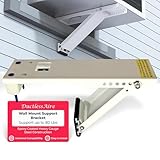
Overview: The DuctlessAire DA-80 is a versatile outdoor bracket engineered for multiple HVAC applications, including window AC units, mini-splits, and heat pumps. Constructed from heavy-gauge epoxy-coated steel, it supports up to 80 pounds and is specifically designed for exterior wall mounting, providing a stable foundation for various equipment in both residential and commercial settings.
What Makes It Stand Out: Its universal design adapts to window units, condensers, disconnect switches, and mini-split compressors, making it a multi-purpose HVAC solution. The heavy-gauge steel construction with epoxy coating withstands harsh outdoor conditions including rain, snow, and UV exposure. Adjustable mounting features and an integrated bubble level ensure precise installation on uneven exterior walls. This versatility eliminates the need for multiple specialized brackets.
Value for Money: Mid-range pricing reflects its versatility and outdoor durability. While overkill for simple window AC installations, it’s invaluable for mini-split condensers or multi-equipment setups. The epoxy coating prevents rust, extending lifespan compared to raw steel brackets. DIY enthusiasts save on professional installation costs that could run $200-400. For mini-split owners, it’s an essential component that protects expensive equipment from ground-level damage and theft.
Strengths and Weaknesses: Pros: Universal HVAC compatibility; weather-resistant epoxy coating; adjustable design; integrated bubble level; suitable for commercial use; supports various equipment types.
Cons: 80lb capacity limits larger window units; requires exterior wall mounting; more complex than window-specific brackets; may need additional hardware for certain applications; not ideal for renters.
Bottom Line: Perfect for mini-split owners and outdoor HVAC installations. For standard window ACs, consider a window-specific bracket instead. This is a specialist tool for specific needs.
5. Ivation Air Conditioner Support Bracket, No Tools or Drilling Required - Easy to Install Window AC Mount - Heavy Duty Steel, Holds Up to 200lbs - Fits Single Or Double Hung Windows 19.25H by 17.25L

Overview: The Ivation bracket combines heavy-duty steel construction with completely tool-free installation, supporting up to 200 pounds without drilling. Expanding from 24 to 38 inches, it fits most single or double-hung windows with exterior wall thicknesses of 4 to 11 inches, offering a powerful renter-friendly alternative to permanent mounts that could jeopardize security deposits.
What Makes It Stand Out: True to its promise, this bracket installs in minutes from inside your home with no ladders, tools, or hardware required. The premium epoxy-coated steel plate provides durability that rivals aluminum options, while integrated rubberized feet and extension beams deliver enhanced stability. Its tool-free assembly system uses locking mechanisms that snap together intuitively, making it accessible even for those with limited hand strength or technical skills.
Value for Money: Positioned as a premium no-drill option, the Ivation justifies its price through genuine heavy-duty capacity and true tool-free convenience. While slightly less adjustable than the Marudina, its steel construction offers different durability benefits and a lower price point. For renters with substantial AC units, it eliminates potential damage costs that could far exceed the bracket’s price. The time saved on installation also has measurable value.
Strengths and Weaknesses: Pros: Completely tool-free installation; heavy-duty 200lb capacity; durable steel construction; installs from inside; no drilling required; quick assembly.
Cons: Limited 24"-38" expansion range; heavier than aluminum brackets; rubber feet require periodic maintenance; steel may eventually rust if coating fails; less precise leveling than some competitors.
Bottom Line: An exceptional choice for renters needing heavy support without permanent changes. If you want maximum capacity with zero drilling and minimal hassle, this bracket delivers outstanding value and performance.
6. JEACENT AC Window Air Conditioner Support Bracket Light Duty, Up to 85 lbs
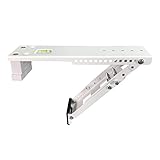
Overview: The JEACENT Light Duty AC Support Bracket offers a straightforward solution for smaller window air conditioners up to 85 pounds. Designed for indoor installation, this bracket eliminates the need for exterior work, making it an accessible option for DIY homeowners. Its universal design adapts to most window configurations, provided your window meets the specified requirements.
What Makes It Stand Out: The integrated bubble level is a standout feature, ensuring correct slope positioning during installation—a detail often overlooked in basic brackets. The bracket transfers weight from the window sill and sash to the support and frame, enhancing safety and preventing structural damage. With compatibility for wall thicknesses ranging from 2 to 11 inches, it accommodates a wide variety of window constructions.
Value for Money: Positioned as a light-duty option, this bracket typically costs less than heavy-duty alternatives, making it economical for renters or those with smaller AC units. The inclusion of all necessary hardware and weather-resistant construction adds value, eliminating hidden costs and ensuring longevity.
Strengths and Weaknesses: Strengths include the bubble level for proper installation, indoor-only setup for safety, comprehensive hardware package, and wide wall thickness compatibility. Weaknesses are the 85-pound weight limit, which excludes many mid-size and larger units, and the requirement for drilling into the window sill—less convenient than no-drill alternatives. The patent designation suggests thoughtful engineering, but the lower capacity may limit its appeal.
Bottom Line: Ideal for lightweight air conditioners where drilling is acceptable, the JEACENT Light Duty bracket delivers reliable support with user-friendly features at an affordable price point.
7. A/C Safe AC-160 Universal Heavy Duty Window Air Conditioner Support
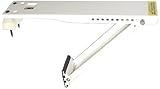
Overview: The A/C Safe AC-160 Universal Heavy Duty Support Bracket provides robust reinforcement for window air conditioners weighing up to 160 pounds. Engineered with professional-grade materials, this bracket addresses the critical need for distributing AC weight away from delicate window components and onto the structural frame.
What Makes It Stand Out: Constructed from heavy-gauge, epoxy-coated steel, the AC-160 offers exceptional durability and corrosion resistance. The use of stainless steel hardware ensures components won’t rust or degrade over time, maintaining structural integrity through seasons of weather exposure. Its design specifically targets walls 4 to 11 inches thick, covering standard residential construction.
Value for Money: This bracket sits in the mid-range price category, justified by its heavy-duty construction and 160-pound capacity. While cheaper than premium no-drill options, it provides professional-grade support that can outlast basic models, making it cost-effective for homeowners planning long-term AC use.
Strengths and Weaknesses: Strengths include superior steel construction, generous weight capacity for most residential units, stress-relieving design, and durable stainless hardware. The 4-inch minimum wall thickness may exclude some older or thinner-walled windows, and the lack of a built-in leveling feature requires careful measurement during installation. Drilling is mandatory, which may deter renters.
Bottom Line: A dependable workhorse for medium to heavy window AC units, the AC-160 delivers lasting durability and peace of mind for homeowners willing to drill for permanent, secure installation.
8. No Drilling Air Conditioner Support Bracket, Adjustable Window AC Bracket Fits Single & Double-Hung Windows, Heavy Duty Steel Holds Up to 220lbs for 5000-24000 BTU Units
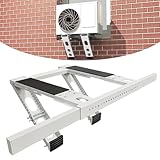
Overview: This No Drilling Air Conditioner Support Bracket revolutionizes AC installation by eliminating the need for permanent modifications to your home. Supporting up to 220 pounds, it accommodates a wide range of window units from 5,000 to 24,000 BTU, making it suitable for most residential cooling needs.
What Makes It Stand Out: The tool-free installation process is the headline feature, perfect for renters or anyone avoiding structural damage. Heavy-duty steel construction with a corrosion-resistant finish ensures durability, while anti-slip pads and a reinforced triangular structure provide exceptional stability. The adjustable length from 31.5 to 41.7 inches offers versatility across various window widths.
Value for Money: While priced higher than basic drilled brackets, the no-drill convenience and 220-pound capacity justify the premium. The ability to remove it without trace damage preserves security deposits and maintains window integrity, offering intangible value for temporary living situations and property preservation.
Strengths and Weaknesses: Strengths include completely drill-free setup, high weight capacity, anti-slip safety features, wide adjustability, and compatibility with both single and double-hung windows. Weaknesses may include a potentially complex initial adjustment process and the need to ensure precise fit to prevent any possible movement. The brand recognition is lower than established competitors.
Bottom Line: An excellent choice for renters or homeowners prioritizing damage-free installation, this bracket combines heavy-duty support with unparalleled convenience, though careful adjustment is essential for optimal performance and safety.
9. Jeacent Universal Window Air Conditioner Support Bracket No Drilling ,No Tools, Heavy-Duty Window AC Bracket Supports Up to 200lbs, Fits Single or Double Hung Windows
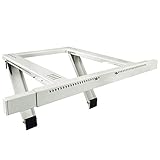
Overview: Jeacent’s Universal No Drilling Support Bracket delivers impressive 200-pound capacity without requiring tools or permanent modifications. Specifically designed for single and double-hung windows ranging from 22 to 38 inches, it offers a streamlined solution for secure AC installation with minimal effort.
What Makes It Stand Out: The completely hardware-free design sets this apart—no drills, screws, or fasteners needed. Installation occurs entirely from inside the home, enhancing safety and convenience. Integrated rubberized feet provide stability while protecting window surfaces, and the premium steel plate with epoxy coating resists rust and rot effectively. The patented design (US10295221) demonstrates innovative engineering focused on simplicity.
Value for Money: This bracket offers strong value for those seeking maximum convenience without sacrificing capacity. The 200-pound limit handles most residential units, and the tool-free approach saves time and prevents property damage, making it particularly valuable for apartment dwellers and temporary installations.
Strengths and Weaknesses: Strengths include true no-tool installation, solid weight capacity, protective rubber feet, weather-resistant construction, and patented design. Weaknesses include a narrower window width range (22"-38") than some competitors, potentially limiting compatibility. The 200-pound capacity, while substantial, falls short of the heaviest-duty options available today. No built-in level means careful manual alignment is necessary.
Bottom Line: Perfect for renters and DIY novices, this Jeacent bracket excels in convenience and adequate capacity, though verifying window dimensions beforehand is absolutely crucial for proper fit and safe operation.
10. CAT SO RICH No-Drill Window AC Bracket, Adjustable Support for Single/Double Hung Windows, Heavy Duty Epoxy-Coated Steel Holds 300lbs, Easy Installation

Overview: The CAT SO RICH No-Drill Window AC Bracket claims the highest weight capacity in its class at 300 pounds, supporting units from 5,000 to 24,000 BTU without requiring a single hole in your walls. Designed for single and double-hung windows, it combines brute strength with remarkable installation simplicity.
What Makes It Stand Out: The 300-pound capacity exceeds most competitors, accommodating even the largest residential window units. An exclusive bubble level ensures proper slope positioning—a rare feature in no-drill designs. The bracket expands from 32 to 42 inches and fits wall thicknesses from 3 to 11 inches, offering broad compatibility. Non-slip rubber pads reduce noise and prevent sliding, while the company’s proactive customer service approach adds confidence.
Value for Money: As a premium no-drill option, this bracket commands a higher price, but the exceptional capacity and included leveling tool justify the investment for those with heavy units or seeking maximum safety margins.
Strengths and Weaknesses: Strengths include industry-leading weight capacity, bubble level inclusion, true no-drill installation, wide adjustability, and enhanced safety features. Weaknesses include a 16-inch minimum window width that may exclude some applications, and incompatibility with hollow aluminum sills. The extreme capacity may be unnecessary for average users with smaller units.
Bottom Line: For those needing maximum support without drilling, this bracket is unmatched in capacity and features, making it ideal for heavy units and safety-conscious users who meet the window width requirements.
Understanding the Risks of Improperly Supported Window AC Units
Why Window AC Units Pose a Falling Hazard
Window air conditioners operate under constant stress—vibrating motors, shifting weight distribution, and exposure to extreme temperature fluctuations create a perfect storm for structural fatigue. Most factory-installed brackets are designed for temporary support during installation, not long-term security. The unit’s center of gravity sits precariously beyond the window sill, creating a lever effect that multiplies force on mounting points. Without robust external reinforcement, even minor frame deterioration or loose screws can trigger a sudden failure.
Common Causes of Window AC Accidents
The majority of window AC falls stem from predictable issues that develop over time. Moisture infiltration causes wooden window frames to rot, while metal frames corrode and weaken. Vibration gradually loosens fasteners, and thermal expansion and contraction cycles stress mounting hardware daily. Many accidents occur during seasonal removal or installation when units are handled improperly. Additionally, inadequate weight distribution places excessive load on the window sash, which wasn’t designed to support hundreds of pounds of cantilevered weight.
The Importance of Professional-Grade Support Systems
Professional-grade supports distribute weight across multiple load-bearing points, transferring stress from the window frame to the building’s structural elements. These systems undergo independent laboratory testing for weight capacity, wind resistance, and durability. Unlike basic brackets, premium supports feature redundant safety mechanisms—if one component fails, backup systems prevent catastrophic collapse. Investing in commercial-quality hardware provides peace of mind that extends far beyond the initial purchase price.
Key Features to Look for in Window AC Support Systems
Weight Capacity Ratings Explained
Always select a support system rated for at least 150% of your unit’s actual weight. This safety margin accounts for dynamic loads from vibration, wind, and occasional leaning or bumping. Manufacturers typically list static weight capacity, but dynamic loads can exceed static weight by 30-50% during operation. Check for independent certification from organizations like ANSI or OSHA, which verify that capacity ratings have been tested under realistic conditions rather than theoretical calculations.
Material Durability and Weather Resistance
The best support systems combine powder-coated steel for structural components with stainless steel hardware. Powder coating provides superior corrosion resistance compared to standard paint, while stainless steel fasteners resist rust that could compromise structural integrity. Avoid aluminum supports for units over 8,000 BTU—while lightweight, aluminum lacks the tensile strength of steel and can fatigue crack under cyclical loading. For coastal environments, marine-grade 316 stainless steel offers maximum protection against salt air corrosion.
Adjustable Width and Height Mechanisms
Every window installation presents unique challenges—varying sill depths, wall thicknesses, and frame materials require adaptable solutions. Look for supports with tool-free micro-adjustment capabilities that allow fine-tuning after the unit is placed. Telescoping arms should lock securely with dual-pin or bolt-through mechanisms rather than simple set screws that can vibrate loose. Height adjustability proves crucial for maintaining proper drainage slope while ensuring the unit sits level side-to-side.
Anti-Vibration Technology Benefits
Advanced support systems incorporate vibration-dampening features that extend both the AC unit’s lifespan and the support’s integrity. Rubber isolation pads or neoprene washers between metal components prevent the transmission of vibrations into the building structure, reducing noise while minimizing the loosening of fasteners. Some premium systems feature spring-loaded tension arms that absorb dynamic loads, preventing stress concentration at mounting points during compressor startup cycles.
Types of Window AC Support Brackets
Interior L-Bracket Systems
Interior L-brackets mount to the window sill and interior wall, creating a cantilevered support arm that extends under the AC unit. These systems work best for standard double-hung windows with solid wood or metal frames. The primary advantage lies in their accessibility for inspection and adjustment without exterior ladder work. However, they require drilling into interior trim and walls, which may not suit rental properties. Modern L-brackets feature telescoping arms and multiple mounting holes to accommodate various sill depths and stud locations.
Exterior Support Brackets
Exterior brackets bolt to the building’s exterior wall, providing independent support that doesn’t rely on window frame integrity. These systems excel for older buildings with deteriorated window frames or for heavy units exceeding 12,000 BTU. Installation requires accessing the exterior wall, often necessitating professional help for multi-story buildings. Look for models with adjustable pitch to ensure proper water drainage away from the building envelope, preventing moisture damage to siding and sheathing.
Hybrid Combination Supports
Hybrid systems combine interior and exterior components for maximum security, creating redundant load paths that protect against single-point failures. An interior L-bracket handles primary weight distribution while exterior arms prevent tipping and provide secondary support. These systems adapt to virtually any window type and offer the highest safety margins. The trade-off involves more complex installation and higher cost, but the unparalleled security justifies the investment for large units or high-traffic areas below.
No-Drill Tension Rod Options
For renters or historic buildings where drilling is prohibited, tension rod systems use expandable bars that press against the window frame’s interior sides. While convenient, these systems have significantly lower weight ratings—typically supporting only units under 6,000 BTU. They rely entirely on friction and require frequent retightening as temperature changes cause materials to expand and contract. Never use tension-only supports for upper-floor installations or high-traffic pedestrian areas, as sudden failure remains a real risk.
Installation Considerations for Maximum Safety
Evaluating Your Window Frame Structure
Before purchasing any support system, thoroughly inspect your window frame’s condition. Probe wooden frames with an awl to detect hidden rot, and check metal frames for rust or separation from surrounding structure. Measure the distance between interior and exterior wall surfaces to ensure bracket arms can span the gap. For vinyl-clad windows, verify that the support’s mounting hardware won’t crush or distort the vinyl channels, which could compromise the window’s weather sealing.
Proper Weight Distribution Principles
The ideal support system transfers 60% of the unit’s weight to the exterior support arms and 40% to the interior sill, preventing overload of any single component. The unit should sit with its center of gravity directly above the window sill’s interior edge, not extending beyond it. Use a carpenter’s level to verify both side-to-side and front-to-back levelness—improper pitch causes water to pool inside the unit or drain incorrectly, while side tilt stresses the compressor and reduces efficiency.
Essential Tools for Secure Installation
Beyond basic hand tools, professional installation requires a stud finder to locate wall framing, a torque wrench to ensure fasteners are tightened to manufacturer specifications without overtightening, and a level with magnetic edges for hands-free operation. A right-angle drill attachment proves invaluable for drilling pilot holes in tight spaces between the AC unit and window frame. Keep a tube of silicone sealant on hand to waterproof any new penetrations in exterior walls or window frames.
When to Hire a Professional Installer
Multi-story installations, units exceeding 100 pounds, or buildings with masonry, stucco, or EIFS exteriors demand professional expertise. Certified installers carry liability insurance and understand local building codes regarding fall protection and proper fastening into various substrates. The cost typically ranges from $150-400 but ensures correct installation and preserves manufacturer warranties. Professional installation becomes mandatory in many jurisdictions for units installed above the second floor or in commercial buildings.
Advanced Safety Features in Modern Support Systems
Locking Mechanisms and Anti-Slip Surfaces
Premium supports feature multiple locking pins or bolts at each adjustment point, preventing slippage under load. Look for serrated contact surfaces that bite into the unit’s base and window sill, creating mechanical interlock rather than relying solely on friction. Some systems include secondary safety chains or cables that engage if primary supports fail, providing critical backup protection. Anti-slip pads should be made from high-durometer rubber that won’t compress permanently or degrade in UV exposure.
Corrosion-Resistant Coatings
Beyond powder coating, advanced supports use zinc-rich primers and galvanized hardware for sacrificial corrosion protection. In harsh environments, some manufacturers offer optional stainless steel upgrade kits for all fasteners and adjustment components. Inspect coatings for uniform coverage without thin spots or missed edges—corrosion typically begins at coating defects. The best systems undergo salt spray testing for 1,000+ hours, simulating decades of coastal exposure.
Emergency Backup Support Chains
High-end systems incorporate stainless steel safety chains or aircraft-grade cables that connect the AC unit to interior wall anchors. These secondary restraints engage only if primary supports experience catastrophic failure, preventing the unit from falling completely. While not designed for continuous load bearing, backup systems must support the full static weight of the unit plus a 50% dynamic load factor. Install these chains with minimal slack to limit drop distance, but allow enough movement to prevent false alarms from normal vibration.
Vibration-Dampening Properties
Look for viscoelastic damping pads that convert vibrational energy into negligible heat, significantly reducing transmission to the building. Some systems feature tuned-mass dampers—small weighted springs that oscillate out of phase with the AC’s vibrations, canceling them mechanically. These advanced features not only protect the support system but also reduce noise complaints from neighbors and extend the compressor’s lifespan by minimizing frame flex.
Matching Support Systems to Your AC Unit
Sizing Guidelines for Different BTU Ratings
Units under 6,000 BTU (typically under 50 pounds) may work with heavy-duty interior brackets, while 6,000-10,000 BTU units require exterior support at minimum. Anything above 12,000 BTU demands hybrid systems with redundant support. Always verify your unit’s exact weight rather than estimating from BTU rating—modern high-efficiency units often weigh significantly less than older models of similar capacity, while commercial-grade units can exceed weight expectations.
Compatibility with Various Window Types
Double-hung windows offer the most support options, but casement windows require specialized brackets that mount to the side frame without interfering with the crank mechanism. Sliding windows need supports that don’t obstruct the sliding panel’s operation. For historic weighted sash windows, never attach supports to the pulley system or sash cords—instead, transfer load directly to the structural framing around the window opening.
Special Considerations for Casement Windows
Casement window installations present unique challenges due to the side-hinged design and limited sill depth. Specialized L-brackets extend from the interior wall to support the unit’s front edge while exterior arms prevent tipping. Ensure the support system allows the window to close and latch properly for security and weather sealing. Some systems include removable arms that facilitate seasonal installation and removal without disturbing the permanent mounting plates.
Adjusting for Wall Thickness Variations
Standard wall thickness ranges from 4.5 inches (2x4 framing with drywall) to 6.5 inches (2x6 framing), but masonry walls can exceed 12 inches. Quality support systems accommodate this range with telescoping arms or extension kits. For unusually thick walls, verify that adjustment mechanisms remain fully engaged—never use a support extended beyond its designed range, as this creates leverage that can bend or break adjustment components.
Maintenance and Inspection Protocols
Seasonal Pre-Installation Checks
Before reinstalling your AC each spring, inspect all support components for rust, cracks, or deformation. Test adjustment mechanisms to ensure they lock securely—if pins stick or bolts feel stripped, replace them immediately. Check anti-slip pads for hardening or compression; hardened pads lose grip and must be replaced. Verify that mounting hardware hasn’t loosened in storage, and retighten all fasteners to specified torque values.
Monthly Visual Inspection Points
During peak cooling season, perform monthly inspections from both inside and outside. Look for any gap development between the unit and support pads, which indicates settling or loosening. Check for new rust streaks on exterior walls below brackets, suggesting fastener corrosion. From inside, observe the unit while it cycles on—excessive rocking indicates support fatigue. Listen for new rattling sounds that weren’t present during initial installation.
Signs of Wear and When to Replace
Replace support systems immediately if you notice any cracks in welds or bent components, even if minor. Rust that penetrates through coatings requires replacement, as structural integrity is already compromised. If adjustment mechanisms no longer hold position under load or anti-slip surfaces have worn smooth, the system has exceeded its service life. Most quality supports last 7-10 years, but coastal or high-humidity environments may require replacement every 5 years.
Winter Storage Best Practices
If removing the AC unit for winter, clean supports thoroughly and apply a light coat of silicone spray to adjustment mechanisms to prevent rust. Store removable support arms indoors to prevent UV degradation and temperature cycling. For permanent exterior brackets, inspect and touch up any coating damage with rust-inhibiting paint. Consider installing temporary covers over exterior supports to prevent ice accumulation in adjustment threads, which can crack components during freeze-thaw cycles.
Legal and Insurance Implications
Building Code Requirements in 2026
The 2026 International Building Code introduces stricter requirements for window-mounted appliances above ground level, mandating redundant support systems for all units over 40 pounds. Many municipalities now require permits for window AC installations above the second floor, with inspections to verify proper support. Failure to comply can result in fines and liability issues if an accident occurs. Check with your local building department for specific requirements, as they often exceed national code minimums.
Landlord Responsibilities and Tenant Rights
Landlords generally bear legal responsibility for providing safe window AC installations in rental properties. Tenants should document the support system’s condition upon move-in and request professional inspection if concerns arise. Some jurisdictions require landlords to hire licensed contractors for all window AC installations above ground level. Tenants should never modify support systems without written landlord approval, as doing so may transfer liability in case of failure.
Homeowner Insurance Policy Considerations
Most homeowner policies cover damage from falling objects, but may deny claims if the installation didn’t meet manufacturer specifications or local building codes. Some insurers offer premium discounts for documented professional installation of redundant support systems. Maintain records of purchase, installation photos, and inspection reports to streamline potential claims. Consider an umbrella policy for additional liability protection if you live in a high-density area with pedestrian traffic below.
Liability Issues with Improper Installation
If an improperly supported AC unit falls and causes injury or property damage, homeowners face potential lawsuits exceeding their insurance coverage. Criminal negligence charges can arise in cases of gross disregard for safety, such as using interior-only supports for heavy upper-floor units. Professional installation provides a degree of legal protection by demonstrating due diligence. Always retain installation documentation and inspection records for at least seven years.
Budget Considerations Without Compromising Safety
Understanding Price vs. Quality Relationships
Basic support systems start around $25-40 but offer minimal safety margins and short lifespans. Mid-range options ($60-120) provide adequate security for most standard installations. Premium systems ($150-300) incorporate advanced materials, redundant safety features, and longer warranties. The cost of a quality support system represents less than 10% of a typical window AC unit’s price—a small premium for preventing catastrophic failure. Never compromise on safety to save $20-30.
Long-Term Value of Premium Materials
Stainless steel hardware may double the initial cost but eliminates replacement expenses for a decade or more. Powder-coated steel brackets resist rust far better than painted alternatives, maintaining structural integrity and appearance. Consider total cost of ownership: a $200 premium system lasting 15 years costs less annually than replacing a $60 system every 3-4 years. Premium systems also retain resale value if you move and remove them.
Cost of Professional Installation vs. DIY
Professional installation typically costs $150-400 depending on complexity, but includes liability insurance and warranty protection. DIY installation saves money but requires proper tools, knowledge, and acceptance of full liability. For upper-floor installations, professional help is essentially mandatory due to fall risks during installation. Factor in the cost of specialized tools you may need to purchase for DIY—stud finders, torque wrenches, and right-angle drills can add $100+ to the project cost.
Warranty Coverage Essentials
Quality support systems offer 5-10 year warranties covering structural components and hardware failure. Read warranty terms carefully—many void coverage if installation doesn’t follow manufacturer instructions exactly. Some premium brands include accidental damage coverage, replacing the entire system if any component fails. Transferable warranties add value if you sell your home. Keep proof of purchase and installation documentation to validate warranty claims.
Frequently Asked Questions
How do I determine the exact weight of my window AC unit?
Check the manufacturer’s specification label on the unit’s side or back, which lists the exact shipping weight. If the label is missing, search the model number online or contact the manufacturer. For safety calculations, add 10-15 pounds to account for accumulated moisture, dust, and any modifications. Never estimate based on BTU rating alone, as weight varies significantly between models and ages.
Can I reuse my old support brackets when upgrading to a larger AC unit?
Never reuse support brackets without verifying their capacity rating matches your new unit’s weight. Old brackets may have undetected corrosion, fatigue cracks, or stripped adjustment mechanisms. Even if rated for the weight, brackets over 5 years old should be replaced as materials degrade over time. The cost savings don’t justify the risk of using compromised hardware with a heavier unit.
Are no-drill support systems safe for upper-floor installations?
No-drill tension systems are never recommended for installations above the ground floor or for units over 6,000 BTU. These systems rely entirely on friction and can fail suddenly if the window frame shifts or the tension mechanism slips. For any installation where a fall could injure people or damage property, always use permanently mounted brackets with redundant support.
How often should I inspect my window AC support system?
Perform visual inspections monthly during the cooling season and comprehensive inspections before seasonal installation. Look for rust, cracks, loose fasteners, and any changes in how the unit sits. After severe weather events, conduct immediate inspections even if the unit appears unaffected. Keep a simple log of inspection dates and findings to track any developing issues.
What building codes apply to window AC installations in 2026?
The 2026 International Building Code requires redundant support for all window units over 40 pounds and professional installation above the second floor. However, local codes often exceed these minimums—many cities now require permits and inspections for any window AC installation. Contact your local building department for specific requirements, as violations can result in fines and insurance claim denials.
Can I install exterior support brackets on vinyl siding?
Yes, but installation requires special techniques to prevent water infiltration and siding damage. Use mounting blocks designed for vinyl siding that create a flat, waterproof surface. Seal all penetrations with silicone caulk rated for exterior use and temperature extremes. Consider hiring a professional familiar with vinyl siding to ensure proper flashing and sealing that maintains your home’s weather barrier integrity.
What torque specifications should I use for support bracket fasteners?
Always follow the support manufacturer’s torque specifications, typically provided in the installation manual. If unspecified, use standard values: 1/4-inch lag bolts into studs require 10-12 foot-pounds, while 5/16-inch bolts need 15-18 foot-pounds. Overtightening can strip threads or crack framing members, while undertightening allows dangerous loosening under vibration. A click-type torque wrench ensures accurate tightening.
How do I winterize my window AC support system?
If removing the unit, clean supports thoroughly and coat adjustment mechanisms with silicone spray lubricant. Store removable arms indoors. For permanent exterior brackets, touch up any paint damage and consider covering adjustment points to prevent ice accumulation. Inspect all components before seasonal reinstallation, and replace any parts showing wear or corrosion.
Are there support systems specifically designed for historic windows?
Yes, several manufacturers offer low-profile interior supports that minimize visual impact and avoid drilling into historic woodwork. These systems use existing window frame members for load transfer and feature decorative finishes that complement period architecture. Some designs clamp to the window stool without penetrating it, preserving original materials. Always consult historic preservation guidelines before installation.
What should I do if I notice my AC unit is tilting or sagging?
Immediately stop using the unit and do not attempt to adjust it while installed. A tilting unit indicates support failure that could precipitate a complete fall. Carefully remove the unit with assistance, inspecting supports for damage. Replace any compromised components before reinstalling. If you cannot safely remove the unit yourself, hire a professional to avoid injury during the process. Never prop up a sagging unit with temporary supports.
See Also
- 10 Must-Have Window AC Supports for Leak-Proof Installation in 2026
- 10 Must-Have Window AC Supports for Long-Term Stability in 2026
- 10 Window AC Supports That Solve Air Leakage Problems in 2026
- 10 Must-Have Window Fans for Summer Cooling in 2026
- 10 Best Window AC Supports After 6 Months of Testing in 2026