Table of Contents
As winter temperatures drop and energy costs continue to fluctuate, finding an efficient heating solution for your garage has never been more crucial. Natural gas garage heaters have emerged as the go-to choice for homeowners seeking powerful, cost-effective warmth without the electrical grid dependency that strains utility bills. Whether you’re converting your garage into a year-round workshop, protecting your vehicles from freezing temperatures, or simply want a comfortable space for weekend projects, understanding what makes these heaters indispensable in 2026 will transform how you approach cold-weather comfort.
The landscape of natural gas heating technology has evolved dramatically, with new safety standards, smart features, and efficiency benchmarks that make older models obsolete. Today’s units offer unprecedented control over temperature zones, air quality, and energy consumption while maintaining the raw heating power that electric alternatives simply can’t match. Before you invest in a system that will serve you for the next decade or more, it’s essential to understand the key features, installation requirements, and performance metrics that separate exceptional heaters from mediocre ones.
Top 10 Natural Gas Garage Heaters
Detailed Product Reviews
1. Mr. Heater F260550 Big Maxx MHU50NG Natural Gas Unit Heater,Black

Overview: The Mr. Heater Big Maxx MHU50NG is a robust ceiling-mounted forced air unit designed to transform cold garages, barns, and workshops into comfortable, year-round workspaces. Delivering 50,000 BTUs of heating power, this unit can effectively warm spaces up to 1,667 square feet—roughly equivalent to a three-car garage. Its black finish and professional design integrate seamlessly into utility spaces.
What Makes It Stand Out: This heater’s compatibility with both standard 24-volt thermostats and modern Wi-Fi enabled models sets it apart, offering unprecedented control flexibility. The forced air design ensures rapid, even heat distribution throughout large areas, eliminating cold spots common with radiant heaters. Its ceiling-mounted configuration maximizes floor space while providing optimal air circulation.
Value for Money: Priced competitively for its class, the Big Maxx offers significant long-term savings over electric alternatives, with natural gas costing substantially less per BTU. While the thermostat is sold separately, the unit’s durability and 50,000 BTU output justify the investment for serious DIY enthusiasts and professionals. Compared to portable heaters, its permanent installation adds property value.
Strengths and Weaknesses: Strengths include powerful heating capacity, thermostat versatility, space-saving design, and reliable forced air distribution. Weaknesses involve requiring professional venting installation, separate thermostat purchase, and being limited to areas with natural gas service. The unit also needs adequate clearance from combustibles.
Bottom Line: For those needing serious heat in large workshops or garages, the Big Maxx MHU50NG delivers exceptional performance and control options. It’s an excellent investment for anyone wanting permanent, reliable heating without sacrificing floor space.
2. Mr. Heater Natural Gas Unit Heater 50,000 BTU/Hr. MHU50NG

Overview: This Mr. Heater unit heater offers 50,000 BTU/hr output in a ceiling-mounted configuration ideal for garages and workshops. Designed for spaces up to 700 square feet, it features spark ignition with a self-diagnostic control module that simplifies troubleshooting. The unit includes mounting angle brackets and provides convenient external access to thermostat and A/C terminals.
What Makes It Stand Out: The self-diagnostic control module is a standout feature, automatically identifying ignition or operation issues and reducing service calls. The dual flue configuration (3-inch vertical or 4-inch horizontal) offers installation flexibility. External terminal access means you can adjust controls without disassembling the unit, saving time during setup and maintenance.
Value for Money: This heater sits in the mid-range price point for natural gas unit heaters. The included mounting hardware and diagnostic capabilities add value by reducing installation and maintenance costs. While its 700 sq ft coverage is modest for 50,000 BTU, it’s perfectly sized for two-car garages or targeted workshop zones, preventing energy waste from oversizing.
Strengths and Weaknesses: Strengths include the diagnostic module, flexible venting options, easy thermostat access, and included mounting brackets. Weaknesses are the smaller coverage area than comparable BTU units, basic aesthetics, and the need for professional installation. Some users may find the 700 sq ft rating conservative for their climate.
Bottom Line: A solid choice for homeowners wanting reliable, serviceable garage heating. The diagnostic features and installation flexibility make it particularly appealing for those who prefer equipment that’s easy to maintain and troubleshoot.
3. ProCom Heating Natural Gas Ventless Infrared Plaque Heater With Base Feet - 30,000 BTU, T-Stat Control - Model# MN300TPA-B

Overview: The ProCom MN300TPA-B is a versatile ventless infrared heater producing 30,000 BTU to warm spaces up to 1,400 square feet. This compact unit offers dual installation options—wall mounting or floor placement using included base feet. Designed for residential use in offices, bedrooms, or living areas, it operates without electricity, making it ideal for emergency heating.
What Makes It Stand Out: Its ventless design eliminates complex installation, while the infrared plaque technology provides comfortable, radiant heat that warms objects directly. The built-in oxygen depletion sensor (ODS) immediately shuts down the unit if unsafe carbon monoxide levels are detected, earning ANSI certification. The flexibility to mount or use as a freestanding unit adapts to any space constraint.
Value for Money: Exceptionally affordable compared to vented systems, this heater saves hundreds in installation costs. The 30,000 BTU output efficiently heats large rooms without the heat loss associated with venting. Operating without electricity further reduces utility costs and ensures functionality during outages, providing excellent return on investment for supplemental heating.
Strengths and Weaknesses: Strengths include easy installation, safety certifications, dual mounting options, no electrical dependency, and efficient infrared heating. Weaknesses involve ventless concerns in tightly sealed modern homes, the need for adequate combustion air, and less precise temperature control than forced air units. Some jurisdictions restrict ventless heaters.
Bottom Line: An excellent supplemental heater for homeowners seeking flexibility and emergency readiness. While not a primary heat source for entire homes, it excels at zone heating and power-outage preparedness when used with proper ventilation.
4. 30,000 BTU Vent Free Blue Flame Natural Gas Heater

Overview: This 30,000 BTU vent-free blue flame heater provides efficient zone heating for spaces up to 1,000 square feet. The blue flame technology warms the air, creating convection currents that circulate heat throughout the room. Its battery-operated electronic ignition includes the battery, ensuring reliable startup without electrical connections.
What Makes It Stand Out: The integrated adjustable thermostat offers convenient temperature control without separate purchases. Battery-powered ignition means true independence from electrical systems, making it perfect for cabins, garages, or emergency backup heating. The blue flame design provides cleaner, more complete combustion than traditional radiant burners, reducing odor and improving efficiency.
Value for Money: This unit represents excellent value for budget-conscious buyers needing reliable supplemental heat. The included battery and built-in thermostat eliminate extra expenses, while vent-free operation saves significant installation costs. Its 30,000 BTU output efficiently heats medium-sized rooms, offering better economy than electric space heaters for frequent use.
Strengths and Weaknesses: Strengths include affordable pricing, included battery and thermostat, simple installation, and electrical independence. Weaknesses are the smaller coverage area (1,000 sq ft) compared to similar BTU units, basic construction, and the general concerns surrounding ventless combustion in modern, airtight homes. It lacks advanced safety features like ODS certification details.
Bottom Line: A straightforward, cost-effective heating solution for spaces where simple installation and electrical independence are priorities. Ideal for occasional-use areas or as backup heat, though users should ensure adequate ventilation and verify local code compliance.
5. Modine HD45AS0111Natural Gas Hot Dawg Garage Heater 45,000 BTU with 80-Percent Efficiency Grey
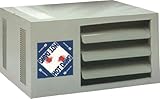
Overview: The Modine Hot Dawg HD45AS0111 is a premium garage heater delivering 45,000 BTU with 80% efficiency in a low-profile grey design. Engineered for quiet operation, it’s certified for residential, commercial, and industrial applications. The unit features standard power exhaust for flexible side-wall or roof venting with small-diameter pipe, plus convenient field wiring connections.
What Makes It Stand Out: The 80% efficiency rating significantly reduces fuel costs compared to standard 60-70% efficient units. Its whisper-quiet operation makes it suitable for attached garages where noise matters. The multi-use certification means one product meets diverse needs, from home workshops to commercial bays. The power exhaust system simplifies venting in challenging installations where natural draft isn’t feasible.
Value for Money: While priced higher than basic garage heaters, the Hot Dawg’s efficiency yields substantial long-term savings. The quiet operation and professional build quality justify the premium for users spending significant time in their workspace. Its versatility across applications provides better value than buying separate residential and commercial units.
Strengths and Weaknesses: Strengths include high efficiency, quiet operation, flexible venting, professional certifications, and durable construction. Weaknesses are the higher initial cost, need for professional installation, and being overkill for small, intermittently used garages. The 45,000 BTU output may require upgrading gas lines in some installations.
Bottom Line: The premium choice for serious enthusiasts and professionals who demand efficiency, quiet operation, and professional-grade durability. The higher upfront cost pays dividends in comfort and fuel savings for regularly used spaces.
6. Reznor 150,000 BTU Commercial Natural Gas Garage Heater Ceiling Mount, Warehouse, and Gas Shop Heater Unit | Quiet Forced Air, Low Static Propeller Fan | UDXC-150

Overview: The Reznor UDXC-150 is a commercial-grade natural gas unit heater delivering 150,000 BTU with 83% thermal efficiency. Designed for large garages, warehouses, and industrial spaces, this ceiling-mount unit combines serious heating power with advanced engineering. The unit features a durable TCORE2 titanium-stabilized aluminized steel heat exchanger and patented single-burner combustion system for reliable performance in demanding environments.
What Makes It Stand Out: This heater distinguishes itself through premium construction and intelligent design. The integrated circuit board with LED status indicators provides real-time diagnostics, while the built-in disconnect enhances safety. Its low-static propeller fan ensures quiet operation—a rare feature in high-capacity units. The four-point suspension system allows flexible ceiling or wall mounting, though brackets are sold separately.
Value for Money: While priced at the premium end, the UDXC-150 justifies its cost through exceptional durability and efficiency. The 83% thermal efficiency translates to lower operating costs compared to standard 80% efficient models. For commercial users, the robust construction and advanced diagnostics reduce maintenance downtime, offering long-term value that outweighs cheaper, less reliable alternatives.
Strengths and Weaknesses:
- Strengths: High thermal efficiency; extremely durable heat exchanger; quiet operation; advanced diagnostic capabilities; flexible venting options.
- Weaknesses: Mounting hardware not included; requires professional installation; significant upfront investment; may be oversized for smaller spaces.
Bottom Line: Ideal for commercial and industrial applications demanding reliable, efficient heating. The UDXC-150 is a worthwhile investment for those prioritizing performance and longevity over initial cost.
7. Mr. Heater Natural Gas Unit Heater 80,000 BTU/Hr. MHU80NG
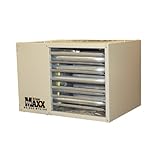
Overview: The Mr. Heater MHU80NG delivers 80,000 BTU/hour of natural gas heating for spaces up to 1,000 square feet. This mid-range unit heater features spark ignition with a self-diagnostic control module, making it suitable for residential garages and smaller workshops. The unit includes angle brackets for ceiling mount installation and requires a 4-inch flue and 1/2-inch gas connection.
What Makes It Stand Out: The self-diagnostic control module sets this unit apart at its price point, helping troubleshoot issues without service calls. The included mounting brackets simplify installation—a convenience often missing in competitors. Its compact design and straightforward operation make it accessible for DIY-inclined homeowners, while the spark ignition system ensures reliable startups.
Value for Money: Positioned as a budget-friendly option, the MHU80NG offers solid performance for smaller spaces without premium pricing. While lacking advanced features of commercial units, it provides reliable heating for garages and workshops where sophisticated controls aren’t necessary. The included mounting hardware adds value, though long-term durability may not match commercial-grade alternatives.
Strengths and Weaknesses:
- Strengths: Affordable price; self-diagnostic module; included mounting brackets; simple operation; reliable spark ignition.
- Weaknesses: Limited 1,000 sq ft coverage; basic construction; no advanced efficiency features; smaller 4-inch flue restricts exhaust flow.
Bottom Line: An excellent entry-level choice for homeowners needing reliable garage heating without breaking the bank. Perfect for smaller workshops where simplicity and value trump advanced features.
8. Reznor 60,000 BTU Unit Natural Gas Heater Indoor Use Garage and Shop Heater | Quiet Forced Air, Ceiling Mount, Low Static Propeller Fan | UDXC-60
Overview: The Reznor UDXC-60 packs commercial-grade technology into a 60,000 BTU natural gas heater suitable for residential garages, workshops, and light commercial spaces. Achieving 83% thermal efficiency, this unit shares the same advanced features as its larger siblings, including the TCORE2 heat exchanger and quiet forced-air design. It supports both ceiling and wall mounting configurations.
What Makes It Stand Out: This model brings premium commercial technology to smaller-scale applications. The patented single-burner combustion system and titanium-stabilized aluminized steel heat exchanger deliver durability rarely seen in residential heaters. Its whisper-quiet operation and integrated circuit board with status LEDs provide professional-level performance for discerning homeowners.
Value for Money: While more expensive than residential-grade alternatives, the UDXC-60 offers exceptional value through its commercial construction and efficiency. The 83% efficiency rating ensures lower gas bills, while the robust design minimizes replacement costs. For those wanting professional quality in a residential setting, the premium is justified.
Strengths and Weaknesses:
- Strengths: Commercial-grade durability; high efficiency; extremely quiet; advanced diagnostics; flexible venting options.
- Weaknesses: Higher price than residential units; mounting brackets sold separately; may require professional installation; overkill for small single-car garages.
Bottom Line: Perfect for homeowners wanting commercial quality without maximum BTU output. The UDXC-60 is a smart investment for medium-sized spaces where durability and quiet operation matter.
9. Reznor 175,000 BTU Commercial Natural Gas Garage Heater Ceiling Mount, Warehouse, and Gas Shop Heater Unit | Quiet Forced Air, Low Static Propeller Fan | UDXC-175
Overview: The Reznor UDXC-175 represents the pinnacle of the UDXC series, delivering 175,000 BTU with 83% thermal efficiency for large commercial and industrial spaces. This powerhouse unit heater features the same advanced technology as smaller models, including the TCORE2 heat exchanger and integrated diagnostic systems. Designed for warehouses, factories, and expansive garages, it offers maximum heating capacity.
What Makes It Stand Out: As the largest UDXC model, this heater provides unmatched BTU output while maintaining the series’ signature quiet operation and advanced features. The patented single-burner combustion system ensures efficient fuel use despite its size. The comprehensive LED diagnostics and built-in disconnect demonstrate Reznor’s commitment to safety and serviceability at scale.
Value for Money: The premium price reflects its maximum output capability and commercial-grade construction. For facilities requiring 175,000 BTU, the 83% efficiency delivers meaningful fuel savings over less efficient alternatives. The durable TCORE2 heat exchanger reduces long-term replacement costs, making it economical for high-use industrial applications.
Strengths and Weaknesses:
- Strengths: Highest BTU output in series; exceptional efficiency; durable construction; quiet operation; advanced diagnostics.
- Weaknesses: Substantial upfront cost; professional installation required; may be oversized for typical garages; mounting hardware not included.
Bottom Line: The ultimate solution for large industrial spaces needing maximum heating power. The UDXC-175 is a premium investment that delivers professional-grade performance and efficiency.
10. Comfort Glow 17,000 BTU Direct Vent Natural Gas Wall Heater, Gray, Large

Overview: The Comfort Glow 17,000 BTU Direct Vent Natural Gas Wall Heater provides targeted heating for spaces up to 570 square feet. This compact unit mounts directly on walls and vents through an exterior wall, requiring no chimney or electricity. Approved for bedrooms and mobile homes, it features a sealed burn system with Piezo ignition and a safety pilot that cuts gas flow if the pilot extinguishes.
What Makes It Stand Out: This heater excels in reliability during power outages and its versatile installation approvals. The direct vent design eliminates complex ductwork, while the matchless Piezo ignition ensures operation without electricity. Its space-saving profile and approval for bedrooms, bathrooms, and mobile homes make it uniquely versatile for residential applications.
Value for Money: Extremely affordable compared to central heating systems or larger unit heaters, this model offers excellent value for supplemental heating. The lack of electrical components reduces operating costs, while simple installation saves professional fees. For zone heating or emergency backup, it’s a cost-effective solution.
Strengths and Weaknesses:
- Strengths: No electricity required; power outage reliable; bedroom-approved; compact design; simple installation; safety pilot system.
- Weaknesses: Limited 570 sq ft coverage; lower 17,000 BTU output; basic manual controls; not suitable for large spaces.
Bottom Line: An outstanding choice for supplemental residential heating, especially where electricity-free operation is crucial. Perfect for bedrooms, small offices, or emergency backup in compact spaces.
Understanding Natural Gas Garage Heater Types
Natural gas garage heaters aren’t one-size-fits-all solutions. The technology behind these units varies significantly, and choosing the right type impacts everything from heating speed to energy costs. Each category serves different garage layouts and usage patterns, making it critical to match the heater style to your specific needs.
Convection Heaters for Uniform Warmth
Convection heaters operate by warming the air itself, creating natural circulation patterns that gradually raise the entire space’s temperature. These units excel in well-insulated garages where maintaining a consistent ambient temperature matters more than rapid spot heating. They operate quietly and distribute heat evenly without creating uncomfortable hot spots or cold zones. For homeowners using their garage as a hobby space or home gym, convection models provide the gentle, pervasive warmth that makes extended comfortable use possible.
Radiant Heaters for Targeted Heating
Radiant natural gas heaters take a different approach by warming objects and people directly rather than heating the air. Picture standing in sunlight on a cold day—you feel warm despite the chilly air temperature. These units mount overhead and project infrared heat downward, making them ideal for poorly insulated garages or spaces with high ceilings where heating the entire volume would be wasteful. Mechanics and woodworkers particularly appreciate radiant heaters because they keep you warm while leaving cooler air near the ceiling, maximizing efficiency.
Forced-Air Systems for Rapid Temperature Control
When you need to transform a freezing garage into a comfortable workspace in minutes, forced-air natural gas heaters deliver unmatched speed. These powerhouses use a burner to heat a heat exchanger while a built-in fan pushes air across the hot surfaces, blasting warm air throughout the space. While they consume more fuel during startup, their ability to quickly cycle and maintain temperature makes them perfect for intermittently used garages. The air movement also helps prevent moisture buildup, reducing rust on tools and vehicles.
Key Efficiency Metrics That Matter in 2026
Energy efficiency standards have tightened considerably, and the metrics used to evaluate natural gas heaters have become more sophisticated. Understanding these numbers helps you predict actual operating costs and environmental impact rather than just comparing sticker prices.
AFUE Ratings and What They Mean for Your Wallet
The Annual Fuel Utilization Efficiency (AFUE) percentage reveals how much of your natural gas dollar converts directly into usable heat versus escaping through exhaust. In 2026, the minimum standard for new installations sits at 80% AFUE, but premium models reach 95% or higher. A 90% AFUE heater wastes only 10 cents per dollar spent, while an 80% model wastes 20 cents—that difference compounds significantly across a heating season. Look for units with sealed combustion systems and electronic ignition rather than standing pilot lights to maximize this rating.
BTU Output vs. Garage Size Calculations
Matching British Thermal Unit (BTU) output to your garage size prevents the inefficiency of constant cycling or the frustration of inadequate heating. The basic calculation starts with cubic footage (length × width × height), but 2026 efficiency standards require factoring in insulation quality, window area, and even garage door material. A well-insulated two-car garage typically needs 25,000-30,000 BTUs, while a drafty three-car space might require 60,000 BTUs or more. Oversizing causes short cycling that wastes fuel and wears components prematurely.
Modulating vs. Single-Stage Burners
Single-stage burners operate in an on-or-off mode, creating temperature swings and inefficiency. Modulating burners, now standard on mid-tier and premium 2026 models, adjust flame intensity in increments based on real-time heat demand. This technology maintains temperatures within 1-2 degrees of your thermostat setting while using 15-30% less fuel over time. The initial investment pays for itself through reduced gas consumption and extended equipment life due to less thermal stress on components.
Essential Safety Features You Shouldn’t Compromise On
Modern natural gas heaters include multiple redundant safety systems, but not all units offer the same level of protection. Cutting corners on safety features might save money upfront but risks catastrophic consequences.
Oxygen Depletion Sensors and Automatic Shutoff
Any heater that consumes oxygen from your garage space must include a precision oxygen depletion sensor (ODS) that continuously monitors air quality. If oxygen levels drop below 18% (normal air contains 21%), the sensor triggers immediate gas shutoff. This prevents the formation of carbon monoxide and protects against suffocation risks. 2026 models feature digital ODS systems that respond in under 30 seconds, a significant improvement over older mechanical sensors that could take two minutes to activate.
Overheat Protection Mechanisms
Thermal overload protection uses multiple temperature sensors to detect when internal components exceed safe operating temperatures. This can happen from blocked airflow, fan failure, or dust accumulation. Quality units feature both automatic reset limits that cycle power during temporary overheating and manual reset limits that require human intervention after severe overheating events. The best systems also include fault code displays that tell you exactly what triggered the shutdown, simplifying troubleshooting.
Proper Ventilation Requirements
Even with sealed combustion systems that draw outside air, proper garage ventilation remains non-negotiable. Building codes in most regions now require make-up air vents sized at 1 square inch per 1,000 BTUs of heater output. This ensures adequate air for complete combustion and prevents negative pressure that can backdraft other appliances. Power-vented units using PVC exhaust pipes offer more installation flexibility than natural-draft models requiring metal chimneys, though they cost more initially.
Installation Considerations for Optimal Performance
The best natural gas heater performs poorly if installed incorrectly. Placement, clearances, and connection quality directly impact efficiency, safety, and longevity.
Professional vs. DIY Installation
While handy homeowners might tackle basic electrical work, natural gas connections demand professional certification in most jurisdictions. Licensed installers ensure proper gas pressure, leak-free connections, and compliance with local codes that affect insurance coverage. They also calculate optimal placement based on heat distribution patterns and garage layout. The installation cost typically ranges from $300-$800 but includes permits, inspections, and warranty validation that DIY efforts void.
Clearance Requirements and Placement Strategy
Manufacturers specify minimum clearances from combustible materials—usually 6-12 inches from walls and 36 inches from stored items. However, optimal performance requires more generous spacing. Mounting heaters near frequently used work areas maximizes comfort, while positioning them away from garage doors prevents cold air infiltration from affecting thermostat readings. Overhead radiant heaters should align with primary work zones, while forced-air units need central placement for even distribution.
Gas Line and Electrical Connections
Your existing natural gas service may require upgrading to supply adequate pressure and volume. A 60,000 BTU heater needs a ½-inch gas line running no more than 20 feet from the meter; longer runs require ¾-inch piping. Most modern units also need 120-volt electrical connections for ignition systems and fans, though consumption is minimal—typically under 100 watts during operation. Ensure your garage has a dedicated circuit to prevent interference with power tools.
Smart Features Transforming 2026 Models
The integration of smart technology has revolutionized how we interact with garage heaters, offering precision control and energy savings that were impossible just five years ago.
Wi-Fi Connectivity and Mobile App Control
Leading 2026 models include built-in Wi-Fi that connects to manufacturer apps, allowing you to monitor temperature, adjust settings, and receive maintenance alerts from anywhere. Heading home early? Preheat the garage from your smartphone. Forgot to turn the heater off? Check and adjust remotely rather than wasting fuel all day. These systems also log runtime data, helping you track energy consumption patterns and optimize scheduling.
Programmable Thermostats and Scheduling
Advanced programmable thermostats now accommodate the unique usage patterns of garages. Unlike residential thermostats designed for 24/7 occupancy, garage-specific models offer seven-day programming with up to six temperature periods per day. Set the temperature to drop to 45°F overnight, warm to 65°F by 7 AM for your commute, maintain 55°F during work hours, then return to 68°F for evening projects. This granular control can reduce fuel consumption by 25-40% compared to manual thermostats.
Integration with Home Automation Systems
Compatibility with platforms like Alexa, Google Home, and Apple HomeKit enables voice control and automated scenes. Create a “Workshop Mode” that raises garage temperature, turns on workbench lighting, and disables security sensors for interior doors. Geofencing capabilities can automatically start heating when you’re five minutes from home, ensuring comfort without wasted energy. In 2026, look for Matter certification ensuring interoperability across different smart home ecosystems.
Sizing Your Heater Correctly
An improperly sized heater creates endless frustration and expense. Too small, and it runs constantly without reaching temperature. Too large, and it short cycles, creating temperature swings and humidity problems.
Calculating Cubic Footage and Insulation Factors
Start with basic volume calculations, then apply insulation multipliers. Well-insulated garages (R-13 walls, R-30 ceiling) use the base BTU recommendation. Moderately insulated spaces (R-7 walls, R-19 ceiling) increase requirements by 30%. Poorly insulated or uninsulated garages need 60-100% more BTU capacity. Don’t forget to account for concrete floors, which act as thermal sinks drawing heat away from the space.
Climate Zone Adjustments
Your geographic location dramatically impacts heating needs. Zone 1 (Miami) might require only 15 BTUs per square foot, while Zone 7 (Northern Minnesota) demands 60 BTUs per square foot. 2026 energy maps have shifted some regions due to climate pattern changes, so consult current zone designations rather than relying on outdated charts. Elevation also matters—above 4,000 feet, combustion efficiency drops, requiring 4% more BTUs per 1,000 feet of elevation.
Workshop vs. Storage Garage Considerations
How you use your garage changes everything. Storage garages only need to maintain 40-45°F to prevent freezing and moisture issues. Workshops where you spend hours need 65-70°F for comfort. The temperature differential you want to maintain above outdoor ambient temperature is the critical variable. A heater that keeps a storage garage above freezing will struggle to make the same space comfortable for woodworking in January.
Maintenance for Longevity
Natural gas heaters can last 15-20 years with proper care, but neglect reduces lifespan to under a decade. Establishing a maintenance routine ensures safe, efficient operation and validates warranty requirements.
Annual Inspection Checklist
Before each heating season, inspect the venting system for blockages, corrosion, or disconnections. Check the burner flame—it should be steady and blue; yellow flames indicate incomplete combustion requiring immediate professional service. Test safety shutoffs by temporarily blocking airflow and verifying automatic shutdown. Clean or replace air filters on forced-air models, and wipe down radiant heater reflectors to maximize heat projection.
Cleaning Burners and Heat Exchangers
Dust and chemical fumes common in garages create deposits on burners and heat exchangers, reducing efficiency and creating carbon monoxide risks. Annual cleaning involves removing the burner assembly and gently brushing away debris with a soft brush. Never use water or chemical cleaners on gas components. Heat exchangers require inspection for cracks that could leak combustion gases into your garage air—a professional should perform this check using a borescope camera.
When to Call a Professional Technician
Schedule professional service every two years for moderate use, or annually for daily operation. Technicians perform combustion analysis testing, measuring oxygen, carbon monoxide, and carbon dioxide levels in exhaust gases to optimize efficiency and safety. They also check gas pressure, test all safety controls with calibrated equipment, and inspect internal components for wear. The $150-$200 service cost prevents $1,000+ repairs and ensures your family’s safety.
Cost Analysis Beyond Purchase Price
The sticker price tells only a fraction of the story. Understanding total cost of ownership helps you make a financially sound decision that pays dividends for years.
Operating Cost Projections
Calculate annual operating costs by multiplying BTU output by local gas rates and estimated runtime. A 50,000 BTU heater running 500 hours per season at $1.20 per therm costs approximately $300 annually. However, modulating burners and smart scheduling can reduce runtime by 30%. Use online calculators that factor in your specific insulation, climate zone, and usage patterns for accurate projections rather than relying on generic estimates.
Rebates and Energy Incentives in 2026
Federal tax credits for high-efficiency natural gas appliances have expanded, offering up to $600 for units exceeding 90% AFUE. Many utilities provide additional rebates of $200-$500 for Energy Star certified models. Some regions offer low-interest financing programs for upgrading from electric resistance heating to natural gas. Check the Database of State Incentives for Renewables & Efficiency (DSIRE) for current programs, and ensure your installer provides proper documentation for rebate applications.
Warranty Value Assessment
Warranty terms vary dramatically—from one-year limited coverage to lifetime heat exchanger warranties. Evaluate warranty length, what components are covered, and whether it includes labor costs. Premium warranties often require professional installation and annual maintenance records, so factor these ongoing costs into your decision. A 10-year warranty on a $1,200 heater adds $120 annually to the effective cost, but provides peace of mind and protects against early failure.
Frequently Asked Questions
What size natural gas heater do I need for a two-car garage? A typical 20×20 foot two-car garage with 8-foot ceilings (3,200 cubic feet) and standard insulation requires 25,000-35,000 BTUs. However, if you have poor insulation, large windows, or live in a climate zone with sub-zero winters, you may need 45,000-50,000 BTUs. Always calculate based on your specific insulation values and desired temperature rise rather than using generic recommendations.
Are natural gas garage heaters safe to use overnight? Modern units with sealed combustion, oxygen depletion sensors, and automatic shutoff features are designed for safe operation. However, building codes typically prohibit using garages as sleeping spaces. For overnight heating when using the garage as a workshop, ensure proper ventilation, install a dedicated carbon monoxide detector, and choose a model with UL or CSA certification. Never sleep in a garage with any gas appliance running.
How much does it cost to run a natural gas garage heater? Operating costs depend on BTU rating, local gas prices, and runtime. A 40,000 BTU heater consumes about 0.4 therms per hour. At $1.20 per therm, that’s $0.48 per hour. Running 8 hours per weekend day during a 4-month heating season totals approximately $300-$400 annually. High-efficiency models and smart scheduling can reduce costs by 25-35%.
Can I install a natural gas garage heater myself? While you might handle mounting and electrical connections, gas line work requires a licensed professional in most jurisdictions. Improper installation creates explosion risks, carbon monoxide poisoning, and insurance coverage issues. Professional installation typically costs $300-$800 but includes permits, inspections, and warranty validation. The risk and potential liability far exceed any savings from DIY gas work.
What maintenance does a natural gas garage heater require? Perform monthly visual inspections during use, checking for proper flame color and unusual noises. Clean or replace air filters on forced-air models every three months. Annually, inspect venting systems, clean burners, and test safety controls. Schedule professional service every two years for combustion analysis and internal component inspection. This routine ensures safe, efficient operation and extends lifespan to 15-20 years.
Do I need to vent my natural gas garage heater? Yes, all natural gas heaters require proper venting to exhaust combustion gases outside. Power-vented models use PVC pipes and fans, offering flexible installation options. Natural-draft units require metal chimneys extending above the roofline. Unvented models are illegal for garage use in most regions due to oxygen depletion and moisture issues. Always follow manufacturer specifications and local building codes for venting requirements.
How long do natural gas garage heaters last? With proper maintenance, quality natural gas garage heaters typically last 15-20 years. Units in coastal areas or harsh chemical environments may have shorter lifespans due to corrosion. Regular cleaning, annual inspections, and professional servicing every two years maximize longevity. Investing in models with stainless steel heat exchangers and robust warranties protects your investment over the long term.
What’s the difference between a single-stage and modulating burner? Single-stage burners operate at full output or off, creating temperature swings and inefficiency. Modulating burners adjust flame intensity in increments based on heating demand, maintaining precise temperatures while using 15-30% less fuel. Modulating technology also reduces wear from thermal cycling and provides more consistent comfort. The higher upfront cost typically pays for itself within 2-3 heating seasons through energy savings.
Can I use a smart thermostat with my natural gas garage heater? Most 2026 models include built-in smart thermostats or are compatible with garage-specific smart controls. These offer Wi-Fi connectivity, mobile app control, and integration with home automation systems. However, standard residential smart thermostats often aren’t designed for garage temperature ranges or rapid recovery needs. Choose thermostats specifically rated for garage or commercial use to ensure compatibility and performance.
Are there rebates available for natural gas garage heaters? Yes, multiple incentive programs exist. Federal tax credits offer up to $600 for high-efficiency models exceeding 90% AFUE. Many utilities provide rebates of $200-$500 for Energy Star certified units. Local municipalities sometimes offer additional incentives, particularly for converting from electric to natural gas. Check DSIRE.org and consult with your installer about current programs, as requirements and amounts change annually.
See Also
- 10 Must-Have Natural Gas Garage Heaters for Whole-Garage Heating in 2026
- 10 Must-Have Natural Gas Garage Heaters for Permanent Installations in 2026
- 10 Must-Have Compact Oil Heaters for Efficient Heating in 2026
- 10 Must-Have Tower Oil Heaters for Silent Heating in 2026
- 10 Must-Have Ceramic Space Heaters for Fast Heating in 2026