Table of Contents
As winter’s chill creeps through drafty windows and old heating systems struggle to keep pace, homeowners are discovering that the humble baseboard heater has undergone a remarkable transformation. Gone are the days of clunky metal units that hiss and clank through the night, devouring electricity while delivering uneven warmth. The heating landscape of 2026 has ushered in a new era where intelligent climate control meets sleek design, creating solutions that adapt to your lifestyle rather than forcing you to adapt to them.
What makes these modern systems truly revolutionary isn’t just their ability to warm a room—it’s how they integrate seamlessly into smart home ecosystems, learn your preferences, optimize energy consumption, and provide granular control over every corner of your living space. Whether you’re renovating a century-old craftsman or designing a minimalist contemporary home, understanding the breakthrough features in today’s thermostat-integrated baseboard heaters will help you make informed decisions that impact both comfort and utility bills for decades to come.
Top 10 Thermostat Baseboard Heaters
Detailed Product Reviews
1. Cadet F Series Double Pole Built-In Baseboard Thermostat (Model: BTF2W, Part: 08734), 22 Amp, 120/208/240 Volt, White
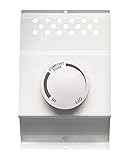
Overview: The Cadet BTF2W is a built-in line voltage thermostat engineered specifically for Cadet F series electric baseboard heaters. This 22-amp unit handles 120/208/240-volt systems and mounts directly to the heater housing, eliminating remote wiring complexity. With a 45-80°F temperature range, it provides straightforward manual control through a large twist dial designed to blend seamlessly with your baseboard’s aesthetic.
What Makes It Stand Out: Its heater-specific design is the key differentiator. Unlike universal wall thermostats, this model integrates directly onto Cadet F series units, creating a cleaner installation with no additional wiring runs. The twist dial offers intuitive operation, while the white finish matches Cadet heaters perfectly. The low-position setting provides a positive off function when turned fully counterclockwise, ensuring complete system shutdown.
Value for Money: Priced competitively for a brand-specific accessory, this thermostat delivers excellent value if you own compatible Cadet heaters. It eliminates the cost of separate electrical boxes, wire, and labor associated with wall-mounted units. However, its limited compatibility restricts flexibility, making it a poor choice for mixed-brand installations.
Strengths and Weaknesses:
- Pros: Direct heater mounting; no additional wiring needed; clean aesthetic integration; simple operation; positive off position
- Cons: Compatible only with Cadet F series; mechanical accuracy limitations; no indicator lights; restricted placement options
Bottom Line: Ideal for Cadet F series owners seeking clean, integrated temperature control without wall modifications. Skip if you have non-Cadet heaters or want remote monitoring capabilities.
2. YeloDeer Dual Voltage (110V-265V) 4-Wire Manual Electric Baseboard Heater Thermostat for Home

Overview: The YeloDeer dual-voltage thermostat is a versatile electronic line-voltage controller supporting 110-265V systems up to 20 amps. Delivering 2400W at 120V or 4800W at 240V, this 4-wire manual unit replaces outdated mechanical thermostats with improved precision. The 40-80°F control range accommodates various comfort preferences, while indicator lights provide clear operational feedback for user confidence.
What Makes It Stand Out: Electronic accuracy dramatically outperforms traditional bimetallic designs, maintaining tighter temperature bands and reducing energy waste. The broad 110-265V compatibility future-proofs installations across different electrical standards, making it suitable for both residential and light commercial applications. Clear indicator lights show power connection and active heating status—features rarely found in manual thermostats.
Value for Money: This unit strikes an impressive balance between mechanical simplicity and electronic precision at a mid-range price point. You gain digital accuracy without the complexity or subscription costs of smart thermostats. CE and UKCA certifications indicate quality manufacturing, while the dual-voltage flexibility eliminates repurchasing if you relocate or rewire.
Strengths and Weaknesses:
- Pros: Superior electronic accuracy; dual voltage flexibility; clear status indicators; comprehensive certifications; easy installation
- Cons: Manual operation only; no scheduling capability; max 12AWG wire size limits some applications; basic aesthetic design
Bottom Line: An excellent upgrade from mechanical thermostats for those wanting better accuracy without smart features. Perfect for rental properties or budget-conscious precision heating control.
3. Cadet Double Pole Mechanical Wall Thermostat for Electric Heaters (Model: T522-W), 22 Amp, White

Overview: The Cadet T522-W is a robust double-pole mechanical wall thermostat designed for universal line-voltage applications. Rated at 22 amps, it handles 120, 208, or 240-volt electric baseboard and wall heaters. The 4-wire configuration includes a positive off position for complete circuit disconnection, while color-coded wires simplify installation for DIYers and professionals alike.
What Makes It Stand Out: Its universal replacement design stands out in a market of proprietary models. The mechanical twist dial delivers reliable, decades-proven operation without electronic components that can fail in harsh electrical environments. The positive off feature provides true electrical isolation—essential for safety during maintenance. Color-coded wiring eliminates guesswork, reducing installation errors.
Value for Money: As a budget-friendly mechanical option, this thermostat offers exceptional reliability per dollar. It costs significantly less than electronic or smart alternatives while providing the core functionality most users require. The broad compatibility across voltage types and heater brands maximizes its value proposition, particularly for landlords managing multiple properties with varied equipment.
Strengths and Weaknesses:
- Pros: Universal compatibility; positive off safety; simple mechanical reliability; color-coded wires; easy twist-dial operation
- Cons: Lower accuracy than electronic models; no indicator lights; basic white plastic housing; requires wall-mounting box
Bottom Line: A dependable, no-frills choice for straightforward temperature control. Best suited for those prioritizing simplicity, safety, and broad compatibility over precision or smart features.
4. Mysa Smart Thermostat LITE - Line Voltage Electric Baseboard Heater Thermostat 120V/240V | DIY Install | HomeKit, Alexa, Google | Wi-Fi Programmable | App Control
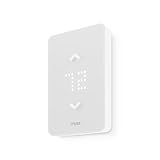
Overview: The Mysa Smart Thermostat LITE revolutionizes line-voltage heating control with Wi-Fi connectivity and intelligent scheduling for 120-240V electric baseboards, fan-forced, and convector units. This single-pole-configured device replaces standard thermostats through a simplified 4-wire DIY installation. The companion app enables remote control, custom scheduling, and monthly runtime reports without subscription fees.
What Makes It Stand Out: True smart functionality at a fraction of competitor prices makes this exceptional. Native integration with HomeKit, Alexa, and Google ecosystems enables voice control and automation scenes. The promised up to 26% heating cost reduction comes from intelligent scheduling and geofencing capabilities that minimize waste. Unlike many smart home devices, Mysa commits to 100% free app access forever.
Value for Money: While pricier than manual thermostats, the energy savings potential delivers ROI within one heating season for most users. Eliminating electrician installation costs saves $150-300 upfront. The absence of recurring subscription fees—a common industry trap—provides long-term value that compounds annually. For tech-savvy homeowners, the automation benefits alone justify the premium.
Strengths and Weaknesses:
- Pros: Smart scheduling and remote control; multi-platform integration; DIY installation; no subscription fees; energy savings potential
- Cons: Single-pole only; requires stable Wi-Fi; app-dependent; higher initial cost; limited to 26% savings claim
Bottom Line: The best value in smart line-voltage control for homeowners wanting automated efficiency without ongoing costs. Essential for rental property managers and energy-conscious households.
5. 240 V Only 4-Wire Manual Electric Baseboard Heater Thermostat for Home, YeloDeer

Overview: This YeloDeer 240V-only electronic thermostat combines precision temperature control with contemporary aesthetics for high-voltage heating systems. Rated at 4800W maximum, the 4-wire manual unit features a sleek, flush-mount design that hugs the wall without protruding. The 40-80°F control range provides flexible comfort settings, while electronic sensors deliver accuracy superior to mechanical alternatives.
What Makes It Stand Out: The ultra-thin, delicate profile distinguishes it from bulky traditional thermostats, creating a minimalist wall presence. The large, smooth-rotating knob offers stepless temperature adjustment rather than restrictive increments, allowing fine-tuning to exact comfort levels. Electronic accuracy ensures consistent room temperatures without the typical overshoot associated with mechanical bimetallic strips.
Value for Money: Positioned as a premium manual thermostat, it bridges the gap between basic mechanical units and smart thermostats. You pay modestly more for design-conscious aesthetics and electronic precision without recurring costs. For 240V-only installations, the dedicated design optimizes performance, though dual-voltage flexibility would broaden its appeal. The build quality justifies the slight premium over entry-level options.
Strengths and Weaknesses:
- Pros: Sleek flush-mount design; stepless electronic control; superior accuracy; clear indicator lights; smooth operation
- Cons: 240V-only limits versatility; no scheduling features; higher price than basic mechanical; requires neutral wire
Bottom Line: Perfect for design-conscious homeowners wanting electronic precision in a manual thermostat. Choose this for aesthetic appeal and accuracy in dedicated 240V heating applications.
6. meross Matter Smart Thermostat for Electric Baseboard Heater, Works with Alexa, HomeKit, Google, SmartThings, Programmable WiFi Thermostat for House, Energy Saving, App & Voice Control for Smart Home
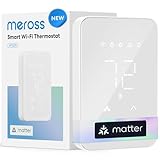
Overview: The meross Matter Smart Thermostat brings modern connectivity to high-voltage electric heating systems. Designed for 120-240 VAC baseboard, convector, and fan-forced heaters, it explicitly excludes 24V HVAC systems. This WiFi-enabled device supports the Matter standard, ensuring seamless integration across major smart home ecosystems including Alexa, Apple Home, Google Home, and SmartThings simultaneously.
What Makes It Stand Out: Universal Matter compatibility eliminates ecosystem lock-in, a rare feature in the thermostat market. The open window detection automatically pauses heating when it senses sudden temperature drops, preventing energy waste. Real-time energy monitoring through the Meross app provides actionable insights into consumption patterns, while the visual 24/7 scheduling interface simplifies automation for energy-conscious users.
Value for Money: Priced competitively against other smart thermostats, the meross justifies its cost through multi-platform support that would otherwise require separate devices. Energy savings from smart scheduling and open window detection can recoup the investment within one heating season for average households, making it more economical than basic WiFi thermostats with single-ecosystem limitations.
Strengths and Weaknesses: Pros: True Matter standard compatibility across all major platforms; intelligent open window detection; comprehensive energy monitoring; intuitive app-based scheduling; no monthly fees.
Cons: Requires a neutral wire complicating installation in older homes; incompatible with low-voltage systems; app dependency may frustrate non-tech users; initial setup demands careful attention to high-voltage wiring safety.
Bottom Line: Ideal for smart home enthusiasts with electric baseboard heating, the meross Matter thermostat delivers exceptional cross-platform flexibility and intelligent energy-saving features that justify its premium over manual alternatives.
7. Cadet Single Pole Built-In Thermostat Kit for Cadet Electric Baseboard Heaters (Model: BTF1W, Part: 08732), 22 Amp, 240/208/120 Volt, White
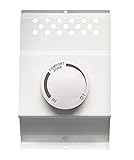
Overview: The Cadet BTF1W is a purpose-built mechanical thermostat designed exclusively for Cadet F series electric baseboard heaters. This single-pole, 22-amp unit offers straightforward temperature control between 45-80°F through a large, easy-grip twist dial. It mounts directly to either end of compatible Cadet heaters, eliminating complex wiring runs and creating a clean, integrated appearance.
What Makes It Stand Out: Its seamless integration with Cadet F series heaters is unmatched—no other thermostat offers this exact fit-and-finish. The direct-mount design removes the need for additional wall boxes or wire fishing, making it uniquely convenient for Cadet installations. The mechanical operation ensures reliability without batteries or software updates, appealing to users wanting simplicity.
Value for Money: As a manufacturer-specific accessory, it commands a modest premium over generic wall-mounted thermostats but delivers value through installation simplicity and aesthetic cohesion. For Cadet F series owners, it avoids the cost of separate electrical boxes and additional wiring, effectively paying for itself in saved labor and materials.
Strengths and Weaknesses: Pros: Tool-free installation on Cadet F series; matches heater aesthetics perfectly; no batteries required; reliable mechanical operation; supports multiple voltages.
Cons: Single-pole only (no true off position); limited to Cadet F series heaters; manual control lacks programming; dial calibration may drift over time; no precise digital temperature readout.
Bottom Line: A no-brainer for Cadet F series owners seeking simple, integrated temperature control. Look elsewhere if you have different heater brands or want smart functionality.
8. 2 PCS 240 V Only 4-Wire Manual Electric Baseboard Heater Thermostat for Home, YeloDeer
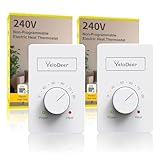
Overview: YeloDeer’s two-pack provides electronic thermostats for 240V electric heating systems, offering a middle ground between basic mechanical units and expensive smart thermostats. Each unit controls up to 4800W of baseboard, convector, or fan-forced heaters. The electronic sensor delivers superior temperature accuracy compared to bimetallic mechanical designs, while the flush-mount white enclosure and large control dial maintain traditional usability.
What Makes It Stand Out: The dual-pack configuration delivers exceptional value for multi-room installations. Electronic precision at a manual thermostat price point distinguishes it from commodity mechanical units. The 40-80°F control range extends slightly lower than typical units, and indicator lights clearly display power and heating status—rare features in this category.
Value for Money: Two thermostats for the price typically commanded by a single unit make this an outstanding value proposition. The electronic accuracy prevents the 2-3°F temperature swings common with mechanical thermostats, translating to tangible comfort improvements and modest energy savings that compound across both units.
Strengths and Weaknesses: Pros: Electronic precision at manual thermostat pricing; clear indicator lights; smooth continuous dial adjustment; comprehensive installation instructions; two units included.
Cons: 240V-only limitation excludes 120V installations; non-programmable operation; no smart features; requires four-wire connection; printed dial numbers serve only as approximate guides.
Bottom Line: Excellent choice for homeowners upgrading multiple 240V heaters from mechanical thermostats, delivering electronic accuracy without the complexity or cost of smart devices.
9. Feekoon Built in Thermostat Compatible with Cadet, Electric Baseboard Heater Thermostat, 22 Amp, 240/208/120 Volt(1 Pack,Single Pole)

Overview: Feekoon’s built-in thermostat serves as a direct replacement for Cadet F series baseboard heater controls. This single-pole unit features robust metal construction and supports flexible voltage installation (240/208/120V). Designed to mount inside the heater’s end panel, it maintains the original aesthetic while providing manual temperature adjustment from 45-80°F via a simple knob interface.
What Makes It Stand Out: The all-metal construction distinguishes it from plastic alternatives, promising enhanced durability in high-traffic commercial or residential settings. Its built-in design preserves wall space and protects the thermostat from physical damage. Dual-voltage compatibility simplifies inventory for property managers maintaining mixed-voltage heating systems across multiple units.
Value for Money: Priced similarly to manufacturer-branded options but with superior metal durability, it offers compelling long-term value. The multi-voltage flexibility prevents costly misorders, while the robust build reduces replacement frequency in rental properties or commercial applications where equipment longevity directly impacts operating costs.
Strengths and Weaknesses: Pros: Durable metal housing; supports three voltage configurations; space-saving built-in installation; Cadet F series optimized fit; simple intuitive operation.
Cons: Restricted to Cadet F series compatibility; single-pole design lacks true off position; manual control only; no temperature display; requires power disconnect during installation.
Bottom Line: A durable, versatile choice for Cadet F series installations where metal construction and voltage flexibility outweigh the need for advanced features or universal compatibility.
10. Mysa Smart Thermostat for Electric Baseboard Heaters 240V | Remote Control with 100% Free APP | Easy Install | HomeKit, Alexa, Google Home | Wi-Fi Programmable | Temp. & Humidity Alerts

Overview: Mysa’s smart thermostat targets high-voltage electric heating systems with a sleek, minimalist design that’s 40% smaller than previous generations. Compatible exclusively with 120-240V baseboard and fan-forced heaters, it requires a four-wire installation including neutral or second live connection. The device integrates with Apple HomeKit, Alexa, and Google Assistant while offering free app control without subscription fees.
What Makes It Stand Out: Adaptive display brightness technology automatically adjusts based on ambient light and user proximity, creating a premium interaction experience. Temperature and humidity alerts provide proactive notifications for frozen pipes or excessive moisture. The streamlined app enables sub-minute scheduling setup, while the compact aesthetic suits modern interiors better than bulkier competitors.
Value for Money: Positioned at the premium end of the smart thermostat market, Mysa justifies its price through refined hardware and software polish. The free app eliminates ongoing costs, while energy savings from intelligent scheduling typically deliver ROI within 12-18 months. However, the four-wire requirement may necessitate electrician services in older homes, adding hidden costs.
Strengths and Weaknesses: Pros: Elegant adaptive display; rapid app-based scheduling; multi-platform support; proactive humidity monitoring; compact, modern design; no subscription fees.
Cons: Four-wire requirement excludes two-wire installations; 240V-only operation limits versatility; premium pricing; setup complexity for non-technical users; load limited to 3800W at 240V.
Bottom Line: The best-looking and most polished smart thermostat for 240V systems, perfect for design-conscious homeowners willing to meet its wiring requirements for premium smart home integration.
The Evolution of Baseboard Heating Technology
From Basic to Brilliant: A Technology Timeline
Traditional baseboard heaters operated on a simple principle: electricity flows through a heating element, warms the surrounding air through convection, and relies on a basic mechanical thermostat that clicked on and off with all the precision of a sledgehammer. These units served their purpose but wasted tremendous energy through temperature overshooting and inefficient cycling patterns. Modern systems have completely reimagined this approach with digital microprocessors, solid-state relays, and precision temperature sensors that maintain room temperature within fractions of a degree.
The Thermostat Revolution
The real game-changer has been moving the thermostat from a wall across the room directly into the heater itself. This eliminates the temperature differential between where the heat is generated and where it’s measured, creating a feedback loop that responds in real-time to changing conditions. Built-in sensors now account for factors like outdoor temperature, humidity levels, and even sunlight exposure through windows, adjusting output dynamically rather than waiting for you to notice discomfort.
Why Thermostat Integration Changes Everything
Precision Temperature Control Systems
When your thermostat lives inside the heating unit, magic happens. The system can employ pulse-width modulation—basically flickering the heating element on and off hundreds of times per minute—to maintain exact temperature setpoints. Instead of the 2-3 degree swings common with old systems, you’ll experience comfort within a 0.5 degree tolerance. This matters because every degree of overshooting wastes approximately 3-5% in energy costs over a heating season.
Eliminating Cold Spots and Overheating
Integrated thermostats continuously sample air temperature at multiple points along the unit’s length, identifying micro-climates within your room. If the area near a drafty window runs cooler, the system can redistribute heating priority. Conversely, if direct sunlight warms one section, it scales back output precisely where needed. This zonal awareness transforms baseboard heating from a blunt instrument into a surgical tool for climate control.
Key Features That Define Revolutionary Models
Wi-Fi and App-Based Management
Nearly all cutting-edge units now include dual-band Wi-Fi connectivity that doesn’t just connect to your phone but integrates with your entire home network. The companion apps go far beyond simple on/off controls, offering weekly scheduling, geofencing that detects when you’re returning home, and even weather forecasting integration that pre-heats your space before an incoming cold snap. Look for apps that work reliably when you’re not home—not just when you’re connected to the same Wi-Fi network.
Learning Algorithms and Adaptive Heating
The most sophisticated systems employ machine learning to understand your household’s patterns. They notice that you turn up the heat in your home office every Tuesday and Thursday morning, or that the guest room stays unoccupied for weeks at a time. After 2-3 weeks of observation, these heaters automatically create personalized schedules that optimize both comfort and efficiency without any programming required from you.
Voice Control Integration
While Alexa and Google Assistant compatibility has become standard, the implementation quality varies dramatically. Premium systems offer natural language processing that understands complex commands like “make the nursery 2 degrees warmer for the next hour” rather than just “turn on the heater.” They also provide voice feedback, confirming your request with details about the action taken and expected time to reach the new temperature.
Energy Efficiency Innovations
Energy Consumption Monitoring
Revolutionary heaters now include real-time wattage monitoring and historical usage analytics accessible through their apps. You can see exactly how much electricity each room consumes hourly, daily, or monthly, helping identify inefficiencies you never knew existed. Some systems can even correlate usage with local utility rates, automatically shifting heating loads to off-peak hours when electricity costs 30-50% less.
Eco Modes and Away Settings
Smart away modes use a combination of motion detection, smartphone location tracking, and door/window sensors to determine when rooms are unoccupied. Rather than simply switching off, these systems maintain a lower setback temperature that prevents pipes from freezing while maximizing savings. The best implementations learn the thermal characteristics of each room—how quickly it loses heat—and calculate the precise moment to resume heating before you return.
High-Efficiency Heating Elements
Modern units utilize finned aluminum elements with expanded surface areas that transfer heat to air more effectively than old copper coils. Some employ ceramic thermal mass that continues radiating warmth for 20-30 minutes after electricity stops flowing, smoothing out temperature curves and reducing cycling frequency. This hybrid approach combines the responsiveness of electric heating with the comfort of radiant warmth.
Installation Considerations for Modern Systems
Hardwired vs. Plug-In Options
Hardwired installations remain the gold standard for permanent heating solutions, connecting directly to your home’s electrical panel with dedicated circuits. However, revolutionary 240-volt plug-in models now offer near-hardwired performance with professional-grade NEMA connectors, allowing for easier installation in spaces where running new wire proves cost-prohibitive. These units still require a 240-volt outlet installed by an electrician but eliminate the need for interior wall fishing.
Professional vs. DIY Installation
While many homeowners can handle mounting the units themselves, the electrical work demands respect. Even plug-in models require proper circuit sizing and may need panel upgrades. Professional installation typically includes load calculations, proper positioning for optimal airflow, and integration with existing smart home hubs. The modest upfront cost often pays dividends through correct setup, warranty preservation, and safety certification.
Placement Optimization Strategies
Modern units perform best when mounted on exterior walls beneath windows, where they can counteract cold downdrafts. However, smart sensors now allow for more flexible placement. Some systems use distributed temperature sensing to maintain comfort even when installed on interior walls, though efficiency may decrease by 10-15%. Always maintain the manufacturer’s specified clearance above and in front of the unit—typically 12 inches—to ensure proper convection.
Zoning Capabilities and Customized Comfort
Single-Room vs. Whole-Home Solutions
The revolution in baseboard heating has made true per-room zoning economically feasible. Each unit operates as an independent zone with its own schedule, temperature setpoints, and occupancy detection. This contrasts with central HVAC systems where zoning requires expensive ductwork modifications. A home with eight rooms can have eight distinct climate zones for the cost of the heaters themselves, no additional infrastructure required.
Grouping and Scene Creation
Advanced apps allow you to group multiple heaters into zones like “upstairs bedrooms” or “west-facing rooms” that share common schedules. Scene creation takes this further—activate “Movie Night” and the living room heater warms to 72°F while bedroom units drop to energy-saving 65°F. “Morning Routine” could simultaneously warm the bathroom and kitchen before your alarm rings. These macro controls transform individual heaters into a cohesive climate management system.
Safety Features in Next-Generation Heaters
Overheat Protection Mechanisms
Contemporary units employ multiple redundant temperature sensors that shut down the heater if internal components exceed safe thresholds. Unlike old thermal fuses that required replacement after tripping, electronic protection resets automatically once components cool. Some systems include thermal cutouts that physically disconnect power if digital systems fail, providing belt-and-suspenders safety.
Child-Safe Designs
If you have young children, look for units with locked temperature controls, tamper-resistant power connections, and cool-touch fronts that remain safe to touch even during operation. The most advanced models include occupancy sensors that detect when small children are near and automatically reduce surface temperatures while maintaining room comfort through adjusted heating algorithms.
Tip-Over and Obstruction Detection
Floor-standing portable baseboard heaters now include accelerometers that shut down the unit if tipped. Wall-mounted units can detect when drapes or furniture block airflow through pressure differential sensors, sounding alerts through the app and reducing power to prevent fire hazards. This intelligence prevents the dangerous situations that plagued older generations of heaters.
Design Aesthetics and Space Integration
Slim Profiles and Discreet Placement
Revolutionary heaters have slimmed down to as little as 3 inches deep, with low-profile designs that tuck neatly against baseboards without dominating visual space. Some manufacturers offer recessed installation kits that allow the heater to sit flush with the wall, creating a built-in appearance that interior designers love. These slim dimensions don’t compromise performance thanks to improved element design and airflow engineering.
Customizable Finishes
Gone are the days of choosing between almond and white. Modern units come in designer finishes including matte black, brushed stainless, and even custom color-matching to your wall paint. Some offer interchangeable faceplates that let you update the look without replacing the entire unit. Premium models include LED accent lighting that can be configured to indicate heating status or simply provide gentle ambient illumination.
Noise Reduction Engineering
The best contemporary heaters operate in virtual silence. Solid-state switching eliminates the audible clicks of mechanical relays, while improved element mounting prevents expansion and contraction noises. Acoustic insulation within the unit dampens any remaining operational sounds, making these systems suitable for bedrooms and home offices where silence is golden.
Cost Analysis and Long-Term Value
Initial Investment Breakdown
Expect to invest 2-3 times more upfront for a revolutionary baseboard heater compared to basic models. A standard 1,500-watt unit might cost $150, while a smart equivalent runs $400-600. This premium purchases Wi-Fi modules, advanced sensors, and sophisticated control software. However, consider this in context: the difference equals roughly 2-3 months of heating costs in a cold climate, yet the energy savings typically pay back within 1-2 heating seasons.
Operating Cost Projections
Real-world data shows smart baseboard heaters reduce heating costs by 25-40% through precision control and occupancy sensing. In a typical northern climate home spending $150 monthly on electric heat, this translates to $45-60 in monthly savings during winter. Over a 15-year lifespan, total savings can exceed $8,000, not accounting for rising electricity rates. The math becomes even more compelling when utilities offer time-of-use rates that smart heaters automatically exploit.
Warranty and Lifespan Considerations
Revolutionary units typically carry 7-10 year warranties on heating elements and 3-5 years on electronic components, compared to 1-2 years for basic models. The solid-state design means fewer moving parts to fail. Many manufacturers offer extended warranties with professional installation, providing peace of mind that protects your investment. Consider warranty terms carefully—some exclude damage from power surges, making whole-home surge protection a wise addition.
Maintenance Requirements for Optimal Performance
Seasonal Cleaning Protocols
Modern heaters require minimal maintenance, but regular care ensures peak performance. Before each heating season, vacuum the unit’s intake and outlet grilles with a brush attachment to remove dust and pet hair that impede airflow. Wipe the exterior with a damp cloth—never use abrasive cleaners or spray liquids directly into the unit. The best systems include filter screens that pop out for washing, capturing dust before it enters the heating chamber.
Software Updates and Calibration
Unlike old heaters that remained static for decades, smart units receive regular firmware updates that improve performance and add features. Enable automatic updates in the app, but schedule them for times when heating isn’t critical. Annual temperature sensor calibration ensures accuracy—some units include self-calibration routines you can trigger through the app, while others benefit from a professional checkup every 3-5 years.
Troubleshooting Through App Diagnostics
Revolutionary heaters include built-in diagnostic systems that run comprehensive self-checks and report issues through the app. You’ll receive alerts for problems like reduced airflow, sensor drift, or electrical connection issues before they cause failure. This predictive maintenance approach prevents mid-winter breakdowns and helps you address minor issues before they become expensive repairs.
Environmental Impact and Sustainability
Carbon Footprint Reduction
While electric heating’s environmental impact depends on your local grid’s energy mix, smart controls ensure you use only the electricity you actually need. By eliminating waste, these systems reduce your carbon footprint proportionally to energy savings. In regions with increasing renewable energy penetration, the carbon intensity of your heating drops each year as the grid gets cleaner—a benefit that compounds over your heater’s lifetime.
Recyclable Materials and Manufacturing
Progressive manufacturers now construct heaters from 90%+ recyclable materials—aluminum elements, steel housings, and minimal plastic components. Some offer take-back programs where old units get properly recycled rather than landfilled. When shopping, look for certifications like RoHS (Restriction of Hazardous Substances) that ensure environmentally responsible manufacturing processes and material selection.
Integration with Renewable Energy
If you have or plan to install solar panels, smart baseboard heaters become even more compelling. They can be programmed to prioritize heating during peak solar production hours, essentially storing energy as heat in your home’s thermal mass. Some advanced systems integrate directly with home battery systems and solar inverters, creating a microgrid where heating loads automatically adjust to available renewable generation.
Troubleshooting Common Issues
Uneven Heating Solutions
If certain rooms remain cold despite adequate heater sizing, the issue often lies with air circulation rather than the heater itself. Smart units can detect this through temperature differentials and suggest solutions like running ceiling fans in reverse to circulate warm air. Some systems integrate with smart ceiling fans or HVAC dampers to create whole-home air mixing, eliminating hot and cold spots without additional heating capacity.
Connectivity Problems
Wi-Fi-enabled heaters sometimes drop connections, especially in homes with weak signals. Most quality units include mesh network capabilities, allowing heaters to communicate with each other and share a single strong connection. If connectivity issues persist, consider installing a mesh Wi-Fi system or dedicated 2.4GHz network for smart home devices. Avoid placing heaters in Wi-Fi dead zones like basements or far additions without signal boosters.
Inaccurate Temperature Readings
If your heater’s display shows 72°F but the room feels colder, several factors could be at play. Heat rising directly into the thermostat sensor can cause artificially high readings. Modern units compensate for this with offset algorithms, but you may need to adjust the temperature calibration in the app. Also consider that the heater measures air temperature at its level, which can differ from the temperature at your seating height—some advanced systems include remote temperature sensors you place where you actually sit.
Future Trends Beyond 2026
AI-Driven Climate Prediction
The next frontier involves heaters that don’t just learn your schedule but predict it using AI that analyzes calendar integration, traffic patterns, and even your sleep tracker data. Imagine your bedroom heater knowing you had a poor night’s sleep and automatically creating a warmer, more comfortable environment the following evening to promote better rest. These systems will negotiate with your utility provider’s demand response programs, pre-heating your home when renewable energy is abundant and scaling back during peak demand.
Integration with Renewable Energy
Future models will include direct current (DC) heating elements that connect straight to solar panel outputs, bypassing inverter losses. Battery-integrated heaters will store excess solar production as heat in phase-change materials, releasing it gradually through the night. This transforms the heater into a thermal battery, providing energy storage without the chemical battery costs and environmental concerns.
Health and Air Quality Monitoring
Emerging heaters incorporate air quality sensors that detect dust, VOCs, and humidity levels. They’ll coordinate with air purifiers and ventilation systems, warming incoming fresh air in winter while filtering pollutants. Some prototypes include far-infrared heating elements that claim health benefits beyond simple warmth, though these claims require more rigorous scientific validation before becoming mainstream features.
Making Your Final Decision
Assessing Your Home’s Needs
Start by calculating the heating load for each room—measure square footage, ceiling height, window area, and insulation quality. Online calculators can estimate required wattage, but consider your climate zone and desired indoor temperature. Revolutionary heaters work best in well-insulated spaces where precision control can shine. In leaky older homes, address air sealing and insulation first; no smart heater can overcome excessive heat loss.
Feature Prioritization Framework
Create a must-have vs. nice-to-have list. Essential features include app control, scheduling, and energy monitoring. Premium additions like learning algorithms, voice control, and design customization add cost but deliver convenience. If you’re tech-savvy and love automation, splurge on the full feature set. If you simply want reliable, efficient heat with basic smartphone control, mid-range models offer the best value proposition.
Planning for Expansion
Choose a system with a robust ecosystem that allows adding units later. Some brands use proprietary communication protocols that lock you into their product line, while others embrace open standards like Matter or Zigbee that ensure future compatibility. Consider whether you want whole-home integration with a central hub or prefer standalone units that operate independently. The right choice depends on your long-term smart home strategy and whether you plan to add more zones in the future.
Frequently Asked Questions
How much can I realistically save with a smart baseboard heater compared to a traditional model?
Most households save 25-40% on heating costs through precise temperature control, occupancy sensing, and time-of-use rate optimization. In a cold climate with $150 monthly winter heating bills, expect savings of $45-60 per month. The payback period typically ranges from 1-2 heating seasons, with cumulative savings over a 15-year lifespan exceeding $8,000 when accounting for rising energy costs.
Do smart baseboard heaters work when the internet goes down?
Yes, they function as standard thermostatically controlled heaters without internet connectivity. You’ll lose remote app control and smart features, but basic heating operation continues using your last programmed schedule or manual temperature setting. Premium models store schedules locally and can even continue learning algorithms offline, syncing data once connectivity restores.
Can I install these heaters myself or do I need an electrician?
While physically mounting the unit is straightforward, electrical connections require expertise. Hardwired units need dedicated circuits and proper load calculations. Even plug-in models require 240-volt outlets installed by a licensed electrician. Professional installation ensures safety, warranty compliance, and optimal performance. Consider it a necessary investment rather than an optional expense.
Will smart heaters integrate with my existing smart home system?
Most modern units support major platforms like Alexa, Google Home, Apple HomeKit, and SmartThings. Look for Matter certification—the new industry standard guaranteeing cross-platform compatibility. Check compatibility lists before purchasing, and prioritize heaters that offer open APIs for custom integrations if you use home automation platforms like Home Assistant or Hubitat.
How reliable are the learning algorithms? Do they really work?
After a 2-3 week training period, learning algorithms achieve 90-95% accuracy in predicting your schedule and preferences. They excel at recognizing recurring patterns like work schedules and weekend routines. However, they can’t anticipate one-time events. Most systems allow manual schedule overrides that the algorithm treats as exceptions rather than new rules, maintaining accuracy while providing flexibility.
What’s the lifespan difference between smart and traditional baseboard heaters?
Traditional heaters typically last 15-20 years but often degrade in efficiency over time. Smart heaters have similar mechanical lifespans but may see electronic component failures after 10-15 years. However, modular designs allow replacing Wi-Fi modules or control boards without scrapping the entire unit. The energy savings usually justify replacement earlier than mechanical failure would dictate.
Are these heaters safe for homes with children and pets?
Next-generation models include multiple safety features specifically for families. Cool-touch exteriors remain safe during operation, locked controls prevent tampering, and tip-over sensors shut down portable units instantly. Occupancy sensors can detect small children and automatically reduce surface temperatures while maintaining room comfort through adjusted heating algorithms.
How do I calculate the right size heater for my room?
Measure your room’s square footage and multiply by 10 watts for well-insulated spaces, 12-15 watts for average insulation, or 18+ watts for poorly insulated rooms. Add 10% for rooms with high ceilings or large windows. Most manufacturers provide sizing calculators on their websites. When in doubt, choose a slightly larger unit running at lower output rather than an undersized heater working overtime—this improves efficiency and comfort.
Do smart heaters work well in extremely cold climates?
Smart features actually become more valuable in extreme cold since precision control prevents the massive energy waste from temperature overshooting. However, baseboard heating alone may struggle in climates where temperatures regularly drop below -20°F. In such regions, use smart baseboard heaters as supplemental zoning to a primary heating system, or ensure your home has exceptional insulation and air sealing before relying solely on electric resistance heating.
What happens to my investment if the manufacturer discontinues the app or goes out of business?
This legitimate concern highlights the importance of choosing established manufacturers with strong track records. Look for companies that offer local control options and don’t require cloud connectivity for basic operation. Open-source or locally hosted platforms provide insurance against obsolescence. Some premium manufacturers have committed to maintaining app support for at least 10 years after product discontinuation, offering peace of mind for your smart home investment.
See Also
- 10 Essential Tips for Installing Thermostat Controlled Baseboard Heaters Like a Pro
- The 10 Most Revolutionary Hardwired Baseboard Heaters of 2026
- The 10 Ultimate Best Thermostat Baseboard Heaters for Smart Temperature Control in 2026
- The 10 Most Revolutionary Hydronic Baseboard Heaters of 2026
- The Complete Guide to the 10 Best Thermostat Baseboard Heaters for Homeowners