Table of Contents
Working on your car during winter months can turn even simple oil changes into miserable, finger-numbing experiences. As a home mechanic, you know that cold temperatures don’t just affect your comfort—they impact your productivity, the behavior of fluids and metals, and can even compromise your safety when handling tools with stiff, unresponsive hands. A properly heated garage transforms your workspace from a seasonal storage unit into a year-round command center where projects progress regardless of what the thermometer says outside.
Choosing the right heating solution requires more than just picking the highest BTU rating you can afford. Your garage has unique characteristics—from ceiling height and insulation quality to ventilation needs and available power sources—that dramatically influence which heater type will serve you best. Understanding these variables before you shop prevents costly mistakes and ensures you invest in a system that keeps you warm without creating new problems like moisture buildup, carbon monoxide risks, or electrical overloads.
Top 10 Garage Heaters for Home Mechanics
Detailed Product Reviews
1. Dura Heat EUH1465 Electric Forced Air Heater with Pivoting Base 5,120 BTU, Yellow

Overview: The Dura Heat EUH1465 is a compact 1500W electric forced air heater designed for small workspaces. Delivering 5,120 BTU through PTC ceramic heating elements, this rugged yellow unit features a pivoting base for directional airflow control. Built with durable steel construction, it’s engineered for garages, workshops, and commercial environments where spot heating is essential.
What Makes It Stand Out: The pivoting base sets this heater apart, allowing users to direct warmth exactly where needed without repositioning the entire unit. Its dual-function capability offers both heating and fan-only modes, making it useful year-round for air circulation. The rugged steel body withstands harsh conditions, while the built-in thermostat provides precise temperature control for consistent comfort.
Value for Money: Priced competitively for its category, this heater offers solid value for those needing targeted heating in small to medium spaces. While not the most powerful option available, its durable construction and versatility justify the investment for workshop users. Comparable units often lack the pivoting feature or robust build quality.
Strengths and Weaknesses: Pros include durable steel construction, pivoting base for directional heating, overheat protection for safety, and versatile heat/fan settings. Cons are limited heating capacity for larger spaces, potentially noisy operation typical of forced air designs, and basic aesthetic appeal. The 1500W output may struggle in poorly insulated areas during extreme cold.
Bottom Line: The Dura Heat EUH1465 excels as a reliable spot heater for small workshops and garages. Its pivoting base and rugged design make it particularly valuable for targeted heating tasks. While not suitable for whole-room heating, it’s an excellent choice for users prioritizing durability and directional control in demanding environments.
2. Honeywell Home CT30A1005 Standard Manual Economy Thermostat, Almond, 0.6
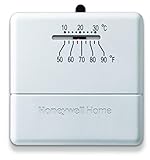
Overview: The Honeywell CT30A1005 is a no-frills manual thermostat designed for basic heating system control. This almond-colored unit operates as a heat-only controller, utilizing a reliable bimetal temperature sensor without any mercury. It includes a decorative back plate for clean installation and represents the simplest approach to temperature regulation.
What Makes It Stand Out: Its simplicity is its greatest strength—this thermostat embraces minimalism in an era of complex smart devices. The mercury-free bimetal sensor provides reliable operation without environmental concerns. The included decorative back plate ensures a clean, professional appearance even on older wall surfaces.
Value for Money: As one of the most economical thermostats available, it delivers exceptional value for compatible systems. There’s no premium for unnecessary features, making it ideal for rental properties, workshops, or budget-conscious homeowners. Professional installation costs may exceed the unit price, but the device itself represents minimal investment.
Strengths and Weaknesses: Pros include dead-simple operation, exceptional reliability, mercury-free design, low cost, and included back plate for easy installation. Cons are the lack of an off switch, no programming capabilities, manual operation only, limited temperature precision, and incompatibility with cooling systems. The absence of digital display may deter modern users.
Bottom Line: This thermostat serves a niche perfectly—those wanting basic, reliable heat control without complexity. It’s ideal for older heating systems, rental units, or secondary spaces like garages. While lacking modern conveniences, its dependability and simplicity make it a smart choice for appropriate applications where advanced features would be wasted.
3. Dr Infrared Heater DR-968 Portable Space Heater, 1500-Watt, Cherry
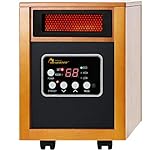
Overview: The Dr Infrared DR-968 is a premium portable space heater combining infrared quartz and PTC heating technologies. This 1500W unit delivers approximately 5,200 BTU, promising 60% more heat than conventional heaters. With cherry wood cabinetry, it targets large room heating while maintaining quiet operation at 39 dB.
What Makes It Stand Out: The dual heating system merges infrared warmth with PTC convection, creating comprehensive heat distribution. Its ultra-quiet blower operates at library noise levels, while the 12-hour timer and remote control add convenience. The unit includes caster wheels, lifetime filter, and electronic thermostat ranging 50-85°F.
Value for Money: Positioned in the premium segment, the DR-968 justifies its price through advanced heating technology and quiet operation. Comparable heaters either lack the dual system or produce significantly more noise. For large rooms requiring consistent, comfortable heat, the investment pays dividends in performance and energy efficiency.
Strengths and Weaknesses: Pros include powerful dual heating system, whisper-quiet operation, comprehensive safety features (tip-over and overheat protection), remote control convenience, and attractive furniture-grade design. Cons are substantial weight at 19 pounds, higher price point, and large footprint. The infrared element may not suit those preferring purely convection heat.
Bottom Line: This heater excels for users prioritizing quiet, whole-room heating in large spaces. Its dual technology and thoughtful features make it superior to basic ceramic heaters. While expensive and heavy, the performance justifies the cost for primary heating needs. Ideal for living rooms, bedrooms, or offices where noise and aesthetics matter.
4. Comfort Zone Hard-Wired Ceiling Mount Garage Electric Space Heater, Fan-Forced, 5,000 watt, 240 volt, Overheat Protection, Thermal Cut-Out Switch, Ideal for Workshop & Garage, ETL Compliant, CZ220BK

Overview: The Comfort Zone CZ220BK is a robust 5,000-watt ceiling-mount heater designed for industrial and commercial spaces. Operating at 240 volts, this hard-wired unit delivers powerful fan-forced heating for garages, warehouses, and workshops. Its heavy-gauge steel construction withstands demanding environments while maximizing floor space through overhead installation.
What Makes It Stand Out: The ceiling-mount design fundamentally solves space constraints, keeping valuable floor area clear. Dual knob thermostats provide simple yet effective temperature control, while adjustable louvers and mounting angle enable precise heat direction. The 5,000-watt output represents serious heating capacity for large, poorly insulated spaces.
Value for Money: For professional environments, this heater offers excellent value despite higher upfront costs. The durable construction ensures longevity, while the space-saving design provides intangible benefits. Compared to multiple portable heaters, one CZ220BK efficiently covers larger areas, reducing long-term operational costs.
Strengths and Weaknesses: Pros include massive heating output, space-saving ceiling mount, durable steel construction, precise airflow control, and professional safety features. Cons are requiring 240V hard-wiring (professional installation needed), significant energy consumption, overkill for residential spaces, and lack of portability. The industrial aesthetic may not suit home garages.
Bottom Line: This heater is purpose-built for serious workshops and commercial spaces. Its ceiling mount and robust output make it ideal for large area heating where floor space is premium. Not suitable for casual residential use due to installation requirements. For its intended commercial applications, it delivers professional-grade performance and durability that justify the investment.
5. Shinic Space Heater,1500W Milkhouse Heater with Thermostat, Stay Cool Durable Metal Housing, Overheat protection, 3-Prong Plug, Tip-Over Auto Shut Off, Utility Heater for Garage, Bedroom, Greenhouse

Overview: The Shinic Space Heater adopts the classic milkhouse design with modern safety enhancements. This 1500W utility heater features all-metal housing with two heat settings (1500W high, 1300W low) plus a fan-only mode. Engineered for versatility, it serves garages, bedrooms, and greenhouses up to 200 square feet.
What Makes It Stand Out: The three-prong grounded plug provides superior safety compared to typical two-prong utility heaters. Its integrated anti-tip device automatically shuts off the unit if tilted, addressing a common hazard. The stay-cool carry handle and compact milkhouse form factor combine portability with proven durability.
Value for Money: Positioned as an affordable utility heater, it offers excellent value through enhanced safety features and metal construction. While basic in operation, the three-prong design and anti-tip protection provide peace of mind rarely found at this price point. It’s a practical choice for supplemental heating needs.
Strengths and Weaknesses: Pros include durable all-metal housing, three-prong safety plug, anti-tip and overheat protection, adjustable thermostat, and portable design. Cons are limited 200 sq ft coverage, basic aesthetic, no remote control or timer, and modest heat output difference between settings. The fan may be audible in quiet environments.
Bottom Line: This heater is ideal for users seeking a safe, portable utility heater for small spaces. Its safety features distinguish it from budget competitors, making it suitable for households with children or pets. While lacking advanced features, it reliably delivers targeted heat where needed. Perfect for garages, greenhouses, or supplemental room heating with enhanced protection.
6. Dura Heat 240V Electric Industrial Garage, Workshop, Warehouse, Construction Heater, Wall/Ceiling Mount, 12,800 BTU, 3,750 Watt Forced Air Heater, Overheat Protection - Ideal for Garage & Workshop

Overview: The Dura Heat industrial heater is a hardwired 240V unit delivering 3,750 watts of forced-air heating for demanding work environments. Designed for permanent wall or ceiling mounting, it produces 12,800 BTU to warm spaces up to 500 square feet, making it suitable for compact garages, workshops, and construction sites where floor space is at a premium.
What Makes It Stand Out: This heater distinguishes itself through its industrial-grade mounting flexibility and robust construction. The ability to install it on walls or ceilings keeps valuable floor space clear while providing targeted heat distribution. Its overheat protection sensor adds critical safety for unattended operation in commercial settings, and the 240V configuration delivers substantially more power than standard 120V residential heaters.
Value for Money: Priced competitively for an industrial heater, it offers solid value if you require a permanent heating solution. However, the total cost must factor in professional 240V/20A circuit installation, which can add significantly to the investment. Compared to portable units, it’s more expensive upfront but eliminates the clutter and durability concerns of mobile heaters for dedicated workspaces.
Strengths and Weaknesses: Strengths include powerful 3,750W output, space-saving mountable design, industrial durability, and essential overheat protection. Weaknesses are the modest 500 sq ft coverage relative to its power, lack of thermostat or remote control, requirement for professional hardwired installation, and fixed positioning that limits heating flexibility.
Bottom Line: Ideal for small to medium workshops needing a permanent, out-of-the-way heating solution. Ensure your electrical setup can support it before purchasing, and consider it a long-term investment in workspace comfort rather than a plug-and-play option.
7. Comfort Zone Hard-Wired Ceiling Mount Garage Space Heater with Remote, 7,500 Watt, 240 Volt, Fan-Forced, Overheat Protection, Digital Thermostat, 12-Hour Timer, Ideal for Garage & Workshop, CZ230ERBK

Overview: The Comfort Zone CZ230ERBK is a premium commercial-grade heater designed for large-scale heating demands. This 7,500-watt, 240-volt unit mounts to the ceiling, delivering fan-forced heat across an impressive 1,250 square feet. It’s engineered for warehouses, spacious garages, and industrial workshops requiring consistent, controllable warmth without occupying floor space.
What Makes It Stand Out: Exceptional power output and coverage area set this unit apart, but the intelligent features truly differentiate it. The included remote control, digital thermostat, and 12-hour timer provide unprecedented convenience for a mounted industrial heater. Heavy-gauge steel construction withstands harsh conditions, while adjustable louvers and variable mounting angles enable precise airflow direction—critical for poorly insulated spaces.
Value for Money: While commanding a premium price, this heater justifies its cost through commercial-grade performance and advanced features. Comparable industrial units often lack remote operation and digital controls, making this a smarter long-term investment for professionals. The energy savings from precise thermostat control and timer scheduling help offset the higher initial expense in commercial applications.
Strengths and Weaknesses: Strengths include massive 7,500W heating capacity, extensive 1,250 sq ft coverage, space-saving design, remote control convenience, programmable timer, robust steel construction, and comprehensive safety features. Weaknesses are mandatory hard-wired 240V installation, significant electrical requirements, premium pricing, and potential overkill for residential garages.
Bottom Line: A top-tier solution for commercial spaces and serious workshops. The combination of power, coverage, and smart features makes it worth every penny for professionals who need reliable, controllable heat in large areas. Not necessary for casual home garage use.
8. Elevoke Space Heaters for Indoor Use, 1500W PTC Electric Heater with 90°Adjustable Angle, Fast Safety Heat, Small Portable Heater for Office Home(Silver)
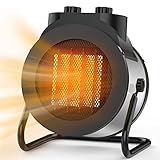
Overview: The Elevoke 1500W heater is a compact, modern space heater utilizing PTC ceramic technology for rapid indoor heating. Designed for offices and home use, it delivers quick warmth through a high-speed fan with a 90° adjustable oscillation angle. This portable unit prioritizes convenience and safety for personal heating needs in small to medium rooms.
What Makes It Stand Out: This heater excels in directional flexibility and speed. The 90° adjustable angle allows users to target heat precisely where needed, while PTC ceramic technology achieves noticeable warmth in just three seconds. Its quiet operation and lightweight portability, complete with a 5-foot cord and carrying handle, make it exceptionally versatile for desktop, bedroom, or office environments.
Value for Money: Positioned as an affordable personal heater, it offers excellent value for targeted indoor heating. While inexpensive, it doesn’t compromise on essential safety features like overheat protection. However, its 1500W limitation means it’s suitable only for supplemental heating rather than primary heat sources in larger spaces.
Strengths and Weaknesses: Strengths include rapid 3-second heating, adjustable angle for targeted warmth, three modes (1500W/750W/fan), quiet operation, portability, overheat protection, and budget-friendly pricing. Weaknesses are limited heating capacity for spaces beyond 150 sq ft, required base assembly, lack of tip-over protection, and unsuitability for garage or industrial environments.
Bottom Line: Perfect for personal use in offices, bedrooms, or small living areas. The adjustable angle and rapid heating make it ideal for keeping your immediate workspace comfortable. Don’t expect it to heat a garage or large room—it’s a personal heater, not a whole-area solution.
9. Techni Home Industrial Electric Forced Air Heater with Ceramic Heating Element, Adjustable Tilt, Overheat Protection, Portable Shop Garage Heater for Indoor/Outdoor Use, 1500W

Overview: The Techni Home heater markets itself as an industrial solution while delivering standard 1500W ceramic heating in a portable package. It features a fan-forced ceramic element with adjustable tilt, three operating modes, and built-in overheat protection. The unit targets workshops, garages, and home spaces requiring flexible, directional heating.
What Makes It Stand Out: The adjustable tilt mechanism provides targeted heating capability rarely found in portable units at this price point. Its ceramic element offers efficient, consistent heat output without the hot spots of traditional coil heaters. The three-mode operation (fan/low/high) adds year-round utility, while the claimed indoor/outdoor versatility suggests ruggedness.
Value for Money: Mid-range pricing positions this as a step-up from basic portable heaters, but the “industrial” designation is optimistic for a 1500W unit. You’re paying for the adjustable tilt and ceramic technology rather than raw power. For small workshops or garage workstations, it offers fair value, but true industrial needs require higher wattage.
Strengths and Weaknesses: Strengths include efficient ceramic heating, adjustable tilt for directional warmth, portable design, three operating modes, thermostat control, and overheat protection. Weaknesses are insufficient 1500W power for large spaces, questionable “industrial” durability, limited outdoor use due to power cord constraints, and modest build quality compared to commercial units.
Bottom Line: Suitable for small workshop stations or supplemental garage heating where directional control matters. The adjustable tilt is genuinely useful, but temper expectations regarding “industrial” performance—this is a robust portable heater, not a commercial-grade workhorse. Best for targeted personal warmth rather than area heating.
10. Comfort Zone Utility Space Heater, 1500W Electric Garage Heater with Adjustable Thermostat, Fan/Low/High Heat Settings, Tip-Over & Overheat Protection, Milkhouse Style, ETL Listed

Overview: The Comfort Zone Utility Heater employs the classic milkhouse design—a proven formula for durable, no-frills heating in garages and workshops. This 1500W unit features fan-forced heat distribution with adjustable thermostat control and essential safety features including tip-over and overheat protection. Its ETL listing ensures compliance with safety standards for reliable operation.
What Makes It Stand Out: The milkhouse-style metal cabinet provides exceptional durability that plastic-bodied heaters can’t match. Dual safety protections—both tip-over switch and overheat sensor—offer peace of mind in busy workshop environments. This traditional design has endured because it works: simple controls, robust construction, and dependable performance without unnecessary complexity.
Value for Money: Among the most affordable garage-ready heaters, it delivers outstanding bang-for-buck. While lacking advanced features, it provides the essential heating and safety functions needed for small workshops. The durable construction ensures longevity, making it more cost-effective than replacing cheaper plastic heaters every season.
Strengths and Weaknesses: Strengths include rugged milkhouse durability, dual safety protections (tip-over + overheat), adjustable thermostat, three operating modes, ETL certification, and budget-friendly pricing. Weaknesses are loud fan operation typical of the design, limited 1500W output for larger garages, lack of remote or timer functions, and basic aesthetic appeal.
Bottom Line: An excellent budget-conscious choice for small garages, workshops, or utility rooms where durability and safety trump advanced features. The milkhouse design remains relevant for good reason—it’s tough, reliable, and gets the job done. Don’t expect whisper-quiet operation, but do expect years of dependable service.
Understanding Your Garage Heating Needs
Before diving into heater types and features, take time to assess your specific situation. A thoughtful evaluation of your space and usage patterns will narrow your options and help you focus on solutions that truly fit your mechanical sanctuary.
Calculating Your Space Requirements
Garage heating calculations start with cubic footage, not just square footage. Measure your length, width, and ceiling height, then multiply them together. Most manufacturers rate their heaters based on standard 8-foot ceilings, so if you have 10- or 12-foot ceilings (common in garages designed for vehicle lifts), you’ll need approximately 25-50% more heating capacity. Remember that your workbench area, tool cabinets, and that project car in the corner all displace air volume, slightly reducing the effective space you need to heat.
Insulation’s Impact on Heating Performance
Your garage’s insulation acts as the gatekeeper for heat retention. Uninsulated garages with single-pane windows and metal doors can lose heat up to five times faster than properly insulated spaces. Check your walls, ceiling, and garage door for insulation ratings. Even adding a simple garage door insulation kit can reduce your heating requirements by 30% and pay for itself in energy savings within a single winter. The better your insulation, the smaller and more affordable heater you can install while achieving the same comfortable temperature.
Climate Zone Considerations
Your geographic location dramatically influences heater sizing. A mechanic in Minnesota dealing with sub-zero temperatures needs significantly more heating power than someone in Tennessee where winters rarely dip below freezing. Research your region’s average low temperatures and heating degree days. This data helps you determine whether a modest supplemental heater will suffice or if you need a robust primary heating system capable of maintaining 65-70°F even during the coldest snaps.
Power Source Availability
Your garage’s existing infrastructure limits or expands your options. Most attached garages have 120V outlets, but many lack the 240V circuits required for serious electric heaters. Fuel-burning heaters need proper ventilation and potentially gas line extensions. Assess your electrical panel’s capacity—if you’re already running a compressor, welder, and other high-draw tools, adding a powerful electric heater might require a subpanel upgrade. Sometimes a propane model becomes more practical than rewiring your entire garage.
Types of Garage Heaters Explained
Each heater technology brings distinct advantages and trade-offs for mechanical work. Understanding these differences helps you match the heating method to your specific workflow and garage layout.
Forced Air Electric Heaters
These units work like giant hair dryers, pulling in cold air, heating it over electric elements, and blasting warm air into your space. They excel at rapid temperature rise, making them ideal for mechanics who want to warm the garage quickly before a weekend project. The constant air circulation helps prevent moisture pockets around metal tools and prevents condensation on your vehicle’s cold surfaces. However, they can stir up dust and create uneven heat zones if your garage has obstacles blocking airflow.
Infrared Radiant Heaters
Infrared technology heats objects and people directly rather than warming the air. This creates immediate warmth when you’re working under a car or at your bench, even if the ambient air temperature remains cooler. The silent operation and zero air movement make them perfect for detailed work where dust control matters. Since they don’t dry out the air, they help preserve wood workbenches and prevent static electricity buildup. The downside? They provide less uniform whole-room heating and work best when positioned to directly “see” your primary work areas.
Portable Propane Heaters
These freestanding units offer powerful heating without electrical infrastructure requirements. High-BTU propane heaters can warm large, poorly insulated garages quickly and run independently of your home’s electrical system. Their portability lets you direct heat precisely where you’re working—under the hood, beneath the chassis, or in a specific corner of your shop. The critical trade-off involves ventilation; combustion produces moisture and carbon monoxide, requiring careful airflow management and carbon monoxide detectors for safe operation.
Natural Gas Unit Heaters
Ceiling-mounted natural gas heaters provide permanent, cost-effective heating for dedicated workshops. They connect to your home’s gas line and thermostat, offering set-it-and-forget-it convenience with lower operating costs than electric models. The overhead placement keeps them out of your way during engine swaps or when moving large components. Installation requires professional gas line work and proper venting, plus these units need electricity for fans and controls, creating a hybrid power requirement.
Ductless Mini-Split Systems
These heat pump systems deliver both heating and cooling, making them true year-round climate control solutions. They operate extremely efficiently, dehumidify during summer, and filter air continuously. For mechanics who spend serious time in their garage and want whisper-quiet operation, mini-splits are hard to beat. The initial investment runs higher than simple heaters, and installation requires refrigerant line routing and outdoor unit placement, but the comfort level and efficiency often justify the cost for serious enthusiasts.
Key Features to Evaluate
Beyond basic heating technology, specific features determine how well a heater integrates into your mechanical workflow and safety protocols.
Thermostat Controls and Precision
Look for models with adjustable thermostats that maintain consistent temperatures within 2-3 degrees. Digital thermostats with programmable schedules let you pre-warm the garage before your Saturday morning wrenching session begins. Some advanced units offer Wi-Fi connectivity, allowing you to activate heating remotely so you step into a warm workspace instead of waiting for heat buildup. Avoid basic on/off switches that create temperature swings and waste energy.
Safety Certifications to Look For
Your garage contains flammable materials, sparks from grinding, and fuel vapors. Ensure any heater carries UL (Underwriters Laboratories) or ETL certification for garage/workshop use. These certifications verify the unit has passed tests for tip-over protection, overheat shutoff, and electrical safety in dusty environments. For fuel-burning models, look for ODS (oxygen depletion sensor) certification that automatically shuts off the heater if oxygen levels drop too low.
Portability vs. Permanent Installation
Consider your work patterns. Do you need heat concentrated in different zones throughout the week—under a car Monday, at your welding table Tuesday, near your parts washer Wednesday? Portable units with sturdy wheels and long power cords offer flexibility. Permanent installations free up floor space and eliminate cord management issues but lock you into a single heating zone. Some mechanics use a hybrid approach: a permanent overhead unit for ambient heating supplemented by a portable radiant heater for targeted warmth.
Noise Levels During Operation
Forced air heaters produce fan noise ranging from a gentle hum to a roar that competes with your radio. In enclosed garages, sound levels above 60 decibels become fatiguing during long work sessions. Infrared heaters operate silently, while mini-splits purr along at library-quiet levels. If you do precision work, make phone calls, or simply enjoy peace while wrenching, prioritize quieter technologies or look for forced air models with variable-speed fans that reduce noise once target temperature is reached.
Heating Element Durability
Garage environments are harsh—dust, chemical fumes, moisture, and temperature extremes stress heating elements. Quartz elements in infrared heaters offer excellent durability but can crack if struck. Stainless steel elements in electric forced-air units resist corrosion but may oxidize over time. Ceramic elements provide good longevity and consistent performance. For propane heaters, look for models with protected burners that resist clogging from dust and debris common in automotive workspaces.
Safety Considerations for Workshop Environments
Garages present unique hazards that residential heaters aren’t designed to handle. Prioritizing safety features prevents fires, toxic exposure, and equipment damage.
Combustion Safety and Ventilation
Any fuel-burning heater consumes oxygen and produces carbon monoxide, carbon dioxide, and water vapor. Your garage needs at least one square foot of fresh air intake for every 10,000 BTUs of heating capacity. Install carbon monoxide detectors at working height, not just near the ceiling. Keep a window cracked or install a dedicated ventilation fan that activates when the heater runs. Never use outdoor-only propane heaters inside, regardless of how tempting their high output seems.
Electrical Load Management
Calculate your garage’s total electrical demand before adding a heater. A 240V, 30-amp heater draws significant power, and combining it with a compressor, welder, and bright LED work lights can trip breakers or overheat wiring. Have an electrician evaluate your panel’s capacity and consider installing a dedicated subpanel for your garage workshop. Use heaters with built-in GFCI protection, especially near parts washers or where condensation creates damp conditions.
Clearance Requirements
All heaters need safe distances from combustible materials. Most require at least 3 feet of clearance from walls, vehicles, workbenches, and stored items like cardboard boxes or rags. Overhead unit heaters need sufficient clearance from garage door tracks, storage lofts, and any vehicle lift components. Measure your available space and compare it to manufacturer specifications before purchasing. Remember that project cars on jack stands create different clearance challenges than daily drivers.
Overheat Protection Features
Quality heaters include multiple safety shutoffs. Thermal cutoff switches deactivate the unit if internal temperatures exceed safe limits. Tip-over switches immediately shut down portable heaters if knocked over by a creeper or falling tool box. Look for models with cool-touch exteriors that won’t burn you if brushed against while squeezing past a vehicle. These features aren’t optional luxuries—they’re essential protections in active workspaces where accidents happen.
Installation and Setup Requirements
Proper installation determines both safety and performance. Cutting corners during setup creates hazards and reduces efficiency.
Electrical Specifications
240V heaters require dedicated circuits with appropriate gauge wire and breaker sizing. A 5,000-watt heater typically needs a 30-amp breaker and 10-gauge wire. The circuit should run directly from your main panel to the heater location without other loads. Consider future needs too—installing a 50-amp circuit and receptacle now gives you upgrade flexibility later. Keep electrical connections away from areas where you spray brake cleaner or other flammable solvents.
Venting for Fuel-Burning Models
Natural gas and propane heaters produce combustion byproducts that must exit your garage. Direct-vent models pull combustion air from outside and exhaust through a sealed pipe, maintaining indoor air quality. Standard vent models use indoor air for combustion and require metal flue pipes extending through the roof or wall. The venting must maintain proper slope, avoid sharp bends, and terminate with approved caps that prevent backdrafting. Improper venting can pull dangerous fumes back into your workspace.
Mounting Options and Placement
Ceiling-mounted units should position near the center of your garage for even heat distribution, but avoid locations where vehicle exhaust heat might affect their operation. Wall-mounted heaters work well above workbenches but need protection from swinging hoods or truck beds. Portable units require stable, level surfaces away from foot traffic. Consider your primary work zones and vehicle parking positions when planning placement—heaters behind vehicles waste energy warming exhaust pipes instead of your workspace.
Professional vs. DIY Installation
While portable electric heaters simply plug in, permanent installations often benefit from professional help. Licensed electricians ensure your wiring meets code and can safely handle the load. HVAC technicians properly size gas lines, test for leaks, and verify combustion efficiency. Many manufacturers void warranties if their units aren’t professionally installed. However, if you’re comfortable with electrical work and local codes permit, installing a 240V receptacle and mounting a bracket is manageable for experienced DIYers. Gas line work should always be left to certified professionals.
Operating Costs and Efficiency
Heating your garage impacts your utility bills, but smart choices minimize ongoing expenses while maximizing comfort.
Understanding BTU Ratings
BTU (British Thermal Unit) ratings indicate heating capacity, but bigger isn’t always better. An oversized heater cycles on and off frequently, wasting energy and creating temperature swings. An undersized unit runs constantly, never reaching comfortable temperatures. The sweet spot typically ranges from 20-30 BTUs per square foot for well-insulated garages in moderate climates, scaling up to 45-60 BTUs per square foot for poorly insulated spaces in cold regions. Calculate your needs precisely to avoid paying for capacity you’ll never use.
Energy Efficiency Metrics
Electric heaters convert nearly 100% of electricity to heat, but electricity costs more per BTU than natural gas in most regions. Look for electric heaters with high CFM (cubic feet per minute) airflow ratings that distribute heat efficiently. For fuel-burning models, check AFUE (Annual Fuel Utilization Efficiency) percentages—units above 80% AFUE waste less fuel. Heat pump mini-splits offer the best efficiency, often achieving 300% efficiency by moving heat rather than generating it.
Fuel Cost Comparisons
Natural gas typically costs 50-70% less than electricity for equivalent heating output. Propane runs more expensive than natural gas but often cheaper than electricity, especially in rural areas without natural gas service. However, propane requires tank rentals or purchases and delivery fees. Factor in your local utility rates and fuel availability. Some mechanics install dual-fuel systems, using cheap natural gas for routine heating and supplementing with electric heat during extreme cold snaps.
Smart Controls and Scheduling
Programmable thermostats reduce costs by heating only when needed. Set temperatures to drop to 45°F overnight and warm to 65°F by 7 AM on weekends. Wi-Fi enabled models let you adjust schedules remotely if plans change. Some units integrate with home automation systems, responding to occupancy sensors or geofencing that activates heating when you arrive home. These features can cut operating costs by 20-30% compared to manual operation while ensuring your garage is comfortable when you need it.
Maintenance and Longevity
Regular maintenance extends heater life and maintains safe, efficient operation through years of heavy use.
Routine Cleaning Procedures
Dust and automotive debris clog air intakes, coat heating elements, and reduce efficiency. Monthly, vacuum or blow out air filters and intake grilles with compressed air. Quarterly, inspect heating elements for corrosion or damage, especially if you weld or grind frequently. For propane heaters, clean burner orifices with a soft brush to remove spider webs and dust that disrupt combustion. Always disconnect power or fuel before cleaning, and never use flammable solvents near heating elements.
Seasonal Storage Tips
If you use a portable heater only during winter, store it properly during off-seasons. Clean thoroughly, ensure it’s completely dry, and wrap the cord neatly without sharp bends. Store propane tanks outdoors in well-ventilated areas, never in the garage or basement. For permanent units, run them for 10-15 minutes monthly during summer to prevent moisture buildup and keep moving parts lubricated. Cover ceiling-mounted units with breathable cloth to prevent dust accumulation during long idle periods.
Warranty Coverage Insights
Most quality garage heaters offer 1-3 year warranties, but coverage varies significantly. Some warranties cover only the heating element, while others include fans, thermostats, and casings. Read the fine print—many require professional installation and annual maintenance to remain valid. Register your product promptly after purchase and keep receipts. Consider extended warranties for expensive units, especially if you use them daily. Remember that warranties typically don’t cover damage from improper installation, inadequate ventilation, or operating the heater in excessively dusty conditions without proper filtration.
Troubleshooting Common Issues
If your heater runs but doesn’t warm effectively, check for blocked airflow or thermostat calibration issues. Units that won’t start might have tripped thermal cutoffs from overheating—clean filters and ensure proper clearance. Propane heaters with weak flames often have regulator problems or low fuel pressure. Strange smells from electric heaters usually indicate dust burning off elements (normal initially) or potentially dangerous electrical overheating (shut down immediately). Keep manufacturer technical support numbers handy and don’t attempt repairs beyond your skill level.
Making Your Final Decision
With all the technical details understood, it’s time to weigh your options and commit to a heating strategy that serves your mechanical ambitions.
Budget Planning Strategies
Allocate your budget across the complete system, not just the heater unit itself. Factor in installation costs (electrical work, gas lines, venting), ongoing fuel expenses, and potential insulation upgrades. A $300 heater that requires $800 of electrical upgrades might be less economical than a $600 heater that plugs into existing infrastructure. Consider financing options for high-efficiency models—the energy savings often offset interest costs. Set aside 10-15% of your budget for unexpected installation challenges like outdated wiring or venting complications.
Future-Proofing Your Investment
Think beyond this winter. Are you planning to add a vehicle lift, which changes heat distribution needs? Will you expand the garage or finish the interior walls with drywall? Choose a heater with capacity slightly above current needs to accommodate growth. Select models with modulating controls that adjust output rather than simply cycling on/off—these adapt better to changing conditions. If you might add air conditioning later, a mini-split system becomes more economical than installing separate heating and cooling solutions.
When to Upgrade Your Electrical Panel
If your main panel is over 20 years old or already full, plan for an upgrade before adding a large heater. Signs you need an upgrade include frequent breaker trips, lights dimming when tools start, or a panel rated below 200 amps. Modern garages serving as workshops often need 400-amp service to safely run heaters, welders, compressors, and EV charging simultaneously. While expensive, a panel upgrade increases home value and provides safety margin for all your projects. Get multiple quotes and consider timing it with other electrical work to reduce costs.
Frequently Asked Questions
How many BTUs do I need for a typical two-car garage?
A well-insulated 20x24 foot two-car garage with 8-foot ceilings typically needs 25,000-35,000 BTUs for comfortable heating in moderate climates. Poorly insulated garages in cold regions may require 50,000-60,000 BTUs. Always calculate based on your specific insulation, climate zone, and desired temperature rise.
Can I use a residential space heater in my garage?
Standard indoor space heaters lack safety certifications for dusty, flammable garage environments and often can’t handle the temperature extremes. They also typically lack the power to heat large garage spaces effectively. Invest in heaters specifically rated for garage or workshop use with appropriate safety features.
What’s the safest heater type for a garage with flammable materials?
Electric infrared heaters are generally safest around flammable materials since they don’t have open flames, hot ignition sources, or create sparks. They also don’t stir up dust that could ignite. Ensure any heater you choose has tip-over protection and maintains proper clearance from combustibles.
Do I need to insulate my garage before installing a heater?
While not absolutely required, insulation dramatically improves heater performance and reduces operating costs. An uninsulated garage can require 2-3 times more heating capacity. At minimum, insulate the garage door and seal air leaks before sizing your heater—you’ll save money on both equipment and energy bills.
How much does it cost to run a garage heater monthly?
Operating costs vary widely based on heater type, local fuel/electric rates, garage size, and insulation. Electric heaters typically cost $50-150 per month during winter, natural gas units $30-80, and propane $40-100. High-efficiency mini-splits often cost 30-50% less than basic electric resistance heaters.
Can I install a natural gas heater myself?
You should never install or modify gas lines yourself. Licensed professionals must handle gas connections to prevent leaks, ensure proper combustion, and maintain warranty coverage. However, you can typically handle mounting the unit and running electrical connections if you’re qualified, leaving only the gas work to professionals.
Will a heater cause moisture problems in my garage?
Fuel-burning heaters produce water vapor during combustion, potentially increasing humidity. Electric heaters generally dry the air. Combat moisture by ensuring proper ventilation, using a dehumidifier if needed, and maintaining consistent temperatures to prevent condensation cycles that cause rust on tools and vehicles.
What’s the difference between a garage heater and a workshop heater?
The terms are often interchangeable, but workshop heaters typically include enhanced safety features for dusty environments, better filtration, and more precise temperature controls. Garage heaters may prioritize rapid heating for occasional use. For automotive work, choose heaters meeting workshop safety standards.
How high should I mount my garage heater?
Ceiling-mounted unit heaters typically install 8-10 feet high for optimal heat distribution. Infrared radiant heaters work best mounted 7-9 feet high to effectively warm people and objects below. Always follow manufacturer specifications and maintain required clearances from combustible materials like wooden rafters or stored items.
Can I leave my garage heater running overnight?
Electric heaters with built-in thermostats and safety certifications can run unattended if maintained properly. Fuel-burning heaters should never run overnight without proper ventilation and carbon monoxide monitoring. For safety and cost savings, program thermostats to lower temperatures overnight and warm up before you plan to work.
See Also
- 10 Expert-Recommended Electric Garage Heaters for Home Mechanics in 2026
- 2026’s Top 10 Portable Garage Heaters for Mobile Mechanics
- 10 Best Value Garage and Workshop Ceramic Heaters for Mechanics in 2026
- The 10 Best Garage Heaters Every Home Mechanic Needs This Year
- 10 Essential Tower Heaters Every Home Office Needs in 2026