Table of Contents
Moving into your first home is a whirlwind of excitement and responsibility. Suddenly, you’re not just paying rent—you’re managing the entire ecosystem of your living space. That mysterious box on the wall controlling the temperature? It’s no longer someone else’s problem. For many new homeowners, the HVAC system feels like a black box, often leading to sky-high energy bills, uncomfortable rooms, and a nagging sense that something could be working smarter. You’ve probably heard whispers about smart thermostats being a “must-have,” but navigating the hype without falling for gimmicks requires clear, practical guidance tailored to your unique situation as a homeowner-in-training.
This isn’t just about adding a shiny gadget; it’s about taking control of one of your largest recurring expenses and enhancing daily comfort in a space you now truly own. Smart thermostats promise efficiency, convenience, and even peace of mind, but diving in blindly can lead to frustration, wasted money, or a device that doesn’t play well with your existing setup. As a first-time homeowner, your priorities differ from seasoned tech enthusiasts—you need reliability, straightforward installation (or clear upgrade paths), and features that deliver tangible value without overwhelming complexity. Let’s cut through the noise and focus on what actually matters when choosing a system designed to work seamlessly in your new home, not just a showroom.
Top 10 Smart Thermostats for First-Time Homeowners
Detailed Product Reviews
1. ecobee Smart Thermostat Essential - Energy Star Certified programmable Wi-Fi Thermostat - Works with Siri, Alexa, and Google Assistant

Overview: The ecobee Smart Thermostat Essential is an Energy Star-certified Wi-Fi thermostat designed to optimize home comfort and energy efficiency. It automatically adjusts temperatures based on your schedule, saving energy when you’re away and ensuring comfort when you’re home, with potential annual savings of up to 23% on heating and cooling costs compared to manual adjustment.
What Makes It Stand Out: Its standout feature is broad compatibility (85% of systems) and seamless integration with Siri, Alexa, and Google Assistant for voice control. The color touchscreen and free software updates enhance usability, while the ecobee app provides real-time energy consumption tracking. The optional Power Extender Kit (sold separately) solves C-wire issues for DIY installations.
Value for Money: Priced competitively, it offers excellent value through substantial energy savings and long-term software support. While the PEK adds cost for C-wire-less homes, the potential $100+ annual savings (based on 23% reduction) justify the investment faster than basic programmable thermostats.
Strengths and Weaknesses: Strengths include intuitive app control, robust smart-home integration, and strong energy-saving algorithms. Weaknesses involve the extra cost for the PEK in some setups and a slightly steeper learning curve for non-tech-savvy users compared to simpler models.
Bottom Line: Ideal for tech-forward households seeking significant energy savings and voice assistant flexibility; the Essential delivers reliable performance and future-proof features, making it a top choice despite minor installation caveats.
2. Sensi Smart Thermostat, 100 Years Of Expertise, Wi-Fi, Data Privacy, Programmable, Easy DIY Install, Works With Alexa, Energy Star Certified, Mobile App, ST55
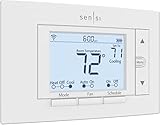
Overview: The Sensi Smart Thermostat leverages 100 years of HVAC expertise to deliver an Energy Star-certified solution focused on energy savings, privacy, and user-friendly installation. It promises ~23% HVAC energy savings through scheduling, remote access, and usage reports, all while prioritizing data security.
What Makes It Stand Out: Sensi’s strict no-data-selling privacy policy is a major differentiator. Its DIY installation excels with built-in leveling and app-guided setup, working without a C-wire in most homes. The traditional thermostat form factor avoids wall damage, and smart maintenance alerts (e.g., filter reminders) enhance system longevity.
Value for Money: Positioned as a mid-range option, Sensi offers strong value via privacy assurance, effortless installation, and proven energy savings. It undercuts premium brands like Nest while matching core functionality, making it cost-effective for privacy-conscious users.
Strengths and Weaknesses: Strengths are exceptional privacy, tool-free installation, and intuitive physical buttons. Weaknesses include limited third-party ecosystem compatibility (Alexa-only for voice control) and less advanced automation than competitors like ecobee.
Bottom Line: Highly recommended for users prioritizing data privacy and hassle-free setup; Sensi delivers reliable savings and simplicity without compromising on essential smart features.
3. Amazon Smart Thermostat – Save money and energy - Works with Alexa and Ring - C-wire required

Overview: Amazon’s Smart Thermostat is a budget-friendly, ENERGY STAR-certified device focused on reducing energy bills through automation and Alexa integration. It leverages Amazon’s ecosystem to create comfort zones using Echo devices and qualifies for utility rebates, targeting cost-conscious homeowners.
What Makes It Stand Out: Deep Alexa integration enables automatic temperature adjustments based on presence detection from Echo devices or the Smart Air Quality Monitor. Post-purchase rebate assistance via email is unique, and its minimalist design blends with existing decor. However, a C-wire is mandatory for installation.
Value for Money: As one of the most affordable smart thermostats, its value shines through potential $50+ annual savings (per EPA) and rebate facilitation. The lack of C-wire flexibility may increase installation costs, but rebates often offset the upfront price significantly.
Strengths and Weaknesses: Strengths include seamless Alexa/Ring synergy, rebate support, and straightforward app control. Weaknesses are the non-negotiable C-wire requirement and limited third-party compatibility (no Google/Siri support).
Bottom Line: Best for Alexa-centric homes with existing C-wires; its low cost and rebate access make it a smart entry point, though inflexibility with wiring narrows its ideal audience.
4. Google Nest Thermostat - Smart Thermostat for Home - Programmable Wifi Thermostat - Snow

Overview: The Google Nest Thermostat (Snow finish) is an ENERGY STAR-certified device that learns routines to optimize heating/cooling, targeting energy savings without manual scheduling. It works in most C-wire-less setups and integrates tightly with Google Home for remote control and automation.
What Makes It Stand Out: Nest’s “Savings Finder” proactively suggests efficiency tweaks, while Auto-Schedule learns behavior to adjust temperatures when you’re away. Remote access via the Google Home app and compatibility with Google Assistant provide a cohesive ecosystem experience. The Snow color offers a clean, modern aesthetic.
Value for Money: Mid-priced with strong long-term value due to learning capabilities that maximize savings beyond basic scheduling. Utility rebates (accessible via provider checks) further enhance affordability, though it’s pricier than Amazon’s offering.
Strengths and Weaknesses: Strengths include intuitive learning algorithms, broad Google ecosystem support, and C-wire-free operation for many systems. Weaknesses are occasional learning inaccuracies and no physical lock feature for temperature changes.
Bottom Line: A premium choice for Google users seeking hands-off energy savings; its adaptive intelligence justifies the cost, though minor quirks may frustrate those wanting absolute precision.
5. Google Nest Thermostat - Smart Thermostat for Home - Programmable Wifi Thermostat - Charcoal
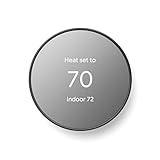
Overview: Identical in functionality to its Snow counterpart but featuring a Charcoal finish, this ENERGY STAR-certified Nest Thermostat uses behavior learning to reduce energy waste. It automatically adjusts temperatures when you’re away and offers robust remote control via the Google Home app.
What Makes It Stand Out: The Charcoal model provides a bold, contemporary look while retaining all core features: Auto-Schedule learning, “Savings Finder” optimization tips, and seamless Google Assistant integration. Like the Snow version, it typically operates without a C-wire, simplifying installation for most users.
Value for Money: Priced the same as the Snow model, it offers identical value—energy savings potential, learning capabilities, and rebate eligibility. The color choice adds aesthetic flexibility without cost premium, making it worthwhile for design-focused buyers.
Strengths and Weaknesses: Strengths encompass adaptive scheduling, strong app integration, and versatile mounting. Weaknesses remain the lack of a temperature lock and dependency on Google’s ecosystem, limiting appeal for non-Android/Alexa users.
Bottom Line: Recommended for Google ecosystem adopters wanting style customization; the Charcoal finish delivers the same reliable, learning-driven efficiency as the Snow model in a sleeker package.
6. ecobee Smart Thermostat Enhanced - Programmable Wifi Thermostat - Works with Siri, Alexa, Google Assistant - Energy Star Certified - Smart Home
Overview:
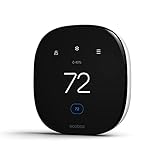
The ecobee Enhanced is a versatile smart thermostat targeting energy-conscious homeowners. It promises significant HVAC savings through automation while integrating seamlessly with major voice assistants and home ecosystems via Wi-Fi. Designed for broad compatibility and DIY installation.
What Makes It Stand Out:
Its built-in radar occupancy sensing pre-heats or pre-cools your home based on arrival time, a significant upgrade over basic geofencing. The learning algorithm adapts to schedules and humidity preferences, while the included Power Extender Kit simplifies installation for 90% of systems, eliminating a common barrier.
Value for Money:
Positioned mid-range, it justifies its cost through robust energy savings (up to 26% annually) and long-term comfort optimization. The inclusion of essential installation hardware (PEK, Trim Kit) adds tangible value compared to competitors requiring separate purchases for complex setups.
Strengths and Weaknesses:
Strengths: Excellent occupancy detection, strong voice assistant compatibility, intuitive app control, Energy Star certified savings, DIY-friendly install kit included.
Weaknesses: Lacks advanced air quality monitoring found in pricier models, occupancy radar may occasionally misjudge room presence.
Bottom Line:
An outstanding balance of intelligent automation, ease of installation, and proven energy efficiency. Highly recommended for users seeking significant HVAC savings and reliable smart home integration without premium extras.
7. ecobee Smart Thermostat Premium with Smart Sensor and Air Quality Monitor - Programmable Wifi Thermostat - Works with Siri, Alexa, Google Assistant

Overview:
ecobee’s flagship Premium model elevates the smart thermostat with integrated air quality monitoring and a room-sensing SmartSensor. It targets users prioritizing comprehensive home health and ultimate comfort precision alongside energy savings, featuring premium build quality.
What Makes It Stand Out:
The built-in air quality monitor actively tracks pollutants, provides actionable tips, and filter change alerts—unmatched in this category. Seamless integration with the ecobee Smart Doorbell for video/communication and radar-based occupancy sensing further differentiate it. Premium materials enhance aesthetics and usability.
Value for Money:
Priced higher, it delivers exceptional value through the included $50 SmartSensor and unique air quality features. The energy savings potential (up to 26%) combined with health monitoring justifies the cost for households invested in holistic smart home wellness and precise multi-room comfort.
Strengths and Weaknesses:
Strengths: Comprehensive air quality tracking, included SmartSensor for room-by-room accuracy, doorbell camera integration, premium display/build, advanced occupancy sensing.
Weaknesses: Highest price point, air quality features require app engagement to be fully utilized, compatibility slightly lower (95%) than base Enhanced model.
Bottom Line:
The definitive choice for health-conscious users demanding the most advanced comfort, air quality insights, and smart home synergy. Worth the premium investment for its unique environmental monitoring and precision.
8. New! Honeywell Home Smart Thermostat, Conventional/Heat Pump Compatibility, WiFi Thermostat for Home, X2S, Gray

Overview:
Honeywell’s X2S offers a Matter-certified smart thermostat focused on flexibility and utility integration. It emphasizes straightforward scheduling, energy programs, and compatibility with conventional and heat pump systems, requiring a C-wire.
What Makes It Stand Out:
Matter certification ensures future-proof compatibility across Apple Home, Alexa, and Google ecosystems. Its standout feature is flexible scheduling (5-1-1, 5-2, 7-day, non-programmable) and demand-response capability for utility rebates, appealing to users seeking granular control and potential bill incentives.
Value for Money:
A solid mid-tier option, its value lies in Matter support and utility program participation, potentially unlocking rebates. The 2-year warranty and focus on core scheduling/energy features offer reliable functionality, though it lacks the advanced sensing (radar, room sensors) of top ecobee models.
Strengths and Weaknesses:
Strengths: Matter and multi-assistant compatibility, highly flexible scheduling options, utility demand-response ready, clear humidity monitoring, robust warranty.
Weaknesses: Requires C-wire (adapter may be needed), no occupancy sensing beyond basic geofencing, interface less premium than ecobee Premium.
Bottom Line:
Ideal for users prioritizing Matter compatibility, utility rebates, and highly customizable scheduling over advanced occupancy features. A dependable, rebate-friendly choice for conventional and heat pump systems.
9. Sensi Lite Smart Thermostat, Programmable, WiFi, Easy DIY, Works With Alexa, ENERGY STAR Certified, ST25, Most Systems C-Wire Not Required, C-Wire needed with Heat/Cool Only & Heat Pump System – Black
Overview:
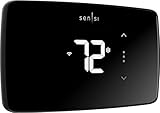
The Sensi Lite prioritizes simplicity, privacy, and accessible installation. It delivers core smart thermostat functionality (remote control, scheduling, energy savings) with a strong emphasis on user privacy and broad system compatibility, often without needing a C-wire.
What Makes It Stand Out:
Its standout promise is robust privacy—Sensi explicitly states it won’t sell user data or use activity for advertising. The exceptional DIY focus, featuring a built-in level and simple instructions, and compatibility with most systems without a C-wire (except specific setups) lowers installation barriers significantly.
Value for Money:
Offers excellent value as a budget-friendly, privacy-first option. The ENERGY STAR savings (up to 23%) and avoidance of complex wiring requirements make it cost-effective, especially for renters or those with simpler HVAC systems where premium features aren’t needed.
Strengths and Weaknesses:
Strengths: Strong privacy commitment, easy DIY install (no C-wire needed for many systems), top-rated app, ENERGY STAR savings, clear value proposition.
Weaknesses: Lacks advanced features like occupancy sensors or air quality monitoring, requires C-wire for heat pumps/cool-only systems, interface less sophisticated.
Bottom Line:
Highly recommended for privacy-focused users, renters, or those seeking a no-frills, easy-to-install smart thermostat with reliable core functionality and solid energy savings.
10. vine Smart Thermostat for House, WiFi Thermostats for Home Compatible with Alexa and Google Assistant, 7day x 8period Programmable, Energy Star Certified, C-Wire Required

Overview:
The vine thermostat provides a feature-packed, budget-conscious option with extensive scheduling granularity and broad 24V system compatibility. It requires a C-wire and emphasizes remote control, voice assistant integration, and practical home comfort features.
What Makes It Stand Out:
Its highly flexible 7-day, 8-period scheduling offers exceptional programming precision for complex routines. The mandatory QR code compatibility check before purchase is a unique user safeguard. Practical additions like temperature alerts and child lock enhance usability for diverse households.
Value for Money:
Represents strong value for users needing intricate scheduling and core smart features at an entry-level price. Energy Star certification supports savings, though lacking advanced sensing (like radar or room sensors) keeps it competitive with basic models rather than premium ones.
Strengths and Weaknesses:
Strengths: Extremely granular scheduling (7-day x 8-period), mandatory pre-purchase compatibility check, comprehensive feature set (alerts, filter reminders, child lock), broad 90% system compatibility.
Weaknesses: C-wire strictly required, no unique advanced sensing tech (occupancy/radar), interface/app quality may lag behind leaders like ecobee.
Bottom Line:
A compelling choice for users prioritizing highly customizable scheduling and essential smart features on a budget, provided their system has a C-wire. Ideal for precise routine management without premium extras.
Understanding Why Smart Thermostats Matter for New Owners
Beyond Basic Temperature Control
For first-time homeowners, a smart thermostat is far more than a digital upgrade from a manual dial. It actively learns your schedule, adjusts based on real-time occupancy, and provides detailed insights into your energy consumption patterns. This level of automation directly addresses common new-owner pain points: forgetting to adjust settings before a weekend trip, struggling with uneven heating or cooling in different rooms, or feeling blindsided by unexpectedly high utility bills. It transforms a passive utility into an active tool for comfort and cost management.
Long-Term Value Over Initial Cost
While the upfront investment might give you pause, consider the thermostat as a foundational home system, not a disposable gadget. A well-chosen model pays dividends through reduced energy waste over its lifespan, potentially qualifying you for utility rebates and increasing your home’s overall efficiency profile. For someone building equity and managing a household budget, this long-term operational savings often outweighs the sticker price, making it a financially savvy early upgrade.
Future-Proofing Your Home Investment
Your first home is a learning ground, and technology evolves rapidly. Selecting a thermostat designed with future compatibility in mind—supporting emerging smart home protocols and firmware updates—ensures your investment remains relevant. This avoids the frustration and extra cost of replacing a device in a few years simply because it can’t integrate with newer systems you might add, like smart vents or advanced air quality monitors. It’s about building a flexible foundation.
Key Features Every New Homeowner Should Prioritize
Compatibility: The Non-Negotiable Starting Point
Verifying Your Existing Wiring
Before falling for sleek features, confirm compatibility with your HVAC system’s wiring. Older homes might have only two wires (power and heat), lacking the common “C-wire” essential for many smart thermostats to power themselves reliably. Check your current thermostat’s wiring against the new device’s requirements; some models include power-stealing adapters or work without a C-wire, but verify stability to avoid constant battery changes or malfunctions.
Understanding System Type and Voltage
Your HVAC system type (gas, electric, heat pump, dual-fuel) and voltage (typically 24V for residential) dictate thermostat compatibility. Mismatching can lead to system damage or unsafe operation. Consult your furnace/air handler manual or a licensed HVAC technician if unsure—this step is critical before purchase and cannot be overlooked for a safe, functional installation.
Assessing System Age and Complexity
Very old HVAC systems might lack the communication capabilities needed for advanced smart features like multi-stage heating or precise humidity control. While basic temperature scheduling might still work, understanding your system’s age and limitations helps set realistic expectations for what a smart thermostat can actually deliver in your specific home.
Usability and Interface Design
Intuitive Daily Interaction
As a new homeowner juggling countless tasks, you need a thermostat that’s effortless to adjust daily. Prioritize clear displays, responsive touchscreens (or well-placed physical buttons), and logical menu structures. Avoid complex apps that require deep navigation for simple tasks like raising the heat by a degree. The best systems make manual overrides feel natural, not like solving a puzzle.
Seamless App Experience for Remote Management
The ability to adjust your home’s climate from your phone is a major perk, especially when travel plans change unexpectedly. Evaluate the companion app’s reliability, speed, and ease of use. Can you quickly see the current temperature and setpoint? Adjust the schedule with minimal taps? Receive clear notifications? A clunky app undermines one of the core benefits, turning convenience into frustration.
Voice Control Integration Simplicity
While voice commands (via smart speakers) sound appealing, ensure setup is straightforward and commands work reliably (“Hey [Assistant], set living room to 72”). Overly complex linking processes or inconsistent voice recognition negate the hands-free benefit. Test this feature if possible before committing, as it should feel like a natural extension, not an added chore.
Energy Management and Savings Potential
Detailed Usage Reporting and Insights
True value lies in understanding how you use energy. Look for thermostats that provide clear, digestible reports—hourly, daily, or monthly breakdowns of heating and cooling runtime, cost estimates (if linked to your utility rate), and comparisons to previous periods. This data empowers you to identify wasteful patterns and make informed adjustments, turning abstract savings into concrete understanding.
Geofencing Accuracy and Reliability
Geofencing automatically adjusts temperatures based on your phone’s location, heating or cooling your home only when you’re heading back. However, accuracy varies. A system that triggers too early wastes energy; one that triggers too late leaves you waiting. Prioritize models known for reliable geofencing that minimizes false triggers (like brief trips to the mailbox) while reliably activating for actual commutes.
Smart Scheduling That Adapts to Your Life
Beyond simple pre-set schedules, the best systems learn your habits over time or allow highly flexible scheduling that accounts for irregular workweeks, weekend routines, and guest stays. Avoid rigid systems that force you into fixed time blocks; flexibility is key for real-world lifestyles, ensuring comfort without manual constant tweaking.
Installation Realities for the DIY-Curious Homeowner
Assessing Your Skill Level Honestly
Installing a smart thermostat involves electrical work, even at low voltage. If you’re uncomfortable identifying wires, turning off the correct breaker, or making secure connections, hire a professional. A botched installation can damage your HVAC system, create a fire hazard, or void warranties. Recognize that the small cost of professional installation is an investment in safety and correct functionality.
The Critical Importance of Powering Down Correctly
It’s not enough to just turn off the thermostat; you must shut off the HVAC system’s power at the main electrical panel. Leaving power on while handling wires risks short circuits or damaging the thermostat’s delicate circuitry. Skipping this step is a common cause of installation failures, so double and triple-check that power is fully disconnected before touching any wires.
Utilizing Manufacturer Resources Effectively
Reputable brands provide detailed, step-by-step installation guides (often video-based) and compatibility checkers online. Use these before unboxing. They walk you through identifying your system type, checking wiring, and the physical installation process. Don’t rely solely on generic YouTube videos; manufacturer-specific instructions are tailored to their device’s quirks and safety requirements.
Maximizing Comfort and Long-Term Benefits
Zoning Capabilities for Uneven Homes
Many first homes have temperature inconsistencies—drafty older rooms, sun-drenched living areas, or basements that feel like caves. While full multi-zone HVAC requires significant ductwork changes, some smart thermostats integrate with compatible smart vents or dampers to create simple, room-level zoning. This allows targeted comfort without overhauling your entire system, a practical solution for common new-home quirks.
Air Quality Monitoring as a Proactive Tool
Emerging models go beyond temperature, tracking humidity levels, particulate matter, or even VOCs (Volatile Organic Compounds). For new homeowners concerned about allergies, mold prevention (especially in basements), or general indoor air health, this data is invaluable. It can trigger alerts to run the fan for circulation or prompt you to replace filters, contributing to a healthier living environment.
Remote Diagnostics and System Alerts
A major hidden benefit is the thermostat’s ability to monitor your HVAC system’s health. It can detect unusual runtime patterns (indicating potential system strain), alert you to filter changes, or even signal if the system fails to reach the set temperature—potentially catching small issues before they become expensive repairs. This proactive insight is a safety net new owners often don’t know they need.
Avoiding Common Pitfalls for New Owners
Overlooking Wi-Fi Reliability Requirements
Smart thermostats depend on a stable home Wi-Fi connection. If your router struggles to reach the thermostat’s location (often near the furnace in a basement or utility closet), functionality suffers—remote access fails, schedules don’t update, and features lag. Test your Wi-Fi signal strength at the intended thermostat location before purchasing. Consider a mesh network extender if needed; the device is only as smart as your connection allows.
Underestimating the Learning Curve for Advanced Features
While basic temperature adjustment is simple, features like complex scheduling, energy reports, or integration with other smart home devices take time to master. Don’t expect perfection on day one. Dedicate 15-20 minutes initially to explore the app and settings, then gradually enable more features as you become comfortable. Trying to use everything at once leads to frustration and abandonment of useful tools.
Ignoring Physical Space Constraints
Measure the wall space and clearance around your current thermostat location. Some smart models are larger than traditional units. Ensure there’s enough room for the new device without obstructing nearby switches, outlets, or doorways. Also, consider the wall material—mounting securely on textured or uneven plaster requires different anchors than standard drywall, an often-overlooked detail during DIY installs.
Frequently Asked Questions
Frequently Asked Questions
Will a smart thermostat really lower my energy bills as a new homeowner? Yes, significant savings are achievable through optimized scheduling, geofencing, and eliminating wasteful manual adjustments. Most users see 10-15% reductions annually on heating and cooling costs by leveraging these features consistently.
Can I install a smart thermostat myself without HVAC experience? Many models are designed for DIY installation if your wiring is compatible and you follow safety procedures (powering off at the breaker). However, if wiring is unclear, missing a C-wire causes issues, or you feel uneasy, professional installation is strongly recommended for safety and functionality.
How does a smart thermostat learn my schedule? Some models use occupancy sensors and your manual adjustments over a week or two to build an initial schedule. Others rely entirely on you setting preferences in the app. True “learning” is often supplemented by user input for optimal accuracy.
What happens if my home Wi-Fi goes down? The thermostat reverts to its last saved schedule or manual settings, maintaining basic temperature control. Remote access and smart features (like geofencing) won’t work until Wi-Fi is restored, but core functionality remains.
Are smart thermostats compatible with older HVAC systems? Compatibility depends on your specific system’s wiring and type. Many modern smart thermostats support common older systems (using 24V wiring), but systems without a C-wire or very unique setups may require adapters or professional assessment.
Do I need a separate hub for my smart thermostat to work? Most modern smart thermostats connect directly to your home Wi-Fi and don’t require a separate hub. They communicate with your phone app and voice assistants through your existing network.
How often do I need to replace the air filter with a smart thermostat? The thermostat itself doesn’t change filter replacement frequency, but many models include customizable filter change reminders based on your system’s runtime, helping you stay on schedule for better efficiency and air quality.
Can a smart thermostat help prevent frozen pipes in winter? Indirectly, yes. By maintaining a consistent minimum temperature (e.g., 55°F) when you’re away, especially during freezing weather, it significantly reduces the risk of pipes freezing and bursting, a critical concern for new homeowners.
Will my utility company offer a rebate for installing one? Many utility companies offer rebates or discounts to promote energy efficiency. Check your provider’s website or contact them directly; rebates can substantially offset the initial purchase cost.
Is my usage data secure with a smart thermostat? Reputable brands employ strong encryption and security protocols. Review the manufacturer’s privacy policy, use strong unique passwords for the app, and keep the device firmware updated to minimize security risks associated with connected home devices.
See Also
- The 10 Best Smart Thermostats Every First-Time Homeowner Needs This Year
- The 10 Best Remote Controls for Thermostats Every First-Time Homeowner Needs This Year
- 10 Essential Smart Thermostats Every Homeowner Needs in 2026
- 10 Best Budget Smart Thermostats Under $100 for First-Time Buyers
- 10 Essential HVAC Thermostats Every Homeowner Needs in 2026