Table of Contents
Managing heating costs in multi-unit properties often feels like trying to fill a leaky bucket. You pour money into utilities, yet tenant complaints about uncomfortable temperatures persist, and unexpected spikes in energy bills drain your operating budget. For apartment owners, the thermostat isn’t just a wall gadget—it’s a critical control point for comfort, tenant retention, and your bottom line. Understanding the right type of thermostat, especially for line voltage systems common in older buildings and baseboard heaters, transforms this small component into a powerful asset. Let’s cut through the noise and focus on what truly matters for your investment.
Line voltage thermostats operate directly with your building’s standard electrical wiring (120V or 240V), unlike the low-voltage systems tied to central HVAC. This makes them the workhorses for electric baseboard, wall, or radiant ceiling heat—prevalent in countless apartments. Choosing the wrong thermostat here isn’t just inconvenient; it risks safety hazards, inefficient energy use, frustrated tenants, and costly callbacks. As we move into 2026, features like smart scheduling, remote diagnostics, and grid responsiveness are no longer luxuries but necessities for efficient, modern property management. This guide cuts through marketing hype to highlight the essential capabilities every apartment owner should prioritize for reliable, cost-effective heating control.
Top 10 Line Voltage Thermostats
Detailed Product Reviews
1. Honeywell TL7235A1003 Line Volt Pro Non-Programmable Digital Thermostat with Electronic Temperature Control, 240-Volt

Overview:
This Honeywell thermostat is a straightforward, non-programmable solution for 240V electric heating systems like baseboards. Designed for reliability, it features electronic temperature control and essential functionality for users prioritizing simplicity over advanced scheduling. Its focus is on core performance for residential or light commercial use.
What Makes It Stand Out:
The on-demand backlight ensures readability in any lighting, while soundproofed operation eliminates distracting “clicks” common in mechanical thermostats. The heating indicator light provides instant visual confirmation when the system is active, enhancing user confidence in its operation.
Value for Money:
Priced competitively for a basic digital model, it offers a noticeable upgrade from older mechanical thermostats without the cost of programmability. It’s ideal for users who maintain consistent temperatures or prefer manual control, delivering durability and quiet performance at an accessible entry point.
Strengths and Weaknesses:
Strengths: Simple interface, reliable 240V compatibility, silent operation, clear visual feedback, and energy-efficient electronic control. Weaknesses: Lacks programmability for energy savings, no smart features or remote access, and limited to single-zone setups without scheduling flexibility.
Bottom Line:
A dependable, no-frills thermostat for users seeking easy installation, quiet operation, and essential digital features. Best for budget-conscious buyers who don’t need scheduling or smart capabilities, offering solid value for basic electric heating control.
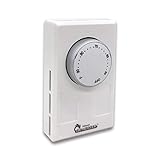
2. Dr. Infrared Heater DR-001 Wall Thermostat 4 wires single or Double poles 120-277V 3360-7756W, White.
Overview:
The Dr. Infrared DR-001 is a versatile mechanical wall thermostat engineered for high-wattage electric heating systems (120V–277V). Its robust design supports commercial and residential applications, featuring dual-voltage compatibility and a flush-mount profile for seamless integration.
What Makes It Stand Out:
Exceptional voltage flexibility (3360W–7756W across 120V–277V) and dual C/F dials cater to diverse global or industrial needs. The large adjustment knob and double terminals ensure precise control and a definitive OFF position, while its wall-flush design minimizes space intrusion.
Value for Money:
Though pricier than basic models, its broad voltage range and commercial-grade durability justify the cost for high-demand settings. It outperforms single-voltage thermostats in versatility, avoiding the need for multiple units in mixed-voltage environments.
Strengths and Weaknesses:
Strengths: Universal voltage compatibility, intuitive mechanical dial, secure OFF switch, space-saving flush mount, and suitability for heavy-duty heaters. Weaknesses: No digital display or backlighting, lacks programmability/smart features, and mechanical components may wear faster than digital alternatives.
Bottom Line:
An excellent choice for workshops, garages, or multi-voltage installations requiring rugged, hands-on control. Avoid if seeking automation, but ideal for users prioritizing adaptability and tactile simplicity in demanding heating scenarios.
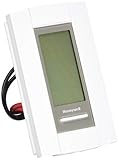
3. Honeywell TL8230A1003 Electric Heat Digital 7 Day Programmable Thermostat
Overview:
Honeywell’s TL8230A1003 is a programmable digital thermostat for 240V electric heating systems, featuring a 7-day schedule to optimize energy use. It combines precision temperature control with user-friendly programming for homeowners aiming to reduce heating costs.
What Makes It Stand Out:
True 7-day flexibility allows unique schedules per day, while “early start” ensures target temperatures are met on time. The backlit display and ±1°F accuracy enhance usability and efficiency, and soundproofed operation maintains quiet comfort—key upgrades over non-programmable models.
Value for Money:
Priced moderately higher than basic thermostats, it pays for itself through claimed 20%+ energy savings from tailored scheduling. It’s a smarter investment than non-programmable units for households with regular routines, though less versatile than Wi-Fi alternatives.
Strengths and Weaknesses:
Strengths: Significant energy savings potential, intuitive programming, quiet operation, clear display, and precise temperature management. Weaknesses: No remote access or smart integrations, limited to single-zone control, and manual adjustments override schedules inconveniently.
Bottom Line:
Highly recommended for energy-conscious users with predictable schedules. It balances cost, savings, and ease of use effectively, though tech-savvy buyers may prefer Wi-Fi-enabled models for added convenience.
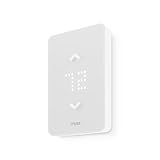
4. Mysa Smart Thermostat LITE - Line Voltage Electric Baseboard Heater Thermostat 120V/240V | DIY Install | HomeKit, Alexa, Google | Wi-Fi Programmable | App Control
Overview:
Mysa LITE is a Wi-Fi smart thermostat engineered for 120V–240V electric heaters, enabling remote control via app or voice assistants. It merges DIY installation with advanced scheduling and energy tracking, targeting modern homeowners seeking efficiency without subscription fees.
What Makes It Stand Out:
True multi-voltage compatibility (120V/208V/240V) and free lifetime app access—featuring scheduling, usage reports, and smart integrations—set it apart. The promise of 26% heating cost reduction through occupancy-based automation and a 15-minute DIY install lower adoption barriers significantly.
Value for Money:
Competitively priced for a smart thermostat, its $0 subscription model beats rivals requiring paid plans. Energy savings and convenience justify the premium over non-smart models, especially for vacation homes or dynamic households needing remote adjustments.
Strengths and Weaknesses:
Strengths: No subscription fees, robust app features, easy DIY install, voice control, and strong energy-saving potential. Weaknesses: Limited to single-pole wiring, app dependency for full functionality, and occasional Wi-Fi connectivity issues reported.
Bottom Line:
A top-tier pick for tech-forward users wanting smart control without ongoing costs. Its free app, ease of use, and energy tracking deliver exceptional value, making it the smart choice for connected, efficient heating management.
5. Stelpro Single Pole Line Voltage Thermostat, Mechanical 240 Volts, Compatible with Most Heating Products (Electric Baseboards, Wall Fan Heaters or Commercial Fan-Forced Heaters), (SWT1F) White

Overview:
Stelpro’s SWT1F is a no-nonsense mechanical thermostat for 240V electric heating systems, designed for universal compatibility with baseboards, fan heaters, and commercial units. Its simplicity suits users preferring analog reliability over digital complexity.
What Makes It Stand Out:
The rugged mechanical dial offers tactile, tool-free temperature adjustments, while the 2-wire installation ensures quick setup. Its molded plastic construction provides durability and a discreet profile, blending into residential or commercial spaces without fuss.
Value for Money:
As one of the most affordable options, it’s ideal for budget replacements or secondary zones. Though lacking modern features, its longevity and universal compatibility offer unmatched cost efficiency for basic, set-and-forget heating control.
Strengths and Weaknesses:
Strengths: Extremely easy installation, broad heater compatibility, durable build, quiet operation (no electronics), and lowest upfront cost. Weaknesses: No precision temperature display, prone to minor calibration drift over time, zero energy-saving features, and no backlighting.
Bottom Line:
Perfect for rentals, garages, or as a backup thermostat where simplicity and affordability trump innovation. Choose this if you need a rock-solid, maintenance-free solution—but skip it for primary living areas where programmability or efficiency matter.
6. Honeywell Home CT410B Manual 4 Wire Premium Baseboard/Line Volt Thermostat CT410B1017

Overview:
This non-programmable line-voltage thermostat (120-240V) is designed for electric baseboards, convectors, and non-inductive fan-forced heaters. Its bimetal sensor ensures straightforward manual operation within a 40°F–80°F range, prioritizing reliability over advanced features.
What Makes It Stand Out:
The double-line break (4-wire) design provides a true “OFF” position, enhancing safety by fully cutting power—unlike single-pole alternatives that only reduce heat. The bimetal sensor requires no batteries, offering maintenance-free operation ideal for secondary spaces or users seeking simplicity.
Value for Money:
Priced affordably, it outperforms cheaper single-pole models by eliminating phantom energy drain when off. While lacking programmability, it’s a cost-effective solution for rentals, garages, or rooms needing basic, dependable heat control without recurring costs.
Strengths and Weaknesses:
Strengths: True power cutoff enhances safety; robust bimetal sensor; easy 4-wire installation; wide voltage compatibility. Weaknesses: Non-programmable (no energy savings); limited 40°F–80°F range; no digital display or precision adjustments.
Bottom Line:
A reliable, safety-focused choice for straightforward electric heating needs. Ideal for budget-conscious buyers prioritizing durability over smart features, though unsuitable for users seeking automated scheduling.
7. Cadet Double Pole Mechanical Wall Thermostat for Electric Heaters (Model: T522-W), 22 Amp, White

Overview:
This 22-amp double-pole mechanical thermostat (T522-W) suits 120V/240V electric baseboard and wall heaters. Its manual twist dial offers intuitive temperature adjustment within standard comfort ranges, targeting users who prefer simplicity and quick installation.
What Makes It Stand Out:
Color-coded wiring terminals significantly simplify installation or replacement, reducing errors for DIYers. The positive “OFF” position fully disconnects power, and its universal compatibility allows easy swaps with most legacy line-voltage thermostats.
Value for Money:
Competitively priced for its double-pole safety benefits, it avoids the premium of programmable models. It’s a practical investment for homeowners upgrading old thermostats or maintaining secondary spaces where complex scheduling isn’t needed.
Strengths and Weaknesses:
Strengths: Color-coded wires ease setup; reliable mechanical dial; true power shutoff; broad heater compatibility; durable 22A rating. Weaknesses: No programmability; limited precision (±2°F accuracy); basic aesthetics; no battery backup.
Bottom Line:
An excellent value for dependable, no-frills heating control. Highly recommended for straightforward installations where safety, ease of use, and affordability outweigh desires for automation.
8. Lux ELV4 Line Voltage Programmable 5-2 Day Thermostat; 1 Heat, Line Voltage Only

Overview:
The Lux ELV4 is a line-voltage programmable thermostat supporting 5-2 day scheduling (weekdays/weekends). It targets energy-conscious users but excludes heaters with integrated fans (inductive loads), limiting compatibility to pure resistive systems like baseboards.
What Makes It Stand Out:
Four daily program periods enable granular energy management, while the temporary override function allows quick adjustments without erasing schedules. Front battery access and a low-battery indicator enhance long-term usability without professional servicing.
Value for Money:
Priced moderately higher than manual models, its energy-saving potential justifies the cost for frequently occupied spaces. However, value diminishes if replacing it in systems with fan-assisted heaters due to compatibility constraints.
Strengths and Weaknesses:
Strengths: Flexible 5-2 scheduling; easy override; UL-certified; battery accessibility; weekend/day-specific programming. Weaknesses: Incompatible with fan-forced heaters; complex setup for non-tech users; requires batteries; limited to resistive loads.
Bottom Line:
A solid choice for optimizing efficiency in compatible baseboard systems, but verify heater type first. Best for tech-savvy homeowners willing to navigate programming for long-term savings.
9. Stelpro Double-Pole Line Voltage Mechanical Wall Thermostat – 22A (120–277V), Durable Plastic Housing, Adjustable Dial, Non‑Programmable, 50–90°F Range (SWT2F) – White
Overview:
Stelpro’s SWT2F is a double-pole mechanical thermostat rated for 120–277V systems (up to 22A). Designed for residential and commercial electric heaters, it features a smooth-turn dial controlling temperatures from 50°F to 90°F within a low-profile, durable housing.
What Makes It Stand Out:
Its exceptional 120–277V compatibility covers niche commercial voltages, while the double-pole design ensures complete power disconnection—critical for safety in cold climates. CSA/UL certification and a 1-year warranty underscore reliability in demanding environments.
Value for Money:
Slightly pricier than basic models, but the extended voltage range and robust build justify costs for commercial use or high-voltage residential systems. It outperforms single-pole thermostats in energy savings via true shutoff.
Strengths and Weaknesses:
Strengths: Wide voltage compatibility; true power cutoff; commercial-grade durability; intuitive dial; clean aesthetics; strong warranty. Weaknesses: Non-programmable; narrower temp range (50°F–90°F); no digital features; mechanical calibration drift possible.
Bottom Line:
The top pick for commercial installations or high-voltage setups needing safety and simplicity. Avoid if you require programmability, but ideal for users prioritizing safety, versatility, and longevity.
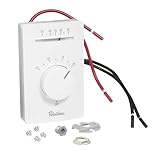
10. Robertshaw DPST Line Voltage Electric Heat Thermostat 802
Overview:
This double-pole, single-throw (DPST) thermostat replaces most electric heat models, targeting baseboard and radiant heating systems. It emphasizes safety and installer efficiency with J-box compatibility and a bimetal sensor ensuring ±2°F accuracy.
What Makes It Stand Out:
The J-box design streamlines installation in retrofit scenarios, reducing labor time. Its positive “OFF” switch guarantees complete system shutoff, while broad compatibility simplifies upgrades from outdated thermostats in existing setups.
Value for Money:
Positioned as a mid-tier replacement, it balances cost with professional-grade reliability. Electricians will appreciate the quick-install features, making it cost-effective versus higher-end programmable units for basic heat control.
Strengths and Weaknesses:
Strengths: J-box compatible for fast installs; true power cutoff; wide replacement potential; ±2°F accuracy; robust build. Weaknesses: No programmability; limited to line-voltage systems; basic functionality; no battery backup.
Bottom Line:
A dependable, installer-friendly solution for straightforward electric heating replacements. Highly recommended for contractors or homeowners upgrading legacy thermostats where simplicity and safety are paramount.
Understanding Line Voltage Systems for Apartments
Before diving into features, it’s crucial to grasp why line voltage thermostats are distinct and vital for your specific setup. Confusing them with low-voltage systems leads to installation errors and operational headaches.
How Line Voltage Differs from Low-Voltage Systems
Line voltage thermostats handle the full electrical current required by individual heating units like baseboards, operating at 120V or 240V. Low-voltage thermostats (typically 24V) act as switches for central systems like furnaces or heat pumps, using a transformer. Installing a low-voltage thermostat on a line voltage circuit is dangerous and violates electrical codes—it simply can’t handle the power load. Always verify your heater’s wiring type before selection.
Common Applications in Multi-Unit Buildings
You’ll predominantly encounter line voltage thermostats controlling electric resistance heating elements in baseboard units, wall heaters, or older radiant systems within individual apartment units. They are the standard solution where each room or zone has its own dedicated heater, common in conversions and buildings without central forced-air systems. Understanding this prevalence helps you anticipate maintenance and upgrade needs across your portfolio.
Safety and Compliance Imperatives
Safety isn’t optional. Line voltage thermostats must carry certification from recognized testing laboratories (like UL or ETL) specifically for line voltage applications. Using uncertified devices risks fire, electrical shock, and voids insurance. Furthermore, local building and electrical codes strictly govern installation practices; non-compliant thermostats can lead to failed inspections, fines, or liability issues, especially during tenant turnover or renovations.
Essential Features for Apartment Owner Success
Beyond basic temperature control, the right features deliver tangible returns through energy savings, reduced maintenance, and happier tenants. Prioritize capabilities that align with the realities of rental property management.
Precise Programmable Scheduling Capabilities
Gone are the days of simple on/off switches. Look for thermostats offering multiple daily scheduling periods (7-day programming is ideal). This allows setting lower temperatures during typical work hours or nights when units are unoccupied, automatically warming before tenants return. Consistent, tenant-proof scheduling is the single biggest driver of energy savings in rental properties, directly impacting your utility costs.
Robust Tenant Lockout and Override Management
Tenants will adjust settings. The key is controlling how much they can change. Effective lockout features prevent drastic temperature swings (e.g., locking the max heat setting to 72°F) while allowing minor, temporary overrides (e.g., +2°F for 2 hours). This balances tenant comfort needs with preventing energy waste from excessively high settings, crucial for managing costs without constant landlord intervention.
Remote Monitoring and Management via App
For property managers overseeing multiple buildings, remote access is transformative. A quality app allows you to view real-time temperatures across all units, adjust schedules centrally (e.g., lowering heat during a prolonged vacancy), receive alerts for extreme temperatures (indicating potential heater failure or open windows), and even diagnose basic issues without sending a technician. This saves significant time and service call expenses.
Energy Usage Tracking and Reporting
Understanding where energy is consumed is the first step to reducing it. Thermostats with built-in energy monitoring provide historical data on runtime and estimated consumption per unit. Compare usage between similar units to identify potential heater malfunctions or unusually high-consuming tenants, enabling targeted interventions and justifying utility cost allocations.
Predictive Scheduling and Learning (Smart Features)
Advanced models go beyond simple programming. True learning capabilities (not just basic scheduling) analyze tenant behavior patterns over time to automatically optimize heat delivery for comfort and efficiency. Predictive features can also anticipate recovery times—starting the heater earlier on very cold mornings to reach the desired temperature precisely at the scheduled wake-up time, avoiding wasteful “catch-up” heating.
Enhanced Durability for High-Turnover Environments
Apartments see constant tenant changes. Thermostats need rugged construction: high-quality plastics resistant to cracking, secure mounting mechanisms that prevent easy removal, and tamper-proof covers for settings. Consider models designed for commercial use—they often withstand the wear and tear of rental life far better than basic residential units.
Clear, Intuitive Display for All Users
A complicated interface leads to frustrated tenants and unnecessary service calls. The display must be large, backlit, and show critical information (current temp, setpoint, active schedule period, lock status) clearly and simply. Avoid overly technical menus; tenants and maintenance staff should grasp basic operation instantly.
Installation and Maintenance Considerations
Getting the thermostat right starts with proper installation and ongoing care. Cutting corners here undermines even the most feature-rich device.
Professional Installation vs. DIY Feasibility
While line voltage thermostats can be DIY projects for the experienced, strongly consider hiring a licensed electrician, especially in multi-unit properties. Mistakes with line voltage are dangerous (fire/shock risk). Professionals ensure correct wiring, secure mounting, proper load handling, and code compliance, preventing costly callbacks and safety liabilities. Factor this into your budget—it’s an essential investment.
Compatibility Checks Before Purchase
Never assume compatibility. Verify the thermostat’s amperage rating matches or exceeds your heater’s requirements (check the heater nameplate). Ensure it’s rated for your specific voltage (120V, 240V, or dual). Confirm it supports the type of heater (resistive load like baseboards—not for heat pumps or gas furnaces). Skipping this step leads to premature failure or safety hazards.
Strategic Placement for Accurate Control
Location is critical for performance. Install the thermostat on an interior wall, away from drafts, direct sunlight, heat sources (like lamps or TVs), or cold outside walls. Placing it near a frequently opened exterior door or in a hallway can cause short-cycling (frequent on/off) as it reacts to transient temperatures, wasting energy and wearing out the heater. Aim for a central location representative of the main living area’s temperature.
Proactive Maintenance for Longevity
Line voltage thermostats are relatively low-maintenance but benefit from attention. Schedule brief checks during routine unit turnovers: gently vacuum the cover to remove dust buildup (which insulates the sensor), verify the display is clear and responsive, and ensure the mounting is secure. Replace batteries in models that use them annually, even if not depleted. This prevents unexpected failures and ensures consistent operation.
Maximizing Value and Future-Proofing Your Investment
Choosing a thermostat isn’t just about today; it’s about preparing for evolving tenant expectations and energy landscapes in the coming years.
Integration with Broader Property Management Systems
Look beyond the standalone app. Does the thermostat platform offer API access or integrations with popular property management software (PMS) or building automation systems (BAS)? Seamless integration allows heating data and control to flow into your central management dashboard, providing holistic operational insights and streamlining workflows across maintenance, billing, and tenant communications.
Grid Responsiveness and Demand Response Readiness
Utilities increasingly offer demand response programs that incentivize reducing energy use during peak grid stress. Thermostats capable of receiving and acting on utility signals (often via the app) can automatically adjust temperatures slightly during these events, earning you rebates while supporting grid stability. As these programs expand, having compatible thermostats positions you to capture savings effortlessly.
Adapting to Evolving Tenant Expectations
Modern renters expect smart home features as standard. A thermostat offering reliable remote control, clear energy feedback, and ease of use becomes a subtle but valuable amenity, enhancing tenant satisfaction and potentially justifying rent premiums. It signals that you invest in modern, efficient living—differentiating your property in a competitive market.
Calculating the True Return on Investment
Focus on more than just the upfront thermostat cost. Factor in: projected annual energy savings (often 10-20% with proper scheduling), reduced service call frequency (due to remote diagnostics and robust design), lower tenant turnover costs (from improved comfort), and potential utility rebates. A slightly higher initial investment often pays back rapidly through these combined operational savings.
Frequently Asked Questions
How do I know if my apartment needs a line voltage thermostat?
Look at your heating units. If you have electric baseboard heaters, wall heaters, or individual radiant panels (common in older apartments and conversions), they almost certainly require a line voltage thermostat (120V or 240V). Check the wiring at the heater or existing thermostat—if it’s standard household wire (like Romex with black/white/bare copper), it’s line voltage, not the thin wires used in low-voltage systems.
Can I install a smart line voltage thermostat myself to save money?
While possible for experienced individuals, we strongly advise against DIY installation for line voltage thermostats in rental properties. Mistakes with 120V/240V wiring pose serious fire and electrocution risks. Hiring a licensed electrician ensures safety, code compliance, proper load matching, and warranty validity, preventing costly and dangerous callbacks—this is a critical expense, not an area to cut corners.
How much energy can I realistically save with a programmable line voltage thermostat?
Savings vary based on climate, building insulation, and usage patterns, but well-implemented scheduling (e.g., lowering heat by 7-10°F during sleep or work hours) typically reduces heating costs by 10-20% annually. The key is consistent scheduling that tenants can’t easily override to inefficient levels. Features like occupancy sensing or learning can push savings toward the higher end.
What prevents tenants from just cranking the heat way up?
Effective thermostat management requires features like adjustable maximum temperature limits (e.g., locked at 72°F) and temporary override durations (e.g., +2°F for 2 hours only). Combine this with clear lease terms outlining utility responsibilities and the consequences of excessive usage. Remote monitoring allows you to spot and address problematic patterns quickly.
Are line voltage thermostats less reliable than low-voltage ones?
Not inherently. Reliability depends on build quality, correct installation, and proper matching to the heater’s electrical load. Commercial-grade line voltage thermostats designed for rentals are often built tougher than basic residential low-voltage models. Choosing a reputable brand with robust construction and professional installation is key to long-term reliability.
Do smart line voltage thermostats require a hub or extra equipment?
Most modern smart line voltage thermostats connect directly to your existing Wi-Fi network using built-in radios—no separate hub is needed. Ensure your property has reliable Wi-Fi coverage in all unit locations where thermostats will be installed, as poor signal can disrupt remote features and scheduling.
How often should line voltage thermostats be replaced in rental units?
There’s no fixed timeline, but proactively replace them during major unit renovations or when turnover reveals issues (flickering display, inaccurate temperature, unresponsiveness). Well-maintained, quality thermostats often last 10-15 years. However, upgrading older mechanical thermostats to programmable or smart models during vacancies provides immediate energy savings and tenant satisfaction benefits.
Can these thermostats control both heating and cooling?
Standard line voltage thermostats are designed only for controlling resistive electric heat (baseboards, etc.). They cannot control central air conditioning or heat pumps, which require low-voltage systems. If a unit has a separate window AC or portable unit, the line voltage thermostat won’t control it; those have their own controls.
What’s the biggest mistake apartment owners make with line voltage thermostats?
The most common and critical error is installing the wrong type—using a low-voltage thermostat on a line voltage circuit (dangerous and illegal) or vice-versa. The second biggest mistake is neglecting tenant lockout features, leading to uncontrolled energy waste from excessively high temperature settings, significantly increasing your operational costs.
Are there utility rebates available for upgrading line voltage thermostats?
Yes, many utility companies and energy efficiency programs offer rebates for installing programmable or smart thermostats, including line voltage models. Check your local utility’s website or programs like ENERGY STAR (which certifies some line voltage models) for current offers. Rebates can substantially offset the upfront cost, improving your return on investment.
See Also
- 10 Essential Thermostats with Sensors Every Smart Home Owner Needs in 2026
- 10 Top-Rated Line Voltage Thermostats According to Experts in 2026
- The 10 Most Revolutionary Line Voltage Thermostats of 2026
- 10 Essential HVAC Thermostats Every Homeowner Needs in 2026
- 10 Essential Smart Thermostats Every First-Time Homeowner Needs in 2026