Table of Contents
Living through sweltering heatwaves isn’t just uncomfortable; it can be dangerous, especially in regions where temperatures routinely soar past 100°F. When the sun beats down relentlessly and humidity hangs thick in the air, a reliable window air conditioner transforms from a luxury into an essential lifeline for safety and sanity. But navigating the crowded market for cooling solutions can feel overwhelming, particularly when generic advice falls short for extreme conditions. You need equipment engineered to endure prolonged, intense operation without breaking down or breaking the bank on energy bills. The stakes are high, and choosing poorly means enduring misery or facing costly replacements far too soon.
Forget one-size-fits-all recommendations. What works in a mild coastal climate will likely buckle under the pressure of a desert summer or a humid subtropical furnace. Real-world performance in these environments hinges on specific, often overlooked, technical considerations that go far beyond basic BTU ratings. Drawing from extensive analysis of user experiences across diverse hot zones – from the arid Southwest to the steamy Southeast – this guide cuts through the marketing fluff. We’ll focus on the critical engineering features and practical realities that determine whether a unit will be your hero during a heat emergency or a frustrating, expensive paperweight. It’s time to equip yourself with the knowledge to make a truly informed decision for your specific, scorching reality.
Top 10 Window Air Conditioners for Hot Climates
Detailed Product Reviews
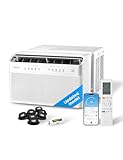
1. Midea 10,000 BTU U Shaped Smart Inverter Window Air Conditioner - Cools 450 Sq Ft, Ultra Quiet with Open Window Flexibility - Alexa/Google Assistant Compatible - 35% Energy Savings, Remote (Updated)
Overview:
The Midea U Smart Inverter AC redefines window units with its innovative U-shaped design, targeting medium to large rooms up to 450 sq ft. Combining ENERGY STAR certification with smart connectivity, it prioritizes quiet operation and energy efficiency while addressing traditional AC limitations.
What Makes It Stand Out:
Its standout feature is the U-shape architecture, enabling windows to remain partially open for fresh air and unobstructed views—unheard of in conventional units. The inverter technology delivers ultra-quiet 32 dBA operation (10x quieter than standard models) and 35%+ energy savings. Full smart integration via app, Alexa, and Google Assistant, plus an anti-theft window lock, further differentiate it.
Value for Money:
Priced higher than basic units, it justifies cost through long-term energy savings (verified by ENERGY STAR) and unique flexibility. While competitors lack open-window capability, the robust installation kit and 450 sq ft coverage make it a premium yet practical investment for tech-savvy users seeking comfort without compromise.
Strengths and Weaknesses:
Strengths: Unmatched quietness; significant energy savings; window-open flexibility; reliable smart controls; secure anti-theft feature.
Weaknesses: Higher upfront cost; requires compatible window dimensions (22"-36" width); R32 refrigerant may complicate future servicing.
Bottom Line:
Ideal for those prioritizing silence, energy efficiency, and modern convenience, this AC is worth the premium. Its innovative design solves key pain points, making it a top-tier choice for medium-large spaces despite the initial investment.
2. Frigidaire 8,000 BTU Window Air Conditioner with Remote Control, Cools Up to 350 Sq. Ft., Quiet Operation, Eco Mode, 3 Fan Speeds, Auto Restart, White

Overview:
This Frigidaire model delivers reliable, no-frills cooling for spaces up to 350 sq ft, emphasizing user-friendly operation and energy-conscious features. It targets budget-focused buyers seeking dependable performance in bedrooms or small living areas.
What Makes It Stand Out:
The Eco Mode intelligently balances cooling and energy use, while Sleep Mode gradually raises temps overnight for efficiency. Its 54 dBA quiet operation and 6-way airflow customization ensure comfort without disruption. The washable filter with clean alerts simplifies maintenance, a practical touch often overlooked.
Value for Money:
Competitively priced, it offers excellent value for basic cooling needs. Though lacking smart features, the Eco Mode reduces long-term costs, and the 350 sq ft coverage suits standard rooms. It outperforms cheaper units in durability and thoughtful extras like the 24-hour timer and Dry Mode.
Strengths and Weaknesses:
Strengths: Effective Eco/Sleep modes; very quiet for its class; intuitive remote; easy filter access; reliable auto restart.
Weaknesses: No Wi-Fi/smart controls; limited to 350 sq ft; basic design feels dated compared to premium models.
Bottom Line:
A superb budget-friendly option for small spaces, this Frigidaire excels in efficiency and ease of use. Choose it for straightforward, quiet cooling without smart-tech complexity or added expense.
3. Frigidaire 5,000 BTU Window-Mounted Air Conditioner, Cools Up to 150 Sq. Ft., Quiet Operation, Effortless Temperature Control, 2 Fan Speeds, Auto Restart, White

Overview:
Designed for compact spaces like studios or tiny bedrooms (up to 150 sq ft), this Frigidaire unit focuses on simplicity and quiet comfort. It’s a no-nonsense solution for cooling small areas efficiently.
What Makes It Stand Out:
Its ultra-quiet 52 dBA operation is ideal for light sleepers, while Effortless Temperature Control maintains consistent cooling. The extra-long power cord eliminates extension cords, and adjustable side panels ensure secure, efficient installation in narrow windows—key for apartment dwellers.
Value for Money:
Exceptional value for micro-spaces. At an affordable price, it covers essential needs: quiet cooling, basic fan speeds, and auto restart. While underpowered for larger rooms, it outperforms mini-splitters in cost-effectiveness for its targeted 150 sq ft capacity.
Strengths and Weaknesses:
Strengths: Extremely quiet; space-efficient design; tool-free installation; long power cord; reliable auto restart.
Weaknesses: Too small for most bedrooms (150 sq ft limit); only two fan speeds; no smart features or timer.
Bottom Line:
Perfect for closets, home offices, or very small rooms, this AC delivers quiet, fuss-free cooling. Avoid for larger areas, but for micro-spaces, it’s a cost-effective, reliable workhorse.
4. Midea 8,000 BTU U Shaped Smart Inverter Window Air Conditioner - Cools 350 Sq Ft, Ultra Quiet with Open Window Flexibility - Alexa/Google Assistant Compatible - 37% Energy Savings, Remote (Updated)
Overview:
This Midea U model scales down the 10K BTU unit for 350 sq ft spaces, retaining the signature U-shape design and smart features. It merges energy efficiency with modern convenience in a compact package.
What Makes It Stand Out:
The U-shape design allows windows to open for ventilation and views—a game-changer versus sealed traditional units. With 32 dBA quietness (10x quieter than standard ACs) and 37% energy savings (ENERGY STAR certified), it excels in efficiency. Full smart control via app/voice and anti-theft locking add premium appeal.
Value for Money:
Slightly pricier than non-inverter 8K BTU units, but the energy savings and unique flexibility justify the cost. It outperforms competitors like Frigidaire in noise reduction and innovation, making it a smart buy for those valuing long-term savings and modern features.
Strengths and Weaknesses:
Strengths: Window-open capability; industry-leading quiet operation; substantial energy savings; robust smart integration; secure installation.
Weaknesses: Premium price; window size constraints (22"-36" width); R32 refrigerant limitations.
Bottom Line:
The best-in-class 8K BTU option for tech-oriented users. If you need quiet, efficient cooling with window flexibility for 350 sq ft, this Midea is a future-proof investment worth considering.
5. ROVSUN 8000 BTU Window Air Conditioner with Heat, Window AC Unit & Heater Combo with APP & Voice Smart Control, Timer Function & Easy Installation Kit, Work with Alexa/Google Assistant, 115V/60Hz

Overview:
ROVSUN’s dual-function unit offers year-round climate control (cooling + 4,000 BTU heating) for spaces up to 350 sq ft. It targets users needing both heating and cooling without separate systems.
What Makes It Stand Out:
The heating capability (rare in window ACs) is its crown jewel, alongside 5 modes (Heat/Cool/Dry/Auto/Fan) and ECO energy-saver. Smart app/voice control and a 24H timer enhance convenience, while the front-accessible washable filter simplifies upkeep—uncommon in budget combos.
Value for Money:
Excellent value as an all-in-one solution. Though heating output is modest (4,000 BTU), avoiding a separate heater saves space and cost. At mid-range pricing, it outperforms single-function units for mild climates, but heating limitations affect extreme cold.
Strengths and Weaknesses:
Strengths: Versatile heating/cooling; comprehensive smart controls; easy filter access; simple installation kit; multi-mode operation.
Weaknesses: Weak heater for cold climates; noisy at 55+ dBA; less energy-efficient than inverter models; basic build quality.
Bottom Line:
A pragmatic choice for mild climates needing seasonal flexibility. Prioritize it for apartments where space is tight, but opt for dedicated heating in freezing zones. The smart features sweeten an already functional package.
6. Amazon Basics 6000-BTU Window Air Conditioner, Up to 250 Sqf, Window AC Units with Cool and Fan Functions, Washable Filter, Adjustable Window Kit, Digital Temperature Display, Remote Control, White

Overview: This budget-friendly 6000-BTU window AC unit efficiently cools spaces up to 250 sq. ft., targeting bedrooms or home offices. It offers essential cooling and fan modes with user-friendly digital controls and a remote. What Makes It Stand Out: Its standout features include the convenient remote control, precise 7-temperature digital display, and a washable filter for low-maintenance air quality. The 2-way air direction and dual-speed settings enhance personalized comfort without complexity. Value for Money: Excelling as an affordable, no-frills solution, it undercuts pricier brands while delivering reliable performance for small-to-medium rooms. The included installation kit and washable filter reduce long-term costs, making it ideal for renters or cost-conscious buyers. Strengths and Weaknesses: Strengths: Quiet operation (56 dB), straightforward digital controls, comprehensive installation kit, and effective for its rated size. Weaknesses: Basic mechanical installation requires tools (not included), lacks smart features or heating, and window width range (23"-36") may exclude some openings. Bottom Line: A dependable, economical choice for cooling modest spaces; highly recommended for those seeking simplicity, quiet operation, and essential features without smart-tech premiums.
7. GE Window Air Conditioner Unit, 5,000 BTU for Small Rooms up to 150 sq ft. with Manual Adjustable Fan and Cooling Settings, Perfect for Small Bedroom or Living Room, Easy Install Kit Included, White

Overview: This compact 5,000-BTU GE unit targets very small rooms (up to 150 sq. ft.), like studios or guest bedrooms, with manual controls and a focus on straightforward cooling performance. What Makes It Stand Out: It distinguishes itself with ultra-simple mechanical dials for temperature (10 settings) and fan speed, eliminating digital complexity. The included EZ Mount kit and fixed chassis streamline setup for users preferring analog operation. Value for Money: Positioned as a bare-bones budget option, it offers exceptional value for cooling tiny spaces where advanced features are unnecessary. The low upfront cost and included installation components make it a smart buy for minimalistic cooling needs. Strengths and Weaknesses: Strengths: Extremely quiet for nighttime use, effortless manual controls, reliable brand reputation, and genuinely easy installation with the EZ Mount kit. Weaknesses: No remote or digital display, limited to small rooms, and window height requirement (13.375") may restrict fit. Bottom Line: The top pick for uncomplicated, whisper-quiet cooling in compact spaces; ideal for dorms, tiny bedrooms, or buyers who prioritize simplicity and affordability over tech features.
8. ROVSUN 8000 BTU Air Conditioner Window Unit with Heat, 4-in-1 Window AC Unit Cooler, Heater, Dehumidifier & Fan with Timer, Remote Control & Installation Kit for Rooms up to 350 Sq. Ft, 115V/60Hz

Overview: This versatile 8,000-BTU ROVSUN unit provides year-round climate control (cooling, heating, dehumidifying, and fan) for rooms up to 350 sq. ft., targeting homeowners needing multi-season functionality. What Makes It Stand Out: Its 4-in-1 capability (including 4,000-BTU heating) is the key differentiator, alongside ECO mode, a 24-hour timer, and remarkably quiet operation (52 dB). The remote control and intuitive LED display enhance usability significantly. Value for Money: Offers strong value by combining heating and cooling in one unit, eliminating the need for separate appliances. The energy-efficient compressor and included installation kit justify its mid-range price for medium-sized rooms requiring year-round comfort. Strengths and Weaknesses: Strengths: All-season versatility, very quiet, energy-saving ECO mode, comprehensive remote control, and easy filter access. Weaknesses: Requires precise window sizing (confirm before purchase), lacks smart connectivity, and heating capacity is modest for very cold climates. Bottom Line: Highly recommended for medium rooms needing affordable, quiet, and versatile temperature control year-round; skips smart features but excels in core functionality and value.
9. Amazon Basics 5000-BTU Small Window Air Conditioner, Up to 150 Sqf, Window AC Units with Cool and Fan Functions, Washable Filter, Adjustable Window Kit, Intuitive Mechanical Controls, White

Overview: Amazon Basics’ compact 5,000-BTU model delivers basic cooling for very small rooms (up to 150 sq. ft.), featuring mechanical dials instead of digital displays for simplicity and affordability. What Makes It Stand Out: It stands out with exceptionally intuitive, tactile mechanical controls—ideal for users who dislike remotes or digital interfaces. The washable filter and 2-way airflow maintain core functionality without electronic complexity. Value for Money: As one of the most budget-conscious options, it provides unbeatable value for ultra-small spaces where advanced features are irrelevant. The low price, included installation kit, and durable mechanical design ensure cost efficiency. Strengths and Weaknesses: Strengths: Rock-solid reliability, ultra-simple operation, quiet (56 dB), washable filter, and broad window compatibility (23"-36" wide). Weaknesses: No remote or digital display, limited to tiny rooms, and installation requires basic tools (not included). Bottom Line: The definitive choice for no-nonsense, affordable cooling in closets, tiny bedrooms, or offices; perfect for minimalists, renters, or secondary spaces where tech features are unnecessary.
10. ROVSUN 12000 BTU Window Air Conditioner with Heat, Window AC Unit & Heater Combo with APP & Voice Smart Control, Timer Function & Easy Installation Kit, Work with Alexa/Google Assistant, 208/230V
Overview: This premium 12,000-BTU ROVSUN unit delivers powerful cooling and heating (for rooms up to 550 sq. ft.) with advanced smart-home integration, targeting tech-savvy users needing whole-room climate control. What Makes It Stand Out: Its standout feature is full smart connectivity—voice control via Alexa/Google Assistant, dedicated app control, and customizable scheduling. The 4-in-1 functionality (including heating), ECO mode, and large-room capacity further elevate it. Value for Money: While pricier, it justifies cost with smart convenience, robust dual-functionality for large spaces, and energy-saving features. The included warranty and installation kit add value for homeowners seeking a future-proof, high-capacity solution. Strengths and Weaknesses: Strengths: Exceptional smart-home integration, powerful cooling/heating for large areas, comprehensive modes (5 functions, 3 speeds), and easy filter maintenance. Weaknesses: Requires 208/230V outlet (not standard 115V), complex setup for non-tech users, and window size constraints (26"-36" wide). Bottom Line: A top-tier recommendation for large rooms and smart-home enthusiasts wanting ultimate convenience and year-round control; skip only if limited to standard voltage outlets or seeking basic cooling.
Understanding Your Extreme Cooling Needs
Before even looking at units, you must accurately define the challenge your air conditioner will face. This foundational step prevents costly under-sizing or wasteful over-sizing, both common pitfalls in demanding climates.
Calculating True Cooling Load for Intense Heat
Standard BTU calculators often underestimate needs in extreme conditions. You must factor in intense, prolonged solar radiation through windows (especially west-facing), high ceiling heights, poor insulation, and the heat generated by multiple occupants or appliances. A room that might need 8,000 BTUs in a moderate climate could easily require 12,000 BTUs or more when consistently battling 110°F+ outdoor temps. Always lean towards the higher end of the calculated range for hot zones.
Assessing Your Window’s Structural Reality
Not all windows are created equal for AC installation. Double-hung windows present different challenges than casement or sliding types. Measure the exact opening width and height after any necessary modifications (like removing screens or storm windows). Crucially, consider the window’s structural integrity – older or lightweight frames might not support heavier high-BTU units without reinforcement. Ensure the chosen unit model has adjustable side panels compatible with your specific window type.
Evaluating Power Availability and Circuit Capacity
High-capacity window units (typically 10,000 BTU and above) demand significant electrical power, often requiring a dedicated 115-volt or 230-volt circuit. Check your home’s electrical panel before purchasing. Plugging a large unit into an overloaded circuit causes tripped breakers, potential fire hazards, and unit damage. Verify the outlet near your window is grounded and in good condition; using extension cords is almost always unsafe and violates manufacturer warranties.
Critical Performance Features for Relentless Heat
When the mercury stays high for days or weeks, standard features become non-negotiable necessities. These elements determine sustained cooling power, reliability, and operational cost under duress.
High-Temperature Operation Capability
This is paramount. Many budget units simply shut down when ambient temperatures exceed 105-110°F, rendering them useless precisely when you need them most. Look explicitly for models rated to operate reliably at 115°F or higher ambient temperatures. This requires specialized compressor designs and robust refrigerant systems that won’t overheat or fail under thermal stress.
Robust Compressor and Refrigerant Technology
The compressor is the heart of the system. In extreme heat, inferior compressors overheat, cycle excessively, or burn out prematurely. Seek units utilizing rotary or scroll compressors (known for durability and quiet operation under load) over older reciprocating types. Advanced refrigerants like R-32 (increasingly common) offer better high-temperature performance and efficiency compared to older R-410A, though both can be suitable if the system is well-engineered.
Enhanced Airflow and Fan Design
Moving sufficient cooled air through hot, dense air requires powerful, well-designed fans. Look for units with larger diameter fan blades, higher CFM (Cubic Feet per Minute) ratings, and multi-speed fan settings. Optimized airflow paths within the cabinet prevent hot air recirculation and ensure cooled air is effectively distributed throughout the room, even against the resistance of very hot outdoor air.
Effective Moisture Removal in Humid Climates
In humid hot zones (like the Southeast US), dehumidification is as crucial as cooling. A unit that cools but leaves the air muggy feels uncomfortable and promotes mold growth. Prioritize models with strong dehumidification performance (measured in pints per hour), often indicated by a dedicated “Dry” or “Dehumidify” mode. Effective moisture removal makes the perceived temperature significantly lower and improves indoor air quality.
Energy Efficiency: Non-Negotiable in High-Use Scenarios
Running an AC constantly during a heatwave leads to staggering electricity costs. Prioritizing efficiency isn’t just eco-friendly; it’s a critical financial and practical consideration for hot climate dwellers.
Prioritizing High SEER2 Ratings
The Seasonal Energy Efficiency Ratio 2 (SEER2) is the current standard. While all new units meet a minimum, aim significantly higher – 12 SEER2 is the bare minimum, but 14 SEER2 or above delivers substantial savings during months of continuous operation. Every point increase in SEER2 translates to real-world cost reduction when the unit runs 16+ hours daily. Don’t be swayed by low upfront cost if the SEER2 is mediocre.
Smart Thermostat and Inverter Technology Benefits
Advanced thermostats with precise temperature control (±0.5°F) prevent wasteful overcooling. Inverter-driven compressors are a game-changer for hot climates. Unlike traditional units that cycle fully on/off, inverters continuously adjust compressor speed to match the exact cooling demand. This drastically reduces energy spikes during startup, maintains more consistent temperatures, operates quieter, and significantly lowers overall energy consumption during long runtime periods.
Energy-Saving Modes Beyond Basic Operation
Look for genuinely useful features like programmable timers to cool only when needed, eco-modes that optimize fan speed and temperature setpoints for efficiency without drastic comfort loss, and auto-restart after power outages (which are more common during extreme heat events). Features like sleep mode, which gradually raises the setpoint at night, offer incremental savings.
The Real Cost of “Cheap” Units in Hot Zones
A lower-priced unit with poor efficiency and durability becomes the most expensive option quickly in a hot climate. Frequent repairs, premature replacement (often within 2-3 brutal seasons), and exorbitant electricity bills far outweigh the initial savings of a budget model. Invest in quality engineering designed for endurance.
Installation and Operational Realities for Hot Climates
Even the best unit fails if installed poorly or operated incorrectly under extreme stress. These practical considerations ensure your investment performs as intended when the heat is on.
Perfecting the Seal: Preventing Hot Air Infiltration
A poorly sealed installation is the #1 cause of inadequate cooling and wasted energy. Every gap around the unit allows superheated outdoor air to infiltrate. Use high-quality, expandable foam insulation kits specifically designed for AC installation, not generic hardware store foam. Seal all gaps meticulously between the unit chassis and the window frame/sill, and between the side panels and the window. Check seals annually as materials degrade.
Ensuring Optimal Airflow Pathways
The unit needs unobstructed airflow on both sides. Outdoors, ensure the hot exhaust has clear space (at least 12-18 inches) above and around the unit; blocking it with shrubs, fences, or building overhangs drastically reduces efficiency and can cause overheating. Indoors, keep the air intake vents clear of furniture, curtains, or obstructions. Consider the direction the cool air blows – can it reach the main living area effectively?
Managing Condensate in High Humidity
High-capacity units in humid climates produce significant condensate. Understand how your specific model handles it: Does it evaporate internally? Does it require a drain hose? Units relying on internal evaporation can sometimes drip indoors if the humidity is extremely high or airflow is restricted. Ensure proper tilt (slight outward angle as per manual) for drainage, and have a plan for managing excess water if needed.
Routine Maintenance for Reliability Under Duress
Neglecting maintenance is a fast track to failure in hot weather. Clean or replace air filters at least monthly during peak season – clogged filters restrict airflow, reduce cooling, and strain the compressor. Vacuum dust and debris from the outdoor coil fins (use a soft brush) every few weeks; dirt buildup insulates the coil, crippling heat rejection. Check for and clear any obstructions around the unit. Lubricate moving parts if specified in the manual.
Long-Term Reliability and Value Considerations
Hot climates are brutal on equipment. Choosing a unit built to last saves money, hassle, and heartache when the next heatwave hits.
Evaluating Build Quality and Component Durability
Examine construction details: Heavy-gauge steel cabinets resist warping better than flimsy plastic. Look for sturdy, well-fitted side panels and secure mounting hardware. High-quality components (capacitors, contactors, wiring) sourced from reputable suppliers matter immensely for longevity under thermal stress. Read user feedback specifically about units lasting 5+ years in hot zones – this is a strong indicator.
Warranty Coverage Worth Its Weight
A standard 1-year parts/labor warranty is insufficient. Look for extended compressor warranties (5-10 years is common for better models) and comprehensive coverage periods (3-5 years on parts). Pay close attention to warranty exclusions – some void coverage if the unit isn’t installed perfectly per their (sometimes unrealistic) specs, or if it’s used in “commercial” settings (which your home essentially becomes during constant operation). A strong warranty reflects manufacturer confidence.
Noise Levels During Extended Operation
When your AC runs nearly 24/7, noise becomes a major factor in livability. Check decibel (dB) ratings at different fan speeds, especially the high-cool setting used most in extreme heat. Units under 50 dB on low are quiet, but high-cool settings often range 55-65+ dB. Read user comments about noise during sustained high-load operation, not just idle tests. Vibration transmission through the window frame can also be a nuisance.
Future-Proofing for Climate Extremes
As temperatures continue trending upward, consider if the unit’s maximum operating temperature and capacity provide a buffer for increasingly severe heat events expected in the coming decade. Investing slightly beyond your current needs might offer crucial resilience for future summers.
Frequently Asked Questions
Frequently Asked Questions
What’s the single most important feature for an AC in consistently 100°F+ weather? High-temperature operation capability (rated for 115°F+ ambient) is critical; units without this will shut down when you need them most.
How do I know if my electrical circuit can handle a large window unit? Check the unit’s required voltage/amperage (on its spec plate) against your circuit breaker rating (usually 15A or 20A). High-BTU units (12,000+ BTU) often need a dedicated circuit – consult an electrician if unsure.
Can I install a window AC unit in a sliding glass door? Yes, but it requires a specific, often custom, installation kit designed for sliding doors to ensure a secure, airtight fit and safe support.
Why does my AC freeze up or drip water inside during extreme humidity? This is often caused by restricted airflow (dirty filter, blocked vents) or low refrigerant. In very high humidity, some internal evaporation systems can’t keep up, requiring a drain hose setup.
Will a higher BTU unit cool my room faster in extreme heat? Not necessarily. An oversized unit cools too quickly without removing enough moisture, leading to a cold but clammy room and short-cycling that wears out the compressor faster. Proper sizing is key.
How often should I clean the filters in scorching, dusty conditions? During peak heat season with constant use, clean or replace filters at least once every 2-4 weeks to maintain airflow and efficiency.
Do “smart” features actually save significant energy in hot climates? Yes, programmable timers, precise thermostats, and inverter technology can yield meaningful savings by avoiding unnecessary runtime and optimizing compressor speed during long operational periods.
Is it worth paying more for a higher SEER2 rating if I only use AC a few months a year? In very hot climates where usage is high during those months, yes. The energy savings over even one intense season can offset much of the initial cost difference compared to a lower SEER2 model.
Can extreme heat shorten my air conditioner’s lifespan significantly? Absolutely. Continuous operation under high thermal stress accelerates wear on the compressor and electrical components. Proper sizing, quality build, and diligent maintenance are essential for longevity.
What’s the best way to prepare my window AC for the next heatwave season? Perform thorough maintenance: clean filters and coils, check seals for cracks, ensure proper tilt for drainage, verify electrical connections, and test operation well before the hottest days arrive.
See Also
- 10 Most Durable Window Air Conditioners Based on Real User Reviews in 2026
- 10 Most Durable Wheeled Window Air Conditioners Based on Real User Reviews in 2026
- 10 Most Durable Dual Hose Portable Air Conditioners Based on Real User Reviews in 2026
- 10 Most Durable Portable Air Conditioners Based on Real User Reviews in 2026
- 10 Best Window Air Conditioners for Hot Climates That Actually Cool in 2026