Table of Contents
Living in an apartment often means getting creative with climate control, especially when central air isn’t an option. Window air conditioners become your best friend during sweltering summers, but the difference between a wobbly, drafty installation and a secure, efficient setup lies entirely in the mounting kit you choose. For renters and apartment dwellers specifically, the stakes are even higher—you need solutions that keep you cool without jeopardizing your security deposit or creating safety hazards for pedestrians below.
The right window AC mounting kit isn’t just about holding your unit in place; it’s about creating a seamless integration between your air conditioner and your living space that considers weight distribution, weatherproofing, lease compliance, and easy removal when your lease ends. Whether you’re dealing with vintage window frames, strict landlord policies, or simply want to avoid a DIY disaster, understanding what makes a mounting kit apartment-friendly will save you money, time, and countless headaches. Let’s explore everything you need to know to make an informed decision that keeps both you and your property manager happy.
Top 10 Window AC Mounting Kits
Detailed Product Reviews
1. JEACENT AC Window Air Conditioner Support Bracket Light Duty, Up to 85 lbs
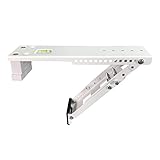
Overview: The JEACENT support bracket provides essential reinforcement for window-mounted air conditioners up to 85 pounds. Designed for indoor installation, this bracket eliminates risky exterior work by transferring weight from the window sill and sash directly to the structural frame. The universal design accommodates most window units while fitting wall thicknesses ranging from 2 to 11 inches. A built-in bubble level ensures proper mounting angle for condensate drainage, and all necessary hardware comes included for a straightforward DIY setup.
What Makes It Stand Out: This bracket’s indoor-only installation is its primary differentiator, removing the danger of leaning out windows during setup. The integrated bubble level simplifies achieving the correct downward tilt, preventing water accumulation issues. Its patented design (US D989611) demonstrates thoughtful engineering, while the all-weather construction ensures durability across seasons. The broad 2"-11" wall thickness compatibility makes it suitable for various home constructions, from older thick walls to modern framing.
Value for Money: Priced competitively against similar brackets, this JEACENT model offers significant savings compared to professional installation or potential window damage repairs. Most generic brackets lack the integrated level and precise wall thickness range, making this a smarter long-term investment. The included hardware eliminates extra trips to the hardware store, adding convenience value.
Strengths and Weaknesses: Pros: Safe indoor installation; integrated bubble level; comprehensive hardware kit; wide wall thickness range; patented design; weather-resistant materials. Cons: “Light duty” rating limits use to 85 lbs maximum; requires drilling into sill; incompatible with vinyl or aluminum sills; not suitable for casement windows.
Bottom Line: For homeowners seeking a safe, straightforward solution to support window AC units under 85 pounds, this bracket delivers excellent value. The indoor installation feature alone justifies the purchase, though carefully verify your sill material and window type before ordering.
2. Portable AC Window Vent Kit, Adjustable Vertical/Horizontal Sliding Window Kit Plate for AC Unit, AC Window Vent Kit, AC Window Seal With 5.9 Inch Diameter, 59 Inch Length Exhaust Hose

Overview: This comprehensive vent kit adapts portable air conditioners to sliding windows and doors, featuring a 5.9-inch diameter exhaust hose extending to 59 inches. The anti-clockwise thread direction is critical—verify compatibility with your AC unit before purchase. The kit includes four adjustable seal plates, couplers, a 16-foot sealing tape roll, and mounting hardware, accommodating vertical and horizontal sliding windows from 16.9 to 62.1 inches.
What Makes It Stand Out: The anti-clockwise thread specification, while limiting, ensures a secure fit for compatible units where generic kits fail. The extensive 10-piece set provides everything needed for installation without additional purchases. The adjustable plate system offers rare flexibility for both window width and orientation, while the generous sealing tape length creates an effective thermal barrier that prevents hot air infiltration, improving AC efficiency.
Value for Money: Comparable to brand-specific kits costing 30-50% more, this universal solution delivers multi-window adaptability that proprietary kits lack. The energy savings from proper sealing can recoup the investment within a single cooling season. However, the thread direction restriction means wasted money if mismatched—measure twice, buy once.
Strengths and Weaknesses: Pros: Complete 10-piece kit; highly adjustable plates; generous sealing tape; works for vertical/horizontal windows; energy-efficient sealing. Cons: Anti-clockwise thread only (major limitation); confusing product description with repeated brand name; plastic components may degrade in extreme sun; not for casement windows.
Bottom Line: An excellent value for owners of anti-clockwise thread portable AC units with sliding windows. The adjustability and sealing performance are outstanding, but the thread direction requirement demands careful verification before purchasing.
3. BJADE’S Window Air Conditioner Side Insulated Foam Panel, One-piece Full Surround Insulation Panels Window Seal Kit, Summer and Winter Heat and Draft Insulating
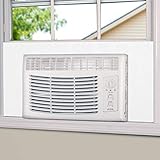
Overview: BJADE’S insulated foam panels address a commonly overlooked efficiency gap: the sides of window air conditioners. This one-piece surround kit combines heat-resistant foam with a leather-patterned PVC surface, creating an aesthetic barrier against drafts, dust, and pollen. Designed for 5,000-12,000 BTU units, the panels fit window frames up to 39 inches wide and can be trimmed with scissors for custom applications. Double-sided nano tape enables tool-free installation.
What Makes It Stand Out: The full-surround one-piece design provides seamless coverage unlike multi-piece kits that leave gaps. The dual-season functionality—blocking summer heat and winter cold—extends utility year-round. The leather-patterned PVC surface offers an upscale appearance compared to raw foam or flimsy plastic alternatives. The nano tape installation method is renter-friendly and leaves no permanent marks, a significant advantage over adhesive foam that damages paint.
Value for Money: At a fraction of the cost of a new energy-efficient AC unit, these panels can improve existing unit performance by 10-15%, delivering rapid ROI through reduced electricity bills. Competing products often require separate purchases of tape or adhesive, while this kit includes everything. The durability of the PVC covering prevents the crumbling common with bare foam panels.
Strengths and Weaknesses: Pros: One-piece seamless design; attractive leather-pattern finish; year-round insulation; easy scissor customization; renter-friendly nano tape; comprehensive kit. Cons: Requires careful measuring and cutting; nano tape may fail in extreme humidity; not structural; limited to 39" width; patent pending status unclear.
Bottom Line: A cost-effective, attractive solution for sealing window AC side gaps. Ideal for renters and homeowners alike, though precise measurement is essential. The year-round energy savings easily justify the modest investment.
4. VIVOSUN Window Duct Kit, Portable AC Window Seal Kit with 5.9" Diameter 59" Length Hose, Fit with 4"/6" Ducting for Sliding Window, Adjustable AC Vent Kit for Duct Fans, Air Conditioner, Dryer

Overview: VIVOSUN’s multi-purpose duct kit serves portable air conditioners, dryers, and ventilation fans through sliding windows. The durable PVC construction withstands UV exposure and temperature extremes without cracking. Adjustable plates span 16.9 to 61 inches, while the hose extends from 11 to 59 inches, accommodating various window sizes. Unique adapters fit 4-inch, 5.9-inch, and 6-inch ducts, making this a versatile ventilation solution for grow tents, homes, and offices.
What Makes It Stand Out: True versatility sets this apart—few kits accommodate AC units, dryers, AND inline fans simultaneously. The inclusion of three duct adapters (4", 5.9", 6") eliminates separate purchases. The sliding track design creates a superior seal compared to basic plate systems. Material durability is exceptional; the UV-resistant PVC won’t degrade after seasons of sun exposure, a common failure point in cheaper kits.
Value for Money: While slightly pricier than single-purpose kits, this replaces multiple specialized venting solutions. Grow tent users particularly benefit, as comparable dryer vent kits cost nearly as much but lack the adapter flexibility. The robust construction ensures 3-5 years of service, amortizing the cost effectively. Energy savings from proper sealing add further value.
Strengths and Weaknesses: Pros: Multi-purpose adapters; exceptional material durability; flexible length adjustment; sliding track seal; comprehensive hardware; UV-resistant. Cons: Not compatible with casement windows; overkill for simple AC-only needs; hose length may be excessive for small rooms; adapters add slight cost premium.
Bottom Line: An outstanding choice for users needing flexible ventilation across multiple applications. The durability and adapter versatility justify the modest price premium, though pure AC users may find simpler kits sufficient.
5. Yehchi Window Air Conditioner Mounting Support Bracket, Universal AC Unit Window Stand Mount Brackets Support Up to 85 lbs Designed for 5,000 to 10,000 BTU A/C Units
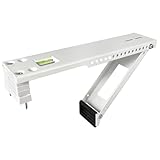
Overview: Yehchi’s window AC bracket provides indoor-installable support for units ranging 5,000-12,000 BTU and up to 85 pounds. The design transfers weight from the window sill to the structural frame, preventing damage and improving safety. A built-in bubble level ensures proper drainage tilt during installation. The bracket fits wall thicknesses from 2 to 11 inches but explicitly excludes hollow aluminum, vinyl, and plastic sills, focusing instead on cement, wood, and brick installations.
What Makes It Stand Out: The explicit installation guidance regarding sill materials prevents costly mistakes—many brackets fail to warn against hollow sills. The slight downward tilt recommendation is clearly documented, addressing a common cause of water damage. The 5,000-12,000 BTU range covers the most popular residential unit sizes, making this a targeted solution rather than an overbuilt heavy-duty bracket that costs more.
Value for Money: Competitively priced with the JEACENT bracket, Yehchi offers similar value but with clearer compatibility warnings. The included bubble level and hardware eliminate extra expenses. Compared to repairing a damaged window frame ($200+), this bracket pays for itself in prevention alone. The focused BTU range ensures you’re not paying for unnecessary heavy-duty capacity.
Strengths and Weaknesses: Pros: Clear material compatibility guidance; built-in bubble level; indoor installation safety; comprehensive hardware; targeted BTU range; weight distribution design. Cons: Not for hollow/vinyl/aluminum sills; requires drilling; 85 lb limit excludes larger units; casement window incompatibility; installation manual could be more detailed.
Bottom Line: A solid, safety-focused bracket for standard window AC installations on compatible sills. The clear material warnings are invaluable—verify your sill type before purchase. For wood, brick, or cement sills, this offers excellent value and peace of mind.
6. Portable AC Window Vent Kit with 59" Hose, 5.9" AC Window Seal, Adjustable for Vertical/Horizontal Sliding Windows

Overview: This comprehensive vent kit provides everything needed to vent a portable AC through sliding windows. Designed for 5.9-inch counterclockwise hoses, it includes four adjustable panels, a 59-inch exhaust hose, connector, mounting tape, and screws. The universal design accommodates both vertical and horizontal sliding windows, making it suitable for most standard installations in homes or offices.
What Makes It Stand Out: The telescopic guide rail design creates a superior seal compared to basic panel kits, significantly reducing air leakage. The high-quality PVC construction offers impressive durability with extrusion resistance and high-temperature tolerance. Tool-free installation is genuinely achievable—most users can set this up in minutes without drilling holes or hunting for additional hardware.
Value for Money: At its price point, this kit delivers exceptional value by bundling all necessary components. Purchasing panels, hose, and connector separately would cost 30-40% more. The durable materials ensure multiple seasons of use, making it more economical than replacing cheaper alternatives annually. For renters or seasonal users, the easy removal and reusability add further value.
Strengths and Weaknesses: Pros: Complete all-in-one package; excellent sealing performance; durable PVC construction; truly tool-free installation; universal window compatibility. Cons: Limited to 5.9-inch hoses only; included double-sided tape may require reinforcement; PVC appearance less premium than some alternatives; instructions could be clearer for novice users.
Bottom Line: This kit is ideal for anyone seeking a hassle-free, complete solution for venting a 5.9-inch portable AC. While the adhesive tape may need upgrading, the overall quality, sealing performance, and convenience make it a smart purchase for renters and homeowners alike.
7. A/C Safe AC-160 Universal Heavy Duty Window Air Conditioner Support
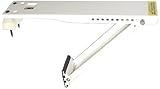
Overview: The A/C Safe AC-160 is a robust support bracket engineered to bear the weight of window air conditioners up to 160 pounds. Constructed from heavy-gauge steel with an epoxy coating, it transfers the unit’s weight from the window sash to the wall structure, preventing frame damage and improving safety for both the unit and occupants below.
What Makes It Stand Out: This bracket’s impressive weight capacity sets it apart from lighter-duty alternatives. The epoxy-coated steel construction resists rust and weathering, while the included stainless steel hardware ensures corrosion-free installation. Its adaptability for wall thicknesses ranging from 4 to 11 inches makes it suitable for most residential and commercial applications without modification.
Value for Money: While pricier than basic plastic supports, the AC-160’s heavy-duty construction justifies every penny. Considering the potential cost of repairing a damaged window frame or replacing a fallen AC unit, this bracket is cheap insurance. Its durability ensures a one-time purchase that will outlast multiple AC units, delivering long-term value.
Strengths and Weaknesses: Pros: Exceptional 160-lb weight capacity; durable epoxy-coated steel; versatile wall thickness compatibility; high-quality stainless steel hardware; straightforward installation. Cons: Visible exterior appearance may concern aesthetic-focused users; requires drilling into exterior wall; over-engineered for units under 80 lbs; instructions lack detail for masonry walls.
Bottom Line: For anyone installing a heavy window AC unit, this support is non-negotiable. The peace of mind, structural protection, and durability far outweigh the modest investment. Skip the cheap alternatives and invest in this proven, safety-first solution.
8. AC Infinity Window Duct Kit, Universal Vent Port for 4” and 6” Inline Fans, Window Vent Kit Fit with HVAC Ducting, Hoses, Duct Fans, Air Conditioner, and Dryer in Homes, Grow Tents, and Grow Rooms

Overview: The AC Infinity Window Duct Kit is a versatile ventilation solution designed for inline fans, ducting, and various exhaust needs. It accommodates both 4-inch and 6-inch ducts, plus 5.1-inch and 5.9-inch hoses, making it compatible with grow tents, dryers, and portable AC units. The adjustable rail system fits most vertical or horizontal windows and sliding doors.
What Makes It Stand Out: Unlike AC-specific kits, this multi-purpose vent port handles harsh weather and blocks debris entry with its durable frame construction. The adaptive rail extends to fit various openings, while the universal port design accepts multiple hose diameters without adapters. This flexibility makes it invaluable for specialized applications like hydroponic ventilation where reliability is critical.
Value for Money: Though it costs more than basic AC vent kits, its multi-functionality justifies the premium. Growers and homeowners needing ventilation for multiple purposes eliminate the need for separate kits. The weather-resistant construction ensures durability where cheaper kits would fail, delivering superior long-term value for demanding environments.
Strengths and Weaknesses: Pros: Universal 4"/6" duct and 5.1"/5.9" hose compatibility; robust weather-resistant frame; adjustable for windows and doors; blocks debris effectively; ideal for grow tents and multi-purpose use. Cons: Does not include ducting or hoses; higher price point for single-purpose AC users; larger profile may not suit all aesthetics; limited sealing capabilities compared to dedicated AC kits.
Bottom Line: This kit excels for users needing flexible, durable ventilation beyond just air conditioning. For dedicated portable AC users, simpler kits suffice, but for growers, multi-room ventilation, or harsh climates, this is the professional-grade choice worth the investment.
9. Window Air Conditioner Insulated Foam Side Panels,Weatherproof Window Ac Foam Insulation Kit Block Hot/Cold Air, Reduce Noise & Energy Costs, Universal Fit Most 5000-15000 BTU Air Conditioners Unit
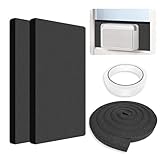
Overview: These insulated foam side panels create a thermal barrier around window AC units, blocking outdoor air infiltration and reducing noise transmission. Made from high-density closed-cell foam, they fit most 5,000-22,000 BTU units and can be trimmed for custom sizing. The kit includes two panels and double-sided tape for tool-free installation.
What Makes It Stand Out: The closed-cell foam construction provides superior insulation compared to standard accordion panels, with claimed energy savings up to 30%. The material withstands extreme temperatures from -20°F to 120°F and offers significant noise reduction by absorbing both external sounds and AC vibration. The weatherproof outer layer remains durable through multiple seasons.
Value for Money: These panels pay for themselves through energy savings alone within a single cooling season. While cheaper foam options exist, their rapid degradation and poor performance make them false economy. The durability and multi-season reusability, combined with reduced electricity bills, deliver exceptional return on investment for any climate.
Strengths and Weaknesses: Pros: Excellent thermal insulation and energy savings; significant noise reduction; extreme temperature resistance; easy tool-free installation; trimmable for custom fit. Cons: Adhesive tape may lose strength over time; foam can be punctured if handled roughly; requires careful measuring for optimal fit; white color may discolor in dirty environments.
Bottom Line: For anyone serious about energy efficiency and comfort, these panels are essential upgrades from factory accordion panels. The installation is foolproof, the performance is measurable, and the savings are real. Highly recommended for bedrooms, offices, and high-use AC units.
10. Portable AC Window Vent Kit - Complete Air Conditioner Window Kit, Adjustable PVC Window Seal Kit Panels Up to 60 Inches, for Universal Thread AC Exhaust Hose of 5.1" and 5.9" Diameter

Overview: This complete vent kit accommodates both 5.1-inch and 5.9-inch portable AC hoses, offering maximum compatibility across brands. The adjustable PVC panels extend from 17 to 60 inches, fitting a wide range of sliding window dimensions. The kit includes four panels, a universal adapter, foam tape, and screws for flexible vertical or horizontal installation scenarios.
What Makes It Stand Out: The dual-diameter compatibility eliminates guesswork when matching hoses to vent kits—a common frustration for portable AC owners. The patented bottom panel joint design creates an exceptionally tight seal, preventing hot air backflow more effectively than standard kits. The high-temperature-resistant PVC construction remains stable during extended operation without warping.
Value for Money: This kit’s versatility across hose sizes and window dimensions makes it a one-size-fits-most solution that eliminates trial-and-error purchases. While slightly pricier than single-size kits, the ability to reuse it with different AC units or in different homes provides long-term savings. The airtight seal also improves AC efficiency, reducing electricity costs over time.
Strengths and Weaknesses: Pros: Compatible with both 5.1" and 5.9" hoses; extensive 17"-60" adjustment range; superior airtight sealing; durable high-temp PVC; reusable across multiple installations. Cons: Patent claim appears to be a minor design tweak; PVC material less premium than some alternatives; foam tape quality could be improved; no included exhaust hose.
Bottom Line: This is the most versatile portable AC vent kit available, perfect for households with multiple units or those planning future AC upgrades. The sealing performance and adjustable range justify the modest premium. For maximum compatibility and professional results, this kit is the clear winner.
Why Proper Window AC Mounting Matters in Apartments
Preventing Damage to Rental Properties
Your security deposit is on the line with every modification you make to your apartment. Improperly mounted air conditioners can cause water damage to window sills, cracks in the frame from uneven weight distribution, and wall damage from inadequate support systems. Quality mounting kits distribute weight evenly across structural components rather than concentrating stress on single points, preserving the integrity of wooden or vinyl window frames that most landlords expect to receive back in original condition.
Ensuring Personal Safety
A poorly secured window unit isn’t just a risk to your belongings—it’s a potential danger to people walking below your window. Every year, incidents occur where improperly mounted AC units fall from windows, causing serious injury and significant legal liability. In apartment buildings with high pedestrian traffic, the right mounting kit provides multiple fail-safes including secondary support arms, anti-tip brackets, and reinforced platforms that keep your unit stable even during unexpected bumps or extreme weather events.
Maximizing Cooling Efficiency
Beyond safety concerns, a properly mounted air conditioner performs significantly better. Gaps around the unit let cool air escape and hot air enter, forcing your AC to work harder and driving up your electricity bill. Apartment-friendly mounting kits include comprehensive weather sealing components that create an airtight fit, ensuring every dollar you spend on cooling actually stays inside your living space where it belongs.
Understanding Different Types of Window AC Mounting Kits
Standard Bracket Systems
These traditional L-shaped brackets screw directly into the exterior wall below your window, creating a sturdy platform for your AC unit. While they require drilling, they offer the most stable support for heavier units and are ideal for brick or concrete building exteriors common in urban apartments. The key advantage is their permanent reliability once installed, though renters should always get explicit written permission before drilling into exterior walls.
Adjustable Support Platforms
These freestanding systems use a combination of vertical supports and horizontal platforms that press against the window sill and exterior wall without permanent installation. They typically feature telescoping arms that adjust to various window widths and depths, making them perfect for renters who need a damage-free solution. The best models include rubber padding to protect surfaces and can support substantial weight through tension and weight distribution rather than fasteners.
Side Panel Expansion Kits
While not standalone mounting solutions, these kits are essential for apartment dwellers dealing with gaps on either side of their window unit. They consist of adjustable accordion-style panels or custom-cut foam boards that create a tight seal. High-quality versions include weatherstripping and locking mechanisms that prevent air leakage while maintaining a clean, finished appearance that property managers appreciate.
No-Drill Clamp-On Options
The holy grail for renters, these innovative kits use heavy-duty clamps that attach directly to the window frame itself, eliminating any wall penetration. They work by creating a cantilevered support system that transfers the unit’s weight to the strongest part of the window structure. Look for models with padded clamp surfaces to prevent marring finished wood or metal frames, and always verify the clamp strength rating matches your AC’s weight.
Universal vs. Model-Specific Designs
Universal kits offer flexibility if you upgrade your AC unit in the future or move to a different apartment with different window requirements. They typically accommodate a range of unit sizes and weights through adjustable components. Model-specific kits, while less versatile, provide a tailored fit that can offer superior stability and easier installation since every component is designed for your exact air conditioner dimensions.
Key Features to Look for in Apartment-Friendly Kits
Tool-Free Installation Components
The best mounting kits for renters include hand-tightening knobs, quick-release levers, and cam-lock systems that eliminate the need for power tools. This not only makes installation easier but also reduces the risk of over-tightening that can damage window frames. Look for kits where major components can be secured with simple hand tools like Allen wrenches or thumb screws.
Damage-Free Mounting Methods
Prioritize kits that use non-marking materials like rubberized feet, foam padding, and protective sleeves on any contact points. The finest apartment-grade kits include clear protective films that adhere to your window sill before installation, creating an invisible barrier against scratches and indentations. These small details make the difference between getting your full deposit back or paying for refinishing work.
Lightweight Yet Durable Materials
Modern mounting kits use aircraft-grade aluminum or reinforced polymers that provide exceptional strength without the weight of traditional steel components. This matters for two reasons: lighter kits are easier to install single-handedly (crucial for solo renters), and they put less stress on your window structure. Don’t equate lightweight with weak—these advanced materials often outperform heavier alternatives while being easier to handle in tight apartment spaces.
Clear Instruction Documentation
Nothing derails an installation faster than confusing instructions. Premium mounting kits include step-by-step photo guides, video QR codes, and even augmented reality apps that overlay installation steps onto your actual window. For apartment dwellers who may not have extensive DIY experience, clear documentation reduces installation time and prevents costly mistakes that could damage the kit or your windows.
Measuring Your Window for the Perfect Fit
Standard Window Dimensions
Before purchasing any mounting kit, accurately measure your window’s width, height, and sill depth. Most apartments feature double-hung windows with standard widths of 24, 28, 32, or 36 inches. Use a metal measuring tape for precision and measure at three points—top, middle, and bottom—for width, as older apartment windows often aren’t perfectly square. Record the smallest measurement to ensure your kit will fit the tightest spot.
Non-Standard and Sliding Windows
Many modern apartments include sliding horizontal windows or casement windows that swing outward. These require specialized mounting approaches. For sliding windows, you’ll need a kit that can accommodate the reduced vertical clearance and provide support without interfering with the sliding mechanism. Casement windows often require custom bracket extensions or support arms that clear the window’s swing radius.
Depth and Sill Requirements
Measure from the interior wall to the exterior wall to determine your window’s depth. This measurement determines whether you need a kit with extended support arms or if a standard bracket will suffice. Additionally, assess your window sill’s condition—rotted or damaged sills can’t safely support weight and will need reinforcement or a different mounting approach entirely.
Installation Considerations for Rental Properties
Lease Agreement Restrictions
Read your lease carefully for clauses about “alterations” or “modifications” to the property. Many leases prohibit any drilling into exterior walls or window frames. Even if your mounting kit seems non-invasive, document the pre-installation condition with photos and get written permission from your landlord. Some property managers have preferred installation methods or contractors they want you to use.
Security Deposit Protection
Create a paper trail that protects your deposit. Provide your landlord with the mounting kit specifications, installation method details, and a written commitment to restore the property to original condition upon move-out. Some renters even offer to pay a professional installer to give landlords peace of mind. Keep all receipts and correspondence in a dedicated folder.
Temporary vs. Semi-Permanent Solutions
Consider how long you’ll live in your current apartment. If you’re on a short-term lease, prioritize truly temporary solutions like clamp-on kits that leave zero evidence. For longer stays, a semi-permanent installation with proper sealing and support might be worth the effort, especially if you plan to use the same AC unit for multiple seasons.
Safety Features That Shouldn’t Be Overlooked
Weight Distribution Engineering
Look for kits that spread the load across multiple contact points rather than concentrating it on a single bracket. The best designs use triangular support geometry, which naturally distributes force more evenly. Check for weight ratings that exceed your AC unit’s actual weight by at least 50% to provide a safety margin for vibrations and accidental bumps.
Anti-Tip Mechanisms
Quality mounting kits include secondary safety features like tether straps, anti-tip brackets, or rear support legs that engage if the primary support fails. These redundant systems are especially important in apartments where children might lean on the unit or where earthquakes or high winds are concerns. The small additional cost for these features is negligible compared to the potential consequences.
Earthquake and High-Wind Protection
If you live in an area prone to seismic activity or high winds, look for kits with dynamic load ratings rather than just static weight capacity. These feature flexible components that absorb shock and movement without failing. Some include vibration-dampening pads that reduce both noise transfer and structural stress during turbulent weather.
Weatherproofing and Insulation Essentials
Foam Seal Quality
The foam seals included with mounting kits vary dramatically in quality. Cheap, low-density foam compresses permanently and loses its sealing ability within weeks. Look for high-density, closed-cell foam that resists compression and moisture absorption. The best kits include multiple foam thickness options so you can layer them for a custom fit that eliminates every air gap.
Moisture Barrier Importance
Proper moisture management prevents water damage to your window frame and interior walls. Premium kits include drip edges, channel drains, and waterproof membranes that direct condensation away from the building structure. In apartments, where you’re not responsible for long-term structural maintenance, preventing water intrusion is still crucial for avoiding mold issues and maintaining good landlord relationships.
Draft Prevention Techniques
Even small gaps around your AC unit can create significant drafts, making your heating system work harder in winter and letting hot air in during summer. Look for kits with adjustable side panels that include built-in weatherstripping and compression seals. Some advanced kits feature thermal breaks—insulating barriers that prevent heat transfer through the metal components of the mounting system itself.
Weight Capacity and Support Requirements
Understanding BTU-to-Weight Ratios
Higher BTU ratings generally mean heavier units. A 5,000 BTU unit might weigh 40 pounds, while a 12,000 BTU unit can exceed 80 pounds. Your mounting kit must be rated for the actual weight, not just the BTU rating. Always check the manufacturer’s specifications for your exact AC model and add 10-15 pounds to account for water accumulation and debris that adds weight over time.
Reinforcement for Larger Units
If you’re installing a unit over 10,000 BTUs in an apartment, consider kits that include additional support legs that rest on the ground outside or cross-bracing that ties into the window frame at multiple points. Some building management companies require professional engineering approval for units above certain weights, so verify requirements before purchasing your AC and mounting kit.
Signs of Inadequate Support
Watch for warning signs that your mounting system is struggling: visible sagging, gaps forming between the unit and window frame, unusual vibrations, or creaking sounds. These indicate immediate reinforcement is needed. Don’t wait for complete failure—install additional support or replace the kit entirely if you notice any of these red flags.
Adjustability for Various Window Styles
Horizontal Sliding Windows
These require vertical support bars that attach to the window track and a platform that extends outward without interfering with the sliding pane. The best kits for sliding windows include adjustable width panels that fill the gap above the unit, maintaining security and weatherproofing while allowing the window to function normally when the AC is removed.
Vertical Sliding (Double-Hung) Windows
The most common apartment window type, these work with the widest variety of mounting kits. Key considerations include ensuring the kit doesn’t prevent the lower sash from closing properly when the unit is removed, and that support brackets don’t damage the sash or sill. Look for kits with padded contact points specifically designed for double-hung window geometry.
Casement and Crank-Out Windows
These present the biggest challenge for apartment dwellers. Specialized kits use platform extensions that clear the window’s swing path, or they convert the entire window opening into a fixed frame for the AC unit. Some innovative designs allow the casement window to remain functional by mounting the AC on a bracket that extends beyond the window’s exterior, though this typically requires landlord approval due to exterior modifications.
Tool Requirements and DIY-Friendliness
Basic Tools Most Renters Already Own
The most apartment-friendly kits can be installed with nothing more than a screwdriver, measuring tape, and possibly an adjustable wrench. Some require a level to ensure proper drainage angle. Before purchasing, review the tool list in the product specifications and avoid kits requiring power drills, saws, or specialized equipment unless you’re prepared to rent or buy them.
When Specialized Tools Are Needed
Certain installations, particularly those involving exterior brackets on brick or concrete buildings, may require masonry drills and anchors. In these cases, consider whether hiring a handyman for a single hour might be more cost-effective than buying tools you’ll rarely use. Many apartment complexes have maintenance staff who can perform the installation for a small fee using their professional tools.
Time Investment Expectations
A truly DIY-friendly kit should install in 30-60 minutes for someone with basic handy skills. Complex kits with multiple components and precise adjustments might take 2-3 hours. Factor this time commitment into your decision, especially if you’re installing on a hot day when you’ll want the AC running as quickly as possible. Read user reviews to get realistic time estimates rather than relying on manufacturer claims.
Maintenance and Seasonal Removal
Easy-Release Mechanisms
The end of cooling season means removal and storage, so look for kits with quick-disconnect features. Cam-lock systems, spring-loaded pins, and tool-free release levers allow you to remove the AC unit in minutes without disassembling the entire mounting system. This leaves the bracket in place for next season while letting you reclaim your window view during cooler months.
Storage-Friendly Designs
Some mounting kits are designed to fold flat against the window frame when not in use, taking up minimal space and remaining virtually invisible from inside. This is ideal for small apartments where storage is at a premium. Look for kits with hinged components or telescoping arms that collapse compactly without requiring complete removal.
Cleaning Accessibility
Dust and debris accumulate around AC units, and apartment inspections often focus on cleanliness. Choose mounting kits that allow easy access to the window sill and surrounding area for cleaning. Removable side panels and swing-away support arms let you thoroughly clean without uninstalling everything, maintaining both hygiene and your security deposit.
Budget Considerations and Value Factors
Price vs. Quality Trade-offs
Mounting kits range from budget-friendly basic brackets to premium systems costing significantly more. While it’s tempting to save money, remember that a failed mounting kit can destroy your AC unit, damage the building, and cost you your security deposit. The sweet spot for apartment dwellers is typically in the mid-range: kits that offer robust safety features and damage-free installation without premium pricing for brand names or unnecessary features.
Multi-Season Durability
A quality mounting kit should last through multiple installations and removals across several rental properties. Look for corrosion-resistant materials like powder-coated aluminum or stainless steel hardware. Plastic components should be UV-stabilized to prevent brittleness from sun exposure. Spending slightly more on durability now prevents replacement costs when you move to your next apartment.
Compatibility with Future AC Upgrades
If you anticipate upgrading to a larger AC unit in the future, invest in a mounting kit rated for higher weight and BTU capacity than your current needs. Universal kits with wide adjustment ranges accommodate different unit sizes, making them a smarter long-term investment for renters who move frequently and face varying window configurations.
Common Mistakes Apartment Dwellers Make
Ignoring Window Frame Material
The mounting kit that works perfectly on a wooden window frame can destroy a vinyl frame. Vinyl sills can crack under concentrated pressure, while aluminum frames might bend. Always match your kit’s pressure distribution method to your window material, and use protective pads specifically designed for your frame type. When in doubt, consult your building manager about the window specifications.
Underestimating Unit Weight
People frequently forget to include the weight of water that accumulates in the AC’s internal reservoir, adding 5-10 pounds to the unit’s dry weight. Additionally, dust, leaves, and debris that collect on the unit’s exterior over a season can add another few pounds. Always overestimate weight requirements by at least 20% to maintain a safe margin.
Skipping the Leveling Step
Window AC units must be installed with a slight outward tilt (about 1/4 inch) to allow proper condensation drainage. Many renters skip using a level, resulting in water pooling inside the unit or dripping into the apartment. Quality mounting kits include built-in level indicators or adjustable feet that make achieving the correct angle foolproof.
When to Call in Professionals
Complex Window Configurations
If your apartment has bay windows, unusually deep sills, or windows that open onto fire escapes or balconies, professional installation may be worth the investment. These situations often require custom bracket fabrication or engineering calculations to ensure safety. Spending $100-200 on professional installation is far cheaper than dealing with a fallen unit or lease violation.
Heavy-Duty Unit Installation
Units above 12,000 BTUs or weighing over 100 pounds typically require two people for safe installation and may need additional structural support. Professional installers have the equipment and insurance to handle heavy units safely. They can also provide documentation for your landlord proving the installation meets building codes.
Building Management Requirements
Some luxury apartment buildings or historic properties have strict policies requiring licensed professionals for any modifications. Respect these requirements—they exist to protect the building’s integrity and your safety. Professional installers familiar with local building codes can navigate permit requirements and ensure your installation complies with all regulations.
Frequently Asked Questions
Can I install a window AC mounting kit without my landlord’s permission? Never install any mounting system without reviewing your lease and obtaining written approval. Even “damage-free” kits can leave marks or cause issues that violate your rental agreement. Always document pre-installation conditions with photos and get explicit permission in writing to protect your security deposit.
How do I know if my window frame is strong enough to support an AC unit? Most modern window frames can support properly distributed loads up to 100 pounds, but older apartments may have deteriorated wood or thin aluminum frames. Test by gently pressing on the sill to check for softness or flexing. When in doubt, have your building maintenance staff assess the frame or choose a floor-supported mounting system that transfers weight to the ground.
What’s the difference between a mounting kit and a mounting bracket? A bracket typically refers to the L-shaped support arm that holds the unit’s weight, while a kit includes the bracket plus all necessary hardware, seals, side panels, and installation accessories. Complete kits are almost always the better choice for apartment dwellers because they ensure all components work together properly and include weatherproofing elements essential for rental properties.
Will a mounting kit work with my crank-out casement windows? Standard kits won’t work with casement windows, but specialized solutions exist. These include platform brackets that extend beyond the window’s swing path or conversion kits that transform the window opening into a fixed frame. These installations are more complex and typically require landlord approval due to their semi-permanent nature.
How much weight can a typical no-drill mounting kit support? Quality no-drill clamp-on kits can support units up to 80-100 pounds when properly installed on sturdy window frames. However, always verify the specific weight rating and add a 20% safety margin. For heavier units, consider hybrid systems that use minimal drilling for secondary support while relying on clamps for primary weight bearing.
Do I need to remove my window AC mounting kit in winter? Most kits are designed to remain installed year-round, especially permanent brackets. However, removing the AC unit itself is recommended to prevent heat loss and protect the unit from weather damage. Some landlords require complete removal of all components during winter for aesthetic reasons, so check your lease agreement.
Can mounting kits be adjusted if I move to a different apartment? Universal mounting kits with wide adjustment ranges can typically be reconfigured for different window sizes and styles. Keep all original components and hardware when you move. Model-specific kits have limited adjustability and may not work in your new space, making them a less ideal choice for frequent movers.
What safety certifications should I look for in a mounting kit? Look for kits tested to UL (Underwriters Laboratories) standards or those with engineering certifications for load-bearing capacity. While not all kits carry formal certifications, reputable manufacturers provide weight testing documentation. Avoid any kit without clear weight ratings or safety specifications.
How do I prevent bugs from entering around my window AC unit? Quality mounting kits include dense foam seals and weatherstripping that block insects. For extra protection, apply caulk or expandable foam around the interior perimeter (choose removable types for rentals). Some kits feature integrated insect screens or mesh barriers that prevent bugs while allowing condensation to drain.
Is professional installation worth the cost for renters? For units over 10,000 BTUs, complex window types, or if your lease requires it, professional installation is absolutely worth the $100-200 cost. Professionals carry insurance, provide warranties on their work, and can offer documentation that satisfies building management. The peace of mind and deposit protection often outweigh the expense, especially for heavy or valuable AC units.
See Also
- Stop Leaks and Drafts with the 10 Best Window AC Mounting Kits This Year
- 10 Essential Window AC Mounting Kits Every Homeowner Needs in 2026
- How to Choose the 10 Best Window AC Mounting Kits for Your Home in 2026
- 10 Expert-Recommended Window AC Mounting Kits for Storm-Prone Areas in 2026
- The 10 Ultimate Best Window AC Mounting Kits for Heavy-Duty Support in 2026