Table of Contents
Imagine walking into a perfectly climate-controlled home after a long day, where the air feels just right without you lifting a finger. This isn’t magic—it’s the power of modern smart thermostats transforming how we experience comfort and efficiency. These intelligent devices go far beyond basic temperature adjustments, learning your habits, adapting to your lifestyle, and putting significant control (and savings) directly in your hands. With energy costs rising and environmental awareness growing, investing in the right smart thermostat isn’t just about convenience; it’s a strategic move toward a more sustainable and cost-effective household.
Yet, navigating the sea of options can feel overwhelming. Terms like “geofencing,” “adaptive recovery,” and “multi-stage HVAC compatibility” buzz around, promising wonders but often leaving homeowners confused about what truly matters for their specific setup. The reality is, the “best” thermostat isn’t a universal title—it hinges entirely on your home’s unique infrastructure, your daily routines, and the ecosystem of smart devices you already use or plan to adopt. Choosing wisely means understanding the core features that deliver real value and avoiding flashy gimmicks that won’t integrate smoothly into your life. Let’s cut through the noise and focus on what you genuinely need to know before making this impactful upgrade.
Top 10 Smart Thermostats for Home Automation
Detailed Product Reviews
1. Amazon Smart Thermostat – Save money and energy - Works with Alexa and Ring - C-wire required

Overview:
The Amazon Smart Thermostat offers a straightforward upgrade from traditional models, focusing on energy savings and Alexa integration. Designed for users deeply embedded in Amazon’s ecosystem, it leverages presence detection and voice control to automate home temperatures while requiring a C-wire for installation.
What Makes It Stand Out:
Its seamless integration with Alexa and Ring devices enables automatic temperature adjustments based on occupancy or room-specific readings from compatible Echo devices. The standout feature is Amazon’s post-purchase rebate assistance, simplifying access to local energy provider incentives. ENERGY STAR certification promises average annual savings of $50.
Value for Money:
Priced competitively, it justifies cost through tangible energy bill reductions and rebate facilitation. While lacking advanced scheduling, its simplicity offsets the need for pricier alternatives for Alexa-centric households, though the mandatory C-wire may incur additional installation costs.
Strengths and Weaknesses:
Strengths: Effortless Alexa/Ring integration; clear energy-saving potential; rebate guidance; intuitive auto-scheduling for home/away/sleep modes.
Weaknesses: Requires C-wire (limiting older homes); no third-party app support (Google/Apple); basic interface lacks detailed usage reports; limited HVAC compatibility checks upfront.
Bottom Line:
Ideal for Alexa devotees seeking hassle-free energy savings, but its C-wire dependency and narrow ecosystem make it less versatile than competitors; recommended only for compatible setups prioritizing voice control.
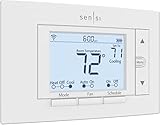
2. Sensi Smart Thermostat, 100 Years Of Expertise, Wi-Fi, Data Privacy, Programmable, Easy DIY Install, Works With Alexa, Energy Star Certified, Mobile App, ST55
Overview:
Sensi ST55 combines century-old HVAC expertise with modern smart features, emphasizing privacy and DIY simplicity. This ENERGY STAR-certified thermostat targets privacy-conscious users wanting reliable automation without complex installation, notably skipping the C-wire requirement for most systems.
What Makes It Stand Out:
Its ironclad privacy policy—refusing to sell user data—sets it apart in a surveillance-heavy market. The tool-free installation with a built-in level and app-guided setup caters perfectly to DIYers, while HVAC performance monitoring (e.g., filter alerts) adds long-term maintenance value.
Value for Money:
Competitively priced, it delivers exceptional value through energy savings (up to 23% on HVAC costs), zero privacy trade-offs, and no hidden fees. The absence of C-wire needs avoids extra hardware costs, outperforming rivals requiring adapters.
Strengths and Weaknesses:
Strengths: No C-wire needed for most setups; robust privacy guarantees; intuitive physical buttons; detailed usage reports; excellent HVAC compatibility.
Weaknesses: Limited smart home integration (Alexa-only for voice); app interface feels dated; energy savings claims are estimates, not guaranteed.
Bottom Line:
A top pick for privacy-focused homeowners prioritizing ease of installation and reliable energy savings; its narrow voice assistant support slightly limits smart home flexibility but overall offers outstanding bang for buck.
3. meross Smart Thermostat for Home, WiFi Thermostat Works with Matter, Alexa, Apple Home, Google Assistant, App & Voice Control, 7x24h Scheduling, Energy Saving, C-Wire Required

Overview:
The meross Smart Thermostat excels in broad ecosystem compatibility via Matter certification, supporting Apple Home, Google, Alexa, and more. It targets tech-savvy users seeking unified control but requires careful HVAC compatibility checks and a C-wire.
What Makes It Stand Out:
Matter integration is its crown jewel, enabling local processing across platforms to reduce app clutter and latency. Flexible 7-day scheduling and real-time HVAC usage tracking in the meross app empower precise energy management, while proactive alerts (e.g., filter reminders) prevent costly issues.
Value for Money:
Priced mid-range, it justifies cost through future-proof Matter support and comprehensive scheduling. However, C-wire requirements may necessitate professional installation for some, slightly offsetting savings. Rebate eligibility enhances long-term value.
Strengths and Weaknesses:
Strengths: Best-in-class Matter compatibility; detailed energy usage analytics; customizable scheduling; multi-platform voice/app control; robust alert system.
Weaknesses: Mandatory C-wire (excludes some homes); incompatible with baseboard heaters; setup requires thorough compatibility verification; app design is functional but not polished.
Bottom Line:
Highly recommended for Matter adopters wanting cross-platform harmony and granular energy control, but verify HVAC compatibility first—ideal for modern smart homes prioritizing interoperability over DIY simplicity.
4. ecobee Smart Thermostat Essential - Energy Star Certified programmable Wi-Fi Thermostat - Works with Siri, Alexa, and Google Assistant

Overview:
ecobee’s Essential delivers reliable, ecosystem-agnostic smart control with ENERGY STAR savings. It compensates for C-wire limitations via optional Power Extender Kits (PEK), appealing to users seeking broad compatibility without professional installation hassles.
What Makes It Stand Out:
The standout feature is C-wire flexibility: the included PEK adapter (sold separately) enables installation in 85% of homes, a rarity. Siri/Google/Alexa support and free software updates ensure longevity, while occupancy-based auto-scheduling optimizes comfort and efficiency.
Value for Money:
Mid-priced but highly cost-effective, especially with potential rebates. The PEK (extra cost) broadens accessibility, and ENERGY STAR’s 23% savings claim translates to real-world bill reductions. Superior compatibility checks prevent buyer’s remorse.
Strengths and Weaknesses:
Strengths: PEK solves C-wire issues; triple voice assistant support; intuitive color touchscreen; excellent compatibility checker; free firmware updates.
Weaknesses: PEK not included (adds $20–$30); app lacks advanced analytics; 85% compatibility still excludes some systems; no built-in sensors.
Bottom Line:
A versatile, future-proof choice for multi-ecosystem households; the PEK requirement is a minor hurdle for exceptional flexibility—recommended for those valuing broad compatibility and seamless updates over out-of-box simplicity.
5. New! Honeywell Home Smart Thermostat, Conventional/Heat Pump Compatibility, WiFi Thermostat for Home, X2S, Gray

Overview:
Honeywell’s X2S merges legacy HVAC reliability with modern Matter certification, targeting users with conventional or heat-pump systems. It emphasizes customization—from humidity tracking to flexible scheduling—while mandating a C-wire and thorough compatibility checks.
What Makes It Stand Out:
Its scheduling granularity (5-1-1, 5-2, 7-day, or non-programmable modes) caters to diverse routines. Matter/Apple HomeKit support and demand-response capability for utility rebates enhance its appeal, alongside practical features like extended low-heat setpoints (32°F).
Value for Money:
Solid value for Honeywell’s trusted reliability, with energy-saving potential via auto-away and rebate participation. The 2-year warranty is standard, but C-wire requirements may add installation costs, slightly diminishing ROI versus C-wire-free rivals.
Strengths and Weaknesses:
Strengths: Unmatched scheduling options; Matter/HomeKit compatibility; humidity monitoring; robust utility rebate support; industrial-grade build.
Weaknesses: C-wire mandatory; only 85% system compatibility; app feels less intuitive than ecobee/meross; no free PEK alternative.
Bottom Line:
Best for Honeywell loyalists or heat-pump owners needing hyper-customizable scheduling and utility integrations; its niche strengths outweigh C-wire limitations for compatible setups, though newer brands offer fresher interfaces.
6. vine Smart Thermostat for House, WiFi Thermostats for Home Compatible with Alexa and Google Assistant, 7day x 8period Programmable, Energy Star Certified, C-Wire Required

Overview: The vine Smart Thermostat is a programmable WiFi thermostat designed for energy-conscious homeowners seeking remote temperature control and automation. Requiring a C-wire, it targets compatibility with most standard 24V HVAC systems and emphasizes ease of use through dedicated apps and voice assistants. What Makes It Stand Out: Its robust 7-day, 8-period scheduling offers granular control over temperature settings throughout the week. Seamless integration with Alexa and Google Assistant enables hands-free voice commands, while Auto Home/Away mode intelligently adjusts temperatures based on occupancy to save energy without sacrificing comfort upon return. Value for Money: Priced competitively within the mid-range smart thermostat market, its Energy Star certification and focus on HVAC cost reduction provide tangible long-term savings potential. The inclusion of practical features like filter change reminders and temperature alerts adds value over basic programmable models, justifying its cost for users needing reliable scheduling. Strengths and Weaknesses: Strengths: Highly customizable scheduling, strong voice assistant compatibility, useful maintenance reminders, Energy Star certified. Weaknesses: Mandatory C-wire requirement limits installation in older homes, compatibility check is essential pre-purchase, app ecosystem (Smart Life) may feel less polished than major brands. Bottom Line: A solid, feature-rich choice for homeowners with compatible C-wire systems seeking precise scheduling and energy savings through automation; ideal if you prioritize detailed programming over cutting-edge protocol support.
7. meross Smart Thermostat for Home, WiFi Thermostat Works with Matter, Alexa, Apple Home, Google Assistant, App & Voice Control, 7x24h Scheduling, Energy Saving, C-Wire Required

Overview: The meross Smart Thermostat leverages the emerging Matter protocol to deliver broad ecosystem compatibility alongside traditional WiFi control. It targets users wanting seamless integration across multiple smart home platforms while offering robust scheduling and energy monitoring features, contingent on C-wire availability. What Makes It Stand Out: Its standout feature is Matter certification, enabling local, secure integration with Apple Home, Alexa, Google Home, and SmartThings without constant cloud reliance, reducing app overload. The detailed HVAC usage tracking within the meross app provides actionable insights for optimizing energy consumption and lowering bills. Value for Money: Positioned as a value-focused Matter thermostat, it offers significant future-proofing at a likely lower price point than early Matter adopters. The broad HVAC compatibility (95% of systems) and comprehensive scheduling justify the cost for users invested in diverse smart home ecosystems seeking efficient, unified control. Strengths and Weaknesses: Strengths: Excellent Matter protocol support for seamless multi-platform integration, detailed energy usage tracking, flexible 24/7 scheduling, strong compatibility. Weaknesses: C-wire often required, Matter setup might be complex for novices, brand recognition less established than Nest/ecobee. Bottom Line: Highly recommended for tech-savvy users building a Matter-centric smart home; delivers exceptional cross-platform compatibility and energy insights, making it a forward-thinking investment despite minor setup nuances.
8. Google Nest Thermostat - Smart Thermostat for Home - Programmable Wifi Thermostat - Snow

Overview: Google’s Nest Thermostat focuses on simplicity and automatic learning to enhance comfort and energy efficiency. Notably, it often operates without a C-wire in many standard systems, lowering installation barriers while leveraging Google’s ecosystem for remote management and intelligent automation. What Makes It Stand Out: Its signature feature is the ability to learn household patterns and automatically create an energy-efficient schedule (“Auto-Schedule”), reducing manual programming. Deep integration with the Google Home app and Assistant enables effortless voice control and remote adjustments, while “Savings Finder” proactively suggests further energy-saving tweaks. Value for Money: While competitively priced, its true value lies in potential energy savings (verified by ENERGY STAR) and widespread utility rebates. The lack of a strict C-wire requirement for many systems broadens its accessibility, offering smart features without complex installation hassles common in the category. Strengths and Weaknesses: Strengths: Often works without C-wire, intuitive learning/scheduling, excellent Google ecosystem integration, Savings Finder feature, clean design. Weaknesses: Less granular manual scheduling than competitors, limited advanced HVAC features for complex systems, no built-in remote sensors. Bottom Line: An excellent, user-friendly entry point into smart thermostats, especially for Google ecosystem users; ideal for those wanting effortless automation and energy savings without intricate setup, though power users may desire more scheduling control.
9. ecobee Smart Thermostat Premium with Smart Sensor and Air Quality Monitor - Programmable Wifi Thermostat - Works with Siri, Alexa, Google Assistant

Overview: The ecobee SmartThermostat Premium bundles advanced comfort, air quality monitoring, and premium hardware. It includes a remote SmartSensor and boasts a high-resolution display, targeting users who prioritize whole-home comfort accuracy, indoor air quality awareness, and seamless smart home integration. What Makes It Stand Out: The included SmartSensor detects occupancy and temperature in key rooms, ensuring comfort where you are, not just near the thermostat. The built-in air quality monitor (tracking PM2.5, VOCs, CO2) is a major differentiator, providing alerts and actionable tips to improve indoor air, a feature rare at this level. Value for Money: Justified by the included $50 SmartSensor and unique air quality focus, it offers exceptional value for health-conscious users. ENERGY STAR certification and potential 26% savings on HVAC costs, combined with the PEK/Trim Kit for easier installation, make the premium price tag worthwhile for comprehensive home management. Strengths and Weaknesses: Strengths: Outstanding room-specific comfort via SmartSensor, comprehensive air quality monitoring, premium build/display, radar occupancy sensing, strong ecosystem support. Weaknesses: Higher initial cost, air quality sensor calibration may need attention, complex features have a learning curve. Bottom Line: The top choice for those prioritizing precise room-by-room comfort and indoor air health; its bundled sensor and advanced monitoring deliver unmatched holistic home environment management, justifying the investment for discerning users.
10. Honeywell Home RTH8800WF2022, T5 WiFi Smart Thermostat, 7 Day-Programmable Touchscreen, Alexa Ready, Geofencing Technology, Energy Star, C-Wire Required
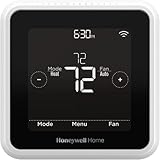
Overview: The Honeywell Home T5 WiFi Smart Thermostat combines reliable, user-friendly scheduling with utility-focused energy savings programs. It emphasizes geofencing for automatic temperature adjustments and targets homeowners looking to leverage utility rebates alongside straightforward smart control, requiring a C-wire. What Makes It Stand Out: Its strong integration with utility “Demand Response Programs” allows eligible users to earn rewards by permitting minor, temporary temperature adjustments during peak energy demand. Geofencing technology reliably triggers Auto Home/Away mode using smartphone location, enhancing comfort and savings without manual input. Value for Money: Honeywell’s reputation for durability and the potential for significant utility rebates (8-16% savings on bills) enhance its value proposition. The ENERGY STAR certification, monthly usage reports, and straightforward 7-day scheduling provide clear pathways to reduced energy costs, making it a practical, cost-effective choice. Strengths and Weaknesses: Strengths: Excellent utility program integration for rebates/rewards, reliable geofencing, clear energy reporting, sturdy Honeywell build quality, intuitive touchscreen. Weaknesses: Mandatory C-wire, geofencing accuracy can vary, less advanced automation than Nest/ecobee, interface less modern. Bottom Line: A dependable, utility-savvy thermostat ideal for homeowners seeking tangible bill savings through rebates and geofencing; best suited for those prioritizing practical energy management over cutting-edge smart home features.
Understanding Core Functionality and Compatibility
Before getting dazzled by advanced features, it’s crucial to confirm the thermostat can actually work with your existing heating and cooling system. This foundational step prevents costly mistakes and frustration down the line.
Identifying Your HVAC System Type
Your home likely uses a forced-air system, heat pump, or perhaps a combination of heating methods like radiant floors or baseboards. Each system type has specific wiring and control requirements. For instance, heat pumps often require additional terminals (like O/B) that a basic thermostat might not support, while complex multi-stage systems need thermostats capable of managing multiple heating and cooling stages for optimal efficiency. Accurately identifying your system—often found on the existing thermostat’s wiring or the HVAC unit itself—is non-negotiable.
The Critical Role of the C-Wire
Many advanced smart thermostats require a constant power source, typically provided by a “C-wire” (common wire). Older homes or simpler systems might lack this wire, relying solely on the power sent through the heating/cooling call wires. While some modern thermostats offer innovative power-stealing solutions or adapters to work without a C-wire, these can sometimes cause issues like intermittent Wi-Fi dropouts or system malfunctions, especially with heat pumps. Checking for a C-wire during your initial assessment saves significant headaches later.
Voltage Compatibility Matters
HVAC systems primarily operate on low voltage (24V AC), which is standard for most residential thermostats. However, some older systems, particularly those controlling electric baseboard heaters or certain radiant systems, use line voltage (120V or 240V). Using a standard low-voltage smart thermostat on a line-voltage system is dangerous and will cause damage. Always verify the voltage requirements of your specific heating/cooling equipment before purchase.
Evaluating Smart Features for Real-World Value
Smart capabilities are the main draw, but not all features deliver equal benefit. Prioritize those that align with your actual lifestyle and goals to avoid paying for unused tech.
Learning Capabilities: Beyond the Hype
The promise of a thermostat that “learns” your schedule is appealing. Truly effective learning thermostats observe your manual adjustments over days or weeks and gradually build an energy-efficient schedule that matches your routine. However, the value diminishes if your schedule is highly irregular or if the learning algorithm is too rigid, requiring constant overrides. Look for models that offer a clear balance—genuine adaptive learning combined with easy manual schedule adjustments and overrides.
Geofencing: Location-Based Comfort
Geofencing uses your smartphone’s location to automatically adjust the temperature when you leave or approach home. This prevents wasting energy heating or cooling an empty house. Its effectiveness depends on reliable smartphone GPS and location services. Consider if your household consistently carries phones and if the feature triggers accurately in your neighborhood (avoiding false “away” modes due to spotty signal). A robust implementation should allow customization of the geofence radius and delays to prevent rapid cycling.
Remote Access and Control via App
The ability to adjust your home’s temperature from anywhere via a smartphone app is often a primary reason for upgrading. Evaluate the app’s user interface—does it feel intuitive and responsive? Can you easily create schedules, view energy usage history, receive maintenance alerts, and control other smart home devices? A clunky or unreliable app significantly undermines the core benefit of remote access. Check recent user reviews specifically mentioning app performance.
Integration with Your Smart Home Ecosystem
A smart thermostat shouldn’t operate in isolation. Its ability to connect and work seamlessly with your broader smart home setup multiplies its usefulness.
Voice Assistant Compatibility
Integration with popular voice platforms (like Amazon Alexa, Google Assistant, or Apple HomeKit/Siri) allows for hands-free temperature adjustments and status checks. Ensure compatibility with the specific voice assistant(s) you use daily. Some thermostats offer deeper integration, enabling voice control over specific modes or schedules, not just basic temperature changes.
Platform Ecosystem Synergy
Consider the smart home platform that forms the backbone of your connected devices (e.g., Apple Home, Google Home, Amazon Alexa, Samsung SmartThings). A thermostat deeply integrated into your chosen platform will trigger automations more reliably (e.g., “Set to Eco Mode when I leave” via a SmartThings routine) and appear consistently within your main smart home app. Prioritize thermostats officially certified for your primary ecosystem.
Automation and Routine Building
The real power lies in creating automations where the thermostat reacts to other events. Examples include lowering the heat when your smart door locks indicating you’ve left, adjusting cooling based on smart window sensor data, or integrating with weather services for pre-cooling before a predicted heatwave. Assess how easily and flexibly the thermostat platform allows you to build these custom routines within your existing smart home app.
Prioritizing Energy Efficiency and Insights
One of the biggest selling points is potential energy savings. Understanding how thermostats help you achieve this is key to justifying the investment.
Detailed Energy Usage Reporting
Beyond just showing the current temperature, top-tier thermostats provide clear, visual reports on your heating and cooling consumption over time—daily, weekly, monthly. Look for breakdowns by system (heating vs. cooling), comparisons to previous periods, and insights into runtime. This data is invaluable for identifying patterns, understanding your biggest energy drains, and verifying actual savings.
Automated Energy-Saving Modes
Features like “Eco Mode,” “Away Mode,” or “Schedule Assist” automatically adjust temperatures to save energy when you’re not home or during predictable off-hours. The best implementations allow fine-tuning of the temperature setbacks (how much to adjust) and offer clear indicators of estimated savings. Some even provide personalized tips based on your usage patterns.
HVAC System Monitoring and Alerts
Proactive alerts about potential HVAC issues can prevent costly repairs and maintain efficiency. Valuable notifications include: unusually long runtimes (indicating possible system strain or inefficiency), filter change reminders based on actual usage, detection of lost connectivity with outdoor sensors (for heat pumps), or alerts for extreme indoor temperatures that could risk frozen pipes. Ensure these alerts are customizable to avoid notification fatigue.
Installation and User Experience Considerations
Even the most advanced thermostat is frustrating if installation is complex or daily use is cumbersome. Prioritize user-friendliness.
DIY vs. Professional Installation Complexity
While many thermostats tout “easy DIY installation,” complexity varies significantly based on your wiring setup and HVAC system. Models requiring a C-wire adapter or dealing with complex multi-stage/heat pump wiring often benefit from professional installation to ensure safety and optimal function. Honestly assess your comfort level with electrical work; a miswired thermostat can damage your HVAC system. Reputable manufacturers provide clear wiring guides and compatibility checkers.
Interface Design and Daily Interaction
You’ll interact with the thermostat’s physical screen regularly. Consider screen size, brightness (is it readable in direct sunlight?), responsiveness (touch vs. physical buttons), and menu intuitiveness. A beautiful app means little if adjusting the temperature when you walk in the door is a multi-step hassle on the wall unit. Prioritize a clean, logical interface that makes common tasks effortless.
Setup Process and Initial Configuration
The initial setup—connecting to Wi-Fi, linking to your account, configuring your HVAC system—should be straightforward. Look for clear in-app instructions, good error messaging if something goes wrong (like incorrect wiring detection), and a setup process that guides you step-by-step without requiring constant technical jargon deciphering. A smooth setup experience sets the tone for ongoing use.
Privacy, Security, and Long-Term Reliability
Your thermostat knows when you’re home, your routines, and your comfort preferences. Trusting it with this data requires confidence in its security and longevity.
Data Privacy Practices
Manufacturers collect usage data to power features like learning and energy reports. Scrutinize their privacy policy: What specific data is collected? How is it anonymized? Is it shared with third parties (e.g., for advertising)? Do they offer clear opt-outs for data sharing beyond core functionality? Transparency here is critical for user trust.
Security Measures and Updates
As an internet-connected device, thermostats are potential security entry points. Choose brands with a strong track record of regular, automatic firmware updates to patch vulnerabilities. Look for features like secure boot, data encryption in transit and at rest, and the ability to manage device access permissions within your account. Avoid brands with a history of security breaches or infrequent updates.
Build Quality and Expected Lifespan
Smart thermostats are an investment. Consider the physical build quality—the screen, casing, and mounting mechanism. While electronics evolve, a well-built unit should reliably function for 5-10 years. Research average user-reported lifespans and warranty periods (typically 1-3 years). Avoid flimsy constructions that feel like they won’t withstand daily use.
Future-Proofing Your Investment
Technology evolves rapidly. Choosing a thermostat that can adapt ensures your investment remains valuable longer.
Software Update Commitment
A thermostat’s capabilities can grow significantly through software updates. Research the manufacturer’s historical commitment: How frequently do they release meaningful updates adding features or improving functionality? Do they support devices for many years after purchase, or do they quickly abandon older models? A strong update track record indicates a better long-term value.
Adapting to Emerging Standards
The smart home landscape is shifting towards standards like Matter, designed to improve cross-platform compatibility and security. While full Matter support for thermostats is evolving, choosing a device from a company actively involved in these standards (or offering future firmware updates for compatibility) can safeguard your investment against obsolescence as ecosystems become more interconnected.
Scalability for Home Expansion
If you plan to add more zones to your HVAC system (like finishing a basement or adding an addition), consider thermostats designed for multi-zone systems or those that easily integrate with compatible zone control systems. Similarly, if you anticipate expanding your smart home significantly, ensure the thermostat’s platform has a history of adding new integrations over time.
Frequently Asked Questions
Frequently Asked Questions
How much can I realistically save on energy bills with a smart thermostat? Savings vary based on climate, home size, current system efficiency, and how actively you use the features, but studies and user reports often indicate potential savings of 10-15% annually on heating and cooling costs through optimized scheduling, geofencing, and energy reports.
Do I absolutely need a C-wire for a smart thermostat? While many modern thermostats can function without one using power-stealing technology or adapters, a dedicated C-wire is highly recommended. It provides stable, continuous power, preventing issues like intermittent Wi-Fi connectivity, display flickering, or potential strain on your HVAC system’s transformer, especially with complex setups like heat pumps.
Is professional installation worth the cost? If your wiring is straightforward (common in newer homes with existing smart-ready thermostats) and you’re comfortable with basic electrical work, DIY can be successful. However, for complex systems (heat pumps, multi-stage), lack of a C-wire requiring an adapter, or if you’re unsure, professional installation ($100-$250) ensures safety, correct setup, and optimal performance, often preventing costly mistakes.
Can I control it with my voice assistant? Yes, virtually all current smart thermostats support integration with major voice assistants like Amazon Alexa, Google Assistant, and Apple Siri (often via HomeKit). You can typically adjust temperature, check status, and activate modes using voice commands, provided the thermostat is linked to your voice assistant account.
How do I know if it’s compatible with my specific HVAC system? Reputable manufacturers provide detailed online compatibility checkers. You’ll need to know your system type (e.g., gas furnace + AC, heat pump) and count the wires connected to your current thermostat (usually labeled R, C, Y, G, W, O/B). Input this information into the checker before purchasing.
How long does it take for a learning thermostat to adapt to my schedule? True adaptive learning typically requires consistent manual adjustments over 7-14 days. During this period, the thermostat observes your preferred temperatures at different times. Initial schedules might be basic, but they refine as it gathers more data about your actual habits.
Can one thermostat control multiple HVAC zones in a large house? A single thermostat unit typically controls only one HVAC zone. For multi-zone homes, you need either multiple thermostats (one per zone, often managed through a central app) or a compatible whole-home zoning system controlled by a master thermostat. Check the product specifications for multi-zone support.
What happens to my schedule during a power outage? Most smart thermostats have a small internal battery that preserves settings and the clock for several hours during a brief outage. After power returns, they usually resume the programmed schedule. However, extended outages may reset the schedule, requiring reconfiguration—check the specific model’s battery backup duration.
How often should I expect software updates? Quality manufacturers typically release firmware updates every few months, addressing security, bugs, or occasionally adding minor features. Major feature updates might come less frequently, perhaps once or twice a year. Check community forums or review sites for a brand’s historical update patterns.
What’s the average lifespan of a smart thermostat? With proper installation and usage, most smart thermostats last between 5 to 10 years. Build quality, environmental factors (like extreme temperature/humidity near the unit), and the manufacturer’s continued software support influence longevity. The physical hardware often outlasts the period of active software updates.
See Also
- We Tested 50 Smart Thermostats - Here are the 10 Best for Home Automation
- How to Integrate Z-Wave Smart Thermostats into Your Existing Home Automation System
- Why Voice-Controlled Smart Thermostats Are Revolutionizing Home Comfort in 2026
- We Tested 50 Smart Thermostat Remotes - Here are the 10 Best for Home Automation
- 10 Game-Changing Home Automation Thermostats for Tech-Savvy Homes in 2026