Table of Contents
Moving into your first home is exhilarating—a blank canvas for your dreams, finally embodying stability and independence. Yet, beneath the excitement often lurks a quiet anxiety about the unseen systems keeping that dream livable, especially the heating and cooling. For many new homeowners, the thermostat is an afterthought, a simple dial on the wall they barely notice… until the first utility bill arrives, shockingly high, or a sudden cold snap leaves them scrambling. This is where the modern smart thermostat transforms from a tech gadget into an essential tool for financial control and daily comfort in your new kingdom.
Imagine never coming home to a freezing house in winter or a sweltering one in summer again. Picture trimming hundreds off your annual energy costs without sacrificing comfort, all while managing your home’s climate from your phone during your commute. For the first-time homeowner navigating budgets, learning maintenance, and establishing routines, a smart thermostat isn’t just convenient—it’s a strategic investment. It bridges the gap between homeowner responsibility and intelligent, effortless management, turning an often-overlooked component into your most valuable ally for long-term savings and peace of mind. Let’s explore why this small device deserves serious consideration right after you get the keys.
Top 10 Smart Thermostats for First-Time Homeowners
Detailed Product Reviews
1. ecobee Smart Thermostat Essential - Energy Star Certified programmable Wi-Fi Thermostat - Works with Siri, Alexa, and Google Assistant

Overview:
The ecobee Smart Thermostat Essential is an Energy Star-certified Wi-Fi thermostat designed to optimize home comfort and energy efficiency. It automatically adjusts temperatures based on your schedule, learning when you’re home or away to reduce HVAC runtime. Compatible with 85% of heating and cooling systems, it features a color touchscreen and mobile app control, with free software updates ensuring long-term relevance.
What Makes It Stand Out:
Its standout feature is the robust compatibility checker for seamless system integration, plus the ability to leverage room sensors (sold separately) for precise temperature balancing. Unlike competitors, it natively supports Siri, Alexa, and Google Assistant without workarounds. The app provides detailed energy usage tracking, empowering users to make data-driven adjustments.
Value for Money:
Priced competitively, it justifies cost through verified 23% annual energy savings and no subscription fees. While the Power Extender Kit (for C-wire-less homes) is sold separately, the thermostat’s DIY install and enduring software support enhance long-term value versus basic programmable models.
Strengths and Weaknesses:
Strengths: Intuitive app, multi-voice assistant support, accurate scheduling, and strong energy reporting. Weaknesses: Requires additional purchases for C-wire solutions or room sensors, and lacks built-in geofencing (relies on app location services).
Bottom Line:
Ideal for tech-savvy homeowners seeking broad voice assistant compatibility and granular energy insights. Despite minor accessory costs, its proven savings and user-friendly design make it a top-tier budget-smart thermostat choice.
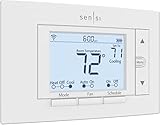
2. Sensi Smart Thermostat, 100 Years Of Expertise, Wi-Fi, Data Privacy, Programmable, Easy DIY Install, Works With Alexa, Energy Star Certified, Mobile App, ST55
Overview:
The Sensi Smart Thermostat leverages Emerson’s century of HVAC expertise to deliver a straightforward, privacy-focused smart thermostat. ENERGY STAR certified, it promises ~23% HVAC energy savings through scheduling, remote access, and usage reports. Designed for easy DIY installation without a C-wire in most setups, it retains a traditional thermostat aesthetic.
What Makes It Stand Out:
Its ironclad privacy policy—explicitly refusing to sell user data—sets it apart in an era of data monetization. The app guides installation with built-in leveling tools, and maintenance features like filter-change alerts add practical value. Compatibility with existing wall spaces avoids messy renovations.
Value for Money:
Competitively priced, it offers exceptional value through hassle-free installation (no C-wire needed for most) and no hidden fees. The focus on privacy and longevity—backed by Emerson’s reputation—outshines cheaper alternatives with data concerns or complex setups.
Strengths and Weaknesses:
Strengths: Unmatched privacy commitment, effortless DIY install, intuitive physical buttons, and useful maintenance alerts. Weaknesses: Limited third-party integrations beyond Alexa, and the app lacks advanced automation seen in rivals.
Bottom Line:
A superb choice for privacy-conscious users wanting a no-fuss upgrade from traditional thermostats. Its reliability, ease of use, and ethical data practices justify the investment for straightforward smart home energy management.
3. Amazon Smart Thermostat – Save money and energy - Works with Alexa and Ring - C-wire required

Overview:
Amazon’s entry-level smart thermostat integrates tightly with Alexa and Ring ecosystems to simplify energy savings. ENERGY STAR certified, it claims average $50 yearly bill reductions and uses presence detection from Echo devices to auto-adjust temperatures. Requires a C-wire for installation and leverages Amazon’s rebate program for added savings.
What Makes It Stand Out:
Deep Alexa integration enables voice-centric control (“Alexa, set home to 72°”) and unique “comfort zones” using Echo devices as remote sensors. The post-purchase rebate email streamlines access to local utility discounts—a rare convenience. Its minimalist design suits modern homes.
Value for Money:
Its affordability shines when combined with readily available rebates, often lowering the effective cost significantly. While C-wire dependency may deter some, seamless Alexa/Ring synergy delivers premium ecosystem value unmatched at this price point.
Strengths and Weaknesses:
Strengths: Best-in-class Alexa integration, effortless rebate access, and intuitive scheduling. Weaknesses: Mandatory C-wire excludes older homes, limited third-party compatibility, and lacks advanced energy reports.
Bottom Line:
Perfect for Alexa devotees seeking a bargain-priced thermostat with strong ecosystem synergy. If your HVAC has a C-wire, its rebate-driven value and hands-free control make it a compelling energy-saving starter.
4. Google Nest Thermostat - Smart Thermostat for Home - Programmable Wifi Thermostat - Snow

Overview:
The Google Nest Thermostat (Snow finish) is an ENERGY STAR-certified smart thermostat that learns routines to cut energy waste. It auto-lowers temps when you’re away and offers remote control via the Google Home app. Designed for C-wire-less setups in most homes, it emphasizes simplicity with a sleek, farsight display.
What Makes It Stand Out:
“Savings Finder” proactively suggests schedule tweaks for extra savings—unlike passive competitors. Works without a C-wire for common systems (though heat pumps may need accessories), and its adaptive scheduling requires minimal user input. The crisp display shows forecasted energy impact clearly.
Value for Money:
Mid-range priced, it justifies cost through effortless automation and potential utility rebates. While C-wire accessories may add expense for niche systems, the zero-maintenance learning algorithm and long-term app support enhance ROI versus manual-programmable models.
Strengths and Weaknesses:
Strengths: Truly “set-and-forget” learning, excellent energy visualization, broad compatibility, and Savings Finder insights. Weaknesses: No physical lock feature, limited customization for advanced users, and heat pump systems often require extras.
Bottom Line:
A top pick for hands-off energy savings with intuitive Google integration. Its learning capability and proactive tips deliver consistent value, making it ideal for those prioritizing simplicity and long-term efficiency.
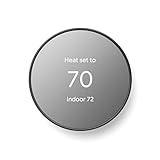
5. Google Nest Thermostat - Smart Thermostat for Home - Programmable Wifi Thermostat - Charcoal
Overview:
Identical in functionality to its Snow counterpart but featuring a Charcoal finish, this Nest Thermostat uses AI to optimize heating/cooling. ENERGY STAR certified, it auto-adjusts when you’re absent and offers remote access via the Google Home app. Targets users wanting a discreet, modern aesthetic without sacrificing smart features.
What Makes It Stand Out:
The charcoal hue blends seamlessly into darker wall palettes—ideal for design-focused homes. Like the Snow model, it boasts “Savings Finder” for personalized efficiency tips and works without a C-wire for most standard HVAC systems, eliminating installation hurdles.
Value for Money:
Priced the same as the Snow version, the charcoal option adds aesthetic flexibility without feature trade-offs. Combined with potential energy rebates and zero-cost app updates, it offers identical long-term savings potential in a more versatile design package.
Strengths and Weaknesses:
Strengths: Stylish matte finish, effortless learning algorithm, robust app insights, and C-wire-free install for most. Weaknesses: Same limitations as Snow model—no lock feature, and heat pumps may need accessories.
Bottom Line:
Choose this if you prefer a sophisticated, low-visibility thermostat that delivers Google’s hallmark ease-of-use and energy intelligence. Functionally identical to Snow, the charcoal variant is a design upgrade for cohesive home aesthetics.
6. ecobee Smart Thermostat Enhanced - Programmable Wifi Thermostat - Works with Siri, Alexa, Google Assistant - Energy Star Certified - Smart Home
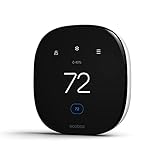
Overview: The ecobee Enhanced is a versatile smart thermostat designed to optimize home comfort and energy efficiency. It integrates seamlessly with major smart home ecosystems and focuses on automated temperature control based on occupancy and preferences. What Makes It Stand Out: Its built-in radar occupancy sensing preheats or pre-cools homes before arrival, ensuring comfort upon entry. The thermostat learns schedules and adjusts for humidity, while the included Power Extender Kit simplifies DIY installation for 90% of HVAC systems. Remote control via multiple platforms (including Apple Watch) adds convenience. Value for Money: Priced competitively, it justifies cost through significant energy savings (up to 26% annually) and comprehensive in-box components. The absence of extra sensor costs (unlike some competitors) enhances value, though the premium feels steeper without multi-room monitoring. Strengths and Weaknesses: Strengths: Excellent occupancy automation, humidity-based adjustments, broad compatibility, and robust app control. Weaknesses: Lacks built-in air quality monitoring, and radar tech may occasionally misjudge occupancy in complex layouts. No physical air filter reminders. Bottom Line: A top-tier choice for energy savings and intuitive automation, ideal for users prioritizing core smart features over advanced environmental monitoring. Highly recommended for most households seeking reliability.
7. ecobee Smart Thermostat Premium with Smart Sensor and Air Quality Monitor - Programmable Wifi Thermostat - Works with Siri, Alexa, Google Assistant

Overview: ecobee’s Premium model elevates the smart thermostat experience with an integrated air quality monitor and a room-sensing SmartSensor. It targets users seeking holistic home environment control beyond basic temperature management. What Makes It Stand Out: The standout feature is real-time air quality tracking with actionable tips and filter change alerts. The included SmartSensor ($50 value) ensures room-specific comfort, while cinematic display, metal casing, and radar occupancy sensing enhance premium appeal. Unique integration with ecobee’s doorbell camera adds security utility. Value for Money: Higher priced than the Enhanced model, but justified by the bundled SmartSensor, air quality tools, and superior build. Long-term energy savings (26% annually) offset costs, though budget-conscious buyers might find it excessive without air quality concerns. Strengths and Weaknesses: Strengths: Comprehensive air quality monitoring, precise multi-room comfort via SmartSensor, elegant design, and robust smart home integration. Weaknesses: Premium cost; air quality features require ecobee ecosystem commitment. Limited added value if doorbell camera isn’t used. Bottom Line: Exceptional for health-conscious households or those needing room-by-room precision. The investment pays off with environmental insights and comfort—strongly recommended if air quality is a priority.
8. New! Honeywell Home Smart Thermostat, Conventional/Heat Pump Compatibility, WiFi Thermostat for Home, X2S, Gray

Overview: Honeywell’s X2S offers straightforward smart climate control with Matter certification and flexible scheduling. It targets users upgrading from basic programmable thermostats to reliable, app-connected automation. What Makes It Stand Out: Matter certification ensures future-proof compatibility across Apple HomeKit, Alexa, and Google ecosystems. Flexible scheduling (5-1-1, 7-day, etc.) and demand-response capability for utility rebates stand out. The non-programmable mode caters to simplicity seekers. Value for Money: Competitive pricing for ENERGY STAR certification and Matter support. Value hinges on utility rebates and DIY install ease, though the mandatory C-wire requirement (adapter sold separately) may increase costs for older homes, reducing affordability. Strengths and Weaknesses: Strengths: Broad Matter compatibility, customizable scheduling, humidity monitoring, and utility rebate support. Weaknesses: C-wire essential (no workaround), basic display compared to rivals, and lacks occupancy sensing or room sensors. App experience lags behind ecobee. Bottom Line: A solid, no-frills option for Matter adopters needing reliable scheduling and rebate eligibility. Best for tech-savvy users with C-wire access; skip if advanced automation or sensors are desired.
9. Sensi Lite Smart Thermostat, Programmable, WiFi, Easy DIY, Works With Alexa, ENERGY STAR Certified, ST25, Most Systems C-Wire Not Required, C-Wire needed with Heat/Cool Only & Heat Pump System – Black
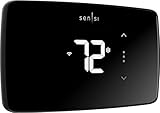
Overview: Sensi Lite prioritizes effortless installation and privacy-focused energy savings. It’s engineered for accessibility, supporting most systems without a C-wire, appealing to DIYers and privacy-conscious users. What Makes It Stand Out: True C-wire flexibility (not required for most systems) simplifies installation where others fail. Its standout privacy promise—no data selling for ads—builds trust. ENERGY STAR savings (23%) and top-rated app usability enhance appeal. Value for Money: Budget-friendly with strong energy savings and no hidden sensor costs. The privacy focus adds intangible value, though lack of occupancy sensors limits automation depth versus premium models. Ideal for cost-effective, hassle-free upgrades. Strengths and Weaknesses: Strengths: Exceptional installation ease, strict privacy policy, geofencing, and broad compatibility. Weaknesses: No room sensors or advanced occupancy detection; heat pump/cool-only systems still need C-wire. Interface less polished than ecobee. Bottom Line: The go-to for DIYers avoiding C-wire hassles and valuing data privacy. Delivers core smart features reliably at a fair price—highly recommended for straightforward, privacy-respecting automation.
10. vine Smart Thermostat for House, WiFi Thermostats for Home Compatible with Alexa and Google Assistant, 7day x 8period Programmable, Energy Star Certified, C-Wire Required

Overview: vine offers a feature-packed, budget-oriented thermostat with robust scheduling and essential smart home integration. It targets users seeking granular control without premium pricing. What Makes It Stand Out: Highly customizable 7-day/8-period scheduling and Auto Home/Away mode provide precise energy management. Child lock, temperature alerts, and dual-app support (Vine/Smart Life) enhance practicality. Compatibility checker QR code streamlines pre-purchase verification. Value for Money: Low-cost entry into ENERGY STAR-certified smart thermostats. Strong value for scheduling enthusiasts, but the mandatory C-wire requirement (unlike Sensi) may necessitate extra purchases, slightly diminishing affordability for older homes. Strengths and Weaknesses: Strengths: Detailed scheduling, child lock, filter reminders, and dual-voice assistant support. Weaknesses: C-wire compulsory for all setups; no occupancy sensors or humidity adjustments. Build quality feels less premium than ecobee/Honeywell. Bottom Line: A capable, affordable option for users prioritizing scheduling flexibility over advanced automation. Best for homes with existing C-wires; avoid if seeking occupancy intelligence or luxury design.
Understanding the Core Value for New Homeowners
The transition to homeownership brings new financial responsibilities, making efficiency paramount. Smart thermostats directly address the top concerns of first-time buyers: unpredictable utility costs and the desire for modern, manageable living. They go far beyond basic scheduling, using intelligence to adapt to your life and optimize energy use automatically. This isn’t just about comfort; it’s about gaining immediate control over one of your largest recurring household expenses, turning a passive system into an active money-saving partner.
Why Energy Savings Matter Most Initially
Your first year as a homeowner is often the steepest learning curve financially. Heating and cooling typically consume nearly half of a home’s energy use. A smart thermostat actively learns your patterns or uses geofencing to adjust temperatures when you’re away, preventing energy waste from forgotten manual overrides. This translates directly to lower monthly bills, freeing up crucial funds for other homeowner expenses like repairs, furniture, or savings. The potential savings aren’t theoretical—they’re measurable reductions that impact your bottom line from day one.
Seamless Integration into New Routines
Establishing household rhythms takes time. Smart thermostats simplify this by adapting to your schedule, not forcing you into rigid programming. Whether your work hours shift, you have weekend adventures, or family routines evolve, the system learns and adjusts heating and cooling cycles accordingly. This eliminates the constant manual tweaking of a traditional thermostat, reducing stress and ensuring your home is always at the ideal temperature when you need it, without requiring constant attention.
Remote Control: Peace of Mind Beyond the Walls
Unexpected situations happen—a weekend trip extension, a sudden work commitment keeping you late. With remote access via your smartphone, you can adjust the temperature from anywhere. Need to warm up the house before arriving home late? Worried you left it cranked while on vacation? A few taps on your phone resolve it instantly. This level of control provides immense reassurance, especially when you’re still getting accustomed to the responsibilities of maintaining your own property.
Critical Compatibility Checks Before Buying
Rushing into a purchase without verifying compatibility is the most common pitfall for new homeowners. Unlike plug-and-play gadgets, a smart thermostat must physically and electrically integrate with your home’s existing heating, ventilation, and air conditioning (HVAC) system. Skipping this step can lead to costly installation headaches or a device that simply won’t function as intended, turning a smart investment into a frustrating paperweight.
Decoding Your HVAC System Type
Your home’s heating and cooling setup is unique. Is it forced air (using ducts and a furnace), a heat pump (common in milder climates, handling both heating and cooling), a boiler system (using radiators or in-floor heating), or perhaps a multi-stage or zoned system? Smart thermostats have specific requirements. A model designed only for standard single-stage furnaces won’t work with a complex heat pump system. Consulting your HVAC manual or a professional installer before purchasing is non-negotiable to ensure the thermostat supports your exact configuration.
The C-Wire Conundrum: Powering Your Intelligence
Many traditional thermostats rely on the heating system itself for minimal power, but smart thermostats need consistent electricity for their displays, Wi-Fi, and processing. A “C-wire” (common wire) provides this dedicated 24V AC power. While some newer models offer workarounds like power-stealing technology or adapters, these aren’t universally reliable and can sometimes cause HVAC system issues. Checking if your existing thermostat wiring includes a spare C-wire (usually blue) is crucial. If not, be prepared for potentially more complex installation, which might require professional help—factor this into your decision.
Wi-Fi and App Ecosystem Requirements
True “smart” functionality hinges on a stable home Wi-Fi connection. Ensure your router provides reliable coverage where the thermostat will be installed (often near an exterior wall, which can sometimes have weaker signals). Furthermore, investigate the thermostat’s companion app. Is it user-friendly? Does it offer the specific features you value most, like detailed energy reports or specific voice control integration? Downloading the app before buying (if possible) to test its interface can prevent frustration later. Compatibility with your existing smart home platform (like Google Home or Amazon Alexa) is also essential if you plan to expand your ecosystem.
Essential Features That Deliver Real-World Benefits
With compatibility confirmed, focus shifts to features that genuinely enhance your life as a new homeowner. Don’t be swayed by every bell and whistle; prioritize functionalities that solve your specific pain points and deliver tangible value. The right features transform the thermostat from a novelty into an indispensable part of your home management toolkit.
Adaptive Learning vs. Manual Scheduling: Finding Your Fit
Some thermostats boast “learning” capabilities, observing your manual adjustments over days or weeks to build a custom schedule. This is ideal if your routine is somewhat unpredictable. Others rely on highly customizable manual scheduling, perfect if your work and life follow a very consistent pattern. Consider your lifestyle: are your days largely the same, or do they vary significantly? Learning models require initial patience but offer ultimate hands-off convenience, while manual schedulers provide precise, immediate control without a learning period.
Geofencing: Automating Away Mode
This powerful feature uses your smartphone’s location to detect when you’ve left the house, automatically switching to an energy-saving “Away” mode. More importantly, it senses when you’re heading home and begins adjusting the temperature so your house is comfortable upon arrival—no more remembering to change settings. For the forgetful or busy new homeowner, this automation delivers significant savings effortlessly, eliminating the most common source of energy waste: heating or cooling an empty home.
Detailed Energy Usage Reporting
Understanding where your money goes is the first step to saving it. Look for thermostats that provide clear, visual reports on daily, weekly, or monthly energy consumption, often comparing it to previous periods. Some even break down usage by heating versus cooling. This data is invaluable for a new homeowner, helping identify patterns, verify savings, and make informed decisions about other potential efficiency upgrades in your home. Knowledge truly is power (and savings).
Navigating Costs and Installation Realities
Smart thermostats represent an upfront cost, but viewing them solely through the lens of the purchase price misses the bigger picture. Consider the total investment, including potential installation complexity, and weigh it against the projected energy savings and enhanced comfort over the device’s lifespan. For the budget-conscious first-time buyer, understanding these factors ensures a smart financial decision.
Beyond the Sticker Price: Calculating ROI
While basic models start affordably, premium options with advanced features or larger screens command higher prices. However, the real value lies in the return on investment (ROI) through reduced energy bills. Many utility companies even offer rebates or discounts for installing ENERGY STAR certified smart thermostats, significantly lowering the net cost. Factor in potential annual savings (often estimated at 10-12% on heating and cooling bills) against the purchase price and any rebates. For most homeowners, the device pays for itself within one to two years—a compelling argument for moving beyond the cheapest option if features align with your needs.
DIY Installation: Assessing Your Skill Level Honestly
Manufacturer claims of “easy DIY installation” are common, but reality depends heavily on your HVAC system complexity and comfort with basic electrical work. If your system is standard, you have a clear C-wire, and you’re handy, swapping a thermostat can be straightforward (typically under an hour). However, if wiring is confusing, a C-wire is missing, or your system is unconventional (like heat pumps with auxiliary heat), professional installation is strongly advised. A botched DIY job can damage your HVAC system—a costly mistake far exceeding an installer’s fee. When in doubt, hire a professional; many HVAC companies offer this service for a reasonable flat rate.
Warranty and Long-Term Reliability Considerations
Treat your smart thermostat like the critical appliance controller it is. Investigate the manufacturer’s warranty length and coverage (typically 1-3 years). Consider the brand’s reputation for software updates and long-term support. A thermostat that becomes obsolete or unsupported in a few years loses much of its value. Prioritize established brands known for reliability and ongoing app/feature development, ensuring your investment remains functional and beneficial for many years, aligning with the long-term nature of homeownership.
Maximizing Your Investment After Installation
The work doesn’t stop once the thermostat is mounted. To truly harness its potential and ensure it delivers optimal savings and comfort, proactive engagement and smart usage habits are key. Think of it as adopting a new team member for your home—you need to set it up correctly and give it the right instructions to perform at its best.
Fine-Tuning Schedules and Preferences
Even with learning capabilities, taking 10-15 minutes to manually set initial preferences or refine the learned schedule yields better results. Define your desired “Home,” “Away,” and “Sleep” temperature ranges based on actual comfort, not arbitrary numbers. Adjust the schedule to match your real weekday and weekend routines. Small tweaks here prevent the system from working against you, ensuring comfort aligns perfectly with your lifestyle and maximizing efficiency.
Leveraging Alerts and Maintenance Reminders
Many smart thermostats monitor your HVAC system’s performance, sending alerts for potential issues like unusually long run times (indicating a filter problem or system strain) or detected malfunctions. They also often track runtime and remind you when it’s time for routine maintenance like filter changes. Pay attention to these notifications! Addressing minor issues early, like replacing a clogged filter, prevents major (and expensive) HVAC breakdowns and keeps your system running efficiently, directly impacting your comfort and bills.
Integrating with Broader Home Efficiency
Your smart thermostat is a powerful tool, but it’s part of a larger energy ecosystem. Pair its data with other observations: Are certain rooms always too hot or cold? That might indicate duct issues or insufficient insulation. Notice spikes in usage during extreme weather? It highlights where additional weatherstripping or window treatments could help. Use the thermostat’s insights as a starting point to identify other areas for home efficiency improvements, creating a compounding effect on your savings and comfort.
Future-Proofing Your Home’s Climate Control
As a new homeowner, you’re not just buying a device for today; you’re investing in the long-term intelligence and value of your property. Choosing a thermostat that adapts to future needs and technologies ensures it remains a valuable asset throughout your homeownership journey, potentially even enhancing your home’s appeal down the line.
Software Updates and Evolving Features
Unlike traditional thermostats, smart models receive regular software updates. These can fix bugs, improve existing features (like learning algorithms), and sometimes even add entirely new functionalities months or years after purchase. Prioritize brands with a strong track record of consistent, long-term software support. This means your initial investment continues to grow in capability over time, adapting to new standards or integrating with emerging smart home technologies you might adopt later.
Compatibility with Emerging Smart Home Standards
The smart home landscape is evolving rapidly, with initiatives like Matter aiming to create universal compatibility across brands and platforms. While full adoption is ongoing, considering a thermostat that supports or is expected to support such standards future-proofs your investment. It reduces the risk of your thermostat becoming isolated as your smart home expands, ensuring seamless integration with future devices like smart vents, advanced sensors, or next-generation voice assistants, protecting your investment’s longevity.
Building Home Value Through Modern Amenities
As smart home technology becomes increasingly standard, features like a modern smart thermostat are shifting from “nice-to-have” to expected amenities for potential future buyers. Installing one now not only benefits you but also subtly enhances your home’s perceived value and modernity. It signals to future buyers that the home is updated and incorporates contemporary conveniences, potentially making it more attractive in a competitive market years down the road.
Frequently Asked Questions
Frequently Asked Questions
How much can I realistically expect to save on my energy bills? Most homeowners see reductions of 10-12% annually on heating and cooling costs through optimized scheduling, geofencing, and adaptive learning, though individual results vary based on climate, system efficiency, and usage patterns.
Will a smart thermostat work with my older HVAC system? Compatibility is key. Many models support common older systems (like standard gas furnaces), but verification of your specific system type and wiring (especially the C-wire) is essential before purchasing.
Is professional installation really necessary, or can I do it myself? If your system is standard, wiring is clear, and you have a C-wire, DIY is often feasible. For complex systems (heat pumps), missing C-wires, or if you lack electrical confidence, professional installation is highly recommended to avoid damage.
Do I need a strong Wi-Fi signal at the thermostat location? Yes, consistent Wi-Fi is crucial for remote access, automatic updates, and features like geofencing. Ensure your router provides reliable coverage to the thermostat’s mounting location.
Can a smart thermostat help me qualify for utility company rebates? Absolutely. Many utility providers offer significant rebates (sometimes $50-$100+) for installing ENERGY STAR certified smart thermostats. Always check your local utility’s website before purchasing.
How does geofencing actually work, and is it accurate? Geofencing uses your smartphone’s GPS location via the thermostat’s app. It creates a virtual boundary around your home; when your phone exits this zone, the thermostat switches to “Away” mode. Accuracy is generally good for detecting when you’ve left the neighborhood.
What happens if my Wi-Fi goes down? The thermostat typically reverts to its last saved schedule or manual settings, maintaining basic temperature control. You lose remote access and smart features until Wi-Fi is restored, but your home stays conditioned.
Are my home’s heating/cooling habits private and secure? Reputable brands use encryption for data transmission and storage. Review the manufacturer’s privacy policy, use strong passwords for your Wi-Fi and thermostat account, and ensure your home network is secure to protect your usage data.
How long do smart thermostats typically last before needing replacement? With proper care and software updates, most quality smart thermostats last 5-10 years, comparable to or exceeding the lifespan of traditional programmable thermostats.
Can a smart thermostat detect potential problems with my HVAC system? Yes, many models monitor system runtime and performance. They can send alerts for issues like short cycling, unusually long run times (indicating possible filter blockage or system strain), or detected malfunctions, prompting timely maintenance.
See Also
- The 10 Best Remote Controls for Thermostats Every First-Time Homeowner Needs This Year
- 10 Essential Smart Thermostats Every First-Time Homeowner Needs in 2026
- The 10 Best WiFi Thermostats Every First-Time Homebuyer Needs This Year
- 10 Best Budget Smart Thermostats Under $100 for First-Time Buyers
- The 10 Best Smart Thermostats Every Renter Needs This Year