Table of Contents
Imagine coming home after a long day to find your apartment either sweltering like a sauna or chillingly cold—despite paying for climate control you barely used. For renters, this frustrating scenario is all too common, often because traditional thermostats lack the intelligence to adapt to your unpredictable schedule or the flexibility to work within rental constraints. Unlike homeowners, you can’t just rip out old systems or make permanent modifications, leaving you stuck with inefficient setups that drain your wallet and comfort. But what if you could transform your rental’s heating and cooling without drilling a single hole or risking your security deposit?
Smart thermostats aren’t just for property owners anymore. Today’s innovative designs prioritize renters’ unique challenges: portability, easy installation, and non-invasive operation. These devices learn your habits, adjust temperatures remotely via smartphone, and even detect when you’ve left home—slashing energy waste without altering your landlord’s infrastructure. More importantly, they offer a rare win-win: you gain personalized comfort and lower bills, while landlords benefit from reduced wear on HVAC systems. In this guide, we’ll cut through the noise to reveal exactly what features matter most for your temporary space, ensuring you invest in a solution that’s as flexible as your lease agreement.
Top 10 Smart Thermostats for Renters
Detailed Product Reviews
1. ecobee Smart Thermostat Essential - Energy Star Certified programmable Wi-Fi Thermostat - Works with Siri, Alexa, and Google Assistant

Overview:
The ecobee Essential is an Energy Star-certified smart thermostat designed to optimize home comfort and reduce energy waste. It learns user schedules, adjusts temperatures automatically when away, and offers remote control via app or voice assistants, targeting significant HVAC cost savings.
What Makes It Stand Out:
Its standout feature is precise room occupancy tracking using remote sensors (sold separately), ensuring comfort where people actually are. Compatibility with 85% of HVAC systems via its online checker and robust third-party integrations (Siri, Alexa, Google) enhance flexibility. Free software updates future-proof the device.
Value for Money:
Priced competitively, it justifies cost through claimed 23% annual energy savings. While the Power Extender Kit (for no-C-wire setups) is an extra expense, the long-term utility savings and broad compatibility make it a sound investment versus basic programmable models.
Strengths and Weaknesses:
Strengths: Excellent energy-saving algorithms, intuitive color touchscreen, strong app for usage tracking, and extensive voice assistant support. Weaknesses: Remote sensors cost extra for optimal performance, and C-wire solutions add to initial setup cost. DIY install may challenge some users.
Bottom Line:
Ideal for energy-conscious homeowners seeking reliable automation and broad ecosystem compatibility; the Essential delivers tangible savings and comfort, though budget for potential accessory costs.
2. Amazon Smart Thermostat – Save money and energy - Works with Alexa and Ring - C-wire required

Overview:
Amazon’s entry-level smart thermostat seamlessly integrates with Alexa and Ring ecosystems, prioritizing simplicity and energy savings. It automates temperature adjustments based on presence detection and schedules, aiming to reduce bills through user-friendly smart features.
What Makes It Stand Out:
Unique “comfort zones” leverage Echo devices or Amazon’s Air Quality Monitor to adjust temperatures room-by-room. Post-purchase rebate assistance via email simplifies accessing utility incentives, a rare proactive feature. Deep Alexa integration enables effortless voice control and routines.
Value for Money:
Its affordability is bolstered by potential rebates (up to $50/year per ENERGY STAR) and zero subscription fees. While requiring a C-wire limits some installations, the straightforward setup and Amazon ecosystem synergy offer strong value for Alexa-centric households.
Strengths and Weaknesses:
Strengths: Exceptional Alexa/Ring integration, simple interface, automatic home/away detection, and hassle-free rebate guidance. Weaknesses: Mandatory C-wire excludes older homes, lacks advanced sensors for room-specific control, and has fewer third-party integrations than competitors.
Bottom Line:
A top pick for Alexa users wanting an affordable, no-frills thermostat that maximizes energy savings through seamless voice control and rebate support; avoid if your system lacks a C-wire.
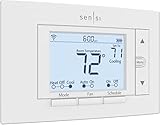
3. Sensi Smart Thermostat, 100 Years Of Expertise, Wi-Fi, Data Privacy, Programmable, Easy DIY Install, Works With Alexa, Energy Star Certified, Mobile App, ST55
Overview:
The Sensi ST55 leverages legacy HVAC expertise to deliver a privacy-focused, user-friendly smart thermostat. ENERGY STAR certified, it emphasizes easy installation, robust data protection, and energy savings through scheduling and remote access.
What Makes It Stand Out:
Its ironclad privacy policy—refusing to sell user data—is a major differentiator in a crowded market. The “feels like a traditional thermostat” design avoids wall damage during DIY installs, and C-wire isn’t required for most systems, broadening accessibility.
Value for Money:
Competitively priced, it offers excellent value with claimed 23% HVAC energy savings, free app features (usage reports, maintenance alerts), and no hidden fees. The straightforward setup saves potential electrician costs, making it cost-effective versus pricier models.
Strengths and Weaknesses:
Strengths: Unmatched data privacy, tool-free installation with built-in level, HVAC maintenance alerts, and wide compatibility. Weaknesses: Basic touchscreen interface lacks color, and ecosystem integrations (Alexa/Google) are less refined than ecobee/Nest.
Bottom Line:
Highly recommended for privacy-focused users and DIYers needing a reliable, no-nonsense thermostat; perfect for those prioritizing simplicity and data security over cutting-edge smart features.
4. Google Nest Thermostat - Smart Thermostat for Home - Programmable Wifi Thermostat - Snow

Overview:
Google’s Nest Thermostat combines sleek design with AI-driven efficiency, automatically adapting to routines to cut energy waste. ENERGY STAR certified, it focuses on learning habits, remote control, and proactive savings suggestions via the Google Home app.
What Makes It Stand Out:
“Savings Finder” proactively identifies additional energy-saving opportunities by analyzing usage patterns—a unique, actionable feature. Its elegant design fits most walls, and C-wire-free operation (in many systems) simplifies installation versus competitors.
Value for Money:
Mid-range pricing is justified by long-term savings from adaptive scheduling and Savings Finder. While utility rebates require manual checking, the thermostat’s learning capabilities typically offset costs faster than basic programmables, offering solid ROI.
Strengths and Weaknesses:
Strengths: Beautiful minimalist design, intuitive learning algorithms, excellent app integration, and proactive savings tips. Weaknesses: Limited third-party compatibility (no Siri), C-wire needed for complex systems, and lacks room sensors for zone control.
Bottom Line:
A stylish, intelligent choice for Google ecosystem users seeking effortless energy savings; best for those valuing design and adaptive learning over multi-platform voice control.
5. meross Smart Thermostat for Home, WiFi Thermostat Works with Matter, Alexa, Apple Home, Google Assistant, App & Voice Control, 7x24h Scheduling, Energy Saving, C-Wire Required

Overview:
The meross thermostat prioritizes universal smart-home compatibility via Matter protocol, supporting Apple Home, Alexa, and Google. It offers granular scheduling, real-time HVAC monitoring, and robust alerts for maintenance and efficiency tracking.
What Makes It Stand Out:
Matter protocol integration ensures seamless, local control across Apple, Amazon, and Google ecosystems—reducing app overload. Advanced alerts for filter life and system faults provide exceptional HVAC health oversight, uncommon at this price point.
Value for Money:
Its affordability shines with 95% HVAC compatibility and Matter support, future-proofing smart-home setups. While requiring a C-wire, the comprehensive scheduling, energy tracking, and cross-platform voice control deliver high utility for budget-conscious tech adopters.
Strengths and Weaknesses:
Strengths: Best-in-class Matter compatibility, detailed usage reports, customizable scheduling, and proactive system alerts. Weaknesses: C-wire mandatory (limiting older homes), no built-in presence detection, and app interface less polished than Nest/ecobee.
Bottom Line:
Essential for Matter ecosystem adopters wanting reliable, multi-platform control and HVAC insights; ideal if you prioritize seamless integration and maintenance alerts over standalone AI learning.
6. ecobee Smart Thermostat Premium with Smart Sensor and Air Quality Monitor - Programmable Wifi Thermostat - Works with Siri, Alexa, Google Assistant

Overview: The ecobee Premium is a high-end smart thermostat bundling advanced climate control, occupancy sensing, and comprehensive air quality monitoring. It targets homeowners seeking holistic environmental management and significant energy savings through intelligent automation. What Makes It Stand Out: Its standout features include the included SmartSensor for room-specific comfort, a built-in air quality monitor with actionable tips and filter reminders, radar-based occupancy sensing for security and efficiency, and seamless integration with the ecobee doorbell camera. The premium metal build and vibrant display enhance its appeal. Value for Money: Priced at a premium, it justifies cost through substantial energy savings (up to 26%), the included $50 SmartSensor, and unique air quality capabilities absent in competitors. While expensive upfront, long-term utility reductions and added health benefits offer strong ROI for eco-conscious users. Strengths and Weaknesses: Strengths: Exceptional sensor ecosystem, detailed air quality insights, robust smart home compatibility, DIY-friendly install with PEK included. Weaknesses: Higher price point than rivals, requires compatibility verification, air quality features may be overkill for some. Bottom Line: A top-tier choice for those prioritizing air quality, precise room-by-room comfort, and premium build. Its comprehensive feature set delivers significant value despite the cost, making it ideal for health-focused, tech-savvy households seeking maximum efficiency.
7. Honeywell Home RTH9585WF1004 Wi-Fi Smart Color Thermostat, 7 Day Programmable, Touch Screen, Energy Star, Alexa Ready, Gray

Overview: Honeywell’s RTH9585WF offers customizable aesthetics and utility-focused energy management. This 7-day programmable thermostat emphasizes personalization and integration with energy provider incentive programs for cost-conscious users. What Makes It Stand Out: The standout feature is its customizable color screen to match home décor, alongside strong utility program integration (Demand Response) that can earn rebates. Its large, bright touchscreen and straightforward programming cater to users valuing ease of use over complex smart home ecosystems. Value for Money: Excellent value for users in areas with strong utility rebates. The potential for direct financial incentives from energy providers, combined with ENERGY STAR savings and a competitive price, often offsets the cost quickly. Simplicity reduces the learning curve. Strengths and Weaknesses: Strengths: Easy-to-use touchscreen, strong utility program support, décor-friendly color options, reliable performance. Weaknesses: Lacks advanced features like room sensors or air quality monitoring, requires C-wire, limited smart home depth compared to ecobee. Bottom Line: Highly recommended for users prioritizing simplicity, utility rebates, and visual customization over cutting-edge smart home features. It’s a dependable, cost-effective workhorse for straightforward programmable comfort and energy savings.
8. Sensi Lite Smart Thermostat, Programmable, WiFi, Easy DIY, Works With Alexa, ENERGY STAR Certified, ST25, Most Systems C-Wire Not Required, C-Wire needed with Heat/Cool Only & Heat Pump System – Black
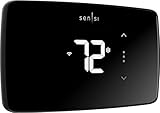
Overview: The Sensi Lite focuses on hassle-free installation and privacy-conscious energy savings. It’s designed for DIYers seeking basic smart functionality and significant HVAC cost reduction without complex setups or data concerns. What Makes It Stand Out: Its key differentiator is compatibility with most systems without requiring a C-wire (except specific heat pumps), drastically simplifying DIY installation. Strong emphasis on privacy (no data selling) and ENERGY STAR-certified savings (~23%) are major selling points for budget-aware, privacy-focused users. Value for Money: Outstanding value due to its low price point, easy DIY install saving professional fees, and substantial energy savings potential. The lack of C-wire need for many systems removes a common barrier, making smart thermostats accessible to more homeowners. Strengths and Weaknesses: Strengths: Exceptional DIY compatibility (no C-wire for most), strong privacy policy, simple app control, significant energy savings. Weaknesses: Lacks room sensors or advanced features like air quality, app can feel basic, C-wire still needed for some systems. Bottom Line: The best budget-friendly, privacy-oriented choice for straightforward smart thermostat functionality. Ideal for renters or homeowners wanting easy installation, reliable energy savings, and no data tracking, without needing advanced automation.
9. ecobee Smart Thermostat Enhanced - Programmable Wifi Thermostat - Works with Siri, Alexa, Google Assistant - Energy Star Certified - Smart Home
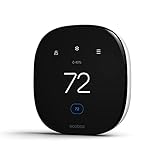
Overview: The ecobee Enhanced delivers core ecobee intelligence at a more accessible price than the Premium model. It focuses on occupancy-based comfort, learning capabilities, and broad system compatibility for efficient, automated home climate control. What Makes It Stand Out: Built-in radar occupancy sensing pre-heats/cools before arrival, while learning algorithms adapt to schedules and humidity. It includes the essential PEK for DIY installs on 90% of systems and offers robust smart home platform integration (Apple Watch, etc.) without the Premium’s air quality focus. Value for Money: Excellent value proposition. It captures the core energy-saving benefits (up to 26%) and smart features of ecobee’s ecosystem (like occupancy sensing and learning) at a lower cost than the Premium, making advanced automation widely attainable. Strengths and Weaknesses: Strengths: Intelligent occupancy scheduling, strong learning capabilities, wide compatibility with DIY PEK included, significant energy savings, versatile app control. Weaknesses: No built-in air quality monitor, excludes the room sensor bundle of the Premium model. Bottom Line: Highly recommended for users seeking ecobee’s core intelligent automation (occupancy, learning) and broad compatibility without the air quality premium. It’s the sweet spot for smart, efficient climate control offering the best balance of features and value in the ecobee lineup.
10. vine Smart Thermostat for House, WiFi Thermostats for Home Compatible with Alexa and Google Assistant, 7day x 8period Programmable, Energy Star Certified, C-Wire Required

Overview: The vine thermostat provides essential smart functionality at an entry-level price. It offers basic scheduling, remote control, and voice assistant compatibility for users seeking affordable automation without advanced features. What Makes It Stand Out: Standout aspects are its very competitive price point and core functionality: 7-day x 8-period scheduling, Auto Home/Away mode, and standard voice control (Alexa/Google). Practical extras like filter reminders and child lock add utility for basic comfort management. Value for Money: Strong value for budget-conscious buyers needing fundamental smart features. Its low cost, ENERGY STAR savings, and inclusion of essential functions (remote app, voice control, scheduling) make it a cost-effective entry into smart thermostats, especially for compatible systems. Strengths and Weaknesses: Strengths: Very affordable, simple 7-day programming, reliable remote/voice control, useful alerts (filter, temp), child lock. Weaknesses: Requires C-wire for all installations, lacks learning/sensors, app interface less refined, limited smart home depth. Bottom Line: A solid, no-frills recommendation for users prioritizing affordability and basic automation (scheduling, remote control) on compatible C-wire systems. Ideal for budget upgrades where advanced features like occupancy sensing or learning aren’t required.
Understanding Renter-Specific Smart Thermostat Requirements
Renters face distinct hurdles when adopting home tech, making generic smart thermostat advice irrelevant. Your solution must balance innovation with lease compliance, avoiding permanent changes that could trigger disputes or forfeited deposits. Prioritizing temporary, reversible installations isn’t just practical—it’s essential for maintaining a positive landlord-tenant relationship.
Non-Permanent Installation Methods
Look for models using adhesive mounting plates or magnetic bases that leave zero residue on walls. Some units snap directly onto existing thermostat housings without rewiring, while others rely on peel-and-stick templates for perfect alignment. Avoid any device requiring screw-based anchors or drywall patches, as these violate most lease agreements. Always test adhesives on inconspicuous spots first to ensure they won’t damage paint.
Compatibility with Rental HVAC Systems
Rental properties often have older or basic HVAC setups lacking C-wires (common wires for powering thermostats). Choose devices with built-in power-stealing technology or rechargeable batteries to bypass this limitation. Verify compatibility with your system type—whether it’s forced air, baseboard heating, or heat pumps—using the manufacturer’s online checker before purchasing. Skipping this step risks costly installation failures.
Portability Between Residences
Since moves are inevitable, prioritize thermostats designed for relocation. Key features include intuitive disassembly (no specialized tools), compact wiring labels, and automatic Wi-Fi reconfiguration. Some even store your usage history in the cloud, so your next rental learns your preferences instantly. This “set it and forget it” mobility turns a potential hassle into a seamless transition.
Navigating Landlord Permissions and Lease Agreements
Assuming you can install any smart device without consulting your landlord is a fast track to complications. Lease clauses about “alterations” often include thermostat replacements, even if they’re reversible. Proactive communication protects your deposit and builds trust—framing the upgrade as a mutual benefit increases approval odds.
Documenting Pre-Installation Conditions
Before touching anything, photograph your existing thermostat and wiring. Note the model number and take voltage readings if possible. Share these details with your landlord to prove you’ll restore the original setup. This transparency prevents “damage” accusations during move-out inspections and shows you’re a responsible tenant.
Framing the Value Proposition
Landlords care about cost savings and property preservation. Highlight how smart thermostats reduce HVAC runtime (cutting utility strain) and prevent extreme temperature swings that harm pipes or walls. Some insurers even offer discounts for devices with leak or freeze alerts—position this as risk mitigation for their investment.
Temporary Installation Agreements
Draft a simple addendum specifying:
- Exact installation method (e.g., “adhesive-only mounting”)
- Your commitment to revert to the original thermostat
- Who covers accidental damage (typically the tenant)
Having this in writing prevents he-said-she-said disputes later. Most landlords agree if you absorb all liability.
Energy Savings and Usage Insights for Renters
Renters pay utilities but rarely control insulation or window efficiency—making targeted energy management crucial. Smart thermostats transform vague “high bills” into actionable data, revealing exactly how your habits impact costs. This isn’t just about comfort; it’s financial empowerment in a system where you’re often powerless.
Real-Time Consumption Tracking
Advanced models break down energy use by hour, day, or season, showing spikes from forgotten vacations or inefficient schedules. Compare this against local weather data to identify anomalies—like a heater running during mild days—indicating system issues your landlord should fix. Knowledge becomes leverage in maintenance requests.
Automated Savings Without Sacrifice
“Setback” features automatically adjust temps when you’re asleep or out, but renter-focused models add context-aware logic. For example, they skip cooling if open windows are detected via phone geofencing, or delay heating until you’re 15 minutes from home. This precision avoids wasteful “on/off” cycling common in rentals with poor insulation.
Historical Data for Lease Negotiations
Compile monthly reports showing reduced HVAC runtime. Present these when renewing your lease to negotiate lower rent or waived fees—proving you’re a low-impact tenant who maintains the property efficiently. Data-driven arguments resonate more than subjective promises.
Privacy and Security Considerations
Renters often overlook how thermostats collect location data, occupancy patterns, and even voice commands. Since you don’t own the infrastructure, security flaws could expose your routines to hackers—or worse, landlords with access to shared accounts. Vigilance here protects both your privacy and physical safety.
Account Ownership and Access Control
Never let landlords control the thermostat account. Use a dedicated email (not your primary one) and enable two-factor authentication. If they demand access for “emergency overrides,” create a separate guest profile with limited permissions—like viewing-only mode—instead of sharing your credentials.
Data Retention Policies
Check if the manufacturer stores your usage history indefinitely. Opt for brands with clear data deletion options upon uninstallation, especially since you’ll remove the device when moving. Avoid cloud-dependent features that become useless if the company shuts down its servers.
Physical Security During Vacancies
When traveling, set “Away Mode” to simulate occupancy with randomized temperature shifts—deterring burglars who target empty rentals. Disable location tracking if it drains your phone battery, using motion sensors (if allowed) as a backup trigger.
Cost Analysis and Long-Term Value
While upfront costs seem steep for temporary housing, smart thermostats often pay for themselves within a year through lower bills. But for renters, calculating ROI requires factoring in portability: a $100 device you reuse across three apartments outperforms a “free” landlord-installed model you can’t take.
Break-Even Timeline Calculations
Estimate savings using your actual utility rates (not national averages). If your thermostat reduces HVAC runtime by 15% and you spend $150 monthly on heating/cooling, that’s $22.50 saved each month. A $120 unit pays back in under six months—then becomes pure savings. Always verify manufacturer claims with third-party studies.
Resale and Relocation Value
High-end models retain 60-70% of their value on resale platforms when moved to a new rental. Factor this into your budget: treating it as a depreciating asset (like furniture) makes the investment easier to justify. Keep original packaging for safe transport and resale appeal.
Hidden Costs to Avoid
Beware of subscription fees for “premium” features like energy reports or advanced scheduling. True renter-friendly devices offer core automation without recurring costs. Also, check if your Wi-Fi plan supports additional IoT devices—some budget internet packages throttle smart home traffic.
Integration with Renter-Friendly Smart Home Ecosystems
Your thermostat shouldn’t exist in isolation. Seamless connections with other temporary smart devices—like plug-in sensors or portable air purifiers—create a cohesive system that travels with you. Prioritize open-platform compatibility over brand lock-in.
Voice Assistant Flexibility
Choose thermostats working with multiple assistants (Alexa, Google, Siri) via standard protocols like Matter. This avoids being stranded if you switch phone ecosystems between moves. Disable voice control in shared housing to prevent accidental adjustments from roommates’ devices.
Multi-Location Management
If you sublet or manage multiple properties, ensure the app supports switching between installations effortlessly. Color-coding or custom naming (e.g., “Downtown Apartment”) prevents accidentally adjusting the wrong unit—a critical failsafe for frequent movers.
Sensor Ecosystem Portability
Battery-powered room sensors detect cold spots in drafty rentals, but their value vanishes if they’re hardwired. Opt for stick-on models that pair wirelessly and survive relocation. Place them in problem areas (near windows or entryways) for hyper-localized adjustments.
Maintenance and Troubleshooting for Temporary Setups
Renters can’t call HVAC technicians for minor glitches—landlords typically cover only major system failures. Knowing how to diagnose common issues keeps your comfort intact and avoids repair disputes.
DIY Wiring Checks
If the thermostat blanks out, verify wire connections match the labeled terminals (R, C, Y, G, W). Loose wires cause 80% of “mal
See Also
- The 10 Best WiFi Thermostats Every Tech-Savvy Renter Needs This Year
- The 10 Best Smart Thermostats Every Eco-Conscious Home Needs This Year
- The 10 Best Smart Thermostats Every First-Time Homeowner Needs This Year
- The 10 Best Remote Controls for Thermostats Every First-Time Homeowner Needs This Year
- 10 Essential Smart Thermostats Every First-Time Homeowner Needs in 2026