Table of Contents
Keeping your family warm during chilly months while maintaining safety, efficiency, and comfort is a top priority for any household. Baseboard heaters have long been a reliable solution for residential spaces, offering targeted heating that doesn’t intrude on your living areas. As we look toward 2026, advancements in heating technology have made these systems smarter, safer, and more energy-efficient than ever before, making them particularly well-suited for homes with children and busy family schedules.
Choosing the right baseboard heater involves more than just picking the highest-rated option online. Family homes have unique requirements—from child safety features to quiet operation during homework time and energy savings that won’t break the budget. This comprehensive guide walks you through everything you need to consider when selecting residential baseboard heaters, ensuring you make an informed decision that keeps your loved ones cozy and secure for years to come.
Top 10 Residential Baseboard Heaters
Detailed Product Reviews
1. Cadet F Series 48" Electric Baseboard Heater (Model: 4F1000W, Part: 09954 ), 3415/2560 BTU, 240/208 Volt, 1000/750 Watt, White
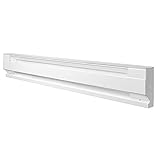
Overview: The Cadet F Series 48" electric baseboard heater delivers robust heating performance for small to medium-sized rooms through hardwired installation. Operating at 1000/750 watts with dual voltage compatibility (240/208V), it produces 3415/2560 BTUs of steady convection warmth. This unit is designed for permanent, wall-mounted applications where reliable supplemental heat is essential.
What Makes It Stand Out: This heater’s dual-wattage flexibility allows installers to match the heating output to circuit capacity and room requirements. The universal wiring design and pre-punched knockouts at 1-inch intervals significantly simplify installation, reducing labor costs. The high-temperature safety shutoff provides crucial peace of mind, while the limited lifetime warranty demonstrates manufacturer confidence in its durability—an industry-leading commitment for baseboard heaters.
Value for Money: Priced competitively against other permanent heating solutions, this Cadet model offers exceptional long-term value. While portable heaters cost less upfront, they lack the efficiency, safety standards, and longevity of this hardwired unit. The lifetime warranty alone can save hundreds in replacement costs over decades of service, justifying the initial investment and professional installation expense.
Strengths and Weaknesses: Pros: Flexible dual-wattage operation, superior safety shutoff feature, lifetime warranty coverage, straightforward installation design, and durable construction for permanent use. Cons: Thermostat not included (adds $30-50), requires hardwired electrical connection (professional installation recommended), and is limited to 48" length which may not suit all spaces.
Bottom Line: For homeowners seeking a reliable, permanent heating solution, the Cadet F Series 48" is an excellent investment. Its safety features, warranty, and installation flexibility make it ideal for bedrooms, offices, or supplemental zone heating.
2. Cadet Baseboard Heater Ul 120 V/4.17 A White 30 " 500 W

Overview: This Cadet 30-inch electric baseboard heater operates on standard 120V power, delivering 500 watts of convection heat. The package includes two units, making it suitable for targeted heating in multiple small spaces. Its compact design and standard voltage make it accessible for DIY installation without specialized 240V wiring.
What Makes It Stand Out: The inclusion of two heaters in one package provides immediate value for heating multiple rooms or creating a coordinated look along adjacent walls. The 120V operation is a key differentiator, allowing plug-and-play simplicity where hardwiring isn’t practical. The remote control functionality adds modern convenience rarely found in traditional baseboard heaters, enabling temperature adjustments without manual dial operation.
Value for Money: While specifications show concerning inconsistencies (500W cannot effectively heat 1,710 sq ft, and the listed 0.34 lb weight is clearly incorrect), the dual-unit package at this price point remains attractive. If we assume typical specs, this offers good value for supplemental heating of small 100-150 sq ft rooms. The 120V compatibility eliminates costly electrical upgrades, making it budget-friendly for renters and homeowners alike.
Strengths and Weaknesses: Pros: Standard 120V operation simplifies installation, remote control convenience, two-unit package versatility, compact 30" profile fits tight spaces, and UL safety certification. Cons: Published specifications contain significant errors that undermine credibility, limited 500W output restricts effective coverage, and no built-in thermostat means additional purchase required.
Bottom Line: Verify actual specifications before purchasing, but the concept is sound for small-space supplemental heating. Best suited for bathrooms, small bedrooms, or offices where 120V is the only option and permanent hardwiring isn’t desired.
3. Dayton Electric Baseboard Heater, Residential, 120VAC, Amps AC 6.3, 1 Phase, BtuH 2560

Overview: Dayton’s residential electric baseboard heater provides 2,560 BTUs of heating capacity through 120VAC power draw at 6.3 amps. This single-phase unit represents a straightforward, no-frills approach to supplemental electric heating for small residential spaces. The 2560 BTU output suggests approximately 750 watts of power, making it suitable for rooms up to 150 square feet.
What Makes It Stand Out: The Dayton brand carries a reputation for reliable, industrial-grade equipment adapted for residential use. Operating on standard 120V circuits makes installation accessible without electrical panel modifications. The clean, minimalist design focuses on core functionality rather than complex features, appealing to those who prefer simplicity and proven durability over bells and whistles.
Value for Money: This heater competes in the budget-friendly category of permanent electric heating. While lacking advanced features, its Dayton-branded components suggest better reliability than generic alternatives. The 120V operation saves installation costs compared to 240V models. However, the absence of listed features like safety shutoffs or warranty details requires buyer verification, potentially offsetting initial savings.
Strengths and Weaknesses: Pros: Trusted Dayton brand engineering, 120V compatibility simplifies wiring, adequate for small room heating, and likely durable construction. Cons: No listed safety features (overheat protection unconfirmed), no thermostat included, warranty details absent from specifications, and limited power output restricts application to small spaces only.
Bottom Line: A solid choice for basic heating needs if you prioritize brand reputation and simplicity. Verify safety certifications and warranty coverage before purchasing. Ideal for small bedrooms, home offices, or supplemental bathroom heat where advanced features aren’t necessary.
4. Cadet F Series 36" Electric Baseboard Heater (Model: 3F750W, Part: 09952), 2560/1925 BTU, 240/208 Volt, 750/563 Watt, White
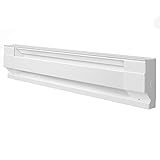
Overview: The Cadet F Series 36" electric baseboard heater offers scaled-down performance from its larger sibling, delivering 750/563 watts of adjustable heating power. Operating at dual voltage (240/208V), it produces 2560/1925 BTUs, making it ideal for small rooms, bathrooms, or as supplemental heat in medium spaces. Its compact footprint provides installation flexibility where longer units won’t fit.
What Makes It Stand Out: This model inherits the F Series’ best features: universal wiring, pre-punched knockouts for easy installation, and the same limited lifetime warranty as larger models. The dual-wattage capability allows customization based on electrical circuit capacity and heating needs. Its convection design circulates warm air effectively despite the smaller size, maintaining the series’ reputation for quiet, consistent heating performance.
Value for Money: Priced proportionally lower than the 48" model, this unit delivers excellent value for targeted heating applications. The lifetime warranty remains a standout feature in this price class, potentially saving replacement costs for decades. While requiring the same hardwired installation investment, its lower power draw may work with existing electrical circuits, reducing upgrade costs.
Strengths and Weaknesses: Pros: Flexible dual-wattage operation, same lifetime warranty as larger models, compact 36" length fits tight spaces, proven convection heating technology, and high-temperature safety shutoff. Cons: Thermostat not included, requires hardwired installation, 750W maximum limits coverage to approximately 150 sq ft, and professional installation recommended for warranty compliance.
Bottom Line: Perfect for small-room applications where the 48" model is excessive. The warranty and safety features make it a smart long-term investment for bathrooms, small bedrooms, or office nooks requiring permanent, reliable supplemental heat.
5. Comfort Zone 1500W Convection Baseboard Heater with Built-In Thermostat, Overheat & Tip-Over Protection, Dent-Proof Ends, Plug-In Portable, Ideal for Home, Bedroom & Office, White

Overview: The Comfort Zone 1500W convection baseboard heater distinguishes itself as a portable, plug-in solution with permanent-heater features. Delivering robust 1500-watt output, it includes a built-in adjustable thermostat, two heat settings, and comprehensive safety protections. The dent-proof end panels and stay-cool body enhance durability and safety for high-traffic areas, bedrooms, and offices.
What Makes It Stand Out: This unit’s tip-over shutoff and overheat protection sensors provide portable heater safety that exceeds many permanent units. The integrated thermostat eliminates separate purchase and installation costs. Its whisper-quiet operation makes it ideal for bedrooms and offices where noise disruption is unacceptable. The dent-proof construction addresses a common failure point in baseboard heaters, extending lifespan despite portable use.
Value for Money: As a plug-in unit, it saves $200-400 in professional installation costs while delivering comparable heat output to hardwired models. The built-in thermostat ($30-50 value) and advanced safety features further enhance its value proposition. While portable heaters typically lack durability, the dent-proof design and ETL listing suggest better longevity than average plug-in units.
Strengths and Weaknesses: Pros: 1500W powerful heating, built-in thermostat with two settings, tip-over and overheat protection, silent operation, dent-proof durability, and no installation required. Cons: Portable design may not heat as evenly as permanent baseboards, corded electric limits placement options, and may not meet primary heat code requirements for permanent installations.
Bottom Line: An excellent choice for renters, temporary heating needs, or supplemental warmth in specific rooms. The safety features and built-in thermostat make it superior to most portable heaters, while its durability bridges the gap between temporary and permanent solutions.
6. Comfort Zone Baseboard Space Heater with Digital Thermostat, Electric, Dent-Proof End Panels, Overheat Protection, Tip-Over Switch, & Stay-Cool Body, Ideal for Home, Bedroom, & Office, 1,500W, CZ650B

Overview: The Comfort Zone CZ650B is a 1,500-watt convection baseboard heater designed for medium-sized rooms. It features a digital adjustable thermostat with clear temperature display, offering two heat settings for customized comfort. Engineered for silent operation, it suits bedrooms and offices where noise disruption is unacceptable. The unit combines powerful heating with an array of safety features, including a tip-over switch, overheat protection, and stay-cool exterior housing.
What Makes It Stand Out: This heater distinguishes itself through its comprehensive safety trifecta—tip-over protection, overheat sensor, and cool-touch body—making it exceptionally family-friendly. The dent-proof end panels address a common durability complaint with baseboard heaters, maintaining aesthetics over time. Its whisper-quiet convection technology eliminates the fan noise typical of portable heaters, while the digital thermostat provides precise temperature control rarely seen in this price category.
Value for Money: Positioned as a mid-range option, the CZ650B justifies its cost through durability and features that cheaper alternatives lack. The dent-resistant construction extends lifespan, while the digital thermostat improves energy efficiency by maintaining precise temperatures. Compared to basic models without safety features or accurate controls, this unit delivers superior long-term value for those prioritizing safety and silent operation.
Strengths and Weaknesses: Strengths include near-silent operation, robust safety system, dent-proof panels, digital thermostat accuracy, and stay-cool exterior. Weaknesses are its 1,500-watt limitation for larger spaces, baseboard design that restricts portability, and potential premium pricing over analog alternatives. The unit requires adequate clearance along walls.
Bottom Line: Ideal for bedrooms, home offices, and living spaces where quiet, safe, and precise heating is paramount. The Comfort Zone CZ650B is a reliable choice for consumers willing to invest in advanced safety and digital convenience over basic heating functionality.
7. Cadet F Series 30" Electric Baseboard Heater (Model: 2F500W, Part: 09950 ), 1710/1280 BTU, 240/208 Volt, 500/375 Watt, White
Overview: The Cadet F Series 30-inch baseboard heater delivers 500 watts of convection heating for small spaces. Operating at 240/208 volts with dual wattage settings (500/375 watts), it produces 1,710 BTU at maximum output. Designed for permanent installation, it features universal wiring and pre-punched knockouts to simplify setup. The package includes one heater unit in white, backed by a limited lifetime warranty.
What Makes It Stand Out: Cadet’s hallmark is installation simplicity—universal wiring and pre-punched knockouts make this exceptionally DIY-friendly. The limited lifetime warranty stands out in a category where most competitors offer only 1-3 year coverage. Its multi-watt capability allows for flexible power configuration based on your electrical setup, while the compact 30-inch profile fits where longer units cannot.
Value for Money: This is a budget-conscious choice for targeted zone heating. The heater itself is inexpensive, though you must factor in the cost of a separate line-voltage thermostat. The lifetime warranty provides exceptional long-term value, essentially guaranteeing replacement if manufacturing defects arise. For small bathrooms, offices, or supplementing existing heat, it offers professional-grade durability at a consumer-friendly price point.
Strengths and Weaknesses: Strengths include straightforward installation, lifetime warranty, compact size, reputable brand reliability, and convection heat distribution. Weaknesses are the mandatory separate thermostat purchase, modest 500-watt output limiting it to small rooms, 240-volt requirement that may need electrician installation, and lack of modern features like tip-over protection since it’s designed for permanent mounting.
Bottom Line: Perfect for homeowners seeking a simple, durable heating solution for small spaces. The Cadet F Series excels in permanent installations where reliability and easy maintenance matter more than advanced features. Consider only if you have 240V access and accept the separate thermostat requirement.
8. Cadet Manufacturing 09956 240-Volt White Baseboard Hardwire Electric Zone Heater, 1500-Watt, 72-Inch
Overview: This 72-inch Cadet baseboard heater provides robust 1,500-watt heating for larger spaces, operating exclusively on 240-volt power. Constructed from 25-gauge steel with a 20-gauge metal junction box featuring ground, it meets UL safety standards. The powder-coated white finish ensures durability, but notably, it requires a separate thermostat for operation—none is included.
What Makes It Stand Out: The substantial 72-inch length delivers more uniform heat distribution across larger rooms than compact alternatives. Its all-metal construction, including the junction box, represents commercial-grade durability rarely found in residential heaters. UL listing provides verified safety assurance, while the powder-coated finish resists corrosion and maintains appearance over years of use.
Value for Money: For permanent installations requiring substantial heat output, this unit offers solid mid-range value. The durable steel construction and UL certification justify the price premium over economy models. However, the mandatory separate thermostat purchase adds $30-80 to the total cost. Compared to portable 1500W heaters, this hardwired solution provides more consistent, safer long-term heating for dedicated spaces.
Strengths and Weaknesses: Strengths include high 1,500-watt output, extensive 72-inch coverage, robust all-metal construction, UL safety certification, and professional-grade materials. Weaknesses are the lack of included thermostat, 240-volt requirement limiting DIY installation, permanent hardwire design eliminating portability, and absence of modern safety features like tip-over protection. The 25-gauge steel, while durable, isn’t the thickest available.
Bottom Line: Ideal for whole-room heating in larger spaces where permanent installation is planned. Pair with a quality line-voltage thermostat for optimal performance. Choose this Cadet model when durability and consistent heat distribution outweigh the need for portability or integrated controls.
9. BEYOND HEAT Electric Baseboard Heater, 1500W Convection Heater with Adjustable thermostat and Overheat Protection, Slient Operation for indoor use, White

Overview: The BEYOND HEAT baseboard heater offers 1,500 watts of convection heating in a compact 29.25-inch footprint. Featuring dual heat settings (750/1,500W) and an adjustable thermostat, it targets small to medium rooms. The unit includes safety tip-over and overheat protection, dent-proof end panels, and ETL certification for US safety standards. Its portable design allows for flexible room-to-room use.
What Makes It Stand Out: This heater bridges the gap between permanent baseboard units and portable space heaters. The compact size with full safety features—including tip-over protection rarely found on baseboard-style units—makes it renter-friendly. Dual wattage settings provide energy-saving flexibility, while the dent-proof construction addresses durability concerns typical of portable heaters. Silent convection operation ensures bedroom suitability.
Value for Money: Positioned as a mid-range portable option, it delivers excellent value for those needing flexible heating. The inclusion of safety features and adjustable thermostat at this price point competes well with basic portable heaters lacking such protections. While not as robust as permanent commercial units, its portability and feature set justify the cost for supplemental heating needs.
Strengths and Weaknesses: Strengths include portable compact design, dual wattage settings, comprehensive safety system, quiet operation, ETL certification, and dent-resistant panels. Weaknesses are limited coverage area due to size, lesser-known brand reputation compared to Cadet or Comfort Zone, and potential long-term durability questions under heavy use. The 29-inch length provides less uniform heat distribution than longer units.
Bottom Line: Perfect for renters, office workers, or anyone needing supplemental heat without permanent installation. The BEYOND HEAT heater excels as a portable, safe, and quiet solution for spot heating. Choose this for flexibility and safety features at a reasonable price point.
10. Dayton Electric Baseboard Heater, Residential, 208/240VAC, Amps AC 8.3/7.2, 1 Phase, BtuH 6824/5118
Overview: This Dayton residential baseboard heater operates at 208/240VAC, delivering 6,824 BTU at 240V (8.3 amps) or 5,118 BTU at 208V (7.2 amps). As a single-phase electric convection heater, it’s designed for permanent residential installation. Unfortunately, no additional features are specified in the product listing, leaving critical details like dimensions, construction materials, safety certifications, and thermostat inclusion unclear.
What Makes It Stand Out: The Dayton brand name carries weight in commercial and industrial heating, suggesting robust internal components and reliable performance. Dual voltage compatibility provides installation flexibility in buildings with either 208V or 240V service. The substantial BTU output indicates capability for medium-sized rooms, positioning it as a potentially powerful heating solution.
Value for Money: Without detailed specifications, assessing value is challenging. Dayton products typically command moderate premiums for professional-grade reliability. However, the unknown feature set makes direct comparison difficult. Potential buyers must verify whether a thermostat is included and confirm safety certifications before evaluating true cost-effectiveness against competitors with transparent specifications.
Strengths and Weaknesses: Strengths include Dayton’s established reputation for durability, dual voltage flexibility, and substantial heat output. Weaknesses are the complete lack of feature documentation—no mention of safety features, construction materials, dimensions, thermostat inclusion, or certifications like UL/ETL. This information gap forces consumers into additional research before purchase. The single-phase design may limit application in some commercial settings.
Bottom Line: Approach with caution due to insufficient product details. Best suited for buyers already familiar with Dayton’s quality standards or those needing dual voltage capability. Before purchasing, contact the manufacturer to confirm specifications, safety features, and thermostat requirements. Not recommended for consumers wanting clear, complete product information upfront.
Understanding Baseboard Heaters for Family Living Spaces
What Are Baseboard Heaters and How Do They Work?
Baseboard heaters are electric heating units installed along the base of walls that use convection to warm rooms. They draw cool air through the bottom, heat it via internal elements, and release warm air through the top vents. This natural circulation creates consistent, draft-free warmth perfect for family rooms, bedrooms, and nurseries. Unlike forced-air systems, they don’t blow dust or allergens around, making them ideal for children with respiratory sensitivities.
Why Baseboard Heaters Suit Family Homes
These heaters excel in family environments because they operate silently, maintain individual room temperatures, and don’t require ductwork that can harbor mold or debris. Their low-profile design keeps them out of high-traffic areas, reducing tripping hazards. For families with varying comfort preferences, baseboard heaters allow you to heat occupied spaces only, cutting down on energy waste while keeping everyone’s room at their preferred temperature.
Key Safety Features Every Family Should Prioritize
Overheat Protection Mechanisms
Look for units with automatic shutoff sensors that activate when internal temperatures exceed safe limits. This prevents fire hazards and extends the heater’s lifespan. Advanced models feature multiple sensors that monitor different zones within the unit, providing redundant protection that’s especially important in homes where children might accidentally block vents with toys or blankets.
Cool-Touch Exteriors and Child Safety
The exterior surface temperature is critical in homes with curious toddlers. Premium heaters feature insulated housings that remain cool to the touch even during peak operation. Some designs incorporate double-wall construction with air barriers between the heating element and outer surface, creating an additional layer of protection against accidental burns during playtime.
Tip-Over Switches and Stability Features
While baseboard heaters are typically wall-mounted, portable units should include tip-over protection that instantly cuts power if knocked down. For permanent installations, sturdy mounting brackets and anti-tilt designs ensure the unit remains secure even if leaned on by children. Weighted bases and low-center-of-gravity designs add stability for freestanding models used in sunrooms or basements.
Energy Efficiency Metrics That Matter
Understanding Wattage and BTU Ratings
Efficiency starts with proper sizing. Calculate roughly 10 watts per square foot of room space, adjusting for ceiling height, window quality, and insulation. A 150-square-foot child’s bedroom typically needs a 1,500-watt unit. However, well-insulated modern homes might require only 7-8 watts per square foot. Always check the unit’s British Thermal Unit (BTU) output to ensure it matches your space heating requirements without excessive energy consumption.
Programmable vs. Manual Thermostats
Digital programmable thermostats can reduce heating costs by 10-30% by automatically lowering temperatures during school hours and bedtime. Look for models with 7-day programming that accommodates varying family schedules. Some advanced systems learn your routine patterns, automatically adjusting for weekend versus weekday usage patterns, optimizing comfort while minimizing waste.
Sizing and Heating Capacity Considerations
Room-by-Room Heating Load Calculations
Don’t rely on guesswork. Factor in north-facing windows, poor insulation, and high ceilings that increase heating demands. A room with large windows might need 20% more capacity. Consider using online heating calculators that account for your climate zone, home age, and construction type. For open-concept family areas, you may need multiple smaller units rather than one oversized heater for better temperature distribution.
Zoning Strategies for Multi-Level Homes
Two-story homes benefit from zone-specific heating. Install separate thermostats for each floor or major area, allowing you to keep children’s bedrooms warmer while maintaining cooler temperatures in unused basement spaces. This approach prevents overheating common areas while saving up to 25% on energy bills compared to whole-house heating systems.
Installation Requirements and Options
Hardwired vs. Plug-In Installation
Hardwired units connect directly to your electrical panel, offering cleaner aesthetics and higher wattage options up to 4,000 watts. They require professional installation but eliminate visible cords. Plug-in models cap at around 1,500 watts and need a dedicated 120-volt outlet, making them suitable for supplemental heating in finished basements or home additions where running new wiring is impractical.
Professional Installation Considerations
Licensed electricians ensure proper circuit sizing, typically requiring 240-volt circuits for heaters over 1,500 watts. They’ll verify your electrical panel can handle the additional load and install appropriate disconnect switches. Professional installation also maintains warranty validity and complies with local building codes, which often require permits for permanent heating installations in family residences.
Thermostat Controls and Smart Home Integration
Digital and Smart Thermostat Options
Modern baseboard heaters integrate with smart home ecosystems, allowing temperature adjustments via smartphone apps. This feature proves invaluable for parents who want to warm the nursery before a baby’s bedtime or ensure the playroom is comfortable before kids arrive home from school. Voice control compatibility with popular platforms adds convenience when your hands are full.
Zoning Capabilities for Multi-Room Control
Advanced systems connect multiple heaters to a central control hub, enabling different temperature settings for each child’s room, the master bedroom, and common areas. Look for systems offering remote sensors that measure actual room temperature rather than just the temperature at the heater, eliminating hot and cold spots that can make family members uncomfortable.
Design and Aesthetic Considerations
Finish Options and Color Choices
White remains the standard finish, but manufacturers now offer custom colors and even wood-tone finishes that blend with trim and flooring. For modern homes, consider slimline profiles with rounded edges that complement contemporary décor while eliminating sharp corners that could injure active children. Some units feature paintable covers, allowing you to match your home’s color scheme perfectly.
Low-Profile and Space-Saving Designs
Today’s heaters measure as little as 3 inches deep, hugging walls to preserve valuable floor space in cramped kids’ rooms or narrow hallways. Some models recess partially into walls, creating an even sleeker appearance. Consider units with top-mounted air outlets rather than front-facing vents, allowing furniture placement closer to the heater without blocking airflow.
Noise Levels and Operation Quietness
Decibel Ratings and Quiet Operation
Quality baseboard heaters operate silently since they lack fans or moving parts. However, expansion and contraction of heating elements can create clicking sounds. Premium models use nylon expansion brackets and premium alloys that minimize noise. Check for units with noise ratings below 25 decibels—quieter than a whisper—to ensure undisturbed sleep for light-sleeping children and peaceful homework environments.
Vibration and Rattle Prevention
Loose mounting or poorly fitted covers cause annoying rattles. Look for units with rubber mounting pads and secure cover fasteners. Some premium models feature internal dampening materials that absorb operational vibrations, ensuring the unit remains whisper-quiet throughout its heating cycles, even after years of use.
Maintenance and Longevity Factors
Cleaning and Dust Management
Family life generates dust, pet hair, and debris that accumulates inside heaters, reducing efficiency and creating burn-off odors. Choose units with tool-free front covers that snap off for easy vacuuming. Some designs include washable air filters that trap allergens before they circulate, improving indoor air quality for children with allergies or asthma.
Filter Replacement and Upkeep
If your heater includes air filtration, check filter availability and cost before purchasing. Reusable filters save money long-term but require regular cleaning. Disposable filters need replacement every 3-6 months during heating season. Set calendar reminders to inspect heaters before winter, checking for loose connections, dust buildup, and proper thermostat operation to ensure safe, efficient performance.
Cost Analysis and Budget Planning
Initial Purchase Price Ranges
Residential baseboard heaters typically cost between $50 and $300 per unit, depending on length, wattage, and features. Smart-enabled models with advanced safety features command premium prices around $400. Budget for $100-$150 per unit for professional installation if hardwiring is required. While tempting to choose cheaper options, investing in safety features and energy efficiency pays dividends through lower operating costs and peace of mind.
Operating Cost Calculations
Calculate annual operating costs using this formula: (Wattage ÷ 1000) × Hours Used × Your Electricity Rate. A 1,500-watt heater running 8 hours daily at $0.12 per kWh costs about $1.44 per day or $43 monthly. Programmable thermostats can cut this by 30%, saving over $150 annually per heater. Consider your local climate and heating season length when projecting long-term expenses.
Environmental Impact and Sustainability
Recyclable Materials and Eco-Friendly Options
Many manufacturers now use recycled steel and aluminum in heater construction. Look for units with RoHS compliance, meaning they’re free from hazardous materials like lead and mercury. Some companies offer take-back programs for old heaters, ensuring responsible recycling. Powder-coat finishes emit fewer volatile organic compounds (VOCs) than traditional paint, improving indoor air quality.
Energy Star and Efficiency Certifications
While baseboard heaters don’t qualify for Energy Star ratings, look for UL or ETL listings that certify safety and efficiency standards. Some manufacturers voluntarily test for efficiency performance, providing documentation of their units’ coefficient of performance (COP). Higher COP values indicate more heat output per unit of electricity consumed, reducing your home’s carbon footprint while lowering utility bills.
Warranty and Support Considerations
Standard Warranty Coverage
Most quality heaters include 1-5 year limited warranties covering manufacturing defects. Premium models may offer 10-year warranties on heating elements, the most critical component. Read warranty terms carefully—some require professional installation and annual maintenance to remain valid. Understand what’s covered: elements, thermostats, casings, and whether labor costs are included for repairs.
Extended Protection Plans
Some retailers offer extended warranties covering accidental damage—valuable in homes with active children. These plans typically cost 10-15% of the purchase price and extend coverage to 5-7 years. Evaluate whether the peace of mind justifies the cost, especially for heaters installed in high-traffic family areas where physical damage is more likely.
Child-Friendly Features to Look For
Temperature Limiting Controls
Parental lockout features prevent children from adjusting temperatures above safe levels. Some units allow you to set maximum temperature caps—ideal for nurseries where overheating poses SIDS risks. These controls ensure curious hands can’t accidentally crank the heat to uncomfortable or dangerous levels, maintaining a safe environment even when you’re not in the room.
Tamper-Resistant Features
Look for thermostats with locking covers or digital controls that require button combinations to adjust. Secure wall mounting with tamper-proof screws prevents removal or tilting. Some models include motion sensors that detect when objects are placed too close, automatically reducing heat output to prevent fire hazards from blankets or toys covering the unit.
Common Mistakes to Avoid When Choosing
Ignoring Room-Specific Needs
Don’t install the same heater model throughout your home. A baby’s nursery needs gentler, more consistent heat with maximum safety features, while a teenager’s basement hangout might prioritize rapid heating and smart controls. Consider each room’s purpose, occupancy patterns, and who uses it when selecting features and capacity.
Overlooking Electrical Requirements
Adding multiple heaters may require electrical panel upgrades. A typical 200-amp service supports 10-12 heaters, depending on other household loads. Consult an electrician before purchasing to ensure your home can handle the additional demand. This prevents costly surprises and ensures your heating system operates safely without tripping breakers during cold snaps.
Seasonal Usage and Performance Expectations
Winter Performance Optimization
Baseboard heaters perform best as primary heat sources in moderate climates or supplemental heat in cold regions. In frigid areas, they may struggle to maintain comfortable temperatures during extreme cold snaps. Consider dual-fuel systems where baseboard heaters provide background warmth while a central system handles extreme weather, ensuring consistent comfort throughout winter.
Spring and Fall Transitional Heating
One major advantage is precise temperature control during shoulder seasons when central heating feels excessive. Use individual room heaters to combat morning chill without overheating the entire house. This zoned approach saves energy and provides targeted comfort during unpredictable spring and fall weather patterns, perfect for families with varying schedules and comfort preferences.
Frequently Asked Questions
What size baseboard heater do I need for a child’s bedroom?
For a standard 10x12 foot bedroom with 8-foot ceilings, a 1,000 to 1,500-watt unit typically suffices. However, factor in window quality, insulation, and climate zone. Poorly insulated rooms or those with large north-facing windows may require up to 2,000 watts. Always measure your specific space and consult manufacturer sizing guides for precise recommendations.
Are baseboard heaters safe to leave on overnight in a nursery?
Modern baseboard heaters with automatic shutoff, cool-touch exteriors, and tip-over protection are designed for continuous operation. However, maintain clearance of at least 12 inches from bedding and furniture. Use a programmable thermostat to maintain steady, safe temperatures between 68-72°F, and never drape clothes or blankets over the unit. Regular maintenance checks ensure safety mechanisms function properly.
How much does it cost to run a baseboard heater per month?
A 1,500-watt heater running 8 hours daily costs approximately $35-50 monthly at average electricity rates of $0.10-0.15 per kWh. Actual costs vary based on local utility rates, insulation quality, thermostat settings, and outdoor temperatures. Programmable thermostats can reduce costs by 20-30% by lowering temperatures during sleep hours and when rooms are unoccupied.
Can I install a baseboard heater myself?
Plug-in models under 1,500 watts are DIY-friendly for those comfortable with basic electrical work. Hardwired units require licensed electrician installation to comply with electrical codes and maintain warranty coverage. Professional installation ensures proper circuit sizing, safe connections, and permits that may be required by local building authorities for permanent heating appliances.
Do baseboard heaters dry out the air like forced-air systems?
Baseboard heaters do not actively remove moisture from air since they lack blowers or ductwork. However, any heating system can lower relative humidity as warm air holds more moisture. Use a room humidifier if you notice dry air symptoms. Unlike forced-air systems, baseboard heaters won’t circulate dust or allergens, making them better for maintaining indoor air quality.
How long do residential baseboard heaters typically last?
Quality baseboard heaters last 15-20 years with proper maintenance. Heating elements may fail sooner in areas with power fluctuations or if units are frequently turned on and off. Annual cleaning, stable voltage supply, and avoiding physical damage significantly extend lifespan. Units with replaceable elements offer better long-term value than disposable models.
What’s the difference between convection and hydronic baseboard heaters?
Convection models heat air directly using electric elements, providing quick warmth but cooling rapidly when off. Hydronic units heat a fluid (usually oil) that retains warmth longer, cycling less frequently and maintaining more consistent temperatures. Hydronic models cost more initially but offer 20-30% energy savings and operate more quietly, making them ideal for bedrooms.
Can baseboard heaters cause fires if blankets touch them?
Modern units with overheat protection automatically shut off if airflow is blocked or temperatures rise dangerously. However, never intentionally block heaters with fabrics, furniture, or toys. Maintain 12-inch clearance above and in front of units. Teach children to keep belongings away from heaters, and choose models with obstructed airflow sensors for added safety in busy family spaces.
Are there smart baseboard heaters that work with Alexa or Google Home?
Yes, many newer models feature Wi-Fi connectivity and integrate with major smart home platforms. These allow voice control, remote scheduling, and energy usage monitoring through smartphone apps. Look for units with 2.4 GHz Wi-Fi compatibility and secure encryption. Smart features add convenience for busy parents managing household comfort from anywhere.
How do I clean and maintain my baseboard heaters?
Turn off power at the circuit breaker before cleaning. Vacuum dust from fins and interior cavities using a brush attachment every 2-3 months during heating season. Wipe exterior surfaces with a damp cloth. Check that thermostats respond properly and that safety shutoffs function by temporarily blocking airflow (with the unit cool). Schedule professional inspection every 3-5 years for hardwired units.
See Also
- 10 Premium Residential Baseboard Heaters for Luxury Homes (Worth the Investment)
- Best Baseboard Heaters for Modern Homes: 10 Expert Picks for 2026
- The 10 Ultimate Best Wall Mounted Baseboard Heaters for Modern Homes in 2026
- 10 Expert-Recommended Baseboard Heaters for Senior-Friendly Homes in 2026
- 10 Game-Changing Compact Baseboard Heaters for Tiny Homes in 2026