Table of Contents
As temperatures plummet and heating bills soar, homeowners everywhere search for practical ways to keep warmth inside where it belongs. While weatherstripping doors and upgrading insulation are common solutions, one of the most overlooked yet effective methods hangs right in front of you—your windows. The right window treatments can transform drafty glass panes into formidable barriers against the cold, potentially reducing heat loss by up to 25%.
Insulated curtains have evolved far beyond the heavy, unattractive drapes of decades past. Today’s thermal window coverings combine sophisticated materials, innovative construction techniques, and stylish designs that complement any décor while creating an invisible shield between your cozy living space and the frigid outdoors. Understanding what makes these curtains truly effective—rather than just marketed as such—empowers you to make a choice that delivers genuine comfort and measurable energy savings.
Top 10 Insulated Curtains
Detailed Product Reviews
1. NICETOWN 100% Blackout Window Curtain Panels, Cold and Full Light Blocking Drapes with Black Liner for Nursery, 84 inches Drop Thermal Insulated Draperies (White, 2 Pieces, 52 Wide Each Panel)
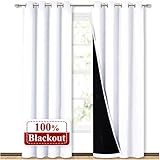
Overview: These NICETOWN curtains deliver genuine 100% blackout performance through a clever dual-layer design. Each package includes two 52x84-inch panels with silver grommets, totaling 104 inches of coverage. The white face fabric hides a black liner backing that completely eliminates sunlight and UV rays, making them ideal for nurseries or daytime sleepers. The triple-weave construction provides substantial weight and drape.
What Makes It Stand Out: The sewn-in black liner sets these apart from coated alternatives, ensuring permanent light blockage without chemical smells or degradation over time. NICETOWN claims the noise reduction is twice as effective as single-layer curtains, creating a noticeably quieter environment. The thermal insulation works year-round, blocking summer heat and winter chill while protecting privacy.
Value for Money: Positioned in the mid-range price bracket, these curtains justify their cost through superior construction and multi-functionality. The energy savings from temperature regulation will offset the initial investment, while the durable finish promises years of service without fading.
Strengths and Weaknesses: Pros include true 100% blackout, excellent noise dampening, effective thermal insulation, and elegant grommet design. Cons are the hand-wash recommendation (less convenient than machine washable options), white color’s higher maintenance needs, and heavier weight requiring sturdy rods.
Bottom Line: Perfect for those requiring absolute darkness and quiet, especially night shift workers and parents of young children. The maintenance trade-off is worth the performance benefits.
2. NICETOWN Pitch Black Solid Thermal Insulated Grommet Blackout Curtains/Drapes for Bedroom Window (2 Panels, 42 inches Wide by 63 inches Long, Black)
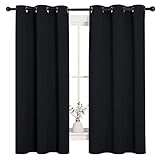
Overview: These pitch-black curtains from NICETOWN offer a budget-friendly solution for bedrooms needing significant light control. Each set includes two 42x63-inch panels with six grommets each, ready to hang straight from the package. The triple-weave fabric blocks 85-99% of light without requiring a separate liner, making them a practical choice for standard window sizes.
What Makes It Stand Out: The deep black color naturally enhances light-blocking capabilities while the innovative triple-weave technology provides noise reduction and thermal insulation. These come thread-trimmed and wrinkle-free, allowing immediate installation. The 1.6-inch grommets fit standard rods effortlessly.
Value for Money: This represents excellent value for budget-conscious shoppers. While not achieving 100% blackout, the 85-99% light blockage is sufficient for most bedroom needs. The energy-saving thermal properties help reduce heating and cooling costs, effectively making these curtains pay for themselves over time.
Strengths and Weaknesses: Pros include affordable pricing, machine washability, ready-to-hang convenience, and effective light blocking for the price. Cons are the shorter 63-inch length limiting compatibility, not true 100% blackout, and dark color restricting design versatility.
Bottom Line: An outstanding entry-level choice for bedrooms where near-total darkness meets budget constraints. The convenience factor makes them ideal for first-time buyers.
3. Joydeco Blackout Curtains for Bedroom - Nature Linen 84 Inch Long 100% Light Blocking 2 Panels Set, Rod Pocket & Back Tabs Living Room Drapes, Thermal Insulated Room Darkening Window Curtains

Overview: Joydeco elevates the blackout curtain category with a premium faux linen aesthetic that doesn’t compromise performance. These 52x84-inch panels feature a dedicated 100% blackout liner concealed behind textured fabric, offering both style and function. The dual hanging system provides rod pocket or back tab options for customized styling in bedrooms or living spaces.
What Makes It Stand Out: The linen-like texture delivers designer appeal rarely found in functional blackout curtains. Versatile hanging options accommodate both traditional and contemporary tastes. The true 100% blackout capability, combined with thermal insulation and noise reduction, makes these as practical as they are attractive.
Value for Money: While priced at a premium, the sophisticated appearance and dual-functionality justify the investment. These curtains function as both window treatment and room design element, eliminating the need for additional decorative layers. Machine washability adds long-term convenience.
Strengths and Weaknesses: Pros include upscale linen aesthetic, flexible hanging options, complete light blockage, thermal efficiency, and easy care. Cons are higher price point, textured fabric potentially trapping dust, and faux material may disappoint natural fabric purists.
Bottom Line: Ideal for style-conscious homeowners unwilling to sacrifice performance for aesthetics. These seamlessly blend into upscale decors while delivering complete darkness.
4. Yakamok 100% Blackout Curtains 84 Inches Long, 2 Thick Layers Heat and Full Light Blocking Soft Thermal Insulated Drapes for Bedroom(52" Wide Each Panel, Grey, 2 Panels)
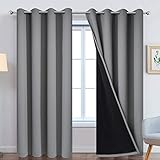
Overview: Yakamok’s dual-layer curtains deliver uncompromising 100% blackout performance in a practical package. Two 52x84-inch grey panels feature eight silver grommets each, providing smooth operation and even weight distribution. The construction combines face fabric with a sewn-in black liner, creating a formidable barrier against light, noise, and temperature fluctuations.
What Makes It Stand Out: The eight grommets per panel exceed the standard six, ensuring better draping and easier sliding. The two-layer design achieves complete darkness while doubling noise absorption compared to single-layer alternatives. Thermal insulation properties actively reduce energy costs throughout the year.
Value for Money: These mid-priced curtains offer premium features without the premium cost. The 100% blackout capability and enhanced noise reduction typically command higher prices, making Yakamok a smart financial choice. Machine washability adds practical value.
Strengths and Weaknesses: Pros include true 100% blackout, superior noise reduction with dual layers, eight grommets for better function, thermal insulation, and machine washable care. Cons are polyester material lacking breathability, heavyweight requiring robust hardware, and limited aesthetic versatility.
Bottom Line: A powerhouse performer for those prioritizing function over fashion. Perfect for home theaters, bedrooms, or any space requiring maximum light and sound control.
5. NICETOWN Thermal Insulated Grommet Blackout Curtains for Bedroom (2 Panels, W42 x L63 -Inch, Grey)

Overview: NICETOWN’s grey thermal curtains provide reliable light control in a versatile neutral tone. The set includes two 42x63-inch panels with six grommets each, featuring the brand’s signature triple-weave fabric. These curtains block 85-99% of light and UV rays while providing noise reduction and temperature balancing benefits.
What Makes It Stand Out: The versatile grey color complements virtually any decor scheme, making these curtains a safe design choice. The triple-weave technology delivers multiple benefits—light blocking, noise reduction, and insulation—without added bulk. Like other NICETOWN products, these arrive wrinkle-free and ready for immediate installation.
Value for Money: Positioned as an affordable option, these offer strong performance per dollar. While not achieving absolute blackout, the 85-99% blockage suits most applications. Energy savings from thermal insulation provide long-term value, and machine washability reduces maintenance costs.
Strengths and Weaknesses: Pros include budget-friendly price, neutral grey versatility, machine washable convenience, ready-to-hang condition, and effective light blocking. Cons are not true 100% blackout, shorter 63-inch length may not fit all windows, and single-layer construction less effective for noise than dual-layer options.
Bottom Line: A dependable, no-fuss solution for basic light control needs. The grey color and easy care make them perfect for rentals or first apartments.
6. ChrisDowa Grommet Blackout Curtains for Bedroom and Living Room - 2 Panels Set Thermal Insulated Room Darkening Curtains (Dark Grey, 42 x 63 Inch)

Overview: The ChrisDowa Grommet Blackout Curtains deliver impressive performance for bedrooms and living spaces needing substantial light control. This two-panel set in dark grey measures 42 by 63 inches, featuring six silver metal grommets per panel for effortless installation. The triple-weave fabric blocks 98% of sunlight and UV rays while providing thermal insulation and noise reduction benefits. These curtains help maintain comfortable temperatures year-round, potentially lowering energy costs, and protect interior furnishings from sun damage. The material feels soft without chemical odors, making them suitable for children’s rooms. Maintenance is straightforward with machine washable fabric.
What Makes It Stand Out: The silver grommets provide a modern aesthetic and smoother operation than traditional rod pockets. The 98% light blocking capability strikes an excellent balance between near-total darkness and affordability. Their thermal insulation properties are notably effective for the price point, while the chemical-free construction ensures safety for sensitive environments.
Value for Money: Priced in the mid-range category, these curtains offer exceptional value by combining near-blackout performance with energy-saving features typically found in premium options. The durable construction and easy maintenance extend their lifespan, making them more economical than budget alternatives that may need frequent replacement.
Strengths and Weaknesses: Pros: Excellent light blocking (98%), effective thermal insulation, noise reduction, easy grommet installation, machine washable, no chemical smell, child-safe materials. Cons: Not true 100% blackout, limited color options, 63-inch length may not suit all windows, darker colors required for maximum effectiveness.
Bottom Line: Ideal for bedrooms and nurseries where near-total darkness and energy efficiency are priorities without breaking the budget.
7. NICETOWN Natural 100% Blackout Linen Curtains 84 inch Long Burg for Living Room, 2 Panels, 52" Wide, Farmhouse Thick Completely Blackout Window Treatment Thermal Insulated Warm Drapes for Winter
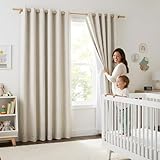
Overview: NICETOWN’s Natural 100% Blackout Linen Curtains represent premium window treatments for discerning homeowners. This two-panel set measures 52 by 84 inches in burgundy, featuring a genuine linen blend with complete light-blocking capabilities. The grommet top design ensures smooth operation, while the insulated backing delivers thermal benefits and noise reduction. These curtains guarantee absolute darkness for optimal sleep conditions, making them perfect for shift workers, nurseries, and media rooms. The natural linen texture adds casual sophistication to any décor.
What Makes It Stand Out: True 100% blackout capability sets these apart from competitors promising only 98-99% light blocking. The authentic linen blend provides a refined, upscale appearance that faux alternatives cannot replicate. The thermal backing offers superior energy efficiency, helping reduce heating and cooling costs year-round.
Value for Money: While positioned at a higher price point, the investment is justified by the genuine linen material and guaranteed total blackout performance. Comparable custom treatments cost significantly more, making these an accessible luxury. Energy savings over time help offset the initial expense.
Strengths and Weaknesses: Pros: Complete 100% blackout, premium linen aesthetic, excellent thermal insulation, noise reduction, grommet convenience, sophisticated color options. Cons: Dry clean only maintenance increases long-term costs, higher initial price point, linen may wrinkle easily, limited size availability.
Bottom Line: Perfect for buyers prioritizing absolute darkness and premium materials who don’t mind professional cleaning requirements.
8. DWCN Blackout Curtains – Thermal Insulated, Energy Saving & Noise Reducing Bedroom and Living Room Curtains, Black, W 42x L 63 Inch, Set of 2 Rod Pocket Curtain Panels
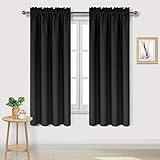
Overview: The DWCN Blackout Curtains offer an affordable entry into light control and energy efficiency. This set includes two 42 by 63-inch black panels constructed from 100% polyester using triple-weave technology. The rod pocket design fits most standard curtain rods, while the fabric blocks 90-99% of light and UV rays. Thermal insulation properties help reduce heat loss in winter and heat gain in summer, potentially lowering utility bills. The material also provides modest noise reduction benefits for urban dwellers.
What Makes It Stand Out: The budget-friendly price point combined with triple-weave construction delivers surprising performance value. The wide 90-99% light blocking range accommodates various needs, while the pure polyester fabric ensures durability and easy maintenance. These curtains add an elegant touch without premium pricing.
Value for Money: Among the most economical options available, these curtains provide essential blackout functionality without compromising core performance. The machine-washable care eliminates expensive cleaning costs, and the robust polyester construction withstands daily use better than many pricier alternatives.
Strengths and Weaknesses: Pros: Highly affordable, effective light blocking, thermal insulation, machine washable, durable polyester, noise reducing. Cons: Rod pocket less convenient than grommets, 90-99% range lacks precision, basic aesthetic, black color may not suit all decors.
Bottom Line: An excellent budget choice for rental properties or first-time homeowners needing functional darkness and insulation.
9. MIULEE 100% Blackout Linen Textured Curtains for Bedroom Solid Thermal Insulated Natural Beige Grommet Room Darkening Curtains & Drapes Luxury Decor for Living Room Nursery 52 x 84 Inch (2 Panels)

Overview: MIULEE’s 100% Blackout Linen Textured Curtains blend performance with sophisticated style. This two-panel set measures 52 by 84 inches in natural beige, featuring eight grommets per panel for easy installation. The faux linen fabric utilizes triple-weave technology to achieve complete darkness while maintaining an organic, textured appearance. Thermal insulation and noise reduction properties create a comfortable, private environment. The curtains suit various spaces including bedrooms, living rooms, and nurseries.
What Makes It Stand Out: Achieving true 100% blackout with a linen-like aesthetic is rare at this price point. The triple-weave technology ensures complete darkness while the faux linen texture provides upscale visual appeal. Eight grommets distribute weight evenly, ensuring smooth operation and professional draping.
Value for Money: These curtains offer premium features—true blackout, thermal insulation, and designer appearance—at a mid-range price. The machine-washable care adds long-term value, while multiple size options ensure proper fit without custom pricing.
Strengths and Weaknesses: Pros: Complete 100% blackout, attractive linen texture, thermal insulation, noise reduction, grommet convenience, multiple sizes, machine washable. Cons: Faux linen lacks authentic fabric feel, beige shows dirt more easily, potential wrinkling requires ironing, color may vary from screen images.
Bottom Line: Ideal for style-conscious buyers wanting true blackout performance without sacrificing aesthetic appeal or budget.
10. 100% Blackout Shield Linen Blackout Curtains for Bedroom 84 Inches Long, Back Tab/Rod Pocket Living Room Drapes, Thermal Insulated Blackout Curtains 2 Panels Set, 50" W x 84" L, Cream

Overview: The 100% Blackout Shield Linen Curtains deliver versatility and complete darkness in one package. This two-panel set measures 50 by 84 inches in cream, featuring multiple hanging options including back tabs, rod pocket, hook belt, clip rings, and track systems. The linen-look fabric with blackout coating ensures absolute light blocking while providing thermal insulation and noise reduction. Each panel includes eight back loops and a three-inch rod pocket for maximum installation flexibility.
What Makes It Stand Out: Unparalleled hanging versatility accommodates any window treatment system. The true 100% blackout capability combined with linen texture offers both function and fashion. Heavy-duty construction provides superior energy efficiency and durability.
Value for Money: Premium pricing reflects the versatile hanging options and guaranteed total blackout performance. Eliminates need for separate hardware or professional installation, saving additional expenses. Energy savings and furniture protection provide ongoing value.
Strengths and Weaknesses: Pros: True 100% blackout, multiple hanging methods, linen aesthetic, thermal insulation, noise reduction, machine washable, heavy-duty construction. Cons: Cream color may reduce blackout effectiveness, 50-inch width less standard than 52-inch, higher price point, hooks and rings not included.
Bottom Line: Best for design enthusiasts needing maximum installation flexibility and absolute darkness in one sophisticated package.
How Thermal Curtains Actually Work
The Science of Heat Transfer Through Windows
Windows represent the weakest thermal link in your home’s envelope, allowing heat to escape through three mechanisms: conduction (direct transfer through the glass), convection (air circulation against cold surfaces), and radiation (heat waves passing through). Insulated curtains combat all three simultaneously. The multi-layered construction creates dead air spaces that dramatically slow conduction, while the close fit to window frames minimizes convective currents. Special reflective coatings or tightly woven fabrics address radiative heat loss, bouncing warmth back into your room instead of letting it dissipate outdoors.
Layers of Protection: What’s Inside Matters
True thermal curtains aren’t simply thick fabric—they’re engineered systems. Most effective designs feature three distinct layers: a decorative face fabric that faces your room, an inner core of insulating material (often foam, felt, or thermal batting), and a backing layer that typically faces the window. This backing might be reflective, vapor-resistant, or simply tightly woven to block air movement. The synergy between these layers creates an R-value—a measure of thermal resistance—that can rival some wall insulation when properly installed.
Understanding R-Value and Curtain Performance
While wall insulation might boast R-13 or higher, even a modest R-value of 3-5 from quality insulated curtains makes a dramatic difference at your windows. Standard single-pane windows have an R-value around 1, while double-pane might reach 2. Adding thermal curtains effectively triples or quadruples this resistance. Don’t get caught up in marketing claims about specific R-values though—real-world performance depends heavily on installation method, window type, and how completely the curtain seals the window opening.
Key Materials and Construction Features
Face Fabrics: Balancing Beauty and Function
The outermost layer determines your curtain’s aesthetic appeal, but it also plays a functional role. Heavier fabrics like velvet, tapestry, or dense polyester blends provide better insulation than lightweight cotton or linen. Tight weaves are essential—even beautiful brocades can be poor insulators if the weave allows air passage. Some manufacturers offer wool-blend face fabrics that provide natural insulating properties while remaining surprisingly lightweight. Consider how the fabric feels, drapes, and coordinates with your room, but never sacrifice weave density for appearance alone.
The Critical Role of Thermal Linings
The magic happens in the middle layers. Thinsulate-type materials, common in winter clothing, appear in premium curtains as a thin, lightweight core with exceptional insulating properties. Felted acrylic or polyester batting offers a more affordable alternative, creating dead air spaces without excessive bulk. The most effective designs use multiple thin layers rather than one thick one, as each layer creates additional air pockets. Some curtains incorporate magnetic strips or weighted hems in the lining to improve the seal against window frames—a feature worth prioritizing.
Backing Materials: The Window-Facing Side
The layer facing the glass often gets overlooked but significantly impacts performance. Reflective metallic backings (usually aluminized Mylar or similar materials) bounce radiant heat into the room while blocking cold air infiltration. For humid climates, vapor-permeable backings prevent moisture buildup between curtain and window, which can lead to mold. In drier, colder regions, vapor-barrier backings provide additional protection. Some advanced designs feature removable backing layers, allowing seasonal adjustment—use the reflective backing in winter, remove it for summer ventilation.
Essential Features for Maximum Heat Retention
Blackout vs. Thermal: Understanding the Difference
Many shoppers confuse these terms, but they’re not interchangeable. Blackout curtains block light and often provide some insulation as a side effect, while thermal curtains prioritize temperature control. The best winter curtains do both. Look for curtains explicitly labeled as “thermal” or “insulated” rather than assuming blackout properties translate to heat retention. Some manufacturers achieve blackout status with thin foam coatings that add little thermal value, while true thermal curtains use substantial insulating cores.
Weave Density and Thread Count Considerations
For insulation, tighter is always better. Hold fabric up to light—if you can see pinpricks of light through the weave, air can pass through too. Quality thermal curtains should have a thread count of at least 200 threads per square inch in the face fabric, with the inner layers being even denser. Some manufacturers specify “3-pass” or “4-pass” construction, indicating how many layers of foam or coating have been applied. More passes generally mean better insulation, but also increased weight and reduced drape.
Edge Sealing and Overlap Strategies
Even the most insulating fabric fails if air flows around the edges. Curtains should extend at least 4-6 inches beyond window frames on each side and reach from ceiling to floor for maximum effectiveness. Some designs include built-in magnetic edges or Velcro strips that seal against adjacent walls or window frames. Valances or cornices above the curtain rod prevent warm air from rising over the top. For side gaps, consider pairing curtains with wraparound rods that bring the fabric closer to the wall at the edges.
Measuring and Sizing for Optimal Performance
Width: The Wider, The Better
Standard curtain advice suggests panels 1.5 to 2 times the window width for proper fullness. For thermal performance, go wider—aim for 2.5 to 3 times the width. This extra fabric creates deeper, more insulating folds when closed. More importantly, ensure the total width extends 8-12 inches beyond the window frame on each side. This overlap prevents cold air from sneaking around the edges and creates a larger air buffer zone. For patio doors or large windows, consider using multiple panels that meet in the center with overlapping edges.
Length: From Ceiling to Floor
Heat rises, making the top of your window a major escape route. Mount curtain rods as close to the ceiling as possible—ideally within an inch—and let curtains puddle slightly on the floor or rest on the windowsill. Floor-length curtains create a continuous thermal envelope, while sill-length leaves a gap for warm air to slip behind. For radiators below windows, the solution isn’t short curtains—it’s proper radiator covers and curtains that stop just above the radiator while sealing tightly at the sides and top.
Special Considerations for Different Window Types
Bay windows require flexible track systems that maintain a consistent seal across all angles. Skylights need specially designed cellular shades or curtains with side tracks—standard curtains won’t work. For casement windows that crank outward, mount curtains on the wall, not the window frame, and ensure enough clearance for operation. Sliding glass doors benefit from extra-wide panels that overlap significantly in the center, possibly with a floor-mounted seal strip.
Style and Design Without Sacrificing Function
Color Psychology and Heat Absorption
Dark colors absorb more radiant heat from sunlight during the day, which can be beneficial on south-facing windows in cold climates. However, they also absorb interior heat and radiate it outward. Light colors reflect interior heat back into the room more effectively. For maximum winter performance in predominantly cold, cloudy climates, medium tones like deep burgundy, forest green, or navy provide the best balance—absorbing some solar gain while retaining interior warmth. In mixed climates, consider reversible curtains with light colors for summer and dark for winter.
Patterns and Room Aesthetics
Modern thermal curtains come in virtually every pattern imaginable, from traditional florals to contemporary geometrics. The key is ensuring the pattern doesn’t compromise weave density. Printed patterns are fine, but avoid heavily embroidered designs that punch thousands of tiny holes through the fabric. Some manufacturers print designs on thermal fabric rather than weaving them, maintaining integrity. For formal spaces, consider layered treatments—sheer curtains for daytime privacy with heavy thermal drapes that close at night.
Hardware and Hanging Styles
The rod and hanging method significantly impact performance. Wraparound rods curve back toward the wall at the ends, reducing side gaps. Ceiling-mounted tracks allow curtains to hug the wall more closely than wall-mounted rods. For maximum seal, consider track systems with carriers that snap into place, holding the curtain tight against the wall. Grommet-top curtains create large air gaps at the pleats—rod-pocket or back-tab designs provide better coverage. If you love grommets, pair them with a separate insulating liner that attaches behind.
Installation Techniques for Maximum Efficiency
Creating a Complete Seal System
Installation quality can make or break curtain performance. Start by ensuring your curtain rod or track is level and securely anchored to studs, not just drywall. Use appropriate anchors—thermal curtains are heavy, often 3-5 pounds per panel. Install a cornice or valance above to block top airflow. For side seals, apply adhesive-backed magnetic strips to the wall and curtain edges, or use hook-and-loop tape. At the bottom, consider weighted hems or even fabric tubes filled with sand that rest on the sill, creating a draft stopper.
Mounting Height and Depth Strategies
Mount rods 4-8 inches above window frames, or better yet, at ceiling height. This prevents the “chimney effect” where warm air rises and escapes over the curtain top. The rod should extend far enough from the wall that curtains clear the window frame when open, but not so far that they can’t create a seal when closed. A depth of 3-4 inches from wall to rod center works for most standard windows. For deep window sills or trim, you may need projection brackets.
Layering for Extreme Conditions
In brutally cold climates or for particularly drafty windows, single-layer thermal curtains might not suffice. Consider double rods: sheer curtains closest to the window for daytime privacy and UV protection, with heavy thermal curtains on the outer rod. For maximum performance, add a third layer of clear plastic window film between the glass and curtains. This creates a trapped air space that, combined with the curtains, can achieve R-values approaching 6-7—transforming your window into a near-wall in terms of insulation.
Maintenance and Long-Term Care
Cleaning Without Compromising Insulation
Thermal curtains require different care than regular drapes. The insulating core can be damaged by aggressive washing or high heat. Most quality thermal curtains are dry-clean only—check labels carefully. For routine maintenance, vacuum with a brush attachment monthly to remove dust that can degrade fabric fibers. Some curtains feature removable face fabrics that zip off for washing while leaving the insulated core in place. Spot clean stains immediately with mild detergent, but avoid saturating the fabric, which can damage internal foam layers.
Storage During Warmer Months
If you switch to lighter curtains in summer, store thermal curtains properly to maintain their effectiveness. Clean them thoroughly before storage to prevent moth attraction and set-in stains. Fold loosely rather than tightly compressing, which can crush insulating fibers and reduce loft. Store in breathable cotton bags, not plastic, which traps moisture. Avoid attics or basements with extreme temperature and humidity fluctuations. When reinstalling, tumble dry on low heat with dryer balls for 10 minutes to restore fluffiness to the insulating core.
When to Replace Your Thermal Curtains
Even well-maintained thermal curtains lose effectiveness over time. The insulating core can compress, especially at fold points, reducing air pocket volume. Face fabrics may fade or thin, and backings can delaminate. Test your curtains annually by holding your hand near the closed curtain on a cold day—if you feel significant cold air seeping through, it’s time for replacement. Most quality thermal curtains last 7-10 years with proper care, though direct sun exposure can shorten this to 5 years. Don’t wait for visible wear; declining energy savings often signals degradation before appearance changes.
Cost Considerations and Value Analysis
Budget-Friendly vs. Premium Options
Thermal curtains range from $30 to $300+ per panel. Budget options ($30-60) typically use thinner foam cores and lighter face fabrics, offering modest improvement over regular curtains. Mid-range ($60-120) provides the sweet spot for most homeowners—decent R-values, durable construction, and attractive fabrics. Premium curtains ($120+) use advanced materials like aerogel cores, wool blends, or multi-layer systems with magnetic seals. Calculate potential energy savings: reducing heat loss by 25% on a $200 monthly heating bill saves $50 monthly—premium curtains can pay for themselves in one season.
DIY vs. Pre-Made Solutions
If you’re handy, adding thermal lining to existing curtains costs 50-70% less than buying new insulated curtains. Thermal lining fabric runs $8-15 per yard, and you can sew or use iron-on hem tape to attach it. However, DIY solutions rarely achieve the same R-value as engineered multi-layer curtains, and improper attachment can create cold bridges where fabric compresses. Pre-made curtains ensure consistent construction and often include features like weighted hems and edge seals that are difficult to DIY. For renters, removable thermal liners that hook onto existing curtains offer a compromise.
Factoring in Long-Term Energy Savings
The real value isn’t the upfront cost but the cumulative savings. A $150 set of quality thermal curtains that lasts 10 years and saves $40 monthly during 5-month heating seasons yields $2,000 in total savings—a 13x return on investment. Factor in increased comfort, reduced HVAC wear, and potential home value increase. Energy-efficient upgrades appeal to buyers, and thermal curtains are one of the few improvements you can take with you when you move. Keep receipts and document energy bill reductions; this data helps justify the investment and can be a selling point.
Environmental and Health Considerations
Sustainability in Materials and Manufacturing
Look for curtains made from recycled polyester or organic natural fibers. Some manufacturers use recycled plastic bottles to create thermal fleece cores, diverting waste from landfills while providing excellent insulation. Natural wool cores offer renewable, biodegradable insulation with natural moisture-wicking properties. Avoid curtains treated with formaldehyde-based flame retardants or stain guards—these off-gas volatile organic compounds (VOCs) into your home. Certifications like OEKO-TEX Standard 100 ensure fabrics are free from harmful substances.
Impact on Indoor Air Quality
Thermal curtains can improve air quality by reducing drafts that carry dust and allergens. However, they can also trap humidity, leading to mold growth between curtain and window. Ensure adequate ventilation—open curtains daily to let air circulate, especially in bathrooms and kitchens. Choose breathable backing materials unless you live in extremely dry climates. Washable curtains are preferable for allergy sufferers, as they can be cleaned regularly to remove dust mites and pollen that settle on fabric surfaces.
Reducing Your Carbon Footprint
Every BTU of heating you conserve reduces your home’s carbon emissions. For the average home, effective thermal curtains can reduce heating energy use by 10-15%, translating to 0.5-1 ton of CO2 annually. This passive, maintenance-free carbon reduction continues year after year. Unlike solar panels or new HVAC systems, curtains require no energy to operate and minimal resources to manufacture relative to their impact. They represent one of the highest ROI carbon reduction strategies available to homeowners.
Frequently Asked Questions
How much money can insulated curtains actually save on heating bills?
Most households see 10-25% reductions in heating costs, depending on window quality, climate, and curtain effectiveness. For a typical home spending $150 monthly on winter heating, that’s $15-38 saved each month, or $75-190 over a five-month heating season. The most dramatic savings occur in homes with single-pane windows or poor existing insulation.
Do thermal curtains work as well as window film or storm windows?
They work differently and are best used together. Storm windows add an extra pane of glass, primarily reducing conduction. Window film creates an air seal, reducing convection. Thermal curtains address all heat loss mechanisms and provide the best R-value boost per dollar. Used together, these three measures can achieve R-values of 6-8, making windows nearly as efficient as walls.
Can I use thermal curtains in summer to keep heat out?
Absolutely. The same insulating properties that keep heat in during winter keep heat out during summer. Reflective backings are particularly effective at blocking solar heat gain. However, you may want lighter colors in summer to reflect rather than absorb heat. Some homeowners switch to lighter thermal curtains seasonally or use reversible designs.
How do I know if curtains are truly thermal or just marketed as such?
Check for multiple layers—true thermal curtains feel thick and have distinct surfaces on each side. Look for specific terminology like “thermal lining,” “insulated core,” or R-value ratings. Be wary of curtains that only mention “blackout” or “heavy duty” without thermal specifications. When in doubt, hold the fabric to light; quality thermal curtains should block nearly all light when held double-layered.
What’s the difference between thermal and blackout curtains?
Blackout curtains block light, usually with a thin foam coating. Thermal curtains prioritize temperature control through multiple insulating layers. Many curtains do both, but not all blackout curtains provide significant insulation, and some thermal curtains allow some light filtering. Check product specifications for both properties if you need both functions.
Should thermal curtains touch the floor?
Yes, for maximum effectiveness. Floor-length curtains create a complete seal, preventing warm air from flowing under the bottom edge. Allow a slight “puddle” of 1-2 inches to ensure full coverage even if the rod shifts slightly. For carpeted floors, curtains can rest on the floor surface, which actually improves the seal.
How heavy are thermal curtains compared to regular curtains?
Expect 3-5 pounds per panel for standard-sized thermal curtains versus 1-2 pounds for regular drapes. Large floor-to-ceiling panels can weigh 7-10 pounds. This requires sturdy rods and proper wall anchors. Use hollow-wall anchors rated for at least 50 pounds per bracket, or better yet, mount directly into studs.
Can I add thermal lining to my existing curtains?
Yes, and it’s cost-effective. Thermal lining fabric is available by the yard and can be sewn or ironed onto existing curtains. However, DIY lining rarely achieves the R-value of engineered multi-layer curtains and may affect drape. For best results, use a lining specifically designed for insulation, not just thick fabric, and attach it so it can hang freely without compressing the insulation.
Do thermal curtains help with noise reduction too?
The same dense, multi-layer construction that blocks heat also absorbs sound. Most thermal curtains reduce outside noise by 20-40%, making them excellent for bedrooms or homes near busy streets. The heavier and thicker the curtain, the better the sound dampening. Some manufacturers specify noise reduction coefficients (NRC) ratings.
How long do thermal curtains last before needing replacement?
With proper care, quality thermal curtains last 7-10 years. The insulating core compresses over time, especially at fold lines, reducing effectiveness. Direct sunlight degrades fabrics faster. Replace curtains when you notice increased drafts, visible thinning of fabric, or delamination of backing layers. Even if they look fine, consider replacement after a decade as insulation technology improves.
See Also
- 10 Best Insulated Curtains for Keeping Heat In This Year
- The 10 Best Insulated Curtains for Winter Homes in 2026
- 10 Game-Changing Portable Heat and Cool Units for Year-Round Comfort in 2026
- 10 Best Portable Heat and Cool Units for Year-Round Comfort in 2026
- Stop High Energy Bills with the 10 Best Insulated Curtains for Windows in 2026