Table of Contents
When winter’s chill settles into your home, finding a heating solution that balances efficiency, comfort, and aesthetic appeal becomes a top priority. Hydronic baseboard heaters have emerged as a sophisticated alternative to traditional forced-air systems, offering silent operation and consistent warmth that doesn’t dry out the air or circulate dust. As we move into 2026, homeowners are increasingly drawn to these systems for their ability to provide zoned heating while maintaining lower energy costs over the long haul.
Understanding what makes these units worthwhile requires more than just a quick comparison chart. The technology behind liquid-filled heating elements, the nuances of installation, and the evolving smart home integrations all play crucial roles in making an informed decision. This comprehensive guide walks you through everything you need to evaluate before investing in a hydronic baseboard heating system, ensuring you choose the perfect solution for your specific living space and lifestyle needs.
Top 10 Hydronic Baseboard Heaters
Detailed Product Reviews
1. Cadet SoftHeat 47" Electric Hydronic Baseboard Heater (Model: EBHN750W, Part: 13458), 2560/1925 BTU, 240/208 Volt, 750/563 Watt, White

Overview: The Cadet SoftHeat EBHN750W is a 47-inch electric hydronic baseboard heater engineered specifically for safety-conscious households. Delivering 750/563 watts and 2560/1925 BTU output, this unit provides gentle, consistent warmth through a self-contained fluid system that completely eliminates plumbing complications and maintenance concerns.
What Makes It Stand Out: Its signature lower surface temperature makes it dramatically safer for homes with curious children and pets compared to conventional baseboards. Whisper-quiet operation and minimized allergen circulation render it ideal for bedrooms and nurseries. The intelligent hydronic design retains heat effectively, delivering sustained warmth even after the thermostat cycles off.
Value for Money: Positioned in the mid-range price tier, the SoftHeat earns its keep through measurable energy efficiency and invaluable safety innovations. Though the thermostat is sold separately, the lack of plumbing costs and superior heat retention significantly reduce long-term operating expenses.
Strengths and Weaknesses: Strengths include exceptional safety credentials, silent performance, stable temperatures, and straightforward wall-mounted installation. The sealed system requires virtually no maintenance throughout its lifespan. Weaknesses involve the separate thermostat purchase and modest output that may necessitate multiple units for spacious rooms beyond 150 square feet.
Bottom Line: Perfect for bedrooms and family spaces, the Cadet SoftHeat prioritizes safety without sacrificing performance. It’s a worthwhile long-term investment for households seeking reliable, worry-free heating.
2. 70" Hydronic Electric Baseboard Heater, White, 1125/1500W, 208/240V

Overview: This 70-inch hydronic electric baseboard heater delivers robust heating power at 1125/1500W across 208/240V configurations. Designed as a straightforward heating solution, this unit provides reliable warmth through conventional hydronic technology without the complexity of advanced features or smart controls that can complicate maintenance.
What Makes It Stand Out: Its substantial length and higher wattage output distinguish it from smaller residential models, making it capable of heating larger spaces up to 250 square feet efficiently. The extended profile allows for greater heat distribution surface area, while its no-frills design ensures dependable operation without electronic components that could fail over time.
Value for Money: This heater represents a budget-conscious choice for consumers prioritizing heating capacity over sophisticated features. While lacking the refinements of premium models, its competitive pricing and straightforward installation make it accessible for large rooms where multiple smaller units would be cost-prohibitive and complex.
Strengths and Weaknesses: Strengths include powerful heating capacity, simple operation, and cost-effective coverage for expansive areas. The hydronic element provides consistent warmth without the cycling issues of standard electric baseboards. Weaknesses include unspecified safety features, unknown noise levels, and absence of energy-saving technologies. The basic design may not suit bedrooms or homes with young children.
Bottom Line: This heater suits utility spaces, large living areas, or workshops where raw heating power matters more than sophistication. It’s a practical workhorse, but families should consider alternatives with explicit safety certifications and lower surface temperatures.
3. 500/375W 240/208V Electric Hydronic Baseboard Heater
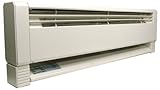
Overview: This compact 500/375W electric hydronic baseboard heater operates on 240/208V circuits, delivering smooth, consistent warmth for smaller spaces up to 100 square feet. Engineered for efficiency and comfort, this unit emphasizes stable temperatures and allergen-free operation through natural convection principles without forced air.
What Makes It Stand Out: The heater’s allergy-friendly design eliminates dust circulation by avoiding blowers or fans, making it ideal for sensitive individuals. Its sealed-tube heating element heats rapidly and maintains temperature with minimal fluctuation. Notably, it operates without the annoying popping or pinging sounds common in traditional baseboards, ensuring peaceful sleeping environments.
Value for Money: With lower wattage drawing minimal electricity, this unit offers excellent operating cost efficiency for small rooms. The 100% energy conversion rating meets Department of Energy standards, ensuring every dollar spent on electricity translates directly to usable heat. Its modest price point makes it accessible for supplemental heating needs.
Strengths and Weaknesses: Strengths include silent operation, stable heat output, allergy reduction, and impressive energy efficiency. The fluid-immersed element retains heat effectively after cycling off, extending comfort. Weaknesses include limited heating capacity suitable only for modest spaces. The lower BTU output may prove insufficient for primary heating in colder climates or drafty rooms.
Bottom Line: Perfect for small bedrooms, offices, or allergy-sensitive households, this heater excels in delivering quiet, efficient warmth. Choose it for supplemental heating or well-insulated small spaces where consistent comfort and air quality matter most.
4. Fahrenheat FHP1500T 58 in. 1,500-Watt Electric Hydronic Portable Baseboard Heater

Overview: The Fahrenheat FHP1500T is a 58-inch portable electric hydronic baseboard heater delivering 1,500 watts of robust heating power. This freestanding unit combines the efficiency of liquid-filled heating elements with exceptional mobility, allowing targeted heating without permanent installation or electrical hardwiring.
What Makes It Stand Out: Its built-in smart thermostat sets it apart from hardwired competitors, providing precise temperature control without external controllers. The portable design enables users to move heat where needed, from bedroom to living room, while the hydronic element ensures even heat distribution without hot spots or temperature swings.
Value for Money: Though priced higher than fixed baseboards, the FHP1500T includes the cost of a thermostat and eliminates installation expenses entirely. For renters or those seeking supplemental heat, this represents significant savings over permanent solutions. The made-in-USA quality suggests durable construction and reliable warranty support.
Strengths and Weaknesses: Strengths include true portability, integrated smart controls, even heating, and zero installation requirements. The unit heats quickly and maintains temperature efficiently. Weaknesses include floor space requirements, potential tip-over risks in homes with children or pets, and less streamlined appearance than wall-mounted units. The portable design may not provide the same draft-blocking benefits as installed baseboards.
Bottom Line: Ideal for renters, seasonal supplemental heating, or spot warming, this Fahrenheat model delivers convenience and performance. The premium is justified if portability and plug-and-play operation are priorities for your living situation.
5. Dayton Hydronic Electric Baseboard Heater, Commercial, 208/240VAC, Amps AC 3.1/2.7, 1 Phase, BtuH 2560/1918
Overview: The Dayton commercial-grade hydronic electric baseboard heater is engineered for demanding commercial environments, delivering 2560/1918 BTU at 208/240VAC with 3.1/2.7 amp draw. With a conventional housing style and robust construction, this unit prioritizes durability and consistent performance over residential aesthetics and advanced features.
What Makes It Stand Out: Its commercial certification ensures it can withstand continuous operation in business settings, retail spaces, or high-traffic areas where residential models might falter. The conventional design facilitates easy integration into existing commercial heating systems, while the single-phase operation simplifies electrical requirements for most buildings.
Value for Money: While more expensive than residential units, the Dayton’s commercial-grade components and extended duty cycle justify the premium for business applications. For residential use, the investment only makes sense if you require exceptional durability or have a specific commercial aesthetic preference for your space.
Strengths and Weaknesses: Strengths include heavy-duty construction, reliable continuous operation, and straightforward functionality without complex electronics. The hydronic element provides stable heat output suitable for maintaining consistent temperatures in commercial spaces. Weaknesses include industrial appearance unsuited to modern homes, lack of energy-saving features, unspecified noise levels, and no mention of safety certifications for residential use. The unit may be over-engineered for typical household needs.
Bottom Line: Choose Dayton for commercial applications, garage workshops, or industrial settings where durability trumps design. For residential heating, more consumer-friendly options offer better value and safety features at lower price points.
6. Cadet SoftHeat 59" Portable Electric Hydronic Baseboard Heater (Model: EPN1500W, Part: 13469), 5120 BTU, 120 Volt, 1500 Watt, White

Overview: The Cadet SoftHeat EPN1500W is a 59-inch portable electric hydronic baseboard heater delivering 5120 BTU through 1500 watts of power. This oil-filled unit uses natural convection to provide consistent, comfortable warmth while minimizing temperature fluctuations. Designed for residential and commercial applications, it requires hardwired installation and an external thermostat for operation.
What Makes It Stand Out: Unlike traditional baseboard heaters, this model’s oil-filled element retains heat long after shutdown, providing residual warmth and exceptional temperature stability. The portable design allows for flexible placement along baseboards, making it ideal for retrofitting spaces without extensive ductwork. Its 120-volt configuration broadens installation possibilities in older buildings.
Value for Money: At its price point, the SoftHeat offers premium hydronic technology that rivals more expensive European models. While standard electric baseboards cost 20-30% less, they lack the oil-filled element’s heat retention and comfort factor. The energy efficiency and reduced cycling can translate to modest long-term savings.
Strengths and Weaknesses: Pros include whisper-quiet operation, minimal temperature swings, and sustained residual heat. The unit’s sealed system prevents dry air and dust circulation. Cons involve mandatory professional hardwiring, separate thermostat purchase, and California Prop 65 warning. Installation costs add 50-75% to the initial investment. The 59-inch length may prove bulky for smaller rooms.
Bottom Line: Ideal for homeowners seeking consistent, comfortable heating in medium-sized rooms. Best suited for new construction or major renovations where hardwiring is feasible. The residual heat feature justifies the premium for those prioritizing comfort over upfront cost.
7. Dreo Smart Wall Heater, Electric Space Heater for Bedroom 1500W, 120° Vertical Oscillation, Adjustable Thermostat, Remote Control, 24H Timer, Easy-Mount Heater for Indoor Use, Works with Alexa, WH719S
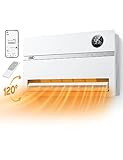
Overview: The Dreo WH719S Smart Wall Heater revolutionizes space heating with its 1500W PTC ceramic element and 120° vertical oscillation. This Wi-Fi-enabled unit combines rapid heating with intelligent control through the Dreo app, Alexa, and Google Home integration. Designed specifically for bedroom use, it features automatic LED dimming and quiet operation.
What Makes It Stand Out: The oscillation feature distinguishes it from static wall heaters, distributing warm air vertically for superior room coverage. Unprecedented 1°F temperature accuracy and a 41-95°F range provide precise climate control. The included drilling guide and reusable filter simplify installation and maintenance, while smart scheduling aligns heating with daily routines.
Value for Money: Positioned competitively against other smart heaters, the Dreo justifies its price through comprehensive features that cheaper alternatives lack. Comparable units without oscillation or dual smart home integration cost 15-25% less but sacrifice key functionality. The energy-saving potential through precise scheduling and efficient PTC technology offers long-term value.
Strengths and Weaknesses: Pros include intelligent controls, even heat distribution, bedroom-friendly quiet operation, and straightforward installation. The oscillation eliminates cold spots effectively. Cons require reliable Wi-Fi for full functionality and permanent wall mounting, which limits portability. Some users may find the extensive features unnecessary for simple heating needs.
Bottom Line: Perfect for tech-savvy homeowners wanting automated, even heating in bedrooms or offices. The smart integration and oscillation justify the premium. Skip if you prefer basic plug-and-play portability or lack stable internet connectivity.
8. 28" Hydronic Electric Baseboard Heater, White, 375/500W, 208/240V

Overview: This compact 28-inch hydronic electric baseboard heater delivers 375/500W of dual-voltage heating capacity. Operating on either 208V or 240V, this white unit provides gentle, consistent warmth through natural convection without forced air. Its modest dimensions make it suitable for small spaces requiring supplemental heating.
What Makes It Stand Out: The dual-voltage flexibility allows installation in various electrical configurations, from residential 240V to commercial 208V systems. At just 28 inches long, it fits where standard 4-6 foot baseboards cannot, making it ideal for bathrooms, small offices, or hallway sections. The hydronic design ensures quiet, fanless operation with minimal temperature fluctuation.
Value for Money: As a budget-friendly entry into hydronic heating, this unit costs significantly less than longer models while delivering proportional output. Its price per watt is competitive, though installation costs may outweigh the hardware savings for such a small heater. Best value when purchased for targeted supplemental heating rather than primary room warming.
Strengths and Weaknesses: Pros include compact footprint, silent operation, dual-voltage capability, and consistent hydronic warmth. The low wattage reduces electrical load and operating costs for small areas. Cons include insufficient heat output for rooms over 100 square feet, lack of detailed specifications, and mandatory hardwired installation. The minimal feature description raises questions about warranty and safety certifications.
Bottom Line: Recommended as supplemental heating for small, well-insulated spaces. Choose for compact areas where larger heaters won’t fit. Avoid as primary heating unless room size is extremely limited. Verify specifications and certifications before purchasing due to sparse product details.
9. 750/563W 240/208V Electric Hydronic Baseboard Heater

Overview: This electric hydronic baseboard heater provides 750/563W of dual-voltage heating capacity for quiet, consistent warmth. Operating on 240V or 208V, it uses natural convection without fans to circulate heat, making it ideal for allergy-sensitive environments. The sealed-tube element retains heat after cycling off, maintaining comfort while reducing energy consumption.
What Makes It Stand Out: The allergy-friendly design eliminates dust and allergen circulation common with fan-forced heaters. Its silent startup and shutdown avoid the disruptive pinging sounds of traditional baseboards. The fluid-immersed element delivers steady warmth without temperature swings, while continuing to radiate residual heat after the thermostat disconnects, maximizing comfort and efficiency.
Value for Money: Priced competitively within the hydronic category, this unit offers premium features at a mid-range cost. While standard electric baseboards cost 30% less, they lack the comfort, quiet operation, and heat retention benefits. The energy efficiency and reduced allergen circulation provide additional value for health-conscious consumers, potentially offsetting the premium through improved air quality.
Strengths and Weaknesses: Pros include whisper-quiet operation, no airborne allergens, excellent heat retention, stable temperature control, and dual-voltage flexibility. The unit operates efficiently without mechanical noise. Cons include lower wattage limiting its use to small-medium rooms, slower initial heating than fan-forced alternatives, and required hardwired installation with separate thermostat purchase.
Bottom Line: Excellent choice for bedrooms, nurseries, or spaces where air quality and silence are priorities. Best for rooms under 150 square feet as primary heat or larger areas as supplemental. The health benefits justify the cost for allergy sufferers.
10. Qmark HBB1254 Liquid Filled Electric Hydronic Baseboard Heater 1250 Watt 240 Volt Navajo White
Overview: The Qmark HBB1254 liquid-filled hydronic baseboard heater delivers 1250 watts of consistent, comfortable warmth through natural convection. This 58-inch unit operates at 240 volts and uses an immersed heating element to maintain stable temperatures without the cycling noise of traditional baseboards. Finished in Navajo white, it blends seamlessly with most décor.
What Makes It Stand Out: Comprehensive safety features including thermal cutoff protection and flooring-safe operation set this unit apart. The liquid-immersed element eliminates temperature swings while providing sustained residual heat after shutdown. Fanless convection prevents dust and allergen circulation, delivering cleaner heat ideal for sensitive individuals. The sealed system operates silently without clicking or popping sounds.
Value for Money: Qmark’s reputation for durability justifies its mid-to-premium pricing. While costing 25% more than basic electric baseboards, the enhanced safety features, consistent heating performance, and cleaner operation provide measurable benefits. Comparable hydronic models from European manufacturers often cost significantly more, making this a strong value proposition for safety-conscious buyers.
Strengths and Weaknesses: Pros include robust safety features, whisper-quiet operation, excellent heat retention, allergy-friendly design, and reliable brand heritage. The unit provides stable, comfortable heating without mechanical noise. Cons involve mandatory professional hardwiring, separate thermostat requirement, and permanent installation limiting flexibility. The listed dimensions appear to contain typographical errors requiring verification before purchase.
Bottom Line: Ideal for families with children, allergy sufferers, or anyone prioritizing safety and comfort. Perfect for medium-sized rooms requiring primary heating. Verify actual dimensions and ensure professional installation. The safety features and consistent performance justify the investment for long-term residential use.
What Are Hydronic Baseboard Heaters?
Hydronic baseboard heaters represent a modern evolution in convection heating technology. Unlike standard electric baseboards that heat metal fins directly, these units warm a sealed fluid—typically oil or a water-glycol mixture—that retains heat and radiates warmth more consistently. The fluid circulates through a series of copper or aluminum tubes, creating a gentle, steady heat that continues to warm your space even after the thermostat cycles off.
The Core Technology Behind Liquid-Filled Systems
The sealed reservoir system is what sets hydronic units apart from their dry-element counterparts. The heating element warms the fluid to a set temperature, and the thermal mass of the liquid ensures minimal temperature fluctuations. This design eliminates the rapid on-off cycling that can make rooms feel alternately stuffy and chilly. The heated fluid rises through the unit, warming the surrounding air through natural convection, which then circulates quietly throughout your living space.
How They Differ from Traditional Baseboard Heaters
Traditional electric baseboards rely on exposed heating elements that glow red-hot and cool down quickly. This creates hot spots near the unit and leaves corners of the room noticeably cooler. Hydronic systems distribute heat more evenly because the fluid maintains its temperature longer, creating a more uniform room temperature. The exterior surfaces also operate at lower temperatures, reducing burn risks and making them safer for homes with children or pets.
Key Benefits for Modern Homeowners
The advantages of hydronic baseboard heating extend far beyond simple warmth. These systems align perfectly with contemporary priorities around energy efficiency, indoor air quality, and home automation. They operate silently without fans or blowers, making them ideal for bedrooms, home offices, and living areas where noise disruption is unacceptable.
Superior Heat Retention and Distribution
The thermal mass in hydronic units acts like a battery for heat. Once warmed, the fluid continues radiating heat for 30-45 minutes after the unit stops drawing electricity. This reduces overall energy consumption while maintaining comfortable temperatures. The gentle convection current created by these heaters eliminates drafts and cold spots, providing consistent warmth from floor to ceiling rather than blasting hot air from overhead vents.
Improved Indoor Air Quality and Comfort
Without forced air circulation, hydronic systems don’t stir up dust, pollen, pet dander, or other allergens. They also maintain natural humidity levels, preventing the dry, uncomfortable air that plagues many homes during heating season. This creates a healthier environment, particularly beneficial for allergy sufferers, asthmatics, or anyone sensitive to air quality. The lower surface temperatures also reduce the burning dust smell that often accompanies traditional heaters when they first cycle on.
Essential Features to Evaluate
When shopping for hydronic baseboard heaters in 2026, several technical specifications and design elements deserve your attention. Understanding these features helps you compare units effectively without getting lost in marketing jargon.
Heating Capacity and BTU Output
The heating power of any unit is measured in British Thermal Units (BTU) or watts. A general rule suggests you need approximately 10 watts per square foot of living space, but ceiling height, insulation quality, and window efficiency dramatically affect this calculation. Look for units with adjustable wattage settings, which allow you to fine-tune the output during installation. Some advanced models offer multiple heating elements that can operate independently, providing better control over energy consumption.
Construction Materials and Durability
The quality of materials directly impacts both performance and longevity. Copper heating tubes offer superior heat transfer compared to aluminum, though they come at a premium. The outer cabinet should feature heavy-gauge steel with a powder-coated finish that resists denting and scratching. Pay attention to the seam construction—continuous welded seams prevent dust accumulation inside the unit and improve overall durability.
Thermostat Compatibility and Control Options
Modern hydronic heaters should work seamlessly with both line-voltage and low-voltage thermostats. The best units feature built-in sensors that communicate with smart thermostats, allowing for precise temperature management and energy reporting. Look for models with optional wireless receiver modules that eliminate the need for running additional wires during installation.
Sizing Your System Correctly
Proper sizing determines whether your heating system will keep you comfortable or leave you shivering on cold mornings. Oversized units waste energy through short cycling, while undersized heaters run continuously and still can’t maintain desired temperatures.
Calculating Room-by-Room Heating Loads
Start by measuring each room’s square footage, then adjust for unique characteristics. North-facing rooms with large windows require 15-20% more capacity. Rooms with poor insulation or high ceilings need additional wattage. Kitchens and bathrooms often need less heating power due to heat generated by appliances and hot water use. Create a detailed floor plan with these calculations to ensure you purchase the right size for each zone.
Understanding Length Requirements
Hydronic baseboard heaters typically come in standard lengths from 2 to 8 feet. Longer units provide more heat through increased surface area, but you’re not limited to a single continuous piece. Connecting multiple shorter units in sequence often provides more flexible placement options around furniture and architectural features. Always verify that the total connected length doesn’t exceed the manufacturer’s recommendations for your circuit’s amperage rating.
Installation Considerations for DIYers and Pros
While many homeowners tackle baseboard heater installation themselves, hydronic systems present unique challenges that require careful planning. The heavier weight of these units and their specific electrical requirements demand attention to detail.
Electrical Requirements and Circuit Planning
Most residential hydronic baseboards operate on 240-volt circuits, though 120-volt options exist for smaller spaces. A dedicated circuit is essential—sharing power with other appliances leads to tripped breakers and inadequate heating. For whole-home installations, consider creating multiple zones on separate breakers, which provides redundancy if one circuit fails. Always verify that your electrical panel has sufficient capacity before purchasing units.
Placement Strategies for Optimal Performance
Install heaters on exterior walls beneath windows whenever possible. This placement creates a thermal barrier against cold drafts and promotes natural air circulation. Maintain a clearance of at least 12 inches above the unit and 6 inches from any furniture. Avoid installing heaters behind doors or in areas where curtains might block airflow. For rooms with multiple exterior walls, splitting the heating load between two smaller units often provides better comfort than one large unit.
Energy Efficiency Standards for 2026
The Department of Energy continues updating efficiency requirements, and 2026 models incorporate several improvements that affect both performance and operating costs. Understanding these ratings helps you calculate long-term savings accurately.
Deciphering Efficiency Ratings and Certifications
Look for units with an Energy Star certification, which indicates they exceed federal minimum efficiency standards by at least 10%. The CEER (Combined Energy Efficiency Ratio) rating provides a more precise comparison between models. Premium units feature improved insulation around the fluid reservoir, reducing standby heat loss. Some manufacturers now publish annual operating cost estimates based on average electricity rates, giving you realistic expectations for your utility bills.
Impact of Smart Controls on Energy Consumption
Integrating your hydronic system with a smart thermostat can reduce heating costs by 15-23% annually. These devices learn your schedule and adjust temperatures proactively. Advanced models factor in local weather forecasts, pre-heating your home before cold fronts arrive and scaling back during unexpected warm spells. Look for heaters with built-in occupancy sensors that automatically lower temperatures in unoccupied rooms.
Cost Analysis: Initial Investment vs. Long-Term Savings
The sticker price of hydronic baseboard heaters often causes sticker shock compared to standard electric models. However, a comprehensive cost analysis reveals a different story over the system’s lifespan.
Breaking Down Purchase and Installation Costs
Expect to pay 2-3 times more for hydronic units versus traditional baseboards of similar length. Professional installation adds $200-400 per unit, depending on electrical complexity and whether you need new circuit runs. However, these costs are partially offset by the ability to use smaller units in well-insulated spaces. Factor in the price of a quality thermostat—skimping here undermines the efficiency benefits of your premium heaters.
Calculating Payback Period Through Energy Savings
Most homeowners recover the additional upfront cost within 5-7 years through reduced electricity bills. In regions with high utility rates, payback can occur in as little as 3-4 years. The calculation improves further when you factor in the extended lifespan—hydronic units typically last 20-25 years compared to 10-15 for standard electric models. Include potential increases in electricity costs when projecting long-term savings, as rates historically rise 2-3% annually.
Maintenance Requirements and Longevity
One of the most compelling arguments for hydronic systems is their minimal maintenance needs and exceptional durability. The sealed fluid system requires virtually no servicing, and the lack of moving parts eliminates many common failure points.
Routine Cleaning and Care Procedures
Dust accumulation on the exterior fins reduces efficiency, so vacuum the unit’s surface with a brush attachment every 2-3 months during heating season. Never use liquid cleaners or spray directly into the heater. Check that air intake slots remain unobstructed by carpet or debris. Annually, verify that mounting brackets are secure and that the unit sits level, as tilting can affect internal fluid distribution.
Expected Lifespan and Warranty Coverage
Quality hydronic heaters should last two decades or more with proper care. The heating element typically fails before the fluid system, and many manufacturers offer replaceable elements. Warranties range from 10 years to lifetime coverage on the fluid reservoir, with shorter terms on electrical components. Read warranty terms carefully—some require professional installation to remain valid, while others are voided if you open the sealed fluid chamber.
Safety Features for Family Homes
Modern hydronic baseboard heaters incorporate numerous safety improvements that make them suitable for virtually any living situation. Understanding these features helps you choose units that protect your family without sacrificing performance.
Overheat Protection and Automatic Shutoff
All quality units include thermal cut-off switches that disconnect power if internal temperatures exceed safe limits. This prevents fires and protects the fluid from degrading. Some models feature dual sensors—one monitoring the fluid temperature and another checking the cabinet surface temperature. The best systems include manual reset buttons, ensuring you investigate the cause of overheating rather than simply restarting a malfunctioning unit.
Child and Pet Safety Considerations
The lower surface temperature of hydronic units significantly reduces burn risks, though they still become hot enough to cause discomfort on contact. Look for models with rounded corners and concealed heating elements behind protective grilles. Some manufacturers offer optional child-safe covers that reduce surface temperatures further while still allowing adequate airflow. Wall-mounted thermostats with lockout features prevent curious little hands from cranking the heat to maximum.
Smart Home Integration Capabilities
The smart home revolution has finally reached baseboard heating, with 2026 models offering connectivity options that transform how you manage home comfort. These integrations go far beyond simple app control.
Wi-Fi Connectivity and Remote Management
Premium hydronic heaters now include built-in Wi-Fi modules that connect directly to your home network without requiring a separate hub. This allows remote temperature adjustment, energy monitoring, and scheduling from anywhere with internet access. Look for units compatible with major platforms like Alexa, Google Home, and Apple HomeKit. The most advanced models support geofencing, automatically adjusting temperatures based on your smartphone’s location.
Voice Control and Automation Scenarios
Integration with smart speakers enables voice commands to adjust specific room temperatures. More powerful is the ability to create automation routines—“movie night” could dim lights and lower the living room temperature, while “wake up” gradually warms the bedroom before your alarm. Some systems integrate with window sensors, automatically lowering heat when a window opens and resuming when it closes.
Design and Aesthetic Options
Gone are the days when baseboard heaters were ugly metal boxes that clashed with your décor. Modern hydronic units come in finishes and profiles that complement contemporary interiors.
Color and Finish Selections
Standard white remains popular, but manufacturers now offer custom colors including matte black, bronze, and stainless steel. The powder-coat finishes resist chipping and can be wiped clean. For a premium look, some lines feature wood-grain finishes or can be painted to match your trim after installation. Consider the texture—embossed patterns can hide minor dents better than smooth surfaces in high-traffic areas.
Low-Profile and Architectural Models
If standard 7-8 inch heights interfere with your design vision, low-profile units at 4-5 inches provide similar heating capacity in a sleeker package. Architectural series feature designer grilles and hidden mounting hardware for a built-in appearance. Some manufacturers offer corner units and step-down configurations for challenging layouts. Remember that custom sizes and finishes typically require longer lead times and cost 20-30% more than standard options.
Environmental Impact and Sustainability
Eco-conscious homeowners appreciate that hydronic heating aligns with sustainable living principles. These systems produce zero on-site emissions and work beautifully with renewable energy sources.
Compatibility with Solar and Renewable Energy
Because hydronic heaters are pure electric resistance loads, they integrate seamlessly with home solar systems. Program them to operate primarily during peak solar production hours, storing heat in their thermal mass for evening use. This strategy maximizes your solar investment and minimizes grid dependence. Some utility companies offer time-of-use rates that make daytime heating even more economical.
Recyclability and Eco-Friendly Manufacturing
Quality units feature steel and aluminum components that are fully recyclable at end-of-life. The sealed fluid is typically non-toxic propylene glycol that can be safely disposed of. Leading manufacturers now use recycled materials in their casings and have eliminated harmful VOCs from their paint processes. Look for companies with ISO 14001 environmental management certifications if sustainability is a priority.
Common Mistakes to Avoid During Selection
Even well-researched homeowners can fall into traps when choosing hydronic baseboard heaters. Being aware of these pitfalls saves money and prevents disappointment.
Underestimating Insulation Requirements
Hydronic heaters perform best in well-insulated spaces. Adding these units to a drafty, poorly insulated home is like putting a bandage on a broken arm. Before purchasing, invest in an energy audit and seal air leaks, upgrade insulation, and replace old windows. The money spent on these improvements reduces the size and number of heaters you need, often paying for itself through lower equipment costs.
Ignoring Future Expansion Possibilities
Plan your system with future needs in mind. Installing conduit and leaving extra breaker space during initial construction makes adding heaters to finished basements or additions simple and inexpensive. Choose a thermostat system that supports additional zones, even if you don’t need them immediately. This foresight prevents costly retrofitting later.
Warranty Terms and Manufacturer Support
A comprehensive warranty provides peace of mind and reflects manufacturer confidence in their product. Understanding coverage details helps you avoid unexpected expenses down the road.
What to Look for in Comprehensive Coverage
The best warranties cover the fluid reservoir for 20 years or more, heating elements for 10 years, and electrical components for 5 years. Watch for prorated terms that reduce coverage value over time. Some manufacturers offer extended warranties for an additional fee, which can be worthwhile for whole-home systems. Ensure the warranty is transferable if you sell your home, as this adds value to your property.
Evaluating Customer Service and Parts Availability
Research manufacturer reputation for customer support before buying. Can you reach technical support by phone during business hours? Are replacement parts readily available through major distributors? Companies with North American service centers typically provide faster warranty resolution. Check online forums and review sites for patterns of complaints about warranty denials or poor service.
Frequently Asked Questions
What makes hydronic baseboard heaters different from regular electric models?
Hydronic models heat a sealed fluid reservoir rather than exposed metal fins. The liquid retains heat for 30-45 minutes after the unit cycles off, providing more consistent temperatures and reducing energy consumption through less frequent cycling.
How long can I expect a hydronic baseboard heater to last?
With proper installation and basic maintenance, quality hydronic heaters typically last 20-25 years. The sealed fluid system often outlasts the heating element, which may need replacement after 10-15 years of heavy use.
Is it possible to install these heaters myself?
DIY installation is feasible if you have electrical experience and your local codes allow it. You’ll need to run dedicated 240-volt circuits, mount the units securely, and connect them to a thermostat. Many homeowners hire electricians for the circuit work and handle the mounting themselves.
Are hydronic baseboard heaters truly energy efficient?
They use the same amount of electricity as standard electric heaters when operating, but their heat retention reduces overall runtime by 20-30%. This translates to lower energy bills, especially when paired with smart thermostats that optimize heating schedules.
Will these units work with my existing smart home system?
Most 2026 models offer Wi-Fi connectivity and compatibility with major platforms like Alexa, Google Home, and Apple HomeKit. Verify specific compatibility before purchasing, especially if you use a proprietary smart home hub.
What maintenance do hydronic baseboard heaters require?
Routine maintenance involves vacuuming dust from the exterior fins every few months during heating season and ensuring air intakes remain unobstructed. No servicing of the sealed fluid system is needed. Annual checks of mounting brackets and electrical connections are recommended.
How safe are these heaters around children and pets?
Hydronic units operate at lower surface temperatures than traditional electric heaters, significantly reducing burn risks. They include overheat protection, tip-over switches, and can be fitted with optional child-safe covers. The exterior remains warm but typically won’t cause burns from brief contact.
What’s the typical cost difference compared to standard baseboards?
Hydronic units cost 2-3 times more upfront—typically $150-400 per unit versus $50-150 for standard electric models. Professional installation adds $200-400 per unit. However, most homeowners recover the difference through energy savings within 5-7 years.
Can I replace my old electric baseboards with hydronic models using the same wiring?
You can often reuse existing 240-volt circuits if they’re dedicated and properly rated. However, hydronic units are heavier and may require additional wall support. The thermostat wiring is compatible, though upgrading to a smart thermostat maximizes efficiency benefits.
Do hydronic baseboard heaters work well in extremely cold climates?
They excel in cold climates because their heat retention prevents temperature drops during defrost cycles and power fluctuations. In very cold regions, pairing them with a primary heat source like a heat pump creates a comfortable, efficient hybrid system. Properly sized hydronic units can serve as the sole heat source in well-insulated homes even in sub-zero temperatures.
See Also
- How to Solve Cold Spots with the 10 Best Hydronic Baseboard Heaters in 2026
- The 10 Best Hydronic Baseboard Heaters for Whole-House Comfort in 2026
- The 10 Most Revolutionary Hydronic Baseboard Heaters of 2026
- The 10 Best Hydronic Baseboard Heaters for Large Homes in 2026
- The Complete Guide to the 10 Best Thermostat Baseboard Heaters for Homeowners