Table of Contents
That persistent chill creeping through your windowsills and doorframes isn’t just uncomfortable—it’s a daily reminder that your home’s heating system is fighting a losing battle against invisible air leaks. Drafty rooms present a unique challenge where traditional heating solutions often fall short, cycling on and off while warm air escapes through cracks and poorly insulated spaces. The result? Skyrocketing energy bills and the constant need to bundle up indoors, even when your thermostat claims the room should be toasty.
Heating fans have emerged as a strategic weapon in this ongoing battle against drafts, offering targeted warmth that actively disrupts cold air patterns rather than simply raising the ambient temperature. Unlike passive space heaters, these dynamic devices combine rapid heat generation with powerful air circulation to create warm zones that counteract the invasive cold streams. As we look toward 2026, advances in heating technology, smart controls, and energy efficiency have transformed these units from simple spot heaters into sophisticated climate management tools designed specifically for challenging spaces.
Top 10 Heating Fans for Drafty Rooms
Detailed Product Reviews
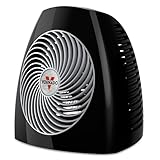
1. Vornado MVH (2025) Space Heater, 3 Heat Settings, Adjustable Thermostat, Tip-Over Protection, Auto Safety Shut-Off System, Indoor Use, Whole Room Heating, Black
Overview:
The Vornado MVH (2025) leverages patented Vortex technology to circulate warm air throughout small to medium rooms like a mini furnace. Designed for bedrooms, offices, and living spaces, this 1500-watt heater prioritizes safety with cool-touch housing, tip-over protection, and auto shut-off. Its streamlined black design blends discreetly into any décor while delivering consistent, whole-room warmth without the intense directional heat of traditional models.
What Makes It Stand Out:
Vornado’s signature vortex circulation eliminates hot spots by moving air in a tornado-like pattern, creating uniform temperature distribution. The seven-setting thermostat offers more granular control than typical dials, automatically cycling to maintain precise comfort. The industry-leading 5-year replacement warranty demonstrates exceptional manufacturer confidence, while the cool-touch exterior remains safe around children and pets even during extended operation.
Value for Money:
Positioned in the mid-range segment, the MVH justifies its price through proven durability and that exceptional warranty. Unlike budget competitors that last one season, this unit frequently serves for years. The energy-efficient operation offsets initial cost through reduced electricity bills, particularly in zone-heating scenarios where you avoid heating unused spaces.
Strengths and Weaknesses:
Pros include remarkably even heating, whisper-quiet operation, robust safety features, and outstanding warranty support. Cons are the lack of a fan-only summer mode, no oscillation function, and a relatively basic aesthetic that won’t impress design-conscious buyers. The unit excels at its primary mission but lacks year-round versatility.
Bottom Line:
For those prioritizing reliable, safe, and uniform heating in small to medium rooms, the Vornado MVH is a top-tier choice. The warranty alone makes it a smart investment for cold-climate dwellers needing dependable winter comfort.
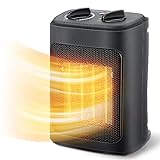
2. Space Heater, 1500W Electric Heaters Indoor Portable with Thermostat, PTC Fast Heating Ceramic Room Small Heater with Heating and Fan Modes for Bedroom, Office and Indoor Use
Overview:
This 1500W ceramic heater delivers rapid warmth using advanced PTC heating technology combined with an efficient fan system. Compact and lightweight, it transitions easily between bedroom, office, or living room use. The unit offers three heat settings plus a dedicated fan-only mode, making it versatile across seasons. Built-in safety features include overheat protection and tip-over shutoff, ensuring worry-free operation around families and pets.
What Makes It Stand Out:
The PTC ceramic element heats up in seconds while maintaining energy efficiency through self-regulating temperature control. The inclusion of a fan-only mode at this price point is unusual, providing summer value most competitors lack. Its minimalist design features an ergonomic handle for effortless portability, while the adjustable thermostat actively monitors ambient temperature to cycle on and off automatically.
Value for Money:
This represents exceptional budget-tier value, typically priced well under premium brands while delivering comparable heating performance. The dual-season functionality eliminates need for separate fan purchases, maximizing utility per dollar. For apartment dwellers or those needing supplemental zone heating, it pays for itself quickly through energy savings versus central heating.
Strengths and Weaknesses:
Pros include lightning-fast heat-up times, lightweight portability, multiple modes including fan-only, and solid safety protections. Cons involve less effective heating for larger spaces, potentially noisy operation at high settings, and a generic brand with uncertain long-term durability. The basic thermostat lacks precision temperature settings.
Bottom Line:
An excellent entry-level option for quick, targeted heating in small spaces. Ideal for budget-conscious buyers wanting fast warmth without sacrificing essential safety features or year-round usability.
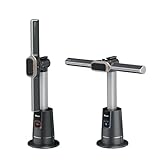
3. Shark TurboBlade Cool + Heat – 2-in-1 Bladeless Tower Fan & Space Heater for Customizable Year-Round Indoor Use, Bedroom, Living Room, & Office | Powerful Cooling + Rapid Room Heating, Charcoal, TH202
Overview:
The Shark TurboBlade redefines climate control as a premium 2-in-1 bladeless tower that seamlessly transitions from powerful cooling to intelligent heating. Engineered for year-round use, it features ten airflow speeds and three heat modes with vertical or horizontal air projection. The charcoal finish and sleek tower design make it a statement piece while delivering comprehensive room coverage through innovative airflow engineering.
What Makes It Stand Out:
Bladeless technology ensures maximum safety for curious children and pets while enabling effortless cleaning. The Thermo IQ auto-temperature control intelligently maintains desired warmth without manual adjustment. A magnetic remote docking system solves the perennial lost-remote problem, snapping securely to the unit. The ability to pivot between vertical tower mode and horizontal air blanket mode offers unmatched directional control.
Value for Money:
Positioned at the premium end, the TurboBlade justifies its higher price through genuine year-round utility. Rather than buying separate high-end fan and heater, this single investment covers all seasons. Energy-efficient operation, durable construction, and Shark’s reputable brand support offset initial cost for buyers prioritizing convenience and safety.
Strengths and Weaknesses:
Pros include exceptional all-season versatility, cutting-edge bladeless safety, innovative remote storage, easy maintenance, and whisper-quiet operation. Cons are the significant price premium, large footprint requiring substantial floor space, and potentially excessive features for those wanting simple heating only. The learning curve for advanced modes may overwhelm some users.
Bottom Line:
Perfect for design-conscious households seeking a single, safe, sophisticated solution for complete climate management. The premium cost delivers premium convenience and safety that budget options cannot match.
4. Bladeless Tower Fan, 1400W Space Heater & 40W Cooler Fan Combo with Remote, 80°Oscillation, 8 Speeds and 3 Heating Modes, 9H Timer, LED Display, Fast Safety Heat and Quiet for Bedroom, Kitchen, Office

Overview:
This bladeless tower combines a 1400W heater and 40W cooling fan in one space-saving unit, delivering rapid warmth in three seconds alongside gentle summer airflow. The leafless design prioritizes family safety while offering 80-degree oscillation for broad coverage. Eight fan speeds and three heating modes provide customizable comfort, complemented by a nine-hour timer and LED display that auto-dims after 30 seconds for undisturbed sleep.
What Makes It Stand Out:
The 3-second fast heating outpaces many competitors, while 80-degree oscillation exceeds typical tower units for more even distribution. Bladeless construction eliminates cleaning hazards and injury risks, making it ideal for homes with toddlers or pets. The large-diameter centrifugal wind wheel creates natural, bundle-cut airflow that feels less harsh than traditional fan blades. Remote control operation adds convenience.
Value for Money:
This mid-range offering delivers premium bladeless safety and rapid heating typically found in higher-priced models. The combination of strong oscillation, multiple speeds, and dual-season functionality provides excellent feature-per-dollar value. While brand recognition is limited, the specifications compete with name-brand units costing significantly more.
Strengths and Weaknesses:
Pros include extremely fast heating, wide oscillation, child-safe bladeless design, quiet 40-50dB operation, and comprehensive timer function. Cons are slightly lower heating power (1400W vs standard 1500W), less precise thermostat control, and unknown long-term reliability from a lesser-known manufacturer. The cooling function is modest at only 40W.
Bottom Line:
A compelling choice for families prioritizing safety and rapid heating without premium pricing. The bladeless design and wide oscillation make it particularly suitable for medium-sized living spaces with children or pets.
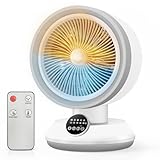
5. Oylus Heater and Fan Combo for Indoor Use, 2-in-1 1500W Portable Desk Heating & Cooling Fan, Oscillating with Adjustable Thermostat, 2 Heat & Fan Modes, Tip-Over Protection, Quiet Space Heater
Overview:
The Oylus 2-in-1 delivers 1500W of heating power and cooling airflow through an innovative dual-fan system housed in a compact, minimalist white chassis. Designed for desk or floor placement, it features four preset temperature settings (70°F, 75°F, 80°F, 85°F) and 40-degree oscillation. Operating at just 35dB, it maintains tranquility while providing steady comfort through intelligent thermostat cycling that automatically adjusts to maintain target temperature.
What Makes It Stand Out:
The dual-fan architecture creates more consistent airflow than single-fan designs, while the precise preset temperature options eliminate guesswork. At 35dB, it’s among the quietest units available, making it perfect for bedrooms or offices requiring silence. The compact footprint integrates seamlessly into tight spaces without sacrificing performance. Safety features include overheat and tip-over protection.
Value for Money:
This competitively priced unit punches above its weight with premium features like dual fans, ultra-quiet operation, and precise temperature control typically found in more expensive models. The 1500W heating capacity matches premium competitors while maintaining budget-friendly positioning. For noise-sensitive environments, the quiet operation alone justifies the cost.
Strengths and Weaknesses:
Pros include exceptionally quiet 35dB operation, precise preset temperatures, powerful dual-fan system, compact portability, and robust safety features. Cons are limited 40-degree oscillation (narrower than competitors), modest brand recognition affecting support confidence, and a cooling mode that lacks the power of dedicated fans. The minimalist design may not suit all aesthetics.
Bottom Line:
Ideal for bedrooms, offices, or nurseries where silence is paramount. The Oylus combines thoughtful engineering with user-friendly controls, delivering premium quiet comfort at a mid-range price.
6. Space Heater for Indoor Use, PNTCK 1500W PTC Electric Heater with Remote, 75° Wide Oscillation, 12H Timer,24″ 12ft/s Airflow, Quiet Heating for Large Room, Bedroom, Home Office

Overview: The PNTCK 1500W PTC Electric Heater positions itself as a safety-first heating solution for indoor spaces up to 300 square feet. With its ETL certification and V0 flame-retardant construction, this unit prioritizes peace of mind alongside performance. The heater combines rapid ceramic heating with thoughtful features like a 12-hour timer and 24-hour auto shut-off, making it suitable for all-day use in bedrooms, home offices, or living areas.
What Makes It Stand Out: This heater’s comprehensive safety suite truly distinguishes it. Beyond standard tip-over and overheat protection, it features a V0 flame-retardant plug and explicitly warns against extension cord use—demonstrating serious commitment to fire prevention. The wide oscillation (75-80°) expands coverage by 20%, while the ECO mode intelligently adjusts between 1000W and 1500W based on ambient temperature, optimizing energy consumption without manual intervention.
Value for Money: Priced competitively against premium heaters, the PNTCK justifies its cost through multiple safety certifications and intelligent features that cheaper models lack. The 24-hour auto shut-off provides insurance against forgotten units, potentially preventing costly accidents. While basic heaters cost less, they rarely offer this combination of safety redundancy and smart energy management.
Strengths and Weaknesses: Strengths include exceptional safety features, whisper-quiet 34dB operation, effective oscillation, and energy-saving ECO mode. The 12ft/s airflow ensures quick heat distribution. Weaknesses: The oscillation angle is inconsistently listed as 75° and 80°, and the direct wall outlet requirement may limit placement flexibility. It lacks a cooling function for year-round use.
Bottom Line: For safety-conscious consumers seeking reliable, quiet heating in medium-sized rooms, the PNTCK delivers exceptional peace of mind. Its robust protection systems and smart features make it worth the modest premium over basic alternatives.
7. Electactic Small Space Heater for Indoor Use, Portable Electric Heater with Remote, Thermostat, Child Lock and Overheat Protection ETL, 3 Heating Modes Electric Fan for Home/Office,1500W(Black)
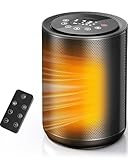
Overview: The Electactic Small Space Heater targets modern households needing versatile, safe climate control. This 1500W unit offers more than just heating—it functions as a year-round air circulator with cool, warm, and hot settings. Designed with families in mind, it includes a child lock and comprehensive safety protections, while its slim cylindrical form factor integrates discreetly into home offices, bedrooms, or small living spaces.
What Makes It Stand Out: True all-season functionality sets this heater apart. The three-mode system (cool air, warm air, hot air) eliminates the need for separate fan and heater units. The dedicated child lock is a standout feature for pet and child safety, complementing tip-over and overheat protection. Its minimalist design with LED display and built-in carry handle emphasizes portability without sacrificing aesthetic appeal.
Value for Money: This heater offers excellent value by replacing two appliances—heater and fan—in one unit. While single-season heaters may cost slightly less, the Electactic’s year-round utility and enhanced safety features justify the investment. The remote control and programmable thermostat (60-86°F) add convenience typically found in pricier models.
Strengths and Weaknesses: Strengths include versatile all-season operation, child lock protection, ultra-quiet sub-36dB performance, and space-saving design. The adjustable thermostat provides precise temperature control. Weaknesses: Oscillation capability isn’t clearly specified, potentially limiting even heat distribution. Its “small space” designation suggests limited coverage compared to larger models, making it less suitable for big rooms.
Bottom Line: Ideal for families with young children or pets, this Electactic heater excels in safety and versatility. Its year-round functionality and compact design make it a smart choice for small to medium rooms where space and safety are priorities.
8. Hiluce Bladeless Fans that Blow Cold Air for Bedroom,Tower Fan and Heater Combo,26ft/s Quiet Swamp Cooler Fan with Ice Packs,180° Oscillating,2 Heating & 3 Cooling Speed, 4L Water Tank, 9H Timer

Overview: The Hiluce Bladeless Fan and Heater Combo redefines versatility with its innovative evaporative cooling and rapid heating capabilities. This 2-in-1 appliance features a 4L water tank for swamp cooler functionality in summer and delivers one-second heating in winter. The bladeless design enhances safety for children and pets while providing smooth, natural airflow without traditional fan blades.
What Makes It Stand Out: The evaporative cooling system with included ice packs offers genuine air temperature reduction, not just circulation—a rarity in heater-fan combos. The extraordinary 180° oscillation provides unmatched coverage, eliminating hot or cold spots throughout large rooms. Bladeless technology prevents dust accumulation and eliminates injury risks, while the 26ft/s airflow velocity ensures powerful performance despite the gentle delivery.
Value for Money: While priced higher than basic oscillating heaters, the Hiluce justifies its cost by replacing both a swamp cooler and space heater. The energy-efficient 40W cooling mode reduces electricity costs compared to air conditioning. Its dual-function design saves storage space and purchase cost of separate appliances, delivering strong value for climate-diverse regions.
Strengths and Weaknesses: Strengths include exceptional 180° oscillation, true evaporative cooling, bladeless safety, rapid one-second heating, and easy cleaning. The 4L tank reduces refill frequency. Weaknesses: Requires regular water tank maintenance to prevent mold, operates at a slightly louder 40dB, and the evaporative function only works effectively in dry climates. Its larger footprint may not suit compact spaces.
Bottom Line: Perfect for households prioritizing safety and year-round comfort, especially in arid regions. The Hiluce excels as a premium dual-function unit, though maintenance requirements and climate limitations should be considered before purchasing.
9. Bladeless Heater Fan,22Inch Heating & Cooling Combo Tower Fan 80° Oscillating, 9H Timer, 8 Speeds, Portable Quiet for Indoor, Bedroom, Home Office Room

Overview: The Faryuan 22-Inch Bladeless Heater Fan offers year-round climate control in a sleek, modern package. This 2-in-1 unit provides eight cooling speeds and three heating levels, making it adaptable to any season. Its bladeless design enhances safety for families with children, while the compact, lightweight construction allows easy room-to-room portability for targeted comfort wherever needed.
What Makes It Stand Out: Unprecedented speed customization distinguishes this model—eight cooling speeds provide precise airflow control rarely seen in combo units. The intelligent sleep mode automatically dims the LED display after five seconds and reduces noise for undisturbed rest. Dual control options (remote and touch panel) offer convenience, while the dumping power outage feature adds an extra safety layer beyond standard tip-over protection.
Value for Money: Positioned in the mid-range price segment, the Faryuan delivers premium bladeless safety and extensive customization at a reasonable cost. While less expensive than high-end bladeless models, it offers more speed options and heating levels than many competitors. The sleep mode functionality adds value for bedroom use, potentially replacing both a nightstand fan and space heater.
Strengths and Weaknesses: Strengths include exceptional speed variety, sleep-friendly auto-dimming display, bladeless safety, dual control methods, and portable design. The quiet operation suits noise-sensitive environments. Weaknesses: 80° oscillation is narrower than some competitors, the 8-hour timer is shorter than alternative 12-hour models, and cooling effectiveness is limited to air circulation without evaporative features.
Bottom Line: An excellent choice for bedrooms and home offices where quiet operation and safety are paramount. The Faryuan balances customization, bladeless design, and thoughtful sleep features, making it ideal for light sleepers and families.
10. Electric Space Heaters for Indoor Use, 25" Portable Room Office Heater with 70°Oscillation, 1500W, 2 Heating & Fan Modes, 1S Instant Heating, Quiet Electric Heater for Garage Bedroom Large Room, Black

Overview: This 25-inch Electric Space Heater delivers rapid, quiet climate control for rooms up to 215 square feet. The 2-in-1 design functions as both a 1500W heater and 40W cooling fan, making it suitable for year-round use. With advanced vortex circulation technology, it promises three-second heating while maintaining library-quiet 35dB operation—ideal for bedrooms, offices, and garages where noise levels matter.
What Makes It Stand Out: The explicit pet-friendly design philosophy distinguishes this model, featuring V-0 flame retardant materials, tip-over protection, and an enhanced safety plug specifically marketed toward animal owners. The high-velocity vortex circulation achieves rapid temperature changes faster than traditional coil heaters. Its 70° oscillation efficiently distributes air without creating direct drafts that might disturb pets or people.
Value for Money: This heater offers strong value in the competitive mid-range market. The combination of sub-36dB operation, rapid three-second heating, and robust safety certifications matches features of pricier models. While coverage is limited to 215 sq ft, the efficient air circulation maximizes this footprint. The year-round fan functionality eliminates need for separate cooling appliance, saving money and storage space.
Strengths and Weaknesses: Strengths include exceptionally quiet 35dB operation, rapid three-second heating, comprehensive pet-focused safety features, and energy-efficient cooling mode. The vortex circulation effectively covers its rated area. Weaknesses: 70° oscillation is narrower than many competitors, coverage area is modest at 215 sq ft, and the design lacks premium features like bladeless technology or evaporative cooling.
Bottom Line: Perfect for pet owners and noise-sensitive users needing reliable heating and cooling in small to medium spaces. This heater prioritizes safety and quiet operation, making it an excellent bedroom or office companion despite its moderate coverage area.
Understanding Drafty Rooms and Heating Challenges
Drafty rooms create microclimates of discomfort that standard HVAC systems struggle to address effectively. The constant exchange of cold outdoor air with heated indoor air establishes convection currents that pull warmth away from occupants faster than static heating methods can replenish it. Understanding the physics behind these drafts is crucial for selecting a heating fan that can truly make a difference.
Identifying Common Sources of Drafts
Windows and doors are the most obvious culprits, but drafts originate from numerous overlooked sources. Electrical outlets on exterior walls, recessed lighting fixtures, attic hatches, and even baseboard molding can create pathways for cold air infiltration. Foundation gaps and poorly sealed ductwork compound the problem, creating pressure differentials that actively draw cold air inside. A comprehensive draft assessment should include checking these less obvious leak points with a thermal camera or simple smoke pencil test.
The Stack Effect and Your Home’s Air Flow
The stack effect describes how warm air rises and escapes through upper-level leaks, creating negative pressure that pulls cold air in through lower-level gaps. This natural phenomenon turns drafty rooms into continuous heat sinks, where no amount of static heating ever quite reaches equilibrium. Heating fans combat this by disrupting the vertical air flow patterns and establishing horizontal warm air currents that minimize the stack effect’s impact.
Why Traditional Heating Fails in Drafty Spaces
Conventional radiators and baseboard heaters rely on passive convection that moves too slowly to counteract active drafts. The warm air they produce gets immediately diluted by incoming cold air, creating temperature stratification where ceilings are hot but occupied zones remain chilly. This inefficiency forces central systems to work overtime, often heating unoccupied areas while the drafty room stays uncomfortable.
How Heating Fans Work to Combat Drafts
Heating fans employ a fundamentally different approach than static heaters, using forced air technology to create immediate, noticeable warmth that stands up to active air movement. The combination of rapid heating elements and strategic air projection makes them uniquely suited for drafty environments.
The Science of Forced Air Heating
By actively pushing heated air into the space, these devices create positive pressure zones that physically block incoming drafts. The kinetic energy of the moving air maintains temperature consistency across the room, preventing the cold pockets that form with passive heating. Modern heating fans can produce air streams that reach 15-20 feet, effectively creating a barrier of warmth that redirects cold air currents.
Ceramic vs. Infrared Heating Elements
Ceramic heating elements excel in drafty rooms due to their rapid heat-up times and ability to maintain consistent temperatures despite air movement. The heated ceramic plates transfer energy efficiently to passing air, which then gets propelled into the room. Infrared elements, while effective for spot heating, struggle in drafty conditions because they heat objects rather than air—when drafts continuously replace the air in a space, infrared’s benefits diminish quickly.
Oscillation and Directional Control Benefits
Oscillating heating fans distribute warmth across a wider area, preventing the formation of hot and cold zones. For severely drafty rooms, models with adjustable louvers and directional controls allow you to aim the warm air stream directly at the source of incoming cold air, creating a thermal curtain effect. This targeted approach uses energy more efficiently than broadcasting heat indiscriminately.
Key Features to Look for in Heating Fans for Drafty Spaces
Not all heating fans perform equally in challenging draft conditions. Specific features separate effective units from those that will struggle to make a meaningful impact.
Power Output and Room Size Matching
For drafty rooms, you’ll need approximately 15-20 watts per square foot—significantly more than the standard 10-watt recommendation for well-sealed spaces. A 150-square-foot drafty room requires a unit rated for 2,250-3,000 watts to overcome heat loss. Undersized units will run continuously without ever achieving comfortable temperatures, wasting energy while delivering poor results.
Airflow Velocity and Throw Distance
Look for specifications indicating air throw distance of at least 15 feet and airflow rates exceeding 200 CFM (cubic feet per minute). High-velocity models create the air pressure needed to counteract incoming drafts. Variable speed settings are essential, allowing you to balance noise levels with performance needs during different times of day.
Thermostat Accuracy and Responsiveness
Drafty rooms experience rapid temperature fluctuations, requiring heating fans with highly responsive thermostats that sample air temperature every 30-60 seconds. Digital thermostats with ±1 degree accuracy prevent the 5-10 degree swings common with basic bi-metal thermostats. Some advanced models feature remote temperature sensors that can be placed away from the unit, preventing false readings caused by the heater’s own output.
Types of Heating Fans Suitable for Drafty Rooms
Different form factors offer unique advantages depending on your room’s layout and the nature of its drafts.
Tower Heating Fans with High Velocity Output
Slim tower designs house vertical heating elements paired with powerful axial fans, creating concentrated streams of warm air that can be directed across floor level where drafts typically enter. Their small footprint makes them ideal for placement near doorways or windows without obstructing traffic flow. Many feature 70-90 degree oscillation for broad coverage.
Compact Cube Units for Targeted Spot Heating
Cube-shaped heating fans deliver intense, focused warmth perfect for creating personal comfort zones in severely drafty areas. While they cover less square footage, their concentrated output can effectively neutralize drafts at their source. These units work exceptionally well when placed on the floor aimed upward to disrupt cold air sinking from windows.
Wall-Mounted Heating Fan Systems
For rooms where floor space is at a premium, wall-mounted units provide permanent draft protection. Installed near common leak points, they create thermal barriers without cluttering living areas. Many models feature slim profiles that blend with decor while delivering the high-wattage output needed for drafty spaces.
Sizing and Placement Strategies
Proper sizing and strategic placement dramatically impact a heating fan’s effectiveness in drafty rooms. Even the most powerful unit will underperform if positioned incorrectly.
Calculating Wattage for Draft Multipliers
Start with your room’s square footage and multiply by 12 watts for a baseline. Then apply draft multipliers: add 25% for single-pane windows, 15% for uninsulated walls, 20% for poor door seals, and 30% for rooms on raised foundations. This calculation ensures you select a unit powerful enough to overcome your specific heat loss factors.
Optimal Placement Near Draft Sources
Position heating fans 2-4 feet from the primary draft source, angled to direct warm air across the leak point. For windows, place units on the floor beneath the sill, aiming upward at a 45-degree angle. For doors, position them perpendicular to the opening, creating an air curtain effect. Avoid placing units directly against walls, which restricts intake airflow and reduces efficiency.
Height Considerations for Maximum Effect
Floor placement generally works best for drafty rooms because it allows the heating fan to intercept cold air as it enters and begins to sink. However, for drafts entering at mid-wall level (such as through electrical outlets), positioning the unit at the same height as the leak creates a more effective thermal block. Adjustable-height stands or wall mounts provide flexibility for addressing multiple draft sources.
Energy Efficiency Considerations
Drafty rooms inherently waste energy, making efficiency features critical for controlling operating costs without sacrificing comfort.
Eco Modes and Intelligent Cycling
Advanced heating fans feature eco modes that modulate power output based on real-time temperature feedback rather than simple on/off cycling. These systems might run at 50% power to maintain temperature once the initial warm-up is complete, reducing energy consumption by 30-40% compared to units that continuously cycle between full power and off.
Programmable Timers and Scheduling
Use programmable timers to pre-heat rooms before occupancy, avoiding the energy spike of bringing a cold room to temperature. Seven-day scheduling allows different programs for weekdays versus weekends, while daily scheduling can align heating with your actual usage patterns rather than running continuously.
Energy Consumption Monitors
Built-in wattage meters and cost calculators help you understand the real-world operating expense of your heating fan. This transparency allows you to adjust settings and schedules to optimize for both comfort and budget. Some units even provide monthly consumption reports, helping identify patterns and potential savings.
Safety Features That Matter
Heating fans operate at high temperatures and wattages, making comprehensive safety features non-negotiable, especially in drafty rooms where they may run continuously.
Tip-Over and Overheat Protection
Quality units include dual-stage tip-over switches that cut power instantly if the unit is knocked over, plus overheat sensors that shut down the heating element if internal temperatures exceed safe thresholds. In drafty rooms where pets or children might move units, these features provide essential peace of mind.
Cool-Touch Exteriors and Grille Design
Look for units with cool-touch housings that remain safe to touch even after hours of operation. Grille spacing should be less than 5mm to prevent finger insertion, and the overall design should minimize hot surfaces accessible to curious children or pets. Some models feature insulated housings that direct all heat forward through the grille.
Automatic Shutoff and Safety Certifications
Automatic shutoff timers prevent units from running unattended for extended periods, while certifications from recognized testing laboratories verify that safety features perform as advertised. For 2026 models, look for updated safety standards that address emerging concerns like smart home integration vulnerabilities and materials flammability.
Smart Features and Modern Conveniences
The integration of smart technology transforms heating fans from simple appliances into active participants in your home’s climate ecosystem.
Wi-Fi Connectivity and App Control
Remote control via smartphone apps allows you to adjust settings, monitor temperature, and receive alerts about unusual operation patterns. This is particularly valuable for drafty rooms that might need pre-heating before you arrive home or quick adjustments when unexpected weather changes occur.
Voice Assistant Integration
Compatibility with voice assistants enables hands-free operation—useful when you’re bundled up and don’t want to leave your cozy spot to adjust settings. Create routines like “winter morning” that simultaneously activate your heating fan, adjust your smart thermostat, and turn on lights.
Geofencing and Occupancy Sensing
Geofencing uses your smartphone’s location to automatically activate heating when you’re approaching home and shut down when you leave, eliminating wasted energy. Occupancy sensors detect movement and can pause operation in empty rooms, then quickly restore comfort when someone enters—ideal for intermittently used drafty spaces.
Installation and Setup Tips
Proper installation ensures your heating fan delivers maximum performance while integrating seamlessly into your living space.
Unboxing and Initial Inspection
Upon receiving your heating fan, inspect for shipping damage that might affect performance or safety. Check that all grilles are intact, controls function smoothly, and the power cord shows no signs of stress. Run the unit for 15 minutes in a well-ventilated area to burn off any manufacturing residues that might produce temporary odors.
Calibration and Temperature Offset Setup
Many digital thermostats allow temperature offset calibration to account for the unit’s own heat affecting its sensor. Place a separate thermometer across the room and adjust the offset until both readings match. This ensures the heating fan responds to actual room temperature rather than its immediate vicinity.
Integration with Existing HVAC Systems
Coordinate your heating fan’s operation with your central heating to avoid conflicts. Set your main thermostat 3-5 degrees lower and use the heating fan to maintain comfort in the drafty zone. This hybrid approach reduces whole-home heating costs while ensuring problem areas stay warm. Some smart models can even communicate with home automation systems to synchronize operation.
Maintenance and Longevity
Regular maintenance keeps heating fans operating safely and efficiently, especially important in drafty rooms where they work harder than typical applications.
Filter Cleaning and Airflow Optimization
Most heating fans include intake filters that capture dust and debris. Clean these monthly during heavy use seasons with warm soapy water, ensuring they’re completely dry before reinstallation. Clogged filters reduce airflow by up to 40%, forcing the unit to work harder and potentially overheat.
Seasonal Storage and Component Inspection
At season’s end, thoroughly clean the unit, inspect the power cord for damage, and store in a dry location. Check heating elements for corrosion or damage before the next heating season. For wall-mounted units, inspect mounting brackets and electrical connections annually to ensure continued safe operation.
Warranty and Service Life Expectations
Quality heating fans designed for drafty room applications should last 8-12 years with proper maintenance. Look for warranties covering both the heating element and fan motor for at least 2-3 years. Some manufacturers offer extended warranties that include annual maintenance checks, providing professional inspection of internal components.
Cost Analysis and Budget Planning
Understanding the total cost of ownership helps you make informed decisions that balance upfront investment with long-term operating expenses.
Initial Purchase Price Ranges
Basic heating fans suitable for mildly drafty rooms start around $50-75, while advanced models with smart features and high-velocity output for severely drafty spaces range from $150-300. Wall-mounted permanent solutions may cost $200-400 including installation materials. Consider this an investment in both comfort and energy savings.
Operating Cost Calculations
Calculate hourly operating costs by multiplying the unit’s wattage by your electricity rate (typically $0.10-0.15 per kWh). A 2,000-watt unit running continuously costs $0.20-0.30 per hour, though eco modes and cycling reduce actual costs by 40-60%. Drafty rooms may require 4-6 hours of daily operation during cold months, translating to $25-45 monthly.
Return on Investment Through Energy Savings
By allowing you to lower whole-home thermostat settings by 3-5 degrees, an effective heating fan can reduce central heating costs by 10-15%. For homes spending $200 monthly on heating, this creates $20-30 in savings, meaning the unit pays for itself in one to two heating seasons while providing superior comfort in problem areas.
Troubleshooting Common Issues
Even well-chosen heating fans can encounter problems in drafty environments. Understanding common issues helps you resolve them quickly.
Inadequate Heating Despite High Settings
If your unit runs constantly without warming the room, it may be undersized or improperly placed. Verify the wattage calculation accounts for all draft sources. Check that the unit isn’t positioned too close to walls or furniture that restrict airflow. Consider adding a second unit or upgrading to a higher-output model if calculations confirm insufficient capacity.
Short Cycling and Temperature Fluctuations
Rapid on/off cycling indicates the thermostat is either too close to the heating element or poorly calibrated. Increase the temperature offset setting or relocate any remote sensor further from the unit. Ensure the heating fan isn’t positioned where its own output blows directly on the thermostat, causing false readings.
Unusual Noises and Vibration
Clicking, buzzing, or rattling sounds often result from loose components or debris in the fan assembly. Power down and inspect the grille and internal fan for obstructions. Tighten any accessible screws. Persistent noise may indicate bearing wear in the fan motor, requiring professional service or replacement under warranty.
Environmental Considerations
Your heating choices impact both your immediate environment and broader ecological concerns, making sustainable selection increasingly important.
Eco-Friendly Materials and Manufacturing
Look for units constructed with recycled plastics and metals, and those manufactured using renewable energy. Some brands now offer take-back programs for end-of-life units, ensuring proper recycling of components. Packaging made from recycled and biodegradable materials reduces the environmental footprint of your purchase.
Carbon Footprint Reduction Strategies
Using a heating fan to enable lower central heating temperatures reduces your home’s overall carbon emissions. Pair your unit with renewable energy sources like solar panels for truly sustainable operation. Smart scheduling ensures you heat only when necessary, minimizing wasted energy and associated emissions.
Energy Star Ratings and Efficiency Standards
While Energy Star certification for heating fans is less common than for major appliances, emerging standards in 2026 will provide clearer efficiency metrics. Look for units that exceed minimum federal efficiency standards by at least 20%. Some manufacturers now publish carbon impact statements, quantifying the lifetime emissions of their products.
Alternatives and Complementary Solutions
Heating fans work best as part of a comprehensive approach to draft management rather than a standalone solution.
Weatherstripping and Air Sealing Techniques
Addressing drafts at their source amplifies your heating fan’s effectiveness. Apply compression weatherstripping to doors, install window film kits, and use expanding foam for larger gaps. These inexpensive improvements can reduce the heating load by 30-50%, allowing a smaller, more efficient heating fan to maintain comfort.
Thermal Curtains and Window Insulation
Heavy thermal curtains create an insulating air barrier between windows and living space. For maximum benefit, install them close to the glass and ensure they extend several inches beyond the window frame. Magnetic seals along the edges prevent cold air from sneaking around the sides, working synergistically with your heating fan’s output.
Zoned Heating System Integration
For homes with multiple drafty rooms, consider a zoned approach where each problem area has its own heating fan controlled by a central smart hub. This creates microclimates tailored to each space’s specific challenges while maintaining overall energy efficiency. Some systems can even learn usage patterns and automatically adjust based on occupancy and outdoor temperature.
Future Trends in 2026
The heating fan market continues evolving with technology that promises even better performance in drafty room applications.
AI-Powered Climate Adaptation
Emerging models incorporate machine learning algorithms that analyze draft patterns, outdoor weather forecasts, and occupancy schedules to optimize heating strategies automatically. These systems predict when drafts will intensify based on wind speed and direction data, preemptively increasing output before occupants feel discomfort.
Advanced Materials for Better Heat Retention
Graphene-enhanced heating elements and phase-change materials are entering consumer products, providing more consistent heat output with less energy input. These materials heat up faster and retain thermal energy longer, reducing the constant cycling that plagues traditional units in drafty environments.
Integration with Home Energy Management Systems
Next-generation heating fans will communicate directly with home batteries, solar inverters, and utility demand-response programs. They’ll automatically shift operation to times when electricity is cheapest or greenest, optimizing for both cost and environmental impact while maintaining comfort through predictive heating algorithms.
Frequently Asked Questions
How do I determine the right wattage for my drafty room?
Calculate your room’s square footage and multiply by 15-20 watts for drafty spaces, adding specific percentages for known leak sources like old windows or poor insulation. A 200-square-foot room with single-pane windows might need 3,000-4,000 watts of heating power to overcome heat loss effectively.
Can heating fans completely eliminate the need for central heating in drafty rooms?
While powerful heating fans can maintain comfort in drafty rooms, they work best as supplements to central heating rather than complete replacements. Use them to create warm zones while reducing your main thermostat by 3-5 degrees for optimal energy savings and comfort.
Are heating fans safe to run continuously in drafty spaces?
Modern heating fans with tip-over protection, overheat sensors, and cool-touch exteriors are designed for extended operation. However, you should never leave them running unattended for long periods. Use programmable timers and occupancy sensors to ensure safe, efficient operation.
What’s the difference between a heating fan and a regular space heater?
Heating fans actively propel heated air using built-in fans, creating air currents that combat drafts. Regular space heaters rely on passive convection or radiant heat, which drafts easily disrupt. The forced air approach makes heating fans far more effective in drafty conditions.
How much will a heating fan increase my electricity bill?
A typical 2,000-watt unit costs $0.20-0.30 per hour to operate at full power. With eco modes and cycling, actual costs are 40-60% lower. Expect $25-45 monthly increase during heating season, offset by 10-15% savings on central heating costs.
Can I use a heating fan in a bathroom or other humid area?
Only use heating fans specifically rated for bathroom use in humid environments. Standard units lack proper moisture protection and pose shock hazards. Bathroom-rated models include GFCI protection and corrosion-resistant components, but should still be kept away from direct water contact.
How long do heating fans typically last in drafty room applications?
With proper maintenance, quality heating fans last 8-12 years even in challenging drafty conditions. The increased workload in these environments makes regular filter cleaning and annual inspections more critical than in standard applications.
Do heating fans help with humidity issues in drafty rooms?
Heating fans don’t directly control humidity, but by raising air temperature they reduce relative humidity, making the space feel more comfortable. For significant moisture problems, pair your heating fan with a dehumidifier to address both temperature and humidity simultaneously.
What maintenance is required for heating fans used in dusty drafty rooms?
Clean intake filters monthly during use, wipe down grilles weekly to prevent dust buildup, and inspect the power cord regularly for damage. Drafty rooms often have higher dust levels, making maintenance more frequent but essential for safe, efficient operation.
Are smart heating fans worth the extra cost for drafty rooms?
Smart features provide significant value in drafty rooms by enabling precise scheduling, remote pre-heating, and integration with weather data for predictive operation. The energy savings from optimized scheduling typically recoup the 20-30% price premium within the first heating season.