Table of Contents
Nothing disrupts a peaceful evening quite like a wobbly ceiling fan. That persistent wobble doesn’t just create an annoying visual distraction—it can lead to premature wear on motor components, create unsettling noises, and potentially compromise safety over time. The good news is that most ceiling fan instability issues trace back to one critical component: the mounting bracket. As we look toward 2026, advancements in bracket design and installation techniques offer homeowners more solutions than ever before for achieving that perfectly balanced, whisper-quiet operation.
Understanding what makes a mounting bracket effective requires looking beyond the basic hardware store options. The right bracket system acts as the foundation for your entire ceiling fan installation, distributing weight evenly, absorbing vibrations, and maintaining structural integrity for years of reliable service. Whether you’re dealing with an older installation that’s come loose or planning a new setup in a challenging ceiling type, knowing which features matter most will help you make an informed decision without getting overwhelmed by technical jargon or marketing claims.
Top 10 Fan Mounting Brackets for Wobbly Fans
Detailed Product Reviews
1. RACO RETRO-BRACE 936 1.5-in. Deep Ceiling Fan Box for Old Work 2.5-in. Knockouts, Old Work Electrical Box, Adjustable Brace, and Mounting Bracket for Ceiling Light Fixtures & Chandelier Fans

Overview: The RACO RETRO-BRACE 936 is a specialized old-work ceiling fan box engineered for restoration projects where preserving original architectural details matters. This adjustable brace spans 16 to 24 inches, accommodating non-standard joist spacing without requiring tools or extensive demolition. It provides robust anchorage supporting ceiling fans up to 70 pounds or light fixtures up to 110 pounds, meeting modern safety demands in vintage structures.
What Makes It Stand Out: Its restoration-first approach differentiates it from generic new-work boxes. The tool-free expansion mechanism is a standout feature that saves significant time during overhead installations. The integrated up-front ground screw eliminates fumbling in dark ceiling cavities, while unique mounting feet and snap-on bracket system reduce installation frustration. cULus certification ensures code compliance that inspectors trust.
Value for Money: While priced higher than basic fan boxes, it eliminates the need for custom carpentry or additional support framing in old homes. Contractors reduce labor hours, and DIYers avoid costly electrician callbacks. Comparable old-work solutions often lack the 110-pound light fixture rating, making this versatile for both fan and heavy chandelier installations.
Strengths and Weaknesses:
Pros: Tool-free 16-24" adjustment; dual 70/110 lb ratings; certified to cULus/NEMA OS1 standards; old-work optimized design; innovative mounting features
Cons: 1.5" depth restricts some modern deep retrofit kits; premium pricing; requires minimum 16" joist spacing; ceiling-only application
Bottom Line: The RACO RETRO-BRACE 936 is the professional’s choice for heritage home electrical upgrades. Its specialized features and certified strength make it worth every penny for restoration-quality results.
2. Adjustable Fan Mount Bracket for IKEA Milsbo Greenhouse Cabinet – Fits 80mm Fans – Strong & Easy Installation (Fan Not Included)

Overview: This specialized bracket addresses critical airflow challenges in IKEA Milsbo greenhouse cabinets. Purpose-built for 80mm fans, it provides precise directional control to combat stagnant air, reduce mold risk, and strengthen plant stems. The minimalist design preserves the cabinet’s clean aesthetic while offering installation flexibility for both renters and permanent setups. Measuring just a few inches, it maximizes growing space while creating healthier microclimates.
What Makes It Stand Out: The bracket’s full articulation—vertical and horizontal angle adjustment—sets it apart from fixed solutions like chains or adhesive hooks. This precision allows gardeners to direct gentle airflow across plant canopies without creating damaging direct drafts. The innovative dual-mounting system utilizes existing cabinet screw holes or 30mm double-sided tape, accommodating users who can’t drill. Its versatility extends beyond fans to support hygrometers, thermometers, and small LED grow lights.
Value for Money: While priced above generic brackets, it eliminates costly experimentation. Improvised solutions often fail, damage cabinets, or provide inadequate airflow control. For serious indoor gardeners, preventing one crop loss from powdery mildew justifies the investment. Compared to cabinet-specific ventilation systems costing hundreds, this offers targeted efficiency at a fraction of the price.
Strengths and Weaknesses:
Pros: Seamless Milsbo integration; unprecedented angle adjustability; dual mounting flexibility; multi-device compatibility; preserves cabinet aesthetics
Cons: Fan sold separately; 80mm size limitation; adhesive option may degrade in humid conditions; premium niche pricing
Bottom Line: A must-have accessory for Milsbo greenhouse enthusiasts prioritizing plant health. Its precision airflow management and non-destructive installation options make it invaluable for cultivating thriving indoor gardens.
3. 2 Pack Wall Fan Mounting Bracket - Wall Mount Fan Brackets Holders - Solid Steel Fan Wall Mount Bracket with Fastening Screws (2 Pack)

Overview: This two-pack of solid steel brackets delivers a professional-grade solution for wall-mounting oscillating fans across diverse environments. The clever hidden design creates a floating aesthetic that preserves valuable floor space in cramped garages, workshops, or kitchens. Engineered for broad compatibility, these brackets support most standard oscillating fans while providing complete installation hardware for both wooden studs and brick masonry surfaces. The powder-coated steel construction ensures longevity under constant vibration and weight stress.
What Makes It Stand Out: Unlike bulky L-brackets or flimsy plastic alternatives, this system’s concealed mounting plate disappears behind the fan base, creating a streamlined, modern appearance. The solid steel fabrication prevents the flexing and sagging common with aluminum brackets, maintaining fan stability over years of operation. The comprehensive hardware kit—including expansion anchors for concrete and wood screws—demonstrates thoughtful engineering for real-world applications.
Value for Money: Delivering two heavy-duty brackets at an entry-level price point, this set offers exceptional cost-per-unit value. Professional installation would cost five times the product price, while cheaper alternatives often fail within months. For property owners outfitting multiple rooms, the two-pack eliminates separate purchases. The steel construction’s durability translates to a multi-year investment rather than a disposable solution.
Strengths and Weaknesses:
Pros: Robust steel build; space-saving hidden design; universal compatibility; complete multi-surface hardware; dual-pack economy
Cons: Fixed position limits airflow direction; drilling required; potential rust in coastal/humid areas; may not support oversized industrial fans
Bottom Line: A smart, economical choice for permanent cooling installations. These brackets combine durability, aesthetics, and practicality, making them ideal for DIYers seeking professional results without the premium cost.
4. Oedema 2 Pcs Ceiling Fan Mounting Bracket Ceiling Fan Accessories Fan Components for Living Room, Bedroom

Overview: The Oedema two-pack delivers fundamental ceiling fan mounting brackets constructed from lightweight aluminum, targeting cost-conscious DIY installers. These brackets measure 145mm x 65mm x 60mm, providing a universal fit for standard residential ceiling fans in bedrooms, living rooms, and kitchens. Each package includes mounting screws, offering a complete basic solution for straightforward installations where heavy-duty support isn’t paramount. The aluminum material resists corrosion while keeping weight minimal for easier overhead work.
What Makes It Stand Out: Its primary distinction is value-oriented simplicity. The two-pack configuration enables simultaneous multi-room installations or provides a convenient spare for future needs. Unlike complex adjustable systems, these brackets offer no-fuss mounting for standard junction boxes. The aluminum construction naturally resists rust, making it suitable for humid climates where steel might deteriorate. Its compact dimensions work with most fan canopy designs without requiring modifications.
Value for Money: Positioned as a budget-tier solution, it dramatically undercuts premium steel alternatives. For rental properties, quick flips, or basic home upgrades, the cost savings are substantial. While professional-grade brackets offer higher capacities, most residential fans weigh under 50 pounds—well within these brackets’ capabilities. The included hardware eliminates separate fastener purchases, adding hidden value.
Strengths and Weaknesses:
Pros: Exceptional affordability; dual-pack convenience; corrosion-resistant aluminum; universal sizing; adequate for standard fans
Cons: Limited weight capacity; non-adjustable design; minimal installation guidance; not suitable for heavy chandeliers; basic aesthetics
Bottom Line: A practical choice for lightweight residential ceiling fan projects where budget trumps premium features. These brackets reliably serve their purpose but shouldn’t be tasked with supporting oversized or industrial-grade fixtures.
5. LUTQ 2-Set Heavy Duty Wall Fan Mounting Bracket - Solid Steel, with Fastening Screws, Oscillation Fans Hidden Holder

Overview: The LUTQ two-set delivers heavy-duty wall fan mounting brackets engineered for demanding environments where durability is non-negotiable. Fabricated from solid steel with an anti-rust coating, these brackets provide robust support for oscillating fans in humid greenhouses, dusty workshops, and coastal garages. The innovative hidden holder design creates a floating aesthetic that maximizes floor space while concealing mounting hardware. Each set includes specialized fasteners for both wooden studs and brick masonry, ensuring secure installation across diverse wall types.
What Makes It Stand Out: The anti-rust treatment sets it apart from standard raw steel brackets that deteriorate in moisture-rich environments. This protective finish extends service life exponentially in greenhouse applications where condensation is constant. The heavy-duty construction accommodates larger oscillating fans up to industrial sizes, while the concealed mounting plate maintains a professional, uncluttered appearance. The comprehensive hardware kit includes expansion anchors rated for substantial weight, eliminating guesswork.
Value for Money: Positioned in the mid-tier price range, it offers professional-grade features at DIY-friendly costs. The anti-rust treatment prevents costly replacements in corrosive environments, delivering long-term savings. For commercial greenhouse operators or serious hobbyists, avoiding a single fan failure due to bracket corrosion justifies the investment. Compared to stainless steel alternatives costing twice as much, this provides similar protection at a fraction of the price.
Strengths and Weaknesses:
Pros: Superior anti-rust protection; heavy-duty weight capacity; clean hidden design; complete multi-surface hardware; dual-set value
Cons: Fixed position limits airflow optimization; requires drilling and tools; over-engineered for small desk fans; minimal aesthetic finish options
Bottom Line: A robust solution for challenging environments where moisture and weight demands exceed basic bracket capabilities. The LUTQ brackets excel in garages, greenhouses, and workshops, offering corrosion resistance and strength that justify their moderate premium.
6. Ceiling Fan Mounting Bracket Mounting Kits Fan Components for Cathedral Canopy Living Room, 77059 Ceiling Fan Parts Black (Without Wire)

Overview: This ceiling fan mounting bracket kit provides essential hardware for installing fans on cathedral or sloped ceilings. The package includes a robust mounting bracket, screws, and foam washers designed to secure your ceiling fan safely in challenging architectural spaces. Engineered for both residential and commercial applications, this kit addresses the unique challenges posed by angled ceiling installations where standard brackets fall short.
What Makes It Stand Out: The cathedral canopy design is the star feature, accommodating high and sloped ceilings that traditional mounts cannot handle. The kit’s versatility shines through its wide-ranging applications—from bedrooms to commercial eateries. Unlike basic mounts, this bracket’s sturdy construction ensures reliable support for larger fans in expansive living spaces, while the included foam washers provide vibration dampening for quieter operation.
Value for Money: This kit offers solid value by bundling all necessary components for a cathedral ceiling installation. While slightly pricier than standard flat-ceiling brackets, it eliminates the need for custom fabrication or specialized hardware. The durable materials promise longevity, making it a worthwhile investment compared to cheaper plastic alternatives that may crack under stress.
Strengths and Weaknesses: Strengths include robust construction suitable for heavy fans, comprehensive accessory package, straightforward installation process, and broad compatibility with various ceiling types. The foam washers offer helpful vibration reduction. Weaknesses include the absence of wiring components (despite the product title mentioning “wire”), potentially requiring separate purchase. The foam washers may deteriorate over time with temperature fluctuations.
Bottom Line: This mounting kit is an excellent choice for anyone installing a ceiling fan on a sloped or cathedral ceiling. Its sturdy build and complete hardware set make installation straightforward, though you’ll need to source wiring separately. Recommended for DIYers and professionals alike.
7. YAODHAOD Fan Mounting Bracket, 8cm/9cm/12cm Computer Chassis Fan Case Cooling Component PC Radiator Holder (1PCS) (Black)
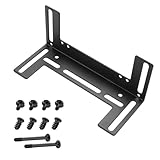
Overview: This PC fan mounting bracket from YAODHAOD provides a durable metal solution for securing fans and radiators within computer chassis. Designed to accommodate 8cm, 9cm, and 12cm cooling fans, this single-piece bracket addresses thermal management challenges in gaming rigs, workstations, and home office setups. The black stoving varnish finish ensures it integrates seamlessly into most PC builds while offering enhanced durability over standard plastic mounts.
What Makes It Stand Out: The bracket’s premium metal construction sets it apart from ubiquitous plastic alternatives, providing superior rigidity and heat resistance. Its multi-size compatibility (8cm/9cm/12cm) offers flexibility for various cooling configurations, from case fans to radiator mounting. The corrosion-resistant finish not only looks professional but ensures longevity, preventing rust that could compromise structural integrity over time.
Value for Money: As a single-unit purchase, this bracket positions itself as a premium option compared to bulk plastic packs. The investment is justified by its metal durability and versatility across multiple fan sizes. For builders seeking a reliable, long-lasting mounting solution rather than disposable plastic clips, the price represents fair value, especially for high-performance systems where cooling efficiency is paramount.
Strengths and Weaknesses: Strengths include robust metal construction, attractive rust-resistant finish, multi-size fan compatibility, and effective vibration dampening that reduces noise. The bracket simplifies installation in tight case configurations. Weaknesses include being sold as a single unit (most builds need multiple mounts), limited to three fan sizes, and potential clearance issues in compact cases. The lack of included mounting hardware may require separate purchase.
Bottom Line: Ideal for PC enthusiasts prioritizing build quality and longevity over cost-cutting. This metal bracket delivers reliable fan mounting with a clean aesthetic, though you’ll likely need several for a complete build. Recommended for performance-oriented systems.
8. Mysttoo 8PCS Universal Electric Radiator Fan Mounting Kit, L-Shape Fan Bracket Feet Mount Legs Install Tab Plastic Electric Engine Intercooler Cooling Fan Mounting Tabs

Overview: The Mysttoo mounting kit provides eight L-shaped plastic brackets for installing electric radiator and intercooler fans in vehicles. Engineered as a universal solution, these tabs accommodate slim fans ranging from 7 to 16 inches in diameter, making them suitable for most automotive cooling applications. Constructed from heat-resistant ABS plastic, this kit offers a cost-effective alternative to OEM mounting hardware for replacement or upgrade projects.
What Makes It Stand Out: True universality is the key selling point, with compatibility spanning an impressive range of fan sizes. The kit directly replaces common part numbers like 30130010 and 30130017, simplifying identification for DIY mechanics. The 24-month quality guarantee demonstrates manufacturer confidence, while the plug-and-play design eliminates complicated fabrication. These tabs are specifically engineered to withstand engine bay temperatures without corroding like metal alternatives.
Value for Money: With eight brackets included, this kit provides exceptional value for multi-fan installations or future repairs. The price point undercuts OEM replacements significantly while offering comparable performance for most applications. The generous warranty period adds peace of mind, making it a smart investment for budget-conscious enthusiasts and professional mechanics alike. Bulk packaging reduces per-unit cost compared to individual dealership purchases.
Strengths and Weaknesses: Strengths include broad fan size compatibility, heat-resistant ABS construction, direct OEM part replacement, generous 24-month warranty, and ample quantity for complete installations. The plastic material prevents rust and simplifies installation. Weaknesses include plastic construction that may crack under extreme vibration or torque compared to metal alternatives, potentially requiring periodic inspection. Some applications may need minor modification for perfect fitment, and the kit lacks installation hardware beyond the tabs themselves.
Bottom Line: An excellent budget-friendly solution for mounting automotive cooling fans. The universal design and generous quantity make it ideal for DIY mechanics, though heavy-duty applications might require metal reinforcement. Highly recommended for standard replacement jobs.
9. Fan Mounting Kit, Mellbree 2-Pack Electric Radiator Fan Mounting Kit Compatible for Electric Cooling and Transmission Cooler

Overview: Mellbree’s 2-pack mounting kit delivers specialized hardware for securing electric radiator and transmission cooler fans. Each kit includes nylon mounting rods, foam pads, protective springs, and fixed buckles—providing a complete solution for automotive cooling system repairs. Designed to replace worn or damaged factory mounts, this kit addresses the specific challenges of high-vibration engine environments where standard mounting methods fail.
What Makes It Stand Out: The inclusion of protective springs is a standout feature, preventing bottom-out breakage and absorbing engine vibrations that typically compromise rigid mounts. Unlike generic brackets, this kit provides a full complement of hardware specifically engineered for cooling fan applications. The thoughtful design accounts for thermal expansion and vibration, extending fan lifespan in demanding conditions.
Value for Money: While only containing two complete mounting sets, the kit’s specialized nature justifies its price point. The comprehensive hardware package eliminates multiple trips to the parts store, saving time and frustration. Compared to universal plastic tabs, this system’s spring-loaded design offers superior durability, making it cost-effective for long-term reliability. However, bulk-pack alternatives may be cheaper for simple fan replacements.
Strengths and Weaknesses: Strengths include innovative protective spring design, complete hardware package, targeted compatibility with cooling systems, effective vibration dampening, and straightforward installation. The foam pads prevent metal-on-metal contact. Weaknesses include limited quantity (only two fans per pack), nylon rods that may degrade under extreme heat over time, and potential over-engineering for basic applications. The kit may be excessive for simple passenger car radiator fans.
Bottom Line: Perfect for transmission cooler installations and heavy-duty cooling applications where vibration resistance is critical. The spring protection system adds reliability, though casual DIYers might find simpler brackets sufficient. Recommended for performance and towing applications.
10. Ceiling Fan Mounting Bracket,1PCS AICWIOO Cast Aluminum Sloped Cathedral Ceiling Canopy Bracket for Living Room Outside Patio Porch with Mounting Hardware(Black)

Overview: AICWIOO’s cast aluminum mounting bracket offers premium support for ceiling fans on sloped and cathedral ceilings. This single-unit kit includes integrated wiring, screws, and foam gaskets, providing a comprehensive solution for both indoor and outdoor installations. The cast aluminum construction delivers exceptional strength while remaining lightweight, making it suitable for patio, porch, and living room applications where durability matters.
What Makes It Stand Out: The cast aluminum material significantly outperforms plastic alternatives in strength, corrosion resistance, and thermal conductivity—critical factors for outdoor installations. Unlike competitors, this kit includes wiring, eliminating separate purchases. The design reduces ceiling clutter for a cleaner aesthetic, while the material’s high toughness ensures it won’t crack under load or temperature extremes, accommodating even the largest ceiling fans with confidence.
Value for Money: As a premium single-unit product, it commands a higher price than basic kits but justifies the cost through superior material properties and included wiring. For outdoor or humid environments, the corrosion resistance alone makes it a smart long-term investment. Compared to standard steel brackets, the lightweight aluminum simplifies installation while providing comparable strength, offering excellent value for demanding applications.
Strengths and Weaknesses: Strengths include exceptional cast aluminum durability, corrosion resistance ideal for outdoor use, included wiring for convenience, clean aesthetic design, and comprehensive hardware package. The material’s thermal conductivity prevents heat buildup. Weaknesses include a higher price point for budget-conscious buyers, single-unit packaging (no spares), and potential over-specification for simple indoor installations where plastic would suffice. The cast construction may limit modification compared to stamped metal.
Bottom Line: A top-tier choice for outdoor or cathedral ceiling fan installations where durability is paramount. The cast aluminum construction and included wiring justify the premium price. Highly recommended for patio, porch, or high-humidity environments.
Understanding Ceiling Fan Instability
The Root Causes of Fan Wobble
Ceiling fan wobble rarely appears without warning signs. Most often, it stems from gradual loosening of mounting hardware, imbalanced blade weight distribution, or inadequate support structures. The mounting bracket serves as the critical interface between your fan’s weight and your ceiling’s structural members, making it the first place to investigate when instability occurs. Environmental factors like humidity fluctuations, seasonal temperature changes, and even household vibrations from nearby traffic can slowly compromise mounting integrity over time.
Why Standard Brackets Often Fail
Many ceiling fans ship with basic mounting brackets designed for ideal installation scenarios—perfectly level ceilings, standard joist spacing, and minimal vibration transfer. Unfortunately, real-world homes rarely meet these perfect conditions. Ceilings settle, joists may be spaced irregularly, and the lightweight materials used in economical bracket systems simply can’t compensate for these variables. This mismatch between bracket capability and installation reality creates the perfect conditions for that dreaded wobble to develop.
Types of Mounting Bracket Systems
Standard Pancake Boxes
These low-profile mounting solutions work best in situations with minimal ceiling space. The pancake design sits nearly flush against ceiling drywall, connecting directly to structural joists. While space-efficient, these brackets require precise installation and work optimally only with lighter fan models. Their compact nature means less material to absorb vibrations, making them suitable primarily for smaller rooms or supplemental air circulation rather than primary cooling.
Saddle Mount Brackets
Saddle-style brackets span across ceiling joists, creating a bridge that distributes fan weight across multiple structural members. This design proves invaluable in older homes where individual joists may have weakened over time or in installations where exact joist location doesn’t align with desired fan placement. The spanning capability allows for more flexible positioning while providing superior stability compared to single-point mounting systems.
Adjustable Support Bars
These versatile systems feature telescoping designs that extend to fit various joist spacing configurations. The adjustability makes them ideal for retrofit installations where accessing ceiling structure proves challenging. Many models incorporate vibration-dampening features and reinforced connection points that adapt to both standard 16-inch and wider 24-inch joist spacing commonly found in modern construction.
Critical Features for Wobble Prevention
Vibration Dampening Technology
Modern bracket systems integrate materials specifically engineered to absorb and dissipate vibrational energy. Look for designs incorporating rubber isolation pads, polymer washers, or strategically placed dampening joints. These features interrupt the vibration pathway that would otherwise transfer from spinning blades through the mounting hardware and into your ceiling structure, creating that amplified wobble effect.
Multi-Point Contact Design
Brackets that establish contact at multiple points along their structure create redundant support pathways. If one connection point begins to loosen slightly, others maintain stability while distributing load more evenly. This engineering approach mirrors techniques used in bridge construction, where multiple support members work together to create a resilient overall structure that compensates for minor individual component shifts.
Reinforced Connection Hardware
The difference between a stable installation and a wobbly one often comes down to the quality of connection hardware. Heavy-gauge bolts, locking washers, and reinforced screw holes prevent the gradual loosening that leads to instability. Some advanced systems incorporate nylon-insert lock nuts or split-ring washers that maintain tension despite thermal expansion and contraction cycles.
Material Considerations for Longevity
Steel Gauge Ratings Explained
Mounting bracket strength depends heavily on steel thickness, measured in gauge ratings. Lower gauge numbers indicate thicker, more robust steel. For ceiling fan applications, 12-gauge steel provides excellent rigidity without excessive weight, while 14-gauge offers adequate support for most residential applications. Anything thinner than 16-gauge may flex under load, contributing to wobble rather than eliminating it.
Powder Coating Benefits
Beyond basic rust prevention, quality powder coating adds a microscopic layer of protection that helps dampen high-frequency vibrations. The coating acts as a slight cushion between connection points while providing electrical insulation. In coastal or humid environments, marine-grade powder coating formulations resist salt air and moisture penetration that can cause internal corrosion invisible during visual inspections.
Die-Cast vs. Stamped Construction
Die-cast brackets offer superior dimensional consistency and strength compared to stamped alternatives. The casting process creates complex shapes with internal reinforcement ribs impossible to achieve through stamping. While typically commanding higher prices, die-cast brackets provide the rigidity necessary for heavier fan models and deliver more predictable performance across temperature variations.
Weight Capacity and Fan Compatibility
Calculating Total Load Requirements
Total load includes not just the fan’s listed weight but also blade weight, light kit additions, and dynamic loads created during operation. A good rule of thumb: select a bracket rated for at least 150% of your fan’s static weight. This safety margin accounts for blade imbalance, air resistance loads, and the cumulative effect of years of operation that can stress components beyond initial specifications.
Heavy-Duty vs. Standard Duty Classifications
Heavy-duty brackets typically support 75 pounds or more and feature reinforced construction throughout. Standard duty options generally handle 35-50 pounds adequately. For fans with light kits, extension rods, or blade spans exceeding 52 inches, heavy-duty classification becomes essential. The additional investment prevents future problems that inevitably cost more to correct than prevent.
Dynamic Load Considerations
Spinning blades create dynamic forces that multiply static weight significantly during operation. Quality brackets account for this through reinforced mounting points and vibration analysis during design. Look for specifications mentioning “tested for dynamic loads” rather than just static weight ratings, as this indicates engineering consideration for real-world operating conditions.
Installation Best Practices
Ceiling Structure Assessment
Before selecting any bracket, assess your ceiling’s underlying structure. Use a stud finder to locate joists and determine their spacing and orientation. Check for signs of water damage, pest infestation, or structural settling that could compromise mounting integrity. This preliminary investigation prevents discovering incompatible conditions mid-installation when options become limited.
Proper Box Placement Techniques
Mounting boxes must sit perfectly level and flush with the finished ceiling surface. Even slight angles translate into blade tracking errors that create wobble. Use a torpedo level across multiple axes when securing the box, and verify stability by gently applying pressure before fan installation. The box should feel absolutely rigid with no flexing or movement.
Electrical Box Compatibility
Ensure your chosen bracket integrates properly with your electrical box type. Some brackets replace the box entirely, while others work with existing boxes. Pay attention to screw hole patterns and grounding provisions. Incompatibility here creates installation headaches and potential code violations that could affect home insurance coverage or resale inspections.
Safety Standards and Certifications
UL Listing Importance
Underwriters Laboratories (UL) listing indicates a bracket has undergone rigorous testing for structural integrity, fire safety, and electrical compatibility. For ceiling fan support, look specifically for UL listings that mention “outlet box and fitting” or “fan support” rather than general electrical component listings. This specialization ensures testing protocols relevant to dynamic loads and long-term stability.
Building Code Compliance
Local building codes specify minimum requirements for ceiling fan support based on fan weight and blade span. Many jurisdictions require support for 70-pound loads minimum, regardless of actual fan weight, to accommodate future upgrades. Research your local requirements before purchasing, as code-compliant installation affects home inspection outcomes and insurance liability.
Manufacturer Testing Protocols
Reputable manufacturers subject brackets to accelerated life testing that simulates years of operation in compressed timeframes. This includes temperature cycling, vibration endurance, and load stress testing. While these details rarely appear on packaging, manufacturer websites often provide white papers or technical specifications demonstrating this commitment to quality assurance.
Common Installation Mistakes
Inadequate Joist Penetration
Screws and lag bolts must penetrate deeply into structural joists to achieve full holding power. Minimum penetration of 1.5 inches into solid wood provides reliable grip. Shallow penetration allows gradual pulling out under dynamic loads, creating the wobble you’re trying to eliminate. Pre-drilling pilot holes prevents wood splitting and ensures full penetration depth.
Ignoring Ceiling Material Variations
Drywall thickness, plaster composition, and ceiling texture affect how mounting hardware seats and stabilizes. Thick plaster ceilings may require longer screws to reach joists, while textured surfaces need careful box positioning to maintain level orientation. Failing to account for these variables results in hardware that appears tight but lacks proper structural engagement.
Over-Tightening Connection Points
While loose connections cause wobble, over-tightening can be equally problematic. Excessive torque strips threads, cracks mounting boxes, and creates stress points that fail over time. Use a torque wrench when specifications are provided, and develop a feel for “snug plus a quarter turn” when they’re not. The goal is firm contact, not maximum force.
Maintenance and Longevity
Periodic Inspection Schedules
Even perfect installations require periodic checks. Schedule visual inspections every six months, looking for signs of cracking around ceiling joints, paint separation indicating movement, or changes in fan sound character. Annual tactile checks—gently testing for any play in the mounting—catch developing issues before they become serious problems.
Tension Loss Over Time
Thermal cycling, vibration, and normal household settling cause hardware tension to diminish gradually. Plan for a maintenance tightening every 2-3 years, using the same careful techniques as initial installation. Mark original bolt positions with paint markers to detect any rotation that indicates loosening between maintenance intervals.
Environmental Factor Impacts
Coastal salt air, high humidity, temperature extremes, and even proximity to airports with low-frequency vibrations all affect mounting hardware differently. In challenging environments, increase inspection frequency and consider upgrading to marine-grade or vibration-isolated systems designed specifically for these demanding conditions.
Cost-Benefit Analysis
Investment vs. Replacement Economics
Quality mounting brackets represent a fraction of total ceiling fan cost but determine the entire installation’s success. Spending 20-30% of your fan budget on appropriate mounting hardware prevents the expense of premature fan replacement or ceiling repair. Consider the total cost of ownership rather than just initial outlay when evaluating options.
Warranty Implications
Many ceiling fan warranties become void if installed with inadequate support hardware. Using manufacturer-recommended bracket categories ensures warranty protection while guaranteeing compatibility. Some premium bracket systems even extend fan motor warranties by demonstrating proper installation practices, adding value beyond basic support functions.
Resale Value Considerations
Properly installed, wobble-free ceiling fans contribute positively to home resale value and inspection outcomes. Conversely, noticeable fan wobble raises concerns about overall maintenance quality and can trigger more extensive inspection scrutiny. Quality mounting hardware represents a small investment that pays dividends during real estate transactions.
When Professional Installation Makes Sense
Complex Ceiling Structures
Vaulted ceilings, cathedral designs, or installations requiring new electrical runs demand professional expertise. These scenarios often involve structural engineering considerations, permit requirements, and specialized equipment that exceed typical DIY capabilities. Professional installers also carry insurance protecting against ceiling damage or fan failure consequences.
Weight and Accessibility Challenges
Fans exceeding 50 pounds, particularly those installed on high ceilings or requiring scaffolding, justify professional installation from a safety perspective. The risk of dropping heavy components or improper securing creates liability and potential injury that far exceeds installation cost savings. Professionals also have access to commercial-grade support systems not available in retail channels.
Electrical System Upgrades
When fan installation requires circuit additions, box relocation, or service panel modifications, licensed electricians ensure code compliance and safety. Improper electrical work creates fire hazards and insurance complications. The integration of electrical and mechanical mounting expertise often requires coordinated professional trades for optimal results.
Future Trends in 2026 and Beyond
Smart Stability Monitoring
Emerging bracket designs incorporate micro-sensors that detect subtle vibration changes, alerting homeowners to developing issues via smartphone apps before wobble becomes noticeable. These systems track temperature, humidity, and vibration patterns, creating predictive maintenance schedules based on actual operating conditions rather than arbitrary time intervals.
Adaptive Mounting Materials
New composite materials combining carbon fiber reinforcement with vibration-dampening polymers offer strength-to-weight ratios superior to steel while inherently absorbing fan-induced vibrations. These advanced materials resist corrosion completely and maintain consistent performance across extreme temperature ranges, representing the next evolution in mounting technology.
Integrated Installation Systems
Manufacturers are moving toward complete mounting ecosystems that include pre-configured brackets, reinforced boxes, and specialized tools designed to work together seamlessly. These integrated systems reduce installation error potential while optimizing performance characteristics specific to particular fan designs, creating matched component sets that eliminate compatibility guesswork.
Frequently Asked Questions
What causes ceiling fan wobble even with a new bracket? Blade imbalance often persists despite proper mounting. Check blade weight consistency, blade arm alignment, and ensure all blade screws are equally tightened. Even minor variations create oscillations that mimic mounting problems.
Can I install a heavier fan on an existing bracket? Never exceed manufacturer weight ratings. Existing brackets may lack dynamic load capacity for heavier fans even if static weight seems adequate. Upgrade to a heavy-duty bracket rated for at least 150% of your new fan’s weight.
How do I know if my ceiling box is fan-rated? Fan-rated boxes display specific labeling indicating weight capacity and are constructed from heavier gauge metal than standard light fixture boxes. They feature reinforced corners and threaded mounting points designed for fan support rather than simple screw attachment.
What’s the ideal joist penetration depth for lag bolts? Minimum 1.5 inches into solid structural joists provides reliable holding power. In engineered lumber or older wood, increase to 2 inches. Always pre-drill pilot holes to prevent splitting that compromises grip strength.
Should I use plastic stabilizer shims when installing? Avoid plastic shims for fan mounting. They compress over time, creating new wobble sources. Use metal shims if needed for leveling, or better yet, select adjustable bracket systems that accommodate minor ceiling irregularities without additional shimming.
How often should mounting hardware be inspected? Perform visual inspections every six months and tactile stability checks annually. In high-humidity or coastal environments, increase frequency to every three months. Schedule maintenance tightening every 2-3 years regardless of apparent condition.
Can ceiling texture affect mounting stability? Heavy textures like popcorn or knockdown finishes can prevent mounting boxes from seating flush, creating slight angles that induce wobble. Scrape texture from the mounting area before installation to ensure direct box-to-structure contact.
What’s the difference between static and dynamic load ratings? Static rating measures weight at rest. Dynamic rating accounts for operational forces from spinning blades, which can multiply static weight by 3-5 times. Always prioritize dynamic load ratings for ceiling fan applications.
Are universal mounting brackets truly universal? “Universal” describes compatibility across fan brands but doesn’t guarantee suitability for all ceiling types or fan weights. Verify weight capacity, electrical box compatibility, and joist spacing accommodation rather than relying solely on universal labeling.
When is professional installation required by code? Most jurisdictions require licensed electricians for new circuit installations or when structural modifications are necessary. Some areas mandate professional installation for fans exceeding 50 pounds or those mounted on ceilings higher than 12 feet. Check local building codes before beginning your project.
See Also
- Stop Ceiling Damage with the 10 Best Metal Fan Mounting Brackets This Year
- We Tested 50 Fan Mounting Brackets - Here are the 10 Best for Heavy-Duty Fans in 2026
- Top 10 Best Fan Mounting Brackets for Secure Ceiling Fan Installation in 2026
- 10 Best Ceiling Fan Support Brackets for High-Vibration Fans This Year
- 10 Best Fan Mounting Brackets for Preventing Ceiling Damage in 2026