Table of Contents
Keeping your home warm without watching your energy bills skyrocket is a priority for most homeowners, especially as we look toward 2026. Baseboard heaters have come a long way from the clunky, inefficient models of decades past, and modern energy-efficient designs can make a significant difference in your monthly utility costs while maintaining comfortable temperatures throughout your living spaces. Understanding what separates a truly efficient unit from an energy-waster is crucial before making any investment.
The landscape of home heating technology continues to evolve rapidly, with smart features, improved materials, and advanced thermostat controls transforming how we think about baseboard heating. Whether you’re building a new home, retrofitting an older property, or simply looking to upgrade your current system, knowing which features deliver real savings versus marketing hype will help you make an informed decision that pays dividends for years to come.
Top 10 Energy Efficient Baseboard Heaters
Detailed Product Reviews
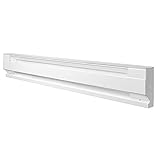
1. Cadet F Series 48" Electric Baseboard Heater (Model: 4F1000W, Part: 09954 ), 3415/2560 BTU, 240/208 Volt, 1000/750 Watt, White
Overview:
The Cadet F Series 48" Electric Baseboard Heater delivers 1000 watts of power at 240 volts (or 750 watts at 208 volts), making it suitable for small to medium rooms up to 150 square feet. This hardwired unit features universal wiring compartments and pre-punched knockouts at 1-inch intervals for straightforward wall or floor mounting. The high-temperature safety shutoff provides essential protection, while the limited lifetime warranty underscores its durability for long-term use.
What Makes It Stand Out:
The dual-voltage capability offers installation flexibility, and the safety shutoff feature exceeds basic requirements. The lifetime warranty is exceptional for this category, and the universal wiring design simplifies professional installation significantly. It produces 3415 BTU at maximum output.
Value for Money:
Priced competitively for a permanent-installation heater, it avoids the ongoing costs of portable units. However, it requires professional wiring and a separate thermostat purchase, adding $100-150 to the total investment. Compared to portable heaters, its 10+ year lifespan makes it economical for homeowners planning to stay long-term.
Strengths and Weaknesses:
Strengths include robust safety features, dual voltage compatibility, lifetime warranty, and permanent installation that doesn’t consume floor space. Weaknesses are the lack of included thermostat, requiring electrical work, and immobility once installed. It’s also limited to rooms where wiring exists.
Bottom Line:
Ideal for homeowners seeking a permanent, reliable heating solution. The lifetime warranty and safety features justify the installation costs for those needing consistent, long-term warmth in a specific room.
2. Cadet F Series 72 in. Electric Baseboard Heater (Model: 6F1500-1W, Part: 05536), 120 Volt, 1500 Watt, White

Overview:
This 72-inch Cadet F Series baseboard heater provides 1500 watts of heating power at 120 volts, designed for medium-sized rooms requiring continuous warmth. The unit operates on standard household voltage, eliminating the need for special 240-volt circuits. As a hardwired solution, it mounts directly to walls or floors for permanent installation. The product description emphasizes safety and continuous heat transmission, though details remain sparse compared to competing models. This Chinese-manufactured unit appears to target budget-conscious buyers seeking basic functionality.
What Makes It Stand Out:
The 120-volt operation is its primary differentiator, making installation accessible in older homes lacking 240-volt wiring. The 72-inch length provides greater heat distribution than shorter models, and the continuous operation ensures consistent temperature maintenance without cycling.
Value for Money:
Positioned as an affordable permanent heater, it undercuts premium brands on price. However, the absence of a thermostat and vague feature descriptions suggest corners were cut. Installation costs remain similar to other hardwired units, requiring professional electrical work that adds $75-125 to the initial price.
Strengths and Weaknesses:
Strengths include 120-volt compatibility, extended length for better coverage, and simple continuous operation. Weaknesses are the repetitive, uninformative product description, lack of specified safety certifications, missing thermostat, and limited warranty information. The “manufactured in China” note may concern quality-focused buyers.
Bottom Line:
Suitable for basic heating needs where 120-volt is the only option, but the lack of detailed specifications makes it hard to recommend confidently. Consider only if budget constraints are paramount.
3. Comfort Zone 1500W Convection Baseboard Heater – Silent Portable Electric Space Heater with Adjustable Thermostat, 2 Heat Settings & Safety Tip-Over Switch – Black

Overview:
The Comfort Zone portable convection baseboard heater delivers 1500 watts of fan-free warmth through natural air circulation, making it ideal for bedrooms, nurseries, and offices where silence is crucial. This plug-and-play unit requires no installation—simply plug into a standard outlet. It offers two heat settings (750W and 1500W) controlled by an adjustable thermostat, allowing precise temperature management. Safety features include a tip-over switch, overheat protection sensor, and stay-cool exterior that remains safe to touch. Dent-resistant end panels enhance durability.
What Makes It Stand Out:
The completely silent operation distinguishes it from fan-forced heaters. The comprehensive safety system—tip-over protection, overheat sensor, and cool-touch housing—exceeds standard portable heater safety. The dent-proof construction maintains appearance despite daily use.
Value for Money:
Competitively priced for a feature-rich portable heater, it eliminates installation costs entirely. While less powerful than permanent baseboard units, its portability provides heating wherever needed, delivering excellent value for renters or supplemental heating scenarios. Energy savings come from heating only occupied rooms.
Strengths and Weaknesses:
Strengths include silent operation, advanced safety features, portability, no installation requirements, and cool-touch exterior. Weaknesses include limited heating capacity for large rooms, dependence on outlet proximity, and black color showing dust readily. It cannot match the durability of hardwired units.
Bottom Line:
An outstanding choice for renters, parents, or anyone needing quiet, safe supplemental heating. The safety features and silent operation make it particularly suitable for bedrooms and children’s rooms.
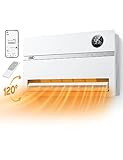
4. Dreo Smart Wall Heater, Electric Space Heater for Bedroom 1500W, 120° Vertical Oscillation, Adjustable Thermostat, Remote Control, 24H Timer, Easy-Mount Heater for Indoor Use, Works with Alexa, WH719S
Overview:
The Dreo Smart Wall Heater combines 1500W PTC ceramic heating technology with intelligent controls for modern homes. Its 120° vertical oscillation distributes warm air evenly throughout rooms, while smart connectivity via the Dreo app, Alexa, and Google Home enables voice and remote operation. The heater mounts on walls, saving floor space, and offers precise temperature control from 41-95°F with 1°F increments. A 24-hour timer and dimming LED panel cater to bedroom use, reducing light and noise during sleep. The package includes a drilling guide and reusable filter for easy maintenance.
What Makes It Stand Out:
Smart home integration is the headline feature, offering scheduling and remote access competitors lack. The oscillating design is unique among wall heaters, eliminating hot spots. Unprecedented 1°F temperature accuracy and bedroom-specific features like auto-dimming display set it apart.
Value for Money:
Priced at a premium, it costs 2-3x basic wall heaters. However, the smart features, oscillation, and precise control justify the price for tech-savvy users. Installation is DIY-friendly, saving professional costs. Long-term value depends on smart home ecosystem integration.
Strengths and Weaknesses:
Strengths include smart controls, oscillation, precise thermostat, quiet operation, and space-saving design. Weaknesses include higher price, app dependency, Wi-Fi requirements, and installation complexity versus plug-in models. It lacks a battery backup for settings.
Bottom Line:
Perfect for smart home enthusiasts wanting automated, precise heating control. The oscillation and bedroom features make it a premium choice for tech-forward households prioritizing convenience and comfort.
5. Comfort Zone 1500W Convection Baseboard Heater with Built-In Thermostat, Overheat & Tip-Over Protection, Dent-Proof Ends, Plug-In Portable, Ideal for Home, Bedroom & Office, White

Overview:
This Comfort Zone portable convection heater provides 1500 watts of silent, fan-free heating for medium-sized rooms. The plug-in design requires no installation, offering immediate warmth with two settings (750W and 1500W) controlled by a built-in adjustable thermostat. Safety features include tip-over shutoff, overheat protection, and a stay-cool body that remains safe to touch. ETL listing confirms reliable operation. The slim, low-profile design with dent-proof end panels blends seamlessly against walls, while whisper-quiet operation suits bedrooms, offices, and dorms. The white finish provides a clean, neutral aesthetic.
What Makes It Stand Out:
ETL certification provides verified safety assurance missing from some competitors. The whisper-quiet operation is ideal for noise-sensitive environments. Dent-proof end panels maintain appearance despite regular movement and use. The white colorway offers broader décor compatibility than black alternatives.
Value for Money:
Competitively priced within the portable heater market, it eliminates installation costs while delivering permanent-heater-like safety features. The ETL listing adds value through certified reliability. For renters or those needing room-specific heating, it provides better ROI than whole-home solutions.
Strengths and Weaknesses:
Strengths include certified safety, silent operation, portability, cool-touch exterior, and versatile white finish. Weaknesses include limited heating range for large spaces, outlet dependency, and less durability than hardwired units. The thermostat may be less precise than digital models.
Bottom Line:
A reliable, safe portable heating solution for supplemental warmth. The ETL certification and quiet operation make it particularly suitable for bedrooms, offices, and family spaces requiring certified safety standards.
6. Comfort Zone Baseboard Space Heater with Digital Thermostat, Electric, Dent-Proof End Panels, Overheat Protection, Tip-Over Switch, & Stay-Cool Body, Ideal for Home, Bedroom, & Office, 1,500W, CZ650B

Overview: The Comfort Zone CZ650B is a premium portable baseboard heater designed for medium-sized rooms. This 1500-watt convection heater combines powerful heating performance with modern digital controls and comprehensive safety features, making it an excellent choice for bedrooms, offices, and living spaces where quiet, reliable warmth is essential.
What Makes It Stand Out: This heater distinguishes itself with a digital thermostat featuring a clear temperature display, a rarity in the baseboard category dominated by manual dials. The dent-proof end panels address a common durability complaint, while the whisper-quiet operation ensures zero disruption to daily activities. Its multi-layered safety system—including tip-over protection, overheat sensors, and stay-cool housing—provides exceptional peace of mind.
Value for Money: Priced in the mid-to-upper range for portable baseboard heaters, the CZ650B justifies its cost through digital precision and robust construction. While basic 1500W heaters start around $60, the added durability features and digital interface represent worthwhile upgrades for users seeking longevity and accurate temperature control.
Strengths and Weaknesses: Strengths include silent operation, comprehensive safety features, durable dent-resistant design, and user-friendly digital controls. Weaknesses are its larger footprint compared to compact models and premium pricing that may exceed budget-conscious buyers’ limits. The 1500W output may also be excessive for small rooms, potentially causing temperature overshoot.
Bottom Line: Ideal for consumers prioritizing safety, durability, and precise temperature control in medium-sized spaces. The digital thermostat and dent-proof construction make it worth the premium over entry-level alternatives.
7. BEYOND HEAT Electric Baseboard Heater, 1500W Convection Heater with Adjustable thermostat and Overheat Protection, Slient Operation for indoor use, White

Overview: The BEYOND HEAT baseboard heater delivers 1500W of convection warmth in a compact, safety-certified package. Measuring just 29.25 inches wide, this ETL-approved unit is engineered for silent operation in bedrooms, offices, and small living areas where space and noise levels are primary concerns.
What Makes It Stand Out: Its ETL certification for US safety standards provides credible assurance often missing from lesser-known brands. The remarkably compact footprint allows placement in tight spaces where traditional baseboard heaters won’t fit. Combined with true silent operation and essential safety features, it offers reliable performance without the premium price tag of digitally-equipped competitors.
Value for Money: Positioned as a budget-friendly alternative to high-end models, this heater delivers core functionality at an attractive price point. While lacking digital controls, it matches premium competitors on safety and quiet operation, making it an intelligent choice for value-seekers who don’t require advanced features.
Strengths and Weaknesses: Strengths include ETL safety certification, ultra-compact design, silent convection heating, and dual heat settings. Weaknesses involve manual thermostat controls that lack precision, limited brand recognition, and basic aesthetic design. The unit’s smaller size may also result in less even heat distribution in larger medium-sized rooms.
Bottom Line: Perfect for cost-conscious buyers needing safe, quiet heating in small to medium spaces. The compact design and ETL approval make it a dependable choice, though temperature control requires manual adjustment.
8. KING 4K1210BW K Series Baseboard Heater, 4’ / 1000W / 120V, Bright White

Overview: The KING 4K1210BW represents a hardwired, permanent heating solution for residential applications requiring consistent, maintenance-free warmth. This four-foot baseboard unit delivers 1000W of natural convection heat through its aluminum ribbon fin element, designed for professional installation in targeted zones.
What Makes It Stand Out: Unlike portable plug-in models, this hardwired heater offers a clean, cord-free aesthetic ideal for finished spaces. The crushproof element and full-length safety cutout demonstrate commercial-grade durability, while the natural convection design eliminates fan noise entirely. Its bright white finish integrates seamlessly with most baseboard trim.
Value for Money: While requiring professional installation costs, the unit itself is competitively priced for hardwired heaters. It offers superior longevity compared to portable units, making it cost-effective for homeowners seeking permanent solutions. The 1000W output is ideal for small to medium rooms, avoiding energy waste from oversized units.
Strengths and Weaknesses: Strengths include durable construction, silent natural convection, clean hardwired installation, and commercial-quality components. Weaknesses are the mandatory professional installation, lack of portability, absence of built-in thermostat, and lower wattage limiting its effectiveness in larger spaces. It’s not suitable for renters or temporary heating needs.
Bottom Line: Best suited for homeowners undertaking renovations or seeking permanent, maintenance-free heating. The hardwired design and durable construction justify installation costs for long-term use, though it’s inappropriate for temporary or portable applications.
9. Cadet Baseboard Heater Ul 120 V/4.17 A White 30 " 500 W

Overview: The Cadet 30-inch baseboard heater offers a lightweight, low-wattage heating solution with remote control convenience. Delivering 500W of convection heat, this unit targets small spaces and supplemental heating applications where minimal power consumption is prioritized over maximum output.
What Makes It Stand Out: The included remote control provides uncommon convenience in baseboard heaters, allowing temperature adjustments without physical contact. Its featherlight 0.34-pound construction and compact dimensions enable effortless repositioning. The dual-unit packaging adds versatility for heating multiple small zones.
Value for Money: The price point is attractive for budget shoppers, but the claimed 1,710 sq ft coverage is highly unrealistic for a 500W unit, potentially misleading consumers. Realistically effective for 100-150 sq ft, its value depends on understanding these limitations. The remote control feature partially offsets the modest heating capacity.
Strengths and Weaknesses: Strengths include remote control operation, ultra-lightweight portability, compact design, and dual-unit packaging. Weaknesses are the drastically underpowered 500W output, unrealistic marketing claims, and limited effectiveness beyond small rooms. The lightweight construction may also indicate less durable materials compared to heavier-gauge alternatives.
Bottom Line: Suitable only for very small spaces or supplemental heating. Buyers must understand the 500W limitation despite inflated coverage claims. The remote control is convenient, but multiple units are needed for practical warmth in standard rooms.
10. EZ-HEAT 1,500 Watt Baseboard Space Heater with Adjustable Thermostat, Dent-Proof End Panels, Overheat Protection, Tip-Over Switch, & Stay-Cool Body, CZ600

Overview: The EZ-HEAT CZ600 is a portable 1500W baseboard heater emphasizing safety and cost-efficiency for medium-sized rooms. With two heat settings, adjustable thermostat, and comprehensive safety protections, it targets budget-conscious consumers seeking reliable supplemental heating without premium digital features.
What Makes It Stand Out: This heater mirrors many Comfort Zone features—dent-proof panels, tip-over protection, overheat sensors, and stay-cool housing—at a potentially more competitive price point. Its focus on cost-efficient heating through targeted zone warming appeals to energy-conscious users. The silent operation matches premium competitors, offering core functionality without frills.
Value for Money: Positioned as a mid-range option, the CZ600 delivers excellent value by bundling desirable safety and durability features typically found in higher-priced units. While lacking digital controls, it provides equivalent heating performance and safety to premium models, making it a smart compromise between basic and luxury heaters.
Strengths and Weaknesses: Strengths include robust safety features, dent-resistant construction, silent operation, and cost-focused design. Weaknesses involve manual thermostat imprecision, limited brand differentiation, and absence of digital display. The similarity to competitors makes it challenging to identify unique advantages beyond potential pricing.
Bottom Line: An excellent choice for safety-conscious buyers seeking quiet, reliable heating without paying for digital extras. Ideal for medium rooms where manual temperature control is acceptable and durable construction is valued.
Understanding Energy Efficient Baseboard Heaters
How Baseboard Heaters Work
Baseboard heaters operate on a simple principle: they draw in cool air through a vent, warm it over heated metal fins, and release the warmed air back into the room through natural convection. This creates a continuous cycle that gradually raises the ambient temperature without the noise or drafts associated with forced-air systems. The efficiency of this process depends heavily on the unit’s design, materials, and control mechanisms. Modern units maximize heat transfer while minimizing energy waste through improved engineering and smarter operation.
Electric vs. Hydronic Systems
You’ll encounter two primary types of baseboard heaters: electric and hydronic. Electric models heat air directly over electrical elements, offering quick response times and simpler installation. Hydronic systems, sometimes called oil-filled or liquid-filled heaters, warm a fluid that retains heat longer, providing more consistent temperatures and reducing the frequency of heating cycles. While hydronic units typically cost more upfront, their ability to maintain warmth with less energy consumption often results in lower operating costs over time, particularly in climates with frequent temperature fluctuations.
Key Features That Drive Efficiency
Thermostat Technology Matters
The thermostat is the brain of your heating system, and its sophistication directly impacts your energy bills. Look for units with electronic thermostats that maintain temperatures within 1-2 degrees of your setting, unlike older mechanical models that can swing 5 degrees or more. Advanced thermostats learn your schedule, adapt to outdoor conditions, and prevent the uncomfortable temperature swings that force you to crank up the heat unnecessarily. For 2026, expect to see even more refined algorithms that predict heating needs based on weather forecasts and your household patterns.
Convection vs. Radiant Heat Distribution
While all baseboard heaters use convection, the most efficient models incorporate design elements that enhance natural air flow. Units with strategically placed aluminum fins, properly angled louvers, and optimized element positioning create stronger convection currents without requiring fans. This means faster, more even heating with less energy. Some advanced designs also incorporate radiant heating principles, warming objects directly in addition to air, which creates a more comfortable environment at lower thermostat settings.
Materials and Construction Quality
The materials used in construction significantly affect performance and longevity. Premium models feature aluminum fins bonded directly to copper heating elements, maximizing heat transfer while resisting corrosion. Heavy-gauge steel cabinets with durable powder coatings maintain their appearance and performance for decades. The thickness and quality of insulation behind the heating element prevents heat loss through the wall, directing more warmth into your living space where it belongs.
Sizing and Placement Strategies
Calculating the Right Size for Your Space
An undersized heater will run continuously and never reach your desired temperature, while an oversized unit cycles on and off frequently, wasting energy and creating uncomfortable temperature swings. The general rule of 10 watts per square foot works for standard 8-foot ceilings in moderately insulated rooms, but you’ll need to adjust for ceiling height, window quality, insulation levels, and climate zone. For 2026, many manufacturers are providing more detailed sizing calculators that account for these variables, helping you avoid the costly mistake of improper sizing.
Optimal Placement for Maximum Efficiency
Location dramatically affects performance. Install heaters on exterior walls beneath windows to counteract cold drafts and create a thermal barrier. Maintain proper clearance—typically 12 inches above the unit and 6 inches from furniture—to ensure unrestricted airflow. Avoid placing heaters near doors that open to unheated spaces, as this forces the unit to work harder. For rooms with unusual layouts, consider multiple smaller units rather than one large heater, creating more even heat distribution and allowing zone control.
Smart Features Transforming 2026 Models
Home Automation Integration
The most significant advancement for 2026 is seamless smart home integration. Modern efficient baseboard heaters offer Wi-Fi connectivity that goes beyond simple app control. These systems communicate with smart thermostats, occupancy sensors, and even window sensors to optimize heating based on actual room usage. When integrated with whole-home systems, they can respond to voice commands, geofencing triggers, and automated routines that adjust temperatures room-by-room based on time of day and occupancy patterns.
Learning Algorithms and Predictive Heating
Next-generation units employ machine learning to understand your household’s unique patterns. They track when rooms are typically occupied, how long they take to reach comfortable temperatures, and how outdoor conditions affect heating requirements. Over time, these systems predict when to start heating so rooms reach your desired temperature precisely when needed—not hours before or after. This predictive approach eliminates the energy waste of maintaining temperatures in empty rooms while ensuring comfort when you arrive.
Zoning Capabilities and Individual Room Control
True efficiency comes from heating only the spaces you’re using. Advanced systems allow you to create independent heating zones, each with its own schedule and temperature settings. This means you can keep bedrooms cooler during the day, warm the home office during working hours, and maintain comfortable temperatures in living areas during evening hours. The energy savings from strategic zoning typically range from 20-40% compared to whole-home heating approaches.
Installation and Setup Considerations
Professional vs. DIY Installation
While electric baseboard heaters are relatively simple to install, proper wiring and circuit sizing are critical for safety and efficiency. A dedicated 240-volt circuit is standard for most units, and undersized wiring causes voltage drop that reduces heating output while increasing energy consumption. Professional installation ensures correct sizing, proper placement, and compliance with local electrical codes. For hydronic systems, professional installation is essential due to the complexity of plumbing connections and fluid management.
Electrical Requirements and Circuit Planning
Most efficient baseboard heaters require 240-volt circuits, which deliver more power with less current draw than 120-volt alternatives. When planning multiple heaters, distribute them across several circuits to avoid overloading. Consider future needs during initial installation—running extra conduit or wire now is far cheaper than retrofitting later. For 2026, look for units with built-in load management features that can coordinate with other high-draw appliances to prevent circuit overloads.
Financial Considerations
Upfront Costs vs. Long-Term Savings
Energy-efficient baseboard heaters typically cost 30-50% more than basic models, but this premium pays for itself through reduced operating costs. A high-efficiency unit in a frequently used room can save $100-300 annually depending on local electricity rates and climate. When evaluating costs, factor in the heater’s lifespan—quality units last 20+ years with minimal maintenance, while cheaper alternatives may need replacement in 10-15 years. The total cost of ownership, not just purchase price, determines true value.
Understanding Energy Consumption Metrics
Manufacturers may advertise various efficiency claims, but focus on the wattage rating and your local electricity cost per kilowatt-hour. A 1,500-watt heater running 8 hours daily uses 12 kWh per day. At $0.12 per kWh, that’s $1.44 daily or about $43 monthly for that single room. Efficient models with better thermostats and heat retention might run only 5-6 hours to maintain the same temperature, reducing costs by 25-30%. Always calculate based on your actual usage patterns and utility rates.
Maintenance and Longevity
Routine Cleaning for Optimal Performance
Dust and debris accumulating on heating elements and fins act as insulation, forcing your heater to work harder. Clean your units thoroughly before each heating season using a vacuum with a brush attachment. Remove the front panel and carefully clean between fins—never use water or cleaning solutions on electrical components. For hydronic units, check for leaks and ensure the fluid level remains adequate. This simple maintenance can improve efficiency by 10-15% and extend the unit’s lifespan.
Seasonal Shutdown and Startup Procedures
In spring, turn off the circuit breaker and clean units one final time before they sit idle through summer. In fall, inspect for any damage, test operation before cold weather arrives, and verify that thermostats respond accurately. For hydronic systems, check fluid levels and listen for unusual sounds that might indicate air in the lines. Proper seasonal care prevents emergency repairs during the first cold snap and ensures efficient operation from day one of heating season.
Safety and Certification Standards
Essential Safety Features
Modern efficient baseboard heaters include over-temperature protection that automatically shuts off the unit if airflow becomes blocked or components overheat. Tamper-resistant construction prevents accidental contact with heating elements—crucial in homes with children or pets. Look for units with thermal cut-off switches that are independently tested and certified. For 2026, enhanced safety features include automatic shutoff when windows are opened and integration with smoke and carbon monoxide detectors.
Understanding Certification Labels
Only purchase heaters bearing UL (Underwriters Laboratories) or ETL (Intertek) certification marks, which indicate rigorous safety testing. Energy efficiency certifications vary by region, but look for units that meet or exceed the latest DOE (Department of Energy) standards. Some manufacturers now provide independent efficiency verification through third-party testing labs. These certifications aren’t just bureaucratic paperwork—they represent real testing that ensures safe, efficient operation and accurate performance claims.
Environmental Impact and Sustainability
Electricity Source Considerations
The environmental impact of your baseboard heater depends entirely on how your electricity is generated. In regions with high renewable energy penetration, electric heating has a minimal carbon footprint. As the grid becomes cleaner through 2026 and beyond, efficient electric heating becomes increasingly sustainable compared to fossil fuel alternatives. Some utilities offer time-of-use rates that reward heating during off-peak hours when renewable energy is abundant, further reducing environmental impact.
End-of-Life Recycling and Materials
Quality baseboard heaters are built with recyclable materials—steel cabinets, copper wiring, and aluminum fins can all be reclaimed at end-of-life. When selecting a unit, consider the manufacturer’s take-back program or recycling policy. Units with modular designs allow for component replacement rather than complete replacement, reducing waste. The most sustainable choice is often a durable, long-lasting unit that won’t need replacement for decades.
Future Trends and Innovations
Emerging Technologies for 2026
The baseboard heating industry is embracing several transformative technologies. Phase-change materials that store heat more effectively than traditional fluids are entering the market, providing even more consistent temperatures with less energy. Advanced sensors now monitor room occupancy, humidity, and even CO2 levels to optimize comfort and efficiency dynamically. Some experimental models integrate with home solar systems, using excess daytime generation to pre-heat thermal mass for evening use.
Integration with Renewable Energy Systems
Forward-thinking homeowners are pairing baseboard heaters with rooftop solar, battery storage, and smart grid integration. Modern units can communicate with home energy management systems to heat when electricity is cheapest or when solar production exceeds household demand. This synergy can reduce heating costs by 50-70% in sunny climates. As battery technology improves and time-of-use rates become more common, this integrated approach will become standard practice for energy-conscious homeowners.
Frequently Asked Questions
How much can I realistically save with an energy-efficient baseboard heater?
In a typical 150-square-foot room, upgrading from a basic to a high-efficiency unit can save $50-150 annually, depending on usage patterns and local electricity rates. The savings multiply when you upgrade multiple rooms or implement zoning strategies.
Are hydronic baseboard heaters always more efficient than electric models?
For spaces used consistently throughout the day, hydronic systems typically offer 15-25% better efficiency due to their heat retention properties. However, for rarely used rooms where quick heat is needed, modern electric models with smart controls may be more practical and equally efficient.
What size circuit breaker do I need for an energy-efficient baseboard heater?
Most 240-volt heaters require a dedicated 20-amp or 30-amp circuit depending on wattage. Always check the manufacturer’s specifications and consult a licensed electrician—undersized circuits create safety hazards and reduce efficiency through voltage drop.
Can I install a smart thermostat on any baseboard heater?
Not all baseboard heaters are compatible with smart thermostats. Line-voltage smart thermostats are specifically designed for 240-volt heating systems and must match your heater’s wattage and voltage ratings. Some modern heaters have built-in smart controls that eliminate the need for external thermostats.
How long should an energy-efficient baseboard heater last?
Quality units typically last 20-25 years with proper maintenance. The heating elements may last even longer, but thermostats and control components often need replacement after 10-15 years. Look for models with easily replaceable components to extend overall system life.
Do baseboard heaters work well in extremely cold climates?
Baseboard heaters can effectively heat spaces even in very cold climates, but they become less efficient as the temperature differential increases. In extremely cold regions, consider supplementing with additional insulation, sealing air leaks, and using multiple smaller units rather than one large heater for better distribution.
What’s the ideal temperature setting for maximum efficiency?
Each degree you lower your thermostat saves approximately 3-5% on heating costs. For occupied rooms, 68-70°F offers a good balance of comfort and efficiency. Lower temperatures to 60-62°F in unoccupied rooms or during sleeping hours for maximum savings.
How do I know if my current baseboard heater is inefficient?
Signs of inefficiency include: running constantly without reaching set temperature, large temperature swings, unusually high electricity bills, noisy operation, or physical damage to fins and elements. If your unit is over 15 years old, newer technology will almost certainly offer significant improvements.
Can baseboard heaters be used as a primary heat source?
Yes, modern efficient baseboard heaters can serve as a primary heat source, especially in well-insulated homes or mild climates. For whole-house heating, a multi-zone approach with individual controls for each room provides the best combination of comfort and efficiency.
Are there tax incentives for installing energy-efficient baseboard heaters?
Many regions offer rebates or tax credits for upgrading to energy-efficient heating systems, though specific incentives vary by location and change frequently. Check with your local utility company, state energy office, and federal programs like the Energy Efficient Home Improvement Credit for current offerings before purchasing.
See Also
- How to Optimize Energy Efficient Baseboard Heaters for Lower Utility Bills in 2026
- Stop High Energy Bills with the 10 Best Energy Efficient Baseboard Heaters in 2026
- Stop High Energy Bills with the 10 Best Energy Efficient Baseboard Heaters This Year
- Stop High Energy Bills with the 10 Best Baseboard Heaters This Year
- Stop High Energy Bills with the 10 Best Energy Efficient Ceramic Heaters in 2026