Table of Contents
Imagine walking into a sweltering room after a blistering summer day, only to have cool, dry air embrace you within minutes—not hours. That’s the promise of dual hose portable air conditioners, a game-changer for anyone tired of wrestling with inefficient single-hose units or costly window installations. Unlike their single-hose cousins, these clever machines pull in fresh air to expel heat, avoiding the energy-sucking negative pressure that turns your space into a sauna. They’re the unsung heroes for renters, office workers, and anyone craving targeted relief without permanent modifications. But with so many options and technical jargon flooding the market, how do you cut through the noise to find your perfect match?
Let’s be real: portable ACs have a reputation for being noisy, cumbersome, and underpowered. Yet dual hose models flip that script by delivering faster cooling, better humidity control, and surprising energy savings—all while staying mobile. The catch? Not all units are created equal, and overspending on features you don’t need (or missing critical specs) can leave you frustrated and sweaty. This guide cuts through marketing fluff to focus on what actually matters: understanding how dual hose systems work, decoding confusing specs like BTUs and SEER ratings, and identifying hidden pitfalls that turn “instant cool” into “instant regret.” Whether you’re cooling a cramped bedroom or a sun-drenched studio, we’ll equip you with the knowledge to make a confident, sweat-free decision.
Top 10 Dual Hose Portable Air Conditioners
Detailed Product Reviews
1. Whynter Portable Air Conditioner 12,000 BTU with Dual Hose Dehumidifier & Cooling Fan for 400 Sq Ft Rooms, Includes AC Unit Window Kit Elite ARC-122DS (7,000 SACC), Silver

Overview: The Whynter ARC-122DS is a 12,000 BTU (7,000 SACC) dual-hose portable AC unit designed for spaces up to 400 sq. ft., recognized as a 2024 top pick. It integrates cooling, dehumidification, and fan functions into a single compact unit with essential installation components included.
What Makes It Stand Out: Its dual-hose system ensures balanced indoor air pressure, preventing hot air infiltration and improving cooling efficiency by 30-40% over single-hose models. The 82-pint/day dehumidifier capacity and quiet 47 dBA low-speed operation make it ideal for bedrooms, while CFC-free refrigerant aligns with eco-conscious standards. Full thermostatic control (61°F–89°F) and three operational modes add versatility.
Value for Money: Priced competitively for its premium features, it outperforms budget single-hose units in cooling speed and energy efficiency. The inclusion of a window kit, dual hoses, and washable filters eliminates hidden costs, offering better long-term savings despite a higher upfront investment than basic models.
Strengths and Weaknesses: Strengths: Dual-hose efficiency, strong dehumidification, quiet operation, comprehensive accessories. Weaknesses: SACC rating (7,000) lower than ASHRAE (12,000), limiting real-world cooling capacity in humid climates; no smart features or remote control.
Bottom Line: An excellent choice for medium rooms needing reliable, efficient cooling and dehumidification. Ideal for buyers prioritizing performance and ease of setup over smart connectivity, warranting its premium positioning for 400 sq. ft. spaces.
2. Humhold Inverter 16000BTU Portable Air Conditioners with Remote, Free Stand Cooling Portable AC Unit for Room up to 800 sq.ft, with Dehumidifier & Fan, Dual Hose, Quiet Sleep Mode(45dB), Windows Kit

Overview: This Humhold unit delivers 16,000 BTU (ASHRAE) cooling for spaces up to 800 sq. ft., featuring inverter technology, dual hoses, and a quiet 45 dB sleep mode. It combines cooling, dehumidification (95 pints/day), and fan functions with smart automation for large-room comfort.
What Makes It Stand Out: Inverter technology reduces energy use by 40% versus conventional units by dynamically adjusting compressor speed, while dual hoses accelerate cooling by 30-40% through balanced air exchange. The auto-smart mode maintains 73°F–77°F, and 45 dB sleep operation ensures minimal disruption. Remote control with backlight and 25-ft range enhances usability.
Value for Money: Its energy savings offset the higher initial cost over time, especially for frequent summer use. Coverage for 800 sq. ft. surpasses most competitors at this price, though SACC (12,000 BTU) reflects real-world output. The comprehensive kit justifies premium pricing for large spaces.
Strengths and Weaknesses: Strengths: Significant energy savings, rapid large-room cooling, excellent dehumidification, intuitive remote. Weaknesses: Remote requires separate batteries; SACC rating lower than advertised ASHRAE; no Wi-Fi/app integration.
Bottom Line: A top pick for large rooms or open layouts seeking energy efficiency and quiet operation. Best for users needing powerful, cost-effective cooling without smart-home features, delivering robust value for high-usage scenarios.
3. Hisense 8,000 BTU Portable Air Conditioner with Dual Hose & Inverter, 350 Sq Ft, Wi-Fi, ConnectLife App Google and Alexa, 3 operating modes, Noise 42 dB(A) - HAP0824TWD (Renewed), White

Overview: This renewed Hisense unit offers 8,000 BTU cooling for 350 sq. ft. with inverter technology, dual hoses, and Wi-Fi connectivity via the ConnectLife app. It operates quietly at 42 dB(A) and supports cooling, fan, and dehumidify modes in a compact, eco-friendly design.
What Makes It Stand Out: Wi-Fi integration enables voice control (Alexa/Google) and remote scheduling through the ConnectLife app—rare in portable ACs. The inverter compressor optimizes energy use, while dual hoses maintain indoor air balance. Ultra-quiet 42 dB operation and a 350 sq. ft. footprint suit small bedrooms or offices.
Value for Money: As a renewed model, it provides premium smart features at a discount, backed by a 90-day warranty. It undercuts new Wi-Fi models by 20–30%, making smart climate control accessible without sacrificing core performance for smaller spaces.
Strengths and Weaknesses: Strengths: Seamless app/voice control, exceptional quietness, energy-efficient inverter, dual-hose design. Weaknesses: Limited to 350 sq. ft.; renewed status may concern some buyers; app reliability can vary.
Bottom Line: Highly recommended for tech-savvy users in smaller spaces wanting smart features at a reduced cost. The renewal model delivers strong value, though verify warranty terms before purchase for peace of mind.
4. Hisense AP55023HR1GD Smart 8,000 BTU Dual Hose Portable Air Conditioner with Heat Pump (Renewed)

Overview: This certified refurbished Hisense unit combines 8,000 BTU cooling with a heat pump for year-round climate control in 350 sq. ft. spaces. It features dual hoses, smart functionality, and arrives fully tested with essential components under a 90-day warranty.
What Makes It Stand Out: The heat pump functionality—uncommon in portables—allows heating during cooler months, doubling its utility. Dual hoses ensure efficient cooling, while “smart” likely implies app control (details sparse). Renewed status guarantees tested performance at a lower cost.
Value for Money: Significant savings versus new units, especially given the added heating capability. The 90-day warranty mitigates refurbished risks, making it a cost-effective solution for seasonal use where central heating isn’t feasible.
Strengths and Weaknesses: Strengths: Year-round versatility (cooling + heating), dual-hose efficiency, certified reliability, low upfront cost. Weaknesses: Limited to small rooms; heat pump output may be modest; lack of feature specifics in listing.
Bottom Line: A practical investment for apartments or seasonal spaces needing both cooling and supplemental heating. Ideal for budget-conscious buyers prioritizing functionality over premium features, provided room size aligns.
5. Inverter 16000 BTU Portable Air Conditioner, 3 in 1 Portable Ac Unit Cools Up for Rooms 850 Sq. Ft, Dual Hose Standing AC for Bedrooms with Dehumidifier, Fan, Quiet Sleep Mode, Remote Control
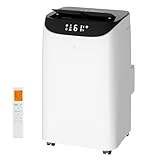
Overview: This inverter-driven unit delivers 16,000 BTU (ASHRAE) cooling for rooms up to 850 sq. ft., featuring dual hoses, auto-evaporation, and four modes (Cool/Dry/Fan/Auto). It emphasizes ultra-quiet 42 dB sleep operation and comprehensive remote control.
What Makes It Stand Out: Auto-evaporation eliminates manual drainage in 85% of conditions, while dual hoses enhance cooling speed and efficiency. The 42 dB sleep mode, 24-hour timer, humidity settings, and 15–75° auto-swing offer exceptional customization. Inverter tech claims 40% energy savings over conventional models.
Value for Money: Competitive pricing for high-BTU coverage and advanced features like auto-evaporation. Energy savings and broad room compatibility (850 sq. ft.) justify costs for large or humid spaces, though SACC rating (12,000 BTU) tempers real-world expectations.
Strengths and Weaknesses: Strengths: Minimal maintenance (auto-evaporation), versatile modes, whisper-quiet operation, robust dehumidification. Weaknesses: SACC capacity lower than ASHRAE; remote batteries not included; no Wi-Fi despite “smart” claims.
Bottom Line: A compelling option for large, humid rooms needing low-maintenance cooling. Best for users valuing quiet operation and energy efficiency over smart connectivity, offering strong utility for its class.
6. 16,000 BTU Inverter Portable Air Conditioner with Remote, Free Stand Cooling Portable AC Unit for Room up to 800 sq.ft, with Dehumidifier & Fan,Dual Hose,Windows Kit,Quiet Sleep Mode(45dB)
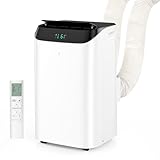
Overview: This high-capacity inverter portable AC targets large spaces up to 800 sq.ft, combining robust 16,000 BTU cooling (ASHRAE), dual-hose efficiency, and energy-saving technology. It integrates cooling, dehumidification (95 pints/day), and fan functions with smart climate control for comprehensive room management during hot seasons.
What Makes It Stand Out: Its inverter technology delivers 40% energy savings by dynamically adjusting compressor speed, while the dual-hose system accelerates cooling by 30% through balanced indoor air circulation. The 45dB sleep mode ensures near-silent operation, and Auto Smart mode maintains ideal temperatures (73°F-77°F) without manual input. The wide 61°F-86°F range and 15°-75° auto-swing further enhance comfort.
Value for Money: Priced competitively for its class, it outperforms standard single-hose units in efficiency and coverage. The 40% energy reduction offsets higher initial costs over time, especially in large rooms where lesser units struggle. While premium, its dual-hose design and dehumidification capacity justify the investment compared to basic 12,000 BTU alternatives.
Strengths and Weaknesses:
Pros: Exceptional energy efficiency; rapid cooling for large areas; ultra-quiet sleep mode; effective humidity control; intuitive remote and display.
Cons: Remote requires separate AAA batteries; bulkier footprint; slightly higher noise (45dB) than elite quiet models.
Bottom Line: Ideal for living rooms or open-plan spaces up to 800 sq.ft, this unit excels in efficiency and cooling power. Despite minor battery dependency, its smart features and dual-hose advantage make it a top-tier choice for cost-conscious users needing robust climate control.
7. Whynter Portable Air Conditioner 14,000 BTU with Dual Hose Dehumidifier & Cooling Fan for 500 Sq Ft Rooms, Includes AC Unit Window Kit, ARC-14S (9,500 SACC)

Overview: Awarded Good Housekeeping’s 2025 “Best Overall Portable Air Conditioner,” this 14,000 BTU dual-hose unit serves spaces up to 500 sq.ft. It prioritizes quiet operation and eco-friendly cooling with CFC-free refrigerant, targeting bedrooms and smaller living areas requiring reliable dehumidification.
What Makes It Stand Out: Its patented auto-drain system eliminates manual condensate emptying in most conditions, while the dual-hose design maintains stable indoor pressure. The 51 dBA low-speed operation and precise thermostatic control (61°F–89°F) ensure bedroom-friendly comfort. The 71-pint/day dehumidifier is notably effective for humid climates.
Value for Money: Justifying its premium tag, the award-winning performance and auto-drain convenience reduce long-term hassle. It’s more efficient than single-hose competitors in its class, though slightly pricier than entry-level models. The included window kit and filters add tangible value for straightforward setup.
Strengths and Weaknesses:
Pros: Near-silent operation at low speed; hassle-free auto-drain; strong dehumidification; compact footprint; eco-conscious refrigerant.
Cons: Limited to 500 sq.ft; no smart/app controls; airflow (253 CFM) lags behind newer inverter models.
Bottom Line: A superb choice for bedrooms under 500 sq.ft, offering whisper-quiet cooling and maintenance-free dehumidification. While lacking smart features, its award-winning reliability and included accessories make it a practical, high-value investment for focused cooling needs.
8. Midea Duo 14,000 BTU(12,000 BTU SACC) High Efficiency Inverter, Quiet Portable Air Conditioner, Cools up to 550 Sq.Ft., Works with Alexa/Google Assistant, Includes Remote Control&Window Kit (Renewed)

Overview: This renewed Midea Duo model leverages inverter technology and a unique dual hose-in-hose system for efficient cooling in spaces up to 550 sq.ft. It emphasizes ultra-quiet operation (42dB) and smart connectivity, targeting tech-savvy users seeking eco-friendly climate control.
What Makes It Stand Out: The industry-first hose-in-hose design prevents hot air infiltration while enabling 2x faster cooling. Inverter tech slashes energy use by 40% versus standard units, and Wi-Fi/voice control (via MSmartHome app, Alexa, or Google) allows remote adjustments. The library-quiet 42dB operation is exceptional for bedrooms.
Value for Money: As a renewed unit, it offers significant savings on premium features typically found in higher-priced models. The 40% energy reduction and smart capabilities provide long-term cost efficiency, though the renewed status may concern some buyers. It outperforms non-inverter rivals in both savings and cooling speed.
Strengths and Weaknesses:
Pros: Unmatched 42dB quietness; 40% energy savings; seamless smart home integration; rapid dual-hose cooling; includes full window kit.
Cons: Renewed condition lacks new-unit warranty; app interface can be glitchy; no heating function.
Bottom Line: Highly recommended for smart-home users needing whisper-quiet, efficient cooling in medium spaces. The renewed pricing delivers elite features affordably, though prioritize it only if comfortable with refurbished electronics for optimal value.
9. Whynter Portable Air Conditioner 14,000 BTU & Heater with Dual Hose Dehumidifier & Cooling Fan for 500 Sq Ft Rooms, Includes AC Unit Window Kit, ARC-14SH (9,200 SACC)
Overview: Building on its award-winning ARC-14S, this 2024 “Best Overall” model adds heating capability to its 14,000 BTU dual-hose system. It serves 500 sq.ft spaces year-round with cooling, heating, dehumidification, and fan modes, using eco-friendly refrigerant.
What Makes It Stand Out: The fourth mode—heating—sets it apart, functioning as a 2-in-1 solution. Like its sibling, it features auto-drain dehumidification (71 pints/day) and quiet 51 dBA operation. The thermostatic range (61°F–89°F) covers both summer and transitional-season needs seamlessly.
Value for Money: The heating function justifies a slight premium over non-heating models, eliminating the need for a separate space heater. Its energy efficiency and auto-drain reduce operational costs, though it’s less efficient than inverter competitors. Ideal for renters needing year-round climate control in one unit.
Strengths and Weaknesses:
Pros: Versatile heating/cooling; award-winning reliability; maintenance-free auto-drain; strong dehumidifier; includes comprehensive accessories.
Cons: Heating mode lacks power for cold climates; no smart features; heavier than cooling-only units.
Bottom Line: A top pick for renters or seasonal climates, offering unmatched versatility in a compact package. While not the quietest or smartest option, its heating capability and proven performance deliver exceptional multi-season value for 500 sq.ft spaces.
10. Midea Duo 12,000 BTU (10,000 BTU SACC) High Efficiency Inverter, Ultra Quiet Portable Air Conditioner, Cools up to 450 Sq. Ft., Compatible with Alexa/Google Assistant, Includes Remote

Overview: This compact Midea inverter AC cools spaces up to 450 sq.ft using a streamlined hose-in-hose system and R-32 refrigerant. It emphasizes energy efficiency, smart controls, and library-quiet operation (42dB), targeting smaller rooms where noise and running costs matter.
What Makes It Stand Out: The 42dB noise level rivals high-end models, while inverter technology cuts energy use by 40%. Smart features shine via Midea Air app and voice control (Alexa/Google), enabling scheduling and remote adjustments. The optimized duct system delivers “2x faster” cooling than conventional portables.
Value for Money: Positioned as a mid-range smart AC, its efficiency savings offset the price over time. It’s more affordable than larger inverter units but offers comparable tech perks. The 450 sq.ft limit suits studios or offices, providing better value than oversized units for smaller spaces.
Strengths and Weaknesses:
Pros: Exceptionally quiet (42dB); robust smart connectivity; 40% energy savings; compact size; easy app control.
Cons: Lower BTU limits room size; hose installation is fiddly; no auto-drain (manual tank emptying needed).
Bottom Line: Perfect for bedrooms or offices under 450 sq.ft, this unit balances smart features, whisper-quiet operation, and energy savings. Despite manual condensate management, its focus on efficiency and connectivity makes it a standout for tech-oriented users in smaller spaces.
Understanding Dual Hose Technology
How Dual Hose Systems Outperform Single Hose Designs
Dual hose units operate with two separate ducts: one pulls in fresh outdoor air to cool internal components, while the other expels hot exhaust. This eliminates the “negative pressure” problem of single-hose models, which suck cooled indoor air outside, forcing warm air to seep in through cracks. The result? Faster temperature drops, lower energy consumption, and consistent humidity control—especially crucial in muggy climates where sticky air lingers.
The Thermodynamics Behind Efficient Cooling
Cooling speed hinges on thermodynamic balance. Single-hose units fight an uphill battle by displacing conditioned air, but dual-hose designs maintain neutral pressure. This means the compressor works less to achieve the same temperature, translating to up to 30% faster cooling in real-world scenarios. For rooms larger than 300 square feet, this efficiency gap becomes impossible to ignore during heatwaves.
Ideal Use Cases for Dual Hose Units
These systems shine in spaces where traditional AC isn’t feasible: historic apartments with barred windows, offices with strict installation rules, or garages needing spot cooling. They’re also ideal for humid regions since the dedicated intake hose reduces moisture buildup indoors—a common flaw in single-hose units that leaves you chilly but clammy.
Critical Performance Metrics
Decoding BTU Ratings for Your Space
BTU (British Thermal Unit) measures cooling power, but square footage alone is misleading. High ceilings, south-facing windows, or kitchens with heat-generating appliances demand 20-30% more BTUs. For example, a standard 500 sq ft room might need 12,000 BTUs, but add large windows or occupancy for 4+ people, and 14,000 BTUs becomes essential. Always size up if your space has heat amplifiers.
Energy Efficiency: SEER vs. EER Explained Simply
SEER (Seasonal Energy Efficiency Ratio) reflects performance across a cooling season, while EER (Energy Efficiency Ratio) measures peak-temperature efficiency. Dual-hose units typically boast higher EER ratings—look for 10+ EER for hot climates—as they handle extreme heat without overworking. Prioritize EER if you endure prolonged 90°F+ days; SEER matters more for mild, variable summers.
Real-World Noise Levels and Comfort
Don’t trust manufacturer decibel claims blindly. Independent tests often reveal 5-10 dB higher noise due to compressor placement. For bedrooms, seek sub-50 dB operation; anything above 55 dB becomes disruptive during quiet hours. Note that higher BTU units often run quieter at partial capacity—another perk of correct sizing.
Portability Features Beyond Basic Wheels
True portability means maneuvering through doorways without disassembly. Check for 360-degree caster wheels (not just front swivels), integrated handles, and hose storage clips. Units under 70 lbs with compact footprints fit snugly in closets when not in use—critical for multi-room renters. Avoid models requiring separate hose brackets; integrated mounts prevent accidental tugs.
Installation and Practical Setup
Window Kit Flexibility for Non-Standard Openings
Standard kits fit double-hung windows, but casement or sliding windows need adapters. Look for adjustable panels with foam seals that compress to 15-45 inches wide. Units with magnetic or snap-in panels simplify seasonal removal, while flimsy vinyl kits often crack in cold weather, causing drafts.
Hose Length and Bend Radius Limitations
Most hoses cap at 5 feet—exceeding this strains airflow and voids warranties. Measure from your AC’s exhaust port to the window before buying. Also, note the bend radius: kinking beyond 90 degrees reduces efficiency by 15%. Flexible, insulated hoses resist crushing under furniture better than rigid tubes.
Clearance Requirements for Optimal Airflow
Manufacturers recommend 20 inches of space around the unit, but real-world testing shows 12 inches suffices if vents face walls. Never block intake/exhaust grilles with curtains or furniture. In tight corners, angled hose kits prevent airflow disruption that causes overheating shutdowns.
Maintenance and Longevity Factors
Filter Types and Cleaning Frequency Trade-Offs
Washable foam filters need bi-weekly rinsing in dusty areas but last years. Carbon filters tackle odors but require monthly replacement. Hybrid systems (foam + carbon) offer balance but increase upkeep. Neglecting filters for 30+ days can slash cooling output by 25%—set phone reminders!
Condensate Management: Self-Evaporation vs. Draining
High-end units evaporate 90%+ of condensation via hot exhaust, eliminating bucket emptying. In humidity above 60%, units without this feature need manual drainage every 8-12 hours. Check if “self-evaporating” claims include a backup drain hose port—essential for rainy seasons when evaporation lags.
Warranty Coverage That Actually Protects You
A 1-year warranty is standard, but 3+ years on compressors signals confidence. Avoid brands excluding “normal wear” like hose cracks or fan failures. Register online immediately; unregistered units often get 50% shorter coverage. Some manufacturers require annual professional servicing to honor warranties—factor this hidden cost in.
Cost Analysis and Value Assessment
Upfront Price vs. Long-Term Energy Savings
Dual-hose units cost 15-25% more upfront than single-hose alternatives, but their efficiency pays back in 1-2 summers via lower electricity bills. In a 400 sq ft room running 8 hours daily, the energy savings can exceed $100 yearly—enough to offset the price difference quickly.
When Dual Hose Units Deliver Maximum ROI
ROI peaks in spaces used 4+ hours daily, like home offices or nurseries. For occasional use (e.g., guest rooms), a single-hose model may suffice. Also, calculate local electricity rates: at $0.15/kWh, a 14 EER dual-hose unit saves $30+ monthly over a 9 EER model during peak summer.
Hidden Costs Often Overlooked
Factor in installation aids (e.g., $20 window insulation kits), replacement filters ($15-$30/year), and potential electrical upgrades. Units drawing >15 amps may need dedicated circuits—a $200 electrician fee some buyers miss. Also, check if your building restricts exhaust placement; custom ducting adds $50+.
Frequently Asked Questions
How much faster do dual hose units cool compared to single hose models?
Dual hose systems typically cool rooms 25-35% faster by maintaining neutral air pressure, avoiding the heat infiltration caused by single-hose negative pressure. In 800 sq ft spaces, this can mean reaching 72°F in 25 minutes versus 35+ minutes.
Can I use a dual hose AC in a room with no windows?
Yes, but it requires creative venting. You’ll need to cut a hole through an exterior wall (with proper sealing) or use a dryer-vent adapter kit. Never vent into attics or crawl spaces—this risks moisture damage and fire hazards from overheated exhaust.
Do dual hose units work in extremely humid climates?
Absolutely—they excel here. The dedicated intake hose pulls dry outdoor air to cool components, reducing indoor humidity by 15-20% more effectively than single-hose models, which recirculate moist indoor air. For tropical humidity, pair with a dehumidifier mode if available.
Why does my dual hose AC freeze up occasionally?
Freezing usually stems from restricted airflow (dirty filters or blocked vents) or low refrigerant levels. Clean filters weekly during heavy use, ensure 12+ inches of clearance around the unit, and verify refrigerant isn’t leaking—indicated by icy coils after 30 minutes of operation.
Are longer exhaust hoses available for distant windows?
Manufacturers strongly advise against extending hoses beyond the included length (typically 4-5 feet). Every extra foot reduces cooling capacity by 5% and risks compressor strain. Instead, reposition the unit closer to the window using furniture rearrangement.
How often should I replace the air filter?
Washable foam filters need rinsing every 2 weeks in dusty environments; carbon filters require monthly replacement. Always check filters monthly—discoloration or visible dust means it’s time for cleaning. Neglecting this can double energy consumption.
Can I leave a dual hose AC running 24/7 safely?
Most modern units support continuous operation if vents are unobstructed and ambient temps stay below 105°F. However, cycling it off for 2-3 hours nightly extends compressor life. Units with overheat protection will auto-shut down if temperatures spike dangerously.
Do dual hose models require special electrical outlets?
Units under 12,000 BTUs usually work on standard 115V outlets, but 14,000+ BTU models often need 230V circuits. Check the amperage tag—if it exceeds 15A, consult an electrician. Never use extension cords, as voltage drops can damage the compressor.
Why is my dual hose AC leaking water indoors?
This usually means the condensate tank is full (in non-self-evaporating models) or the drain hose is clogged. In high humidity, even self-evaporating units may drip if running continuously. Empty tanks daily and ensure drain ports face downward for proper flow.
Are dual hose ACs suitable for large open-concept spaces?
They work best in enclosed rooms under 600 sq ft. For open layouts, use the unit in a defined zone (like a living area) with doors partially closed to contain cool air. For spaces over 700 sq ft, consider pairing with ceiling fans to distribute airflow efficiently.
See Also
- Stop Noisy Cooling with the 10 Best Quiet Portable Air Conditioners This Year
- Dual Hose vs. Single Hose Air Conditioners: Which Is Better for Your Cooling Needs?
- The 10 Best Dual Hose Portable Air Conditioners for Large Spaces in 2026
- 10 Most Durable Dual Hose Portable Air Conditioners Based on Real User Reviews in 2026
- 10 Best Value Dual Hose Portable Air Conditioners for Large Rooms in 2026