Table of Contents
Dorm life brings its own unique charm, but battling a chilly room during winter months? That’s far from charming. Many students find themselves huddled under layers of blankets, struggling with inadequate heating systems that leave drafty corners feeling like arctic outposts. Standard dorm radiators often run either scorching hot or barely warm, with little middle ground, while university fire codes frequently ban traditional plug-in fan heaters outright. This creates a frustrating paradox: you desperately need supplemental warmth, but your options feel dangerously limited or outright prohibited. Navigating this requires a solution designed specifically for tight spaces, strict safety rules, and student budgets—enter the compact oil heater as a potential hero for your cozy survival.
Unlike their noisy, fire-prone counterparts, modern compact oil heaters offer a quiet, steady, and remarkably safe way to take the edge off a cold dorm room. They work by quietly heating thermal oil sealed within their fins, radiating consistent warmth without blowing dust or drying out the air—perfect for shared living where air quality and noise matter. The beauty lies in their passive operation; no fans mean near-silent performance, letting you study or sleep without distraction. But with university regulations constantly evolving and dorm rooms varying wildly in size and layout, choosing the right compact oil heater demands careful consideration. It’s not just about picking the smallest unit; it’s about finding the perfect balance of safety certifications, intelligent features, and space efficiency that meets your specific dorm’s rules and your personal comfort needs. Let’s break down exactly what makes a compact oil heater the ideal dorm companion and how to select your perfect match.
Top 10 Compact Oil Heaters for Dorm Rooms
Detailed Product Reviews
1. PELONIS Radiator Heater for Large Space, Electric Oil Filled Radiator, Dual Knobs, 1500W, Quiet Space Heater, 3 Modes, Tip-over Protection

Overview:
This 1500W oil-filled radiator heater targets large rooms with rapid, even heating. Its oil-based design circulates gentle warmth without drying the air, making it suitable for bedrooms, offices, or living areas where quiet operation is essential.
What Makes It Stand Out:
The dual-knob controls simplify switching between three energy-saving modes (600W/900W/1500W), while the fanless construction ensures whisper-quiet performance. Four heavy-duty casters and a front handle enhance portability across rooms, and comprehensive safety—tip-over shut-off, overheat protection, and a power indicator—adds peace of mind.
Value for Money:
Priced competitively for a 1500W heater, it justifies cost through energy flexibility and durability. While similar models exist, the dual-knob interface and robust casters offer superior usability compared to basic alternatives, especially for whole-room heating needs.
Strengths and Weaknesses:
Strengths: Excellent heat retention, true silent operation, intuitive dual-knob controls, strong portability.
Weaknesses: Initial heat-up time lags behind fan heaters; 1500W mode consumes significant power if used continuously.
Bottom Line:
A reliable, safe choice for medium-to-large spaces seeking consistent, quiet warmth. Ideal for noise-sensitive areas, though budget buyers might prefer smaller models for single rooms.
2. Pelonis Oil Filled Radiator Heater for Large Space, 2025 Upgraded, Space Heaters with 1500W Quiet Warmth Radiant Heater, 3 Heating Modes, Overheat & Tip-Over Protection, Adjustable Thermostat, Black

Overview:
Pelonis’ 2025-upgraded 1500W oil radiator emphasizes efficiency and aesthetics. With 7 fins and high-conductivity thermal oil, it heats large spaces faster while blending into modern decor with its sleek black finish and minimalist controls.
What Makes It Stand Out:
Its 32% improved heat efficiency via advanced fins ensures even 360° warmth distribution. ETL-certified safety covers every component, and post-stabilization silence—no ticking or oil sounds—sets it apart. The adjustable thermostat and elegant design prioritize user experience without complexity.
Value for Money:
Slightly pricier than predecessors, but the efficiency gains and premium build justify the cost. It outperforms older oil heaters in speed and integration, though budget options exist for smaller areas.
Strengths and Weaknesses:
Strengths: Industry-leading heat distribution, flawless silent operation, modern aesthetic, robust safety certifications.
Weaknesses: Higher price point; black finish may show dust more readily than lighter models.
Bottom Line:
A top-tier upgrade for those prioritizing rapid, even heating and seamless home integration. Recommended for larger rooms where efficiency and quietness are non-negotiable.
3. LifePlus Small Oil Filled Heater, Portable Radiant Space Heater with Energy Saving, Overheat Safety, 700W Personal Heater Quiet Work for Small Space Bedroom, Indoor use (White)

Overview:
This compact 700W oil heater is engineered for personal spaces like bedrooms or home offices under 100 sq. ft. Its sealed steel oil tank provides consistent warmth without noise or dry air, targeting users needing discreet, safe supplemental heating.
What Makes It Stand Out:
The ultra-quiet operation (near-silent when stable) and 700W energy cap prevent overheating risks, while the white finish suits minimalist interiors. The permanent oil seal eliminates maintenance—a rarity in budget heaters—and its small footprint fits tight spaces effortlessly.
Value for Money:
An exceptional value for small-room use. At under 700W, it slashes energy costs versus 1500W models, making it ideal for renters or low-usage scenarios where full-room heaters are overkill.
Strengths and Weaknesses:
Strengths: Extremely portable, energy-efficient for personal use, zero maintenance, effective overheat safety.
Weaknesses: Insufficient for rooms over 100 sq. ft.; basic controls lack thermostat precision.
Bottom Line:
Perfect for bedside or desk-side warmth in compact areas. Highly recommended for singles or low-heat-demand users seeking safety and simplicity.
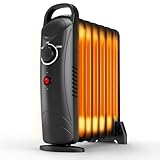
4. Air Choice 700W Oil Filled Radiator Heater, Oil Heaters for Indoor Use with Adjustable Thermostat & 2 Heat Settings, Overheat Protection, Ultra Quiet, Small Space Heater for Bedroom Office Desk, Black
Overview:
Designed for micro-spaces (up to 120 sq. ft.), this 700W heater combines portability with precision. Its under-desk friendly size and dual-heat settings deliver targeted warmth for bedrooms or offices, emphasizing safety and ease of use.
What Makes It Stand Out:
The auto shut-off at 105°F exceeds standard safety, while the compact 15.1" depth allows placement in tight corners. The rotary thermostat offers granular temperature control absent in similar budget heaters, and true fanless silence ensures undisturbed sleep or focus.
Value for Money:
Offers premium features (thermostat, low-profile design) at mid-range pricing. Outperforms competitors in usability for small zones, though 1500W models better suit larger areas despite higher running costs.
Strengths and Weaknesses:
Strengths: Best-in-class compactness, intuitive thermostat, exceptional safety margin, effortless portability.
Weaknesses: Limited to very small spaces; only two heat settings reduce flexibility.
Bottom Line:
The optimal small-space solution for safety-conscious users. Strongly recommended for desks, nurseries, or tiny bedrooms where space and quiet are critical.
5. Amazon Basics Portable Oil Radiator Heater for Indoor Use, 3 Heat Settings, Over-Heat Protection, ETL-certified Safety, 7 Oil-Filled Steel Fins, 1500W, 11"D x 14.8"W x 25.2"H, White

Overview:
Amazon Basics delivers a no-frills 1500W oil radiator heater covering up to 144 sq. ft. With three heat settings and ETL certification, it targets budget-focused buyers needing reliable whole-room warmth in bedrooms or living areas.
What Makes It Stand Out:
The seven oil-filled fins provide extended residual heat after shut-off—a rarity at this price. ETL certification ensures rigorous safety compliance, while caster wheels and a handle maximize mobility. Simplicity defines its appeal: no apps, no gimmicks.
Value for Money:
The most affordable 1500W option reviewed. It matches premium models in core functionality (safety, quietness) but sacrifices design flair. Ideal for cost-driven buyers prioritizing performance over aesthetics.
Strengths and Weaknesses:
Strengths: Unbeatable price, effective residual heating, certified safety, solid portability.
Weaknesses: Basic white finish feels utilitarian; lacks modern features like precise thermostats.
Bottom Line:
A pragmatic, dependable heater for essential use. Highly recommended for budget-conscious households needing robust, safe heating without extras.
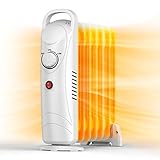
6. Air Choice 700W Small Oil Heater for Indoor Use, Portable Oil Radiator Heater, Overheat Protection, Silent Operation, Adjustable Thermostat, 2 Heat Settings, Compact Electric Heating for Office Desk
Overview:
The Air Choice 700W Oil Heater is a compact radiator designed for personal spaces up to 120 sq. ft. Its oil-filled design promises silent, draft-free warmth ideal for desks, bedrooms, or small offices, featuring a rotary thermostat and dual heat settings for precise temperature control.
What Makes It Stand Out:
Silent convection heating—no fans or disruptive noise—makes it perfect for sleep or focused work. The permanently sealed thermal oil eliminates maintenance, while the tip-resistant base and 105°F overheat cutoff prioritize safety during unattended use. Its slim 15.1" profile fits tight spaces effortlessly.
Value for Money:
Priced modestly for its niche, it outperforms budget fan heaters in comfort and safety. Though limited to small areas, its durability (steel housing, no oil refills) justifies the cost versus cheaper alternatives that lack overheat protection or require frequent replacement.
Strengths and Weaknesses:
Strengths: Whisper-quiet operation; space-saving portability; reliable overheat safety; maintenance-free oil core. Weaknesses: Low power (700W) suits only very small rooms; no timer or digital controls; slower warm-up than fan heaters.
Bottom Line:
Ideal for noise-sensitive environments like bedrooms or studies, this heater excels in safety and simplicity. Choose it for personal, low-traffic spaces—but skip if you need whole-room heating or advanced features.
7. Oil Filled Radiator Heater,Oil Heater with Adjustable Thermostat,Electric Radiator Heater with Overheat Safety,Mini Portable Space Heater,700W

Overview:
This 700W oil-filled radiator targets small-to-medium rooms with basic, reliable heating. Its minimalist design emphasizes portability and safety, featuring thermostat control and automatic shut-offs for worry-free operation in homes or offices.
What Makes It Stand Out:
The dual safety systems—overheat protection and 45° tip-over cutoff—provide robust security. Its lightweight, compact build (15.1" x 5.4" x 12.4") and “no-refill” oil core ensure hassle-free, long-term use without maintenance.
Value for Money:
Affordable for entry-level buyers, though it lacks premium features like timers or digital displays. Competes well with similar oil heaters but offers fewer controls than pricier models. The included satisfaction guarantee adds peace of mind.
Strengths and Weaknesses:
Strengths: Solid safety certifications; ultra-portable; silent operation; durable steel construction. Weaknesses: Basic analog thermostat; no energy-saving modes; limited coverage (max 150 sq. ft.); vague warranty terms beyond “contact us.”
Bottom Line:
A dependable budget option for small spaces needing quiet, safe heat. Opt for this if simplicity and core safety matter most—but consider spending more for smart features or larger coverage.
8. Electactic Portable Small Ceramic Space Heater w/Thermostat, 1200W Indoor Electric Space Heater Fan with Overheat & Tip-Over Protection, Heat Up 200 Square Feet for Office Room Dorm Desk

Overview:
This 1200W ceramic heater combines rapid fan-forced heating with year-round versatility (heater + cool fan). Designed for 200 sq. ft. spaces like dorms or offices, it features thermostat control, quiet operation, and robust safety mechanisms.
What Makes It Stand Out:
The dual 1200W/600W heating modes and summer fan function offer unmatched flexibility. PTC ceramic tech heats rooms in seconds, while sub-45dB noise and flame-retardant materials make it ideal for bedrooms. Its featherlight 2 lbs design enhances portability.
Value for Money:
Excellent for targeted spot heating—saves energy versus central heating. At this price, the rapid warm-up, thermostat precision, and triple safety (tip-over, overheat, fire-resistant) outshine many competitors in its class.
Strengths and Weaknesses:
Strengths: Instant heat; ultra-quiet; compact size; 2-in-1 functionality; strong safety suite. Weaknesses: Fan noise (though low) may disturb light sleepers; small footprint limits air circulation in larger rooms.
Bottom Line:
A top pick for dorms or desks needing fast, adjustable warmth. Prioritize this over oil heaters if speed and versatility matter—but avoid in very large or silent-required spaces.
9. Electactic Portable Ceramic Space Heater w/Thermostat, 1500W Indoor Electric Space Heater Fan with Overheat and Tip-Over Protection, Heat Up 200 Square Feet for Office Room Dorm Use, Silver

Overview:
Upgrading its sibling (Product 8), this 1500W ceramic heater delivers stronger heating for 200 sq. ft. areas. It retains year-round versatility with dual heating modes, thermostat control, and safety features but adds higher wattage for faster room warming.
What Makes It Stand Out:
The 1500W/750W settings provide noticeably quicker heat distribution than 1200W models. Like Product 8, it offers silent operation (<45dB), a cool-air fan, and triple safety—but with enhanced coverage for draftier rooms or colder climates.
Value for Money:
Worth the slight premium over 1200W versions for users needing extra power. The energy-efficient thermostat and portability justify costs versus central heating, especially in well-insulated spaces under 200 sq. ft.
Strengths and Weaknesses:
Strengths: Superior heating speed; precise temperature control; lightweight (3 lbs); ETL safety certified. Weaknesses: Slightly bulkier than Product 8; fan mode still audible in quiet rooms; no timer function.
Bottom Line:
Choose this for faster, stronger warmth in offices or bedrooms where 1200W falls short. It’s the ceramic heater to buy if power trumps absolute silence—but skip if you need scheduling features.
10. hykolity 1500W Oil Filled Radiator Heater with Remote, 24H On Off Timer, Digital Thermostat,4 Mode Electric Radiant Heater, ECO, ETL Overheat & Tip-Over Protection Indoor Space heater,Black

Overview:
The hykolity 1500W oil heater is a premium, feature-rich radiator with remote control, programmable timer, and ECO mode. Engineered for whole-room heating (up to 150 sq. ft.), it merges oil heater safety with smart convenience.
What Makes It Stand Out:
The 24-hour timer and remote enable precise scheduling (e.g., pre-heating before waking). ECO mode optimizes energy use by auto-adjusting output, while 7 H-fins ensure even, dryness-free warmth. Heavy-duty wheels and V-0 fire resistance elevate safety and mobility.
Value for Money:
Priced higher than basic models, but the digital thermostat, timer, and ETL certification deliver exceptional ROI through energy savings and convenience. Outperforms cheaper heaters in automation and long-term efficiency.
Strengths and Weaknesses:
Strengths: Energy-saving ECO mode; intuitive remote/touch controls; robust safety suite; silent operation; effortless portability. Weaknesses: Slower initial heat-up than ceramic heaters; premium cost may deter budget buyers.
Bottom Line:
The definitive choice for hands-off, efficient heating in living rooms or bedrooms. Invest here for automation and safety—but opt for ceramic if instant heat is critical.
Understanding Dorm Room Heating Challenges
Dorm rooms present unique heating hurdles that standard solutions often fail to address. Limited square footage means bulky heaters are impractical, often violating fire code clearances requiring several feet of space around heating units. University housing departments typically enforce strict electrical safety regulations, frequently prohibiting high-wattage appliances or devices lacking specific safety certifications like UL or ETL. Furthermore, shared walls and thin insulation common in older dorm buildings lead to significant heat loss, making localized, efficient heating essential. Students also face budget constraints, needing affordable options that won’t spike electricity bills. Recognizing these specific challenges—space limitations, stringent safety rules, poor insulation, and cost sensitivity—is the crucial first step in identifying a heater that actually works within your dorm’s reality.
Navigating Strict University Safety Regulations
University housing departments implement safety protocols for good reason, but they can feel restrictive. Most institutions explicitly ban portable heaters lacking automatic tip-over switches and overheat protection. Many also require units to have a cool-to-touch exterior, especially important in cramped dorms where furniture might accidentally brush against the heater. Wattage limits are common, often capping supplemental heaters at 1500 watts (the maximum for a standard 15-amp circuit), but some dorms impose even stricter limits. Always obtain written approval from housing authorities before purchasing any heater; policies vary significantly between campuses and even individual buildings. Never assume a heater allowed in one dorm is automatically permitted elsewhere—your safety and housing status depend on strict adherence.
The Critical Importance of Size and Footprint
In a space where every inch counts, the physical dimensions of your heater are non-negotiable. Measure the available floor space where the heater can safely reside, typically under a window or against an interior wall, maintaining the required 3-foot clearance from beds, desks, curtains, and furniture. Prioritize low-profile, narrow designs that tuck neatly into corners without becoming a tripping hazard. Avoid units with wide bases or protruding elements. Remember, height matters too—taller units might interfere with lofted beds or upper bunks. A truly compact footprint (often under 12 inches wide and deep) ensures the heater integrates seamlessly into your dorm layout without sacrificing precious living area.
Why Oil Heaters Excel in Dorm Environments
Oil heaters possess inherent advantages perfectly suited for dorm living. Their sealed thermal oil system provides radiant heat that warms objects and people directly, creating a more comfortable ambient temperature at lower thermostat settings compared to fan-forced heaters. Crucially, they operate completely silently—no disruptive fan noise to bother roommates or break concentration during study sessions. They don’t circulate dust or allergens, a significant benefit in shared spaces with varying sensitivities. The consistent, gentle heat output prevents the uncomfortable on/off cycling common with cheaper heaters, maintaining a stable, cozy environment ideal for sleeping or studying without drafts or sudden temperature swings.
Essential Features for Dorm-Safe Oil Heaters
Selecting a dorm-appropriate oil heater goes far beyond basic functionality. Prioritizing specific safety and usability features ensures compliance with regulations and enhances daily comfort. These features aren’t just nice-to-haves; they’re often mandatory for university approval and essential for peace of mind in a high-traffic student environment. Understanding which features are non-negotiable versus merely convenient will streamline your search and prevent costly mistakes or safety hazards.
Mandatory Safety Certifications Explained
Never purchase a heater without visible, current certification from a recognized testing laboratory like UL (Underwriters Laboratories), ETL (Intertek), or CSA (Canadian Standards Association). These certifications verify the unit has passed rigorous safety testing for electrical faults, fire risk, and structural integrity. Counterfeit certifications are rampant online, so buy from reputable retailers and check the certification mark directly on the product (not just in the listing photos). This certification is the absolute baseline requirement for university housing departments and your personal safety—skipping it is never worth the risk.
The Non-Negotiable Tip-Over Switch
A functional tip-over switch is a critical safety mechanism required by virtually all dorm regulations. This sensor instantly cuts power to the heating element if the unit is accidentally knocked over or tilted beyond a safe angle—common occurrences in busy dorm rooms with limited space. Test this feature upon receiving your heater (following manufacturer instructions) to ensure it works correctly. Don’t assume it’s operational; a faulty switch renders the heater unsafe and likely violates your housing agreement.
Overheat Protection: Your Thermal Guardian
Overheat protection is another indispensable safety layer. This internal sensor monitors the heater’s core temperature and automatically shuts off the unit if it exceeds safe operating limits, such as if ventilation slots become blocked by laundry, papers, or furniture. This prevents potentially dangerous situations where the heater could ignite nearby combustible materials. Ensure this feature is explicitly stated in the specifications; it’s not optional for dorm use.
Cool-to-Touch Exterior Surfaces
Given the cramped quarters of dorm rooms, accidental contact with the heater is a real possibility. A cool-to-touch exterior, particularly on the front and sides, is vital to prevent burns, especially for curious roommates or during late-night trips to the bathroom. While the top grille will naturally be warmer, the main body should remain safe to brush against briefly. Verify this feature through reviews or product specifications, as it’s a common dorm requirement.
Optimizing Performance and Convenience
Beyond safety, features that enhance usability and efficiency make a heater truly dorm-worthy. Students need solutions that integrate smoothly into their dynamic routines without demanding constant attention. Smart features can provide comfort while minimizing energy use and effort, crucial when balancing academics, social life, and a tight budget.
Programmable Thermostats vs. Manual Controls
A precise, adjustable thermostat is essential for comfort and efficiency. Basic dials offer limited control, often leading to overheating (wasting energy) or insufficient warmth. Look for models with clear digital thermostats allowing you to set an exact desired temperature (e.g., 68°F or 72°F). This maintains consistent comfort without constant manual adjustment and significantly reduces energy consumption compared to units that only offer high/low settings or no thermostat at all.
The Value of Multiple Heat Settings
Having multiple heat settings (e.g., 750W, 1500W) provides crucial flexibility. On milder days or in well-insulated spots, use the lower setting to maintain warmth efficiently. Crank it up to full power only when truly needed during deep cold snaps. This adaptability prevents the heater from constantly cycling on and off at full blast, saving energy and extending the unit’s lifespan—key considerations for cost-conscious students.
Timer Functions for Automated Comfort
A built-in timer is a dorm dweller’s best friend. Set the heater to turn on 30 minutes before you wake up for a warm start to the day, or program it to shut off automatically after you’ve fallen asleep. This prevents wasting energy (and money) by running the heater unnecessarily overnight or when you’re in class all day. Timers also add a layer of safety by ensuring the unit doesn’t operate unattended for extended, unplanned periods.
Portability and Handle Design Considerations
While dorm rooms are small, you might need to move the heater occasionally for cleaning or rearranging. Integrated, sturdy handles make this safer and easier. However, avoid overly lightweight units that feel flimsy or unstable—stability is paramount for safety. Consider the weight when filled with oil; some compact models are surprisingly heavy. Ensure any handles are securely attached and positioned for safe lifting without straining.
Energy Efficiency and Cost Management
Understanding the operating costs of your heater is vital for budgeting. While oil heaters are generally efficient at radiating heat, their electricity consumption depends entirely on usage patterns and thermostat settings. Being informed helps avoid unpleasant surprises on your utility bill or, if utilities are included, prevents contributing to higher overall dorm costs.
Decoding Wattage and Electricity Costs
Most compact oil heaters max out at 1500 watts (the standard for a 120V outlet on a 15-amp circuit). Running at full power for one hour consumes 1.5 kilowatt-hours (kWh). To estimate cost, multiply your local electricity rate (found on your bill, e.g., $0.12/kWh) by 1.5. Running it 8 hours nightly at full power could cost around $1.44 per night ($0.12 x 1.5 x 8). Using lower settings and a thermostat dramatically reduces this. Always check your dorm’s specific electrical policies regarding supplemental heaters.
Maximizing Efficiency Through Smart Usage
Your thermostat setting is the biggest factor in energy use. Setting it just 2-3 degrees lower than you might initially want (e.g., 65°F instead of 68°F) can yield significant savings over weeks. Use the heater primarily in the space you’re occupying; don’t try to heat the entire dorm room uniformly if you’re just at your desk. Combine it with draft stoppers on doors/windows and proper bedding for warmth retention—this reduces the heater’s workload and runtime.
Comparing Long-Term Value
While the upfront cost matters, consider the heater’s durability and energy efficiency over its lifespan. A slightly more expensive unit with precise thermostat control and robust construction might save money in the long run through lower energy bills and not needing replacement after one season. Avoid the cheapest models, which often lack reliable thermostats or adequate safety features, posing risks and potentially violating dorm rules.
Installation and Safe Operation Practices
Owning a safe heater is only half the battle; using it correctly is equally critical. Dorm rooms present specific hazards like overloaded power strips, proximity to bedding, and shared living dynamics. Adhering to best practices ensures your heater remains a comfort, not a hazard.
Proper Placement Within Dorm Constraints
Always place the heater on a hard, level floor surface—never on carpets, rugs, or furniture. Maintain the full 3-foot clearance in all directions from anything flammable: beds, curtains, laundry piles, bookshelves, clothing, and paper. Position it away from high-traffic pathways to minimize bumping or tripping hazards. Avoid placing it directly under windows where cold drafts might cause it to run constantly, but ensure it’s not blocked by the window itself.
Electrical Safety: Outlets and Power Strips
Plug the heater directly into a wall outlet. Never use an extension cord or power strip, as these can overheat and cause fires when handling the high current draw of a heater. Check that the outlet is in good condition (no loose plugs, scorch marks). If the plug feels warm during operation, stop using it immediately—this indicates a dangerous circuit overload. Know your dorm room’s circuit layout; running the heater simultaneously with a microwave, mini-fridge, and several laptops on the same circuit can trip breakers or create hazards.
Maintenance for Longevity and Safety
Keep the heater clean! Dust buildup on the fins and vents insulates the unit, causing it to overheat and reducing efficiency. Unplug and let it cool completely, then gently vacuum vents and wipe the exterior with a dry cloth monthly. Never insert objects into the vents. Periodically check the cord for damage. Store it properly during warmer months in its original box or a protective bag to prevent dust accumulation and damage.
Frequently Asked Questions
Frequently Asked Questions
Can I leave a compact oil heater running unattended overnight in my dorm?
Most university policies strictly prohibit leaving any portable heater unattended or operating while sleeping, regardless of safety features. Always follow your specific housing department’s written rules, which typically require manual shut-off before leaving the room or going to sleep.
Will a compact oil heater work effectively in a very small, drafty dorm room?
Yes, oil heaters are well-suited for small spaces. Their radiant heat provides consistent warmth without drafts. Focus on proper sizing (match BTU output to room volume), strategic placement away from major drafts (use draft stoppers on doors/windows), and ensuring the thermostat is set correctly for optimal efficiency in tight quarters.
Do compact oil heaters dry out the air like fan heaters?
No, this is a significant advantage. Oil heaters warm the air through radiation without blowing air, so they don’t reduce humidity levels or circulate dust. This helps maintain more comfortable indoor air quality, especially important during dry winter months in heated buildings.
How long does it take for a compact oil heater to warm up a dorm room?
Initial warmth is felt near the unit within 5-15 minutes as the oil heats, but it takes 30-60 minutes to noticeably raise the ambient temperature in a small dorm room. They provide steady, gradual heat rather than instant blasts, which contributes to energy efficiency and consistent comfort.
Are there specific wattage limits for heaters in most dorms?
Yes, most dorms enforce a maximum of 1500 watts (the standard for a 120V outlet), but some institutions may have stricter limits (e.g., 1200W). Always confirm the exact wattage allowance with your housing office before purchasing, as exceeding it violates safety policies and risks electrical issues.
Can I use a compact oil heater if I have a roommate with allergies?
Generally, yes. Since oil heaters don’t use fans, they don’t stir up dust, pet dander, or other allergens like forced-air systems. This makes them a better choice for allergy sufferers compared to fan heaters, though regular dusting of the unit itself is still important for air quality.
What should I do if my heater’s circuit breaker keeps tripping?
This indicates an overloaded electrical circuit. Immediately stop using the heater. Unplug other high-wattage devices (like microwaves, hair dryers, or multiple gaming consoles) on the same circuit. If tripping persists even with minimal other devices, contact your dorm maintenance—do not attempt to bypass the breaker.
How do I know if the thermostat on my oil heater is working correctly?
Set the thermostat significantly below room temperature—it should turn off. Then set it above room temperature—it should turn on within 10-15 minutes. If it cycles on/off too frequently or not at all when adjustments are made, the thermostat may be faulty, requiring repair or replacement for safety and efficiency.
Is it safe to place furniture near a cool-to-touch oil heater?
No. Even with a cool-to-touch exterior, strict clearance rules (usually 3 feet) from all combustible materials, including furniture, bedding, and curtains, must be followed. Heat radiates outward, and prolonged close proximity can still pose a fire risk regardless of surface temperature.
Can I store my compact oil heater under my bed when not in use during warmer months?
No. Store it unplugged in a dry, cool place, ideally in its original box or a protective bag, away from dust and potential damage. Storing it under a bed, especially near bedding or clothing, creates a fire hazard if accidentally plugged in and violates dorm safety policies.