Table of Contents
Imagine lying in bed, finally drifting off after a long day, only to be jolted awake by the sudden roar of your bedroom heater kicking on. That all-too-familiar scenario shatters peace and steals precious sleep. In our quest for cozy winter nights, the relentless hum, buzz, or blast of many standard heating units transforms what should be a sanctuary into a noisy battleground against the cold. The demand for truly silent bedroom heating isn’t just a luxury; it’s become essential for anyone prioritizing restorative sleep and a tranquil personal space.
Finding effective warmth without the auditory assault requires moving beyond basic space heaters. The technology has evolved significantly, focusing specifically on minimizing sound output while maintaining efficient heating performance. Understanding what truly constitutes “silent” operation in a fan heater context—and knowing which features deliver it—is the critical first step toward reclaiming your quiet nights. This guide cuts through the marketing hype to explore the engineering, features, and considerations that genuinely matter when seeking a bedroom fan heater designed for peaceful slumber, not disruptive noise.
Top 10 Bedroom Fan Heaters
Detailed Product Reviews
1. DREO Tower Fan and Heater Combo, 29.2ft/s Standing Fans for Bedroom, 17 Levels, 6 Modes, 120° Oscillation, 42 Inch, 12H Timer, 25dB Quiet, with Remote, for Office, Large Room, Silver

Overview: The DREO MC706 is a versatile 42-inch tower unit designed for year-round climate control in large rooms. It seamlessly transitions between powerful heating and high-velocity cooling modes, targeting bedrooms, offices, and expansive living areas with its substantial coverage. What Makes It Stand Out: Its standout feature is the integrated Auto-Shift technology enabling instant switching between 12 fan speeds (1585 CFM airflow reaching 40 ft) and 5-level 1500W PTC heating. The ultrawide 120° oscillation, industry-leading 25dB quiet operation, and precise ±1.5°F ECO temperature control (41-95°F) set it apart. The comprehensive 8-layer safety suite, including patented FortPlug and V-0 flame retardant materials, is exceptional. Value for Money: Priced competitively for its dual functionality and premium build, it offers significant savings over buying separate high-end units. The ETL certification, robust safety features, and energy-efficient ECO mode justify the cost, especially for large spaces needing both powerful heating and cooling. Strengths and Weaknesses: Strengths: Unmatched quietness (25dB), exceptional air delivery distance, precise temperature control, extensive safety certifications, remote convenience. Weaknesses: Tower height may not suit very cramped spaces, premium price point higher than basic heaters, no explicit mention of portability handles. Bottom Line: An outstanding all-season solution for large rooms prioritizing quiet operation, safety, and precise climate control; highly recommended for those seeking a single, reliable unit for year-round comfort despite the higher initial investment.
2. shinic Desk Fan and Heater Combo, Portable Cooling Air Circulator Fan, Tip-Over & Overheat Protection, Turbo Fan Space Heater Combo for Indoor Use Office, Bedroom, Living Room, ETL Listed

Overview: The shinic combo is a compact, portable 2-in-1 unit ideal for personal spaces like desks, nightstands, or small rooms. It provides targeted heating (1500W high/750W low) and cooling, emphasizing safety and ease of movement for offices, bedrooms, or dorms. What Makes It Stand Out: Its ultra-compact size (8.7"x6.9"x9.8", 4.3 lbs) and portability are its defining features. The straightforward 3-mode operation (High Heat, Low Heat, Fan), ETL certification, and integrated safety protections (tip-over, overheat, cool-touch housing) make it perfect for confined spaces or frequent relocation without sacrificing core functionality. Value for Money: Offers excellent value as a dedicated personal climate device. Its low cost, lightweight design, and essential features provide affordable spot heating/cooling. While lacking advanced tech like precise thermostats or extreme quietness, it excels as a no-frills, portable solution for individual comfort. Strengths and Weaknesses: Strengths: Highly portable and space-saving, simple intuitive controls, strong safety features (ETL, tip-over, overheat), cool-touch body, quiet enough for personal use. Weaknesses: Limited range/heating capacity for large rooms, basic thermostat (no precise °F increments), no timer or eco-mode, lower max airflow than tower units. Bottom Line: A superb, budget-friendly choice for personal spot heating or cooling in small areas; ideal for desks, bedside tables, or dorm rooms where portability and safety are paramount, though not suited for whole-room heating.
3. DREO Space Heater, Portable Electric Heaters for Indoor Use with Thermostat, Digital Display, 1-12H Timer, Eco Mode and Fan Mode, 1500W PTC Ceramic Fast Safety Heat for Office Bedroom Home, Black

Overview: This DREO portable heater delivers focused, rapid warmth for bedrooms or offices using a 1500W PTC ceramic system. It features precise digital controls, quiet operation, and robust safety mechanisms in a compact, handle-equipped design for easy room-to-room movement. What Makes It Stand Out: The “Hyperamics” heat funnel design claims 200% farther warm air reach than traditional heaters. Key differentiators include ±1°F thermostat precision (41-95°F), ultra-quiet 34dB operation via brushless DC motor and winglet fan, and comprehensive ETL-certified safety (V0 materials, advanced tip-over sensor). The ECO mode and memory function enhance usability. Value for Money: Represents strong value for a premium portable heater. The precision temperature control, exceptional quietness, and extensive safety features justify its price against competitors. The ECO mode potentially lowers energy costs, making it a cost-effective long-term investment for personal space heating. Strengths and Weaknesses: Strengths: Very quiet (34dB), precise temperature control, fast heating with wide reach, excellent safety suite, useful ECO mode/timer/memory, comfortable carry handle. Weaknesses: Fan-only mode airflow less powerful than dedicated fans, digital display might be too bright at night, no remote control included (unlike similar DREO models). Bottom Line: A top-tier portable heater offering an optimal blend of safety, quiet performance, and precise comfort; highly recommended for bedrooms or offices where reliable, unobtrusive heat is essential, especially given its energy-saving ECO features.
4. Dreo Space Heater 1500W, 60° Adjustable Tilt, 10.5ft/s Portable Electric Heaters for Indoor Use with Thermostat, 8 Safety Protections, 3 Modes, Remote, Quiet Desk Heater for Bedroom, Office, Black

Overview: This DREO model focuses on targeted, adjustable warmth with its unique 0°-20°-40°-60° manual tilt feature, ideal for directing heat precisely at your body whether placed on a desk or floor in bedrooms or offices. What Makes It Stand Out: The standout feature is the multi-angle vertical tilt (up to 60°), enabling personalized “full-body warmth” delivery unmatched by fixed or oscillating-only units. It combines this with 1500W Hyperamics heating (53.9% more air output), precise 1°F thermostat increments (41-95°F), ETL-certified 8-layer safety, and quiet 34dB operation, plus a convenient remote. Value for Money: Excellent value for users needing directional heating. The tilt functionality adds significant utility over standard portables, justifying its price. The remote, precise thermostat, quietness, and robust safety make it a versatile, efficient choice for personalized comfort without premium tower-fan costs. Strengths and Weaknesses: Strengths: Unique adjustable tilt for customized warmth, very quiet operation, precise temperature control, strong safety certifications, includes remote, compact desk-friendly size. Weaknesses: Tilt mechanism feels less sturdy than fixed units, airflow direction limited vertically (no horizontal oscillation), heating range smaller than tower models. Bottom Line: Highly recommended for desk or bedside use where targeted, adjustable heat is critical; the innovative tilt feature, quiet performance, and safety make it a superior personal space heater despite slightly limited overall coverage.
5. DREO Space Heater, Portable Electric Heaters for Indoor Use with Thermostat and Remote, 2024 Upgraded, Digital Display, 12H Timer, 5 Mode, 1500W PTC Ceramic Fast Safety Heat for Office Bedroom Home

Overview: Marketed as a 2024 upgrade, this DREO portable heater refines core functionality with a focus on smart control and convenience. It delivers rapid 1500W PTC ceramic heat with enhanced features for effortless use in homes or offices. What Makes It Stand Out: It emphasizes “smart” usability through an enhanced NTC chipset enabling ±1°F thermostat precision (41-95°F) and a comprehensive 5-mode system (Power Heat, ECO, Fan Only, plus Timer/Mute/Child Lock via memory function). The inclusion of a remote control, digital display, and 34dB quiet operation via brushless motor/winglet design are key upgrades over basic models. Value for Money: Offers compelling value as a feature-rich portable heater. The remote, precise thermostat, ECO mode, and quiet operation provide noticeable convenience and potential energy savings, justifying a moderate price premium over simpler units. It’s a cost-effective solution for those prioritizing ease of use. Strengths and Weaknesses: Strengths: Very quiet (34dB), precise temperature control, convenient remote and memory function, excellent safety suite (ETL, V0, tip-over), useful ECO mode/timer. Weaknesses: “2024 Upgraded” claims offer minimal functional difference from Model #3, no unique features like tilt or oscillation, digital display glare possible. Bottom Line: A refined, user-friendly portable heater ideal for those wanting hassle-free, quiet warmth with smart controls; recommended for tech-savvy users seeking convenience, though the “upgrade” offers marginal improvements over previous DREO portables.
6. Small Portable Space Heater for Indoor Use - VOCRS 1500W PTC Electric Heater with Thermostat, Remote Control, 12H Timer, Eco and Fan Mode, Rapid and Safe Heating for Bedroom, Office

Overview:
The VOCRS 1500W PTC heater delivers targeted warmth for small indoor spaces like bedrooms or offices. Its ceramic core ensures rapid heating, while intuitive controls prioritize user convenience and safety for everyday use.
What Makes It Stand Out:
Tri-mode power settings (700W/1000W/1500W) offer precise energy control, and the included remote (batteries not included) enables effortless adjustments from afar. The 1–12-hour timer automates shut-off, and dual safety systems—overheat protection and tip-over shutdown—provide critical peace of mind, backed by ETL certification.
Value for Money:
Priced competitively, it outperforms basic fan heaters with its thermostat accuracy and Eco mode. While lacking oscillation, its robust safety suite and portability justify the cost versus cheaper, less-featured alternatives.
Strengths and Weaknesses:
Strengths: Versatile power modes; clear digital display; strong safety certifications; compact carry handle.
Weaknesses: Remote requires separate batteries; no oscillation feature; fan-only mode less effective than dedicated units.
Bottom Line:
An excellent budget-friendly heater for safety-conscious users needing reliable, quiet warmth in confined spaces—ideal for bedrooms or offices where precise temperature control matters most.
7. Portable Space Heater, 1500W Ceramic Heating Fan with Thermostat, Remote Control, 3 Heating Modes, 70° Oscillation, Ideal for Office, Home, and Bedroom Use

Overview:
This 1500W ceramic heater combines speed and versatility for home or office use. Its PTC technology heats instantly, while oscillation and remote operation enhance comfort across medium-sized rooms.
What Makes It Stand Out:
The 70° oscillation spreads heat evenly—unlike static competitors—and the non-radiative remote works reliably from couch or bed. Advanced safety includes 24-hour auto shutoff and flame-retardant materials, exceeding basic tip-over/overheat protections.
Value for Money:
Slightly pricier than non-oscillating models, but the wide heat distribution and robust safety features (like the 6ft flat cord) offer tangible long-term savings and convenience worth the premium.
Strengths and Weaknesses:
Strengths: Effective oscillation; instant 3-second heat-up; comprehensive safety suite; sturdy build.
Weaknesses: Remote battery not included; thermostat less precise than digital alternatives; noisy on high setting.
Bottom Line:
A top pick for those prioritizing even room heating and safety—highly recommended for offices or living areas where oscillation justifies its cost over simpler models.
8. DREO Space Heater, 1500W Portable Electric Heaters for Indoor Use, PTC Ceramic Heater for Office with Remote, Thermostat, 70°Oscillation, 12H Timer, 5 Modes, Safe Quiet Room Heater for Bedroom
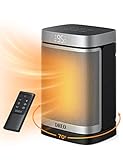
Overview:
DREO’s Atom One heater leverages Hyperamics Technology for rapid, whisper-quiet warmth in bedrooms or offices. Its focus on precision control and near-silent operation sets it apart in the premium segment.
What Makes It Stand Out:
The standout 37.5dB noise level (quieter than a library) and 70° oscillation ensure unobtrusive, wide-area coverage. ECO Mode auto-adjusts to save energy, while Shield360° safety (UL94 V-0 materials) and a 1°F thermostat increment deliver exceptional refinement.
Value for Money:
Priced higher than budget heaters, but justified by the noise reduction engineering and granular temperature control—ideal for light sleepers or focus-intensive workspaces where competitors feel disruptive.
Strengths and Weaknesses:
Strengths: Remarkably quiet; precise thermostat; energy-efficient ECO mode; wide oscillation; premium safety.
Weaknesses: Premium cost; remote requires batteries; oscillation slightly slower than rivals.
Bottom Line:
Worth every penny for noise-sensitive environments—strongly recommended for bedrooms or home offices demanding serene, efficient heating without compromise.
9. Shark TurboBlade Cool + Heat – 2-in-1 Bladeless Tower Fan & Space Heater for Customizable Year-Round Indoor Use, Bedroom, Living Room, & Office | Powerful Cooling + Rapid Room Heating, Charcoal, TH202
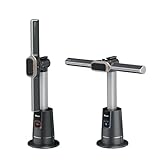
Overview:
Shark’s innovative 2-in-1 unit replaces seasonal appliances with bladeless cooling and intelligent heating in one sleek tower. Designed for year-round comfort in living rooms or offices.
What Makes It Stand Out:
True all-season versatility: 10 cooling speeds and 3 heat modes (including Thermo IQ auto-adjust) eliminate the need for separate devices. Magnetic remote docking and wipe-clean bladeless design enhance practicality, while Air Blanket Mode reimagines airflow direction.
Value for Money:
Higher upfront cost is offset by eliminating a separate fan purchase. The energy-efficient heating and customizable airflow deliver long-term savings, though pure heater seekers may find dedicated units cheaper.
Strengths and Weaknesses:
Strengths: Seamless cooling/heating transition; quiet bladeless operation; easy maintenance; smart auto-temperature control.
Weaknesses: Heating power (1500W) lags behind standalone heaters; bulkier footprint; premium price.
Bottom Line:
A brilliant space-saving solution for year-round climate control—highly recommended for small apartments or offices where versatility trumps maximum heating intensity.
10. Comfort Zone Personal Space Heater, 750/1500W Fan-Forced Electric Heater, Adjustable Thermostat, Tip-Over & Overheat Protection, Cool-Touch, Portable Indoor Heater for Home & Office
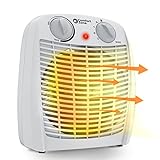
Overview:
This no-frills fan-forced heater focuses on simplicity and safety for personal spaces like dorms or home offices. Its dual-wattage output and cool-touch housing prioritize accessibility.
What Makes It Stand Out:
Energy Save tech reduces consumption by 30% without sacrificing warmth—a rarity in budget heaters. The fan-only mode extends usability year-round, while cool-touch housing ensures safety around kids or pets, a critical differentiator.
Value for Money:
Exceptional for tight budgets. Though basic (no remote or oscillation), its year-round functionality and 30% energy savings outperform entry-level rivals, offering reliable warmth at minimal cost.
Strengths and Weaknesses:
Strengths: Affordable; energy-efficient; cool-touch safety; fan-only versatility; ultra-portable.
Weaknesses: No remote; noisy fan; limited thermostat precision; basic design.
Bottom Line:
The go-to choice for budget-conscious buyers needing safe, no-fuss heating—perfect for dorms, garages, or as a supplemental heater where premium features aren’t essential.
Understanding Noise in Bedroom Heating
Defining “Silent” in Practical Terms
The term “silent” is often used loosely in marketing, but absolute silence from a fan heater is physically impossible. What matters for bedroom use is achieving noise levels low enough to blend into the background of a quiet room, typically below 30-35 decibels (dB) on the lowest settings. This is comparable to a whisper or soft rustling leaves, allowing the sound to fade into subconscious awareness rather than demand attention. Recognizing this realistic benchmark prevents disappointment and helps focus on genuinely quiet models.
How Noise Levels Are Measured and Reported
Manufacturers measure noise output under controlled laboratory conditions, usually at maximum power setting and a specific distance (often 1 meter). However, real-world bedroom performance can differ significantly. Look for independent reviews that test noise levels across all settings, especially the lowest and medium settings you’ll likely use overnight. Pay attention to the type of noise reported—consistent white noise is often less disruptive than sudden whines, clicks, or irregular buzzing.
Why Standard Heaters Are Too Loud for Bedrooms
Conventional fan heaters often prioritize raw heating speed over acoustic comfort. They frequently use brushed DC motors, which generate inherent electrical noise and mechanical whine, coupled with high-RPM fans designed for maximum airflow in minimal time. The plastic housings can also vibrate and amplify these sounds. This combination creates noise profiles (often 45-60+ dB) that are simply too intrusive for the sensitive auditory environment of a sleeping bedroom.
Core Technologies for Quiet Operation
The Critical Role of Brushless DC Motors
The single most significant advancement for silent operation is the widespread adoption of brushless DC (BLDC) motors. Unlike traditional brushed motors, BLDC motors eliminate the physical contact and sparking that causes electrical noise and wear. They operate with significantly smoother rotation, drastically reducing mechanical whine and vibration. This technology is fundamental to achieving the sub-35 dB levels required for unobtrusive bedroom use.
Optimizing Fan Blade Design and Airflow
Quiet heating isn’t just about the motor; it’s about moving air efficiently with minimal turbulence. Advanced fan blade designs, often inspired by aerodynamics (like those found in premium computer cooling), focus on smooth, laminar airflow. Curved blades, optimized angles, and strategic shrouding reduce the whooshing and buffeting sounds common in cheaper models with simple, straight blades. The goal is maximizing heat distribution per revolution while minimizing audible air movement.
Advanced Insulation and Vibration Dampening
Internal components, especially the motor and fan assembly, are primary sources of vibration transmitted through the heater’s structure and into surfaces it rests on. High-quality silent models incorporate multiple layers of vibration-dampening materials—specialized rubber grommets, dense foam insulation, and rigid internal bracing—to absorb these vibrations before they become audible noise. The external housing itself is often thicker and more rigid to prevent resonance.
The Impact of Ceramic Heating Elements
While not directly a noise source, ceramic heating elements (PTC - Positive Temperature Coefficient) contribute indirectly to quiet operation. They heat up and cool down very rapidly, allowing the fan to run at lower speeds for longer periods to maintain a consistent temperature. This avoids the loud cycling on/off of resistive wire elements that require high-speed fan bursts to prevent overheating, leading to a more constant, lower-level sound profile.
Essential Safety Features for Bedroom Use
Overheat Protection: Non-Negotiable Safety
Bedrooms involve proximity to bedding, curtains, and furniture. Automatic overheat protection is absolutely critical. This sensor detects if internal temperatures become dangerously high (e.g., due to blocked vents or placement near flammable materials) and instantly cuts power to the heating element. Ensure the model has this feature certified to relevant safety standards; it’s not optional for safe overnight operation.
Tip-Over Switches: Preventing Accidents
A heater accidentally knocked over while sleeping poses a severe fire hazard. A reliable tip-over switch is mandatory. This internal mechanism instantly shuts off the heater the moment it tilts beyond a safe angle, typically 15-30 degrees. Verify this feature is robust and responsive through reputable reviews, as a faulty switch renders the heater unsafe for unsupervised bedroom use.
Cool-to-Touch Housing: Protecting During Sleep
Especially important in households with children or pets, a cool-to-touch exterior casing prevents accidental burns if someone rolls into or touches the heater in the night. High-quality insulation around the heating element and strategic external housing design ensure the outer surfaces, particularly the front grille and top, remain safe to the touch even during extended operation.
Smart Features Enhancing Nighttime Comfort
True Silent Night Modes
Beyond just low settings, dedicated “Silent Night,” “Sleep,” or “Whisper” modes do more than reduce fan speed. They often combine the lowest possible fan setting with intelligent temperature modulation. Instead of cycling the fan on and off abruptly (which creates disruptive sound changes), these modes maintain a near-constant, ultra-low airflow, resulting in a consistent, barely perceptible hum ideal for deep sleep.
Programmable Timers for Automated Comfort
Manually turning off a heater while half-asleep is risky. Programmable timers allow you to set the heater to run only for the duration you need warmth—perhaps 1-2 hours to take the chill off before sleep, or to maintain a gentle warmth until dawn. This prevents unnecessary runtime (saving energy) and eliminates the worry of the heater running unattended for the entire night if you fall asleep before turning it off.
Remote Control and App Integration for Minimal Disturbance
Fumbling for controls in the dark disrupts sleep. A well-designed remote control, or better yet, reliable smartphone app integration, lets you adjust settings, activate sleep mode, or set timers without leaving the warmth of your bed. Look for remotes with backlit buttons and apps that function reliably on your home network for true convenience.
Selecting the Right Heating Power
Matching Wattage to Room Size
Choosing insufficient wattage forces the heater to run constantly at maximum speed, which is inherently louder and less efficient. Conversely, excessive wattage leads to frequent, noisy cycling on and off as it quickly overshoots the desired temperature. Calculate your room’s approximate cubic footage (length x width x height) and aim for roughly 10 watts per square foot of floor space as a starting point, adjusting for high ceilings or poor insulation.
The Importance of Adjustable Thermostats
A simple on/off thermostat causes loud cycling. A precise, adjustable thermostat is vital for silent operation. It allows you to set your exact desired temperature, prompting the heater to modulate fan speed (on models capable of it) or cycle very gently only when necessary, avoiding the disruptive blast of air associated with basic thermostats kicking in at full power.
Placement and Environmental Considerations
Optimizing Position for Quiet and Efficient Heating
Where you place the heater significantly impacts both noise perception and effectiveness. Position it on a hard, level surface away from walls (at least 3 feet) and furniture to ensure unobstructed airflow. Avoid placing it directly at the foot of the bed where air blasts might hit you; instead, angle it to warm the air circulating around the room. Corner placement often allows heat to radiate effectively with less fan strain.
Managing Airflow Obstructions
Blocked intake or exhaust vents are a major cause of increased noise and potential safety hazards. Ensure the area around the heater, especially the rear and base intakes, is completely clear of rugs, curtains, clothing, or furniture. Dust buildup inside the unit can also cause noise; regular gentle vacuuming of the grilles (when cool and unplugged) maintains optimal airflow and quiet operation.
Understanding Room Insulation Impact
Poorly insulated rooms or those with significant drafts force any heater to work much harder, often running at higher, noisier settings for longer periods. While you can’t change the room overnight, be realistic. If your bedroom is drafty, focus on sealing windows or using heavier curtains first. This reduces the heating load, allowing even a capable silent heater to operate more effectively at its quietest settings.
Energy Efficiency and Running Costs
Evaluating True Energy Consumption
“Silent” shouldn’t mean inefficient. Look for heaters with good energy conversion ratings. Ceramic elements are generally more efficient than basic coil heaters. Models with accurate thermostats and variable fan speeds prevent energy waste from overheating or constant high-power running. While the upfront cost might be higher, the reduced electricity consumption over the heating season often justifies the investment, especially for frequent nighttime use.
The Cost of Quiet: Balancing Initial Price and Long-Term Value
Truly silent fan heaters incorporating BLDC motors and advanced dampening often carry a higher price tag than basic models. However, consider this an investment in sleep quality and safety. Factor in potential energy savings from better efficiency and thermostat control, plus the avoidance of potential hazards from cheaper, less safe units. The long-term value of consistent, quiet, safe warmth typically outweighs the initial cost difference.
Maintenance for Sustained Quiet Performance
Regular Cleaning Procedures
Dust accumulation inside the heater is a primary cause of increased noise over time. It forces the fan to work harder and can create buzzing sounds as particles vibrate against components. Unplug the unit, let it cool completely, and gently vacuum the intake and exhaust grilles monthly. For deeper cleaning (annually or as per manual), carefully remove the front grille if possible and use a soft brush or compressed air to dislodge internal dust—always following the manufacturer’s instructions.
Checking for Loose Components
Over time, vibrations can occasionally loosen internal screws or components, leading to rattling noises. If you notice new or increased rattling, unplug the heater and gently shake it (listening for loose parts). Consult the manual for disassembly instructions if comfortable, or contact the manufacturer. Never operate a heater with suspected internal looseness, as it can be a safety hazard.
Frequently Asked Questions
How quiet is “quiet enough” for a bedroom fan heater?
For most people to sleep undisturbed, a heater operating below 35 decibels (dB) on its lowest setting is ideal. This is comparable to a very quiet library or soft whisper. Noise levels at medium settings should ideally stay under 40 dB. Always check independent reviews measuring sound across all settings, not just the manufacturer’s maximum setting claim.
Can a fan heater truly be silent while heating effectively?
Absolute silence isn’t possible with a fan-based heater, but modern models with brushless DC motors and optimized airflow can operate at levels so low (25-35 dB) that they blend into background room noise, becoming imperceptible during sleep for most individuals, especially when using dedicated sleep modes.
Are oil-filled radiators quieter than fan heaters for bedrooms?
Oil-filled radiators produce no fan noise as they rely on convection, making them inherently quieter in terms of audible sound. However, they heat much slower, take longer to warm a room, and lack precise thermostat control often found in advanced fan heaters. For quick, targeted, and thermostat-controlled warmth without fan noise, they are quieter, but fan heaters offer faster response and more features.
Do silent fan heaters cost significantly more to run?
Not necessarily. While high-quality silent models might have a higher purchase price, their energy efficiency (often due to ceramic elements, precise thermostats, and BLDC motor efficiency) can lead to lower running costs compared to inefficient, noisy models that cycle constantly or run at max power. The key is an accurate thermostat preventing energy waste.
Is a lower wattage heater always quieter?
Not always. A heater significantly underpowered for the room size will run constantly at maximum speed, which is loud. A correctly sized heater (matching room cubic footage) can operate effectively at lower, quieter fan speeds. Aim for the right wattage balance – too low forces loud max operation, too high causes noisy cycling.
Can I use a silent fan heater safely all night while I sleep?
Only if it has essential safety certifications (look for ETL, UL, CSA marks) and features: automatic overheat protection, a reliable tip-over switch, and cool-to-touch housing. Always follow the manufacturer’s instructions regarding placement (clearance from combustibles) and never cover the heater. Never use an uncertified or damaged unit overnight.
Why does my “quiet” heater make noise when it first turns on?
Many heaters have a brief startup sound as the fan motor engages and the heating element begins to warm. Models designed for bedrooms minimize this by gradually ramping up the fan speed rather than an abrupt start. A short (1-2 second) soft hum or whirr at startup is common; persistent loud noises indicate a potential issue.
How do I stop my heater from making a buzzing sound?
Buzzing is often caused by dust buildup vibrating on components or loose internal parts. Unplug, cool, and thoroughly clean the intake/exhaust grilles and interior (if accessible/safe). If buzzing persists after cleaning, it could indicate a failing motor or loose component – stop using it and contact the manufacturer.
Do I need a specific “sleep mode” or is a low fan setting sufficient?
A dedicated sleep mode is highly recommended. It typically combines the absolute lowest fan speed with intelligent thermostat control that avoids abrupt on/off cycling, maintaining a near-constant, ultra-low sound level. A simple low fan setting might still cycle loudly as the thermostat triggers full fan bursts.
How often should I clean my silent bedroom fan heater?
Perform a basic grille vacuuming every 2-4 weeks during heating season. Conduct a more thorough internal cleaning (following the manual’s instructions carefully while unplugged and cool) at least once per season, or more often if you have pets or dusty environments. Regular cleaning is crucial for maintaining quiet operation and safety.
See Also
- 10 Expert-Recommended Bedroom Fan Heaters for Quiet Heating in 2026
- 10 Best Indoor Fan Heaters for Allergen-Free Heating in 2026
- 10 Must-Have Tower Oil Heaters for Silent Heating in 2026
- 10 Best Space Heaters with Oil for Silent Heating in 2026
- The Science Behind Silent Operation Baseboard Heaters: Why Quiet Heating Matters