Table of Contents
As energy costs continue to fluctuate and homeowners seek smarter climate control solutions, baseboard heaters have evolved far beyond the clunky, inefficient units of decades past. The landscape of residential heating in 2026 demands precision, efficiency, and seamless integration with modern smart home ecosystems. Today’s baseboard heating technology offers whisper-quiet operation, sleek architectural profiles, and intelligent energy management that can significantly reduce monthly utility bills while maintaining consistent comfort throughout your living spaces.
Selecting the right baseboard heater requires more than comparing price tags or wattage ratings. This comprehensive guide walks you through the critical factors that separate exceptional heating solutions from underperforming models. We’ll explore everything from advanced thermal dynamics and proper sizing methodologies to smart connectivity features and long-term cost considerations—equipping you with the knowledge to make an informed decision tailored to your specific home configuration and heating needs.
Top 10 Baseboard Heaters
Detailed Product Reviews
1. Cadet F Series 48" Electric Baseboard Heater (Model: 4F1000W, Part: 09954 ), 3415/2560 BTU, 240/208 Volt, 1000/750 Watt, White
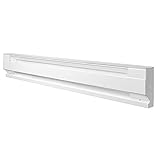
Overview: The Cadet F Series 48" baseboard heater delivers professional-grade heating for small to medium rooms through permanent installation. Operating at 1000/750 watts with dual voltage capability (240/208V), this unit produces 3415/2560 BTU of quiet convection warmth. Designed for hardwired connection, it serves as a primary heat source in bedrooms, offices, or supplemental heat in larger spaces. The crisp white finish blends seamlessly with baseboards for an unobtrusive aesthetic.
What Makes It Stand Out: This heater distinguishes itself with commercial construction and a limited lifetime warranty—rare in residential heating. Universal wiring accommodates left or right-side electrical connections, while pre-punched knockouts at 1-inch intervals simplify installation. The high-temperature safety shutoff provides peace of mind, automatically cutting power if overheating occurs. Unlike portable units, this permanent fixture eliminates cord clutter and delivers consistent, maintenance-free performance for decades.
Value for Money: Priced in the premium range for baseboard heaters, the investment pays dividends through durability and energy efficiency. The dual-wattage selector allows customized output, reducing operating costs in mild weather. Professional installation adds expense, but eliminates the replacement cycle of portable heaters. Compared to cheaper alternatives, the lifetime warranty and robust steel construction justify the upfront cost for homeowners seeking permanent solutions.
Strengths and Weaknesses: Pros: Lifetime warranty ensures long-term reliability; dual voltage compatibility; high-temperature safety shutoff; clean, permanent installation; quiet convection heating; durable steel construction. Cons: Requires professional hardwired installation (no plug); thermostat sold separately; not portable; higher initial investment; limited to 1000W maximum output.
Bottom Line: Ideal for homeowners seeking permanent, reliable heating solutions. The Cadet F Series excels in build quality and safety, making it worth the installation cost for those prioritizing longevity over portability.
2. Cadet F Series 72 in. Electric Baseboard Heater (Model: 6F1500-1W, Part: 05536), 120 Volt, 1500 Watt, White

Overview: This 72-inch Cadet F Series heater provides robust 1500-watt heating at 120 volts, making it accessible for standard residential circuits. Designed for wall-mounted installation, it serves larger spaces than its 48-inch counterpart. The extended length distributes heat more evenly across medium-sized rooms up to 200 square feet. As a hardwired unit, it offers permanent, cord-free heating without occupying floor space, suitable for living rooms or spacious bedrooms requiring consistent warmth.
What Makes It Stand Out: The 120-volt operation eliminates the need for specialized 240-volt wiring, reducing installation complexity and cost. At 1500 watts, it delivers maximum power available on standard circuits, providing substantial heating capacity. The 72-inch profile creates a lower surface temperature across a larger area, improving safety and comfort. Cadet’s reputation for reliability ensures consistent performance, while the extended length minimizes cold spots in rectangular rooms better than shorter units.
Value for Money: Positioned as a mid-range permanent heater, it balances affordability with performance. The 120V compatibility saves electrician fees compared to 240V models. While product descriptions lack detail, Cadet’s brand reliability suggests solid construction. However, the absence of included features like thermostats or advanced controls requires additional investment. For homeowners wanting powerful, permanent heat without electrical upgrades, it represents practical value.
Strengths and Weaknesses: Pros: 1500W power on standard 120V circuit; extended 72-inch length for even heating; no floor space required; reputable brand; lower installation cost than 240V units. Cons: Minimal product documentation; no thermostat included; requires hardwired installation; “Made in China” may concern some buyers; limited safety feature details.
Bottom Line: A solid choice for those needing powerful permanent heating without electrical system upgrades. The 120V compatibility and extended length make it practical for larger rooms, though sparse documentation leaves some questions unanswered.
3. Comfort Zone 1500W Convection Baseboard Heater – Silent Portable Electric Space Heater with Adjustable Thermostat, 2 Heat Settings & Safety Tip-Over Switch – Black

Overview: This portable Comfort Zone baseboard heater delivers 1500 watts of fan-free convection heat in a sleek black package. Designed for plug-and-play operation, it instantly adds supplemental warmth to bedrooms, nurseries, or home offices up to 150 square feet. The unit features two heat settings (750W/1500W) with an adjustable thermostat for customized comfort. Its low-profile design and lightweight construction allow easy relocation between rooms as heating needs change.
What Makes It Stand Out: The silent convection technology eliminates noisy fans, making it ideal for noise-sensitive environments like bedrooms or offices. A comprehensive safety suite includes tip-over protection, overheat sensors, and a stay-cool exterior that remains safe to touch—critical for homes with children or pets. Dent-resistant end panels withstand daily bumps and maintain appearance. The black finish provides a modern alternative to traditional white heaters, complementing contemporary décor.
Value for Money: This heater offers exceptional value for renters and homeowners seeking flexible, temporary heating. Priced competitively with portable heaters, it requires zero installation costs and can follow you through home changes. The dual-wattage setting reduces energy consumption during mild weather, while targeted heating lowers whole-house thermostat demands. Though less powerful than hardwired units, its portability and safety features deliver superior utility for supplemental heating needs.
Strengths and Weaknesses: Pros: Silent operation; tip-over and overheat protection; stay-cool exterior; portable plug-in design; dent-resistant construction; dual heat settings; no installation required. Cons: Limited to 1500W capacity; not suitable for large rooms; occupies floor space; slower heating than fan-forced units; cord limits placement options.
Bottom Line: Perfect for supplemental heating in small spaces where silence and safety are paramount. The portable design and comprehensive protections make it an excellent choice for bedrooms, offices, or nurseries requiring quiet, reliable warmth.
4. Comfort Zone 1500W Convection Baseboard Heater with Built-In Thermostat, Overheat & Tip-Over Protection, Dent-Proof Ends, Plug-In Portable, Ideal for Home, Bedroom & Office, White

Overview: This white Comfort Zone portable baseboard heater mirrors its black counterpart with 1500 watts of silent convection heating for medium-sized rooms. The plug-in design provides immediate warmth without installation, making it perfect for apartments, offices, or supplemental home heating. An integrated adjustable thermostat with two power settings (750W/1500W) maintains consistent temperatures. The slim profile fits discreetly against walls, while the classic white finish integrates seamlessly with most interior trim and décor schemes.
What Makes It Stand Out: Like its sibling model, this unit excels in whisper-quiet operation and comprehensive safety. The ETL-listed protection system includes tip-over shutoff, overheat sensors, and a stay-cool housing that prevents burns. Dent-proof end panels ensure durability despite regular moving and positioning. The combination of silent heating and robust safety makes it uniquely suitable for shared spaces, bedrooms, and home offices where both noise and accident prevention matter equally.
Value for Money: Offering identical value to the black version, this heater provides affordable, flexible heating without permanent commitment. The energy-efficient design allows room-by-room heating, reducing central system runtime and utility bills. While it lacks the digital precision of premium models, the analog thermostat delivers reliable performance at a budget-friendly price point. For cost-conscious consumers wanting portable safety and silence, it represents excellent mid-range value.
Strengths and Weaknesses: Pros: Silent fan-free operation; advanced safety protections; stay-cool exterior; portable plug-in convenience; dent-resistant design; dual heat settings; attractive white finish. Cons: Analog thermostat less precise than digital; 1500W limits room size; requires floor space; heating slower than fan units; cord restricts placement.
Bottom Line: An outstanding portable heater for those prioritizing quiet operation and safety. Choose this white model for seamless integration with light-colored rooms while enjoying the same reliable performance and protection as other Comfort Zone units.
5. Comfort Zone Baseboard Space Heater with Digital Thermostat, Electric, Dent-Proof End Panels, Overheat Protection, Tip-Over Switch, & Stay-Cool Body, Ideal for Home, Bedroom, & Office, 1,500W, CZ650B

Overview: The Comfort Zone CZ650B elevates portable baseboard heating with a digital thermostat for precise temperature management. This 1500-watt convection heater delivers targeted warmth to medium-sized rooms through silent, fan-free operation. The plug-in design offers instant deployment without installation costs, while the digital display provides exact temperature readings and settings. Designed for modern homes, it combines sleek aesthetics with intelligent heating control for bedrooms, offices, or living spaces requiring consistent, accurate warmth.
What Makes It Stand Out: The digital thermostat sets this model apart, allowing precise temperature selection rather than analog guessing. Users can set exact degrees and monitor current room temperature on the clear LED display. This precision optimizes energy usage and eliminates temperature swings. It retains all premium safety features—tip-over switch, overheat protection, and stay-cool housing—while adding dent-proof end panels for durability. The digital interface transforms it from a simple heater into a climate management device.
Value for Money: Priced slightly higher than analog models, the digital upgrade delivers measurable returns through energy savings and comfort. Exact temperature control prevents overheating and reduces wasted electricity, offsetting the premium within one heating season. The ability to maintain precise temperatures in specific rooms allows lower central thermostat settings, cutting whole-home heating costs. For tech-savvy users wanting accuracy without permanent installation, the CZ650B justifies its modest price increase.
Strengths and Weaknesses: Pros: Digital thermostat with precise temperature control; clear LED display; silent convection heating; comprehensive safety system; stay-cool exterior; dent-resistant construction; portable convenience. Cons: Digital interface may confuse non-technical users; still limited to 1500W output; occupies floor space; premium price over analog models; requires manual reset after tip-over.
Bottom Line: The top choice for those wanting portable heating with digital precision. The CZ650B’s exact temperature control and robust safety features make it ideal for energy-conscious users who refuse to compromise on accuracy or peace of mind.
6. Cadet Baseboard Heater Ul 120 V/4.17 A White 30 " 500 W

Overview: This Cadet baseboard heater promises 500W convection heating in a compact 30-inch floor-mount design. The listing includes confusing specifications, claiming two units are included while describing a single-unit weight of 0.34 pounds—an obvious inconsistency that requires buyer verification before purchase.
What Makes It Stand Out: The dual-unit package could provide value for multi-room installations, and the remote control offers modern convenience over traditional manual thermostats. The 120V configuration suits standard residential circuits without requiring dedicated 240V wiring.
Value for Money: Comparable 500W baseboard heaters typically cost $60-$90 each. If genuinely a two-unit pack, this represents exceptional value. However, the implausible specifications—particularly the 1,710 sq ft coverage claim for 500W—suggest significant listing errors that compromise trust in the pricing structure.
Strengths and Weaknesses: Strengths include potential dual-unit packaging and remote operation. Critical weaknesses involve contradictory specifications: impossible weight, unrealistic coverage area, and unclear whether batteries are required. The 4.17A draw correctly matches 500W, but overall spec reliability is questionable.
Bottom Line: Do not purchase without confirming specifications directly with Cadet. While the brand is reputable, this listing contains too many inconsistencies. Verify actual weight, dimensions, unit count, and coverage area to avoid receiving something that doesn’t meet your heating needs.
7. Wall-Mounted Space Heater with ECO Thermostat and Remote Control, LED Display, 60°/90°/120° Oscillation Modes, 24-Hour Timer, Indoor Electric Space Heater

Overview: This modern wall-mounted heater combines energy-efficient heating with versatile oscillation options. The ECO thermostat automatically adjusts power output based on ambient temperature, while three oscillation angles distribute warmth throughout medium-sized rooms. The included remote and LED display provide convenient temperature management from 41°F to 95°F.
What Makes It Stand Out: The adjustable oscillation—offering 60°, 90°, and 120° options—is rare in wall-mounted heaters, allowing customized heat distribution patterns. The child lock feature demonstrates thoughtful family-friendly design, while the 24-hour timer enables precise scheduling for energy savings and comfort optimization.
Value for Money: Wall-mounted heaters with similar smart features typically retail between $120-$180. This model’s combination of oscillation flexibility, ECO mode, and comprehensive safety features positions it competitively within that range, offering solid value for tech-conscious consumers seeking efficient zone heating.
Strengths and Weaknesses: Strengths include versatile oscillation angles, intelligent ECO mode, child safety lock, and responsive customer service with 30-day returns. The primary weakness is that required AAA batteries for the remote aren’t included. Some users may find wall installation more complex than portable alternatives.
Bottom Line: An excellent choice for families needing safe, efficient heating with modern conveniences. The multiple oscillation modes and ECO thermostat make it particularly suitable for living areas where targeted, energy-conscious warmth is prioritized over whole-house heating.
8. Dreo Smart Wall Heater, Electric Space Heater for Bedroom 1500W, 120° Vertical Oscillation, Adjustable Thermostat, Remote Control, 24H Timer, Easy-Mount Heater for Indoor Use, Works with Alexa, WH719S
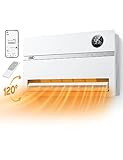
Overview: Dreo’s premium smart wall heater delivers 1500W of rapid heating through vertical oscillation, distributing warmth evenly from floor to ceiling. Integration with Alexa, Google Home, and the Dreo app enables voice and remote smartphone control, while 1°F temperature accuracy maintains precise comfort between 41-95°F.
What Makes It Stand Out: The 120° vertical oscillation uniquely circulates heat vertically, eliminating cold spots more effectively than static wall heaters. Smart scheduling through the app allows automated heating based on daily routines, and the auto-dimming LED panel ensures undisturbed sleep—features that distinguish it from conventional models.
Value for Money: Smart wall heaters typically command $150-$250 premiums. At its price point, the Dreo justifies the investment through superior smart integration, precise temperature control, and thoughtful bedroom-oriented features like brightness adjustment and quiet operation, outperforming basic programmable models.
Strengths and Weaknesses: Strengths include exceptional smart home compatibility, vertical oscillation, precise thermostat, sleep-friendly design, and included installation accessories. The reusable filter is maintenance-friendly. Weaknesses include reliance on WiFi connectivity and a higher price point that may not suit buyers wanting simple manual control.
Bottom Line: Ideal for smart home enthusiasts and bedroom use, this heater’s intelligent features and vertical heat distribution justify its premium. If you value app control, voice commands, and sleep-conscious design over basic functionality, the Dreo WH719S is a top-tier investment.
9. BEYOND HEAT Electric Baseboard Heater, 1500W Convection Heater with Adjustable thermostat and Overheat Protection, Slient Operation for indoor use, White

Overview: This 1500W convection baseboard heater from BEYOND HEAT provides silent, consistent warmth for small to medium rooms. The adjustable thermostat offers two heat settings, while comprehensive safety features including overheat and tip-over protection ensure worry-free operation. Its 29.25-inch length fits discreetly along walls.
What Makes It Stand Out: The combination of ETL certification, dent-proof end panels, and true silent operation creates a safe, durable, and unobtrusive heating solution. The stay-cool body construction adds an extra safety layer rarely emphasized in baseboard heaters, making it particularly suitable for high-traffic areas.
Value for Money: 1500W baseboard heaters typically range from $80-$130. This model’s robust safety certifications, durable construction, and silent operation place it squarely in the mid-range, offering fair value for buyers prioritizing safety and quiet performance over smart features.
Strengths and Weaknesses: Strengths include ETL approval, comprehensive safety systems (tip-over and overheat protection), silent convection heating, and compact portability. Weaknesses include basic manual controls without remote operation, and the 750/1500W two-setting thermostat lacks the precision of digital models. No timer or scheduling features.
Bottom Line: A reliable, no-frills choice for bedrooms, offices, or children’s rooms where silent, safe operation matters most. If you prefer simple, dependable heating without smart technology complexity, this ETL-certified heater delivers essential performance with excellent safety credentials.
10. EZ-HEAT 1,500 Watt Baseboard Space Heater with Adjustable Thermostat, Dent-Proof End Panels, Overheat Protection, Tip-Over Switch, & Stay-Cool Body, CZ600

Overview: The EZ-HEAT CZ600 delivers 1500W of efficient convection heating for medium-sized rooms. This baseboard heater emphasizes safety with a tip-over switch, overheat protection, and stay-cool body. Dent-proof end panels maintain appearance over time, while the adjustable thermostat provides two heat settings for customized comfort.
What Makes It Stand Out: The explicit focus on cost-efficient zone heating sets this apart from competitors that merely list features. The dent-proof construction addresses a common baseboard heater vulnerability, ensuring longevity in busy households. Its whisper-quiet operation maintains peaceful environments without the fan noise of forced-air alternatives.
Value for Money: Similar 1500W baseboard heaters range from $70-$120. The EZ-HEAT justifies its position in this bracket through superior durability features and a clear value proposition on energy savings. The robust safety suite adds confidence for budget-conscious buyers seeking reliable performance without premium pricing.
Strengths and Weaknesses: Strengths include comprehensive safety systems, durable dent-resistant design, silent operation, and targeted heating cost savings. Weaknesses include manual controls without remote or smart features, and the basic two-setting thermostat offers less precision than digital alternatives. No built-in timer limits scheduling flexibility.
Bottom Line: A practical, durable heating solution for cost-conscious consumers prioritizing safety and silence over technology. Perfect for supplemental heating in bedrooms or offices where physical durability matters. Choose this over smart models if you want reliable warmth without connectivity complications or premium costs.
Understanding Baseboard Heater Technology in 2026
How Convection Heating Works
Modern baseboard heaters operate on refined convection principles that create natural air circulation without forced-air fans. Cool air enters through bottom vents, passes over heated elements, and rises to warm your room through gentle, consistent thermal currents. This silent operation eliminates the noise pollution associated with traditional furnace systems while distributing heat more evenly across occupied spaces. Understanding this mechanism helps you appreciate why placement and clearance specifications matter more than raw power output.
Hydronic vs. Electric Systems
The fundamental choice between hydronic and electric systems shapes your entire heating strategy. Electric models heat metal fins directly using electrical resistance, providing rapid response times ideal for occasional-use spaces. Hydronic systems circulate heated fluid—typically oil or water-based solutions—through sealed tubes, retaining warmth far longer after cycling off. This thermal inertia makes hydronic units exceptionally efficient for sustained heating in frequently occupied rooms, though they command higher initial investments and slower initial warmup periods.
Advances in Heating Element Materials
Recent breakthroughs in heating element composition have revolutionized efficiency benchmarks. Nichrome alloys with ceramic cores now dominate premium offerings, delivering faster heat-up times while consuming 15-20% less electricity than traditional steel elements. Some manufacturers incorporate graphene-enhanced coatings that improve heat transfer uniformity and resist corrosion, extending operational lifespans beyond 20 years under normal usage conditions.
Key Efficiency Metrics to Evaluate
Understanding Wattage and BTU Ratings
Wattage directly correlates to heating capacity, with approximately 10 watts required per square foot in standard 8-foot ceiling rooms. However, this baseline fluctuates dramatically based on insulation quality, window efficiency, and climate zone. BTU ratings provide alternative measurement—multiply watts by 3.41 to convert. The key insight: higher wattage doesn’t guarantee better performance; matching capacity to your specific thermal load prevents energy waste from excessive cycling.
Energy Factor Ratings Explained
The Energy Factor (EF) rating quantifies how effectively a heater converts electricity into usable warmth while accounting for standby losses. In 2026, look for units boasting EF ratings above 0.98 for electric models and 0.85 for hydronic systems. These metrics, now standardized across manufacturers, provide apples-to-apples comparisons that transcend marketing claims. A heater with superior EF rating can save hundreds annually even if its purchase price runs 30% higher than less efficient alternatives.
Programmable Thermostat Compatibility
Built-in thermostats vary wildly in sophistication. Basic bimetallic switches offer crude temperature control with 3-5 degree swings, causing uncomfortable fluctuations. Modern electronic thermostats maintain precision within 0.5 degrees and integrate with room sensors for zone-specific comfort. Verify compatibility with external smart thermostats before purchasing—some budget models lack low-voltage wiring connections, limiting your upgrade options.
Sizing Your Baseboard Heater Correctly
Calculating Room Square Footage
Begin with precise measurements, multiplying length by width for baseline square footage. Then apply critical multipliers: add 10% for rooms with exterior walls on two sides, 15% for three exterior walls, and 25% for spaces above unheated garages or crawl spaces. These adjustments ensure adequate capacity without oversizing, which leads to short-cycling and premature component failure.
Factoring in Ceiling Height and Insulation
Standard calculations assume 8-foot ceilings. For each additional foot, increase wattage requirements by 12-15%. Insulation quality dramatically impacts these figures—R-13 wall insulation represents the modern minimum, while poorly insulated older homes may require 30-40% additional capacity. Conduct a basic energy audit using thermal imaging or hire professionals to assess heat loss before finalizing heater size.
Climate Zone Considerations
Your geographic location fundamentally alters heating demands. Zone 7 regions (northernmost states) require 15-20 watts per square foot, while Zone 1 (southernmost) may need only 7-10 watts. The 2026 IECC climate zone map provides definitive guidance, but local microclimates matter—valley locations or wind-exposed properties should size up one category for consistent comfort during extreme weather events.
Installation Considerations for Optimal Performance
Wall-Mounted vs. Floor-Mounted Options
Traditional floor-mounted units sit directly on the floor, requiring minimal installation expertise but limiting placement flexibility. Wall-mounted configurations, gaining popularity in 2026, suspend 6-12 inches above floor level, improving heat distribution and simplifying cleaning underneath. However, they demand sturdy wall construction and professional mounting to ensure safety and code compliance.
Electrical Requirements and Circuit Capacity
Most 240-volt units require dedicated 20-amp circuits, though high-capacity models may need 30-amp service. Assess your electrical panel’s spare capacity before purchasing—upgrading from 100-amp to 200-amp service adds $1,500-3,000 to project costs. For older homes, consider low-wattage 120-volt models that can share existing circuits, though heating performance diminishes significantly.
Placement for Maximum Efficiency
Install heaters on exterior walls beneath windows to counteract cold downdrafts, maintaining 12-inch clearance from window treatments and 6 inches from furniture. Avoid placing units near doors or high-traffic areas where airflow gets blocked. For open-concept spaces, position heaters strategically to create thermal barriers that prevent heat migration to unused zones.
Smart Features and Modern Controls
Wi-Fi Connectivity and App Integration
2026’s premium heaters offer native Wi-Fi connectivity without external hubs, enabling remote temperature adjustments, energy usage tracking, and scheduling through smartphone apps. Look for models supporting 5GHz networks for reliable connectivity and offering offline functionality during internet outages. Geofencing capabilities automatically adjust temperatures based on your smartphone’s location, ensuring comfort upon arrival while saving energy during absences.
Voice Control Compatibility
Alexa, Google Assistant, and Apple HomeKit integration have become standard expectations. Verify that voice commands support granular functions beyond simple on/off—requesting specific temperatures, activating eco-modes, and querying energy consumption should all work seamlessly. Some manufacturers restrict voice control to basic functions while reserving advanced features for proprietary apps.
Learning Algorithms and Adaptive Heating
Cutting-edge models employ machine learning to analyze your schedule, occupancy patterns, and even local weather forecasts, automatically optimizing heating cycles. These systems learn how long specific rooms take to reach target temperatures, pre-heating accordingly to avoid uncomfortable waits. The most sophisticated versions integrate with utility company APIs to reduce consumption during peak pricing periods, maximizing savings without sacrificing comfort.
Energy Source Options Explained
Electric Resistance Heating
Electric baseboard heaters remain the most common option, converting 100% of consumed electricity into heat. While efficient at point-of-use, their overall efficiency depends on your electricity source’s generation method. In regions with clean energy grids, they represent environmentally responsible choices. Modern units feature staged heating elements that activate only necessary portions, reducing energy waste in mild weather.
Hydronic Fluid Systems
Hydronic heaters circulate heated fluid through sealed tubes, offering superior heat retention that reduces cycling frequency. The fluid continues radiating warmth for 30-45 minutes after the element shuts off, smoothing temperature fluctuations. These systems excel in primary heating roles for well-insulated homes, though their complexity requires professional installation and occasional fluid replacement.
Dual-Fuel Capabilities
Emerging hybrid systems can switch between electric and alternative energy sources like natural gas or propane during extreme cold snaps when electric rates spike. While rare in 2026, these units provide energy security and cost optimization for off-grid applications or regions with volatile utility pricing. They require specialized installation and venting considerations but offer unparalleled operational flexibility.
Design and Aesthetic Considerations
Low-Profile and Slimline Designs
Contemporary baseboard heaters measure as little as 2.5 inches deep, disappearing into modern architectural profiles. These slimline designs sacrifice some internal airflow space but compensate with more efficient element layouts. For renovations where wall depth is limited, these models prevent heating solutions from dominating visual space while delivering comparable performance to bulkier traditional units.
Color and Finish Options
Gone are the days of institutional beige as the only choice. Manufacturers now offer 20+ standard colors plus custom RAL matching for seamless integration with your décor. Powder-coated finishes resist scratches and discoloration better than painted surfaces, maintaining appearance over decades. Textured matte finishes hide dust and fingerprints, reducing cleaning frequency in high-traffic areas.
Customizable Lengths and Configurations
Modular systems allow purchasing standard lengths (2-8 feet) that connect in series for continuous runs along irregular walls. Some manufacturers offer corner connectors and end caps that create built-in appearances. For bay windows or architectural niches, custom-length units can be ordered, though lead times extend 6-8 weeks and prices increase 30-40% over standard sizes.
Safety Features and Certifications
Overheat Protection Mechanisms
Thermal cutoff switches that disconnect power if internal temperatures exceed safe thresholds are non-negotiable features. Premium models include redundant sensors and self-diagnostic circuits that test safety systems during each startup sequence. Look for units that display error codes when protection activates, helping diagnose airflow blockages or component failures before they become hazards.
Tip-Over Switches and Stability Features
While primarily relevant to portable baseboard heaters, some permanent-mount models incorporate tip-over protection for added safety. Wall-mounted units should include anti-tamper brackets that prevent unauthorized removal, particularly important in rental properties or homes with curious children. All models must meet stability standards that prevent forward tipping even when used as temporary drying racks (though this usage is discouraged).
UL and ETL Certification Standards
Underwriters Laboratories (UL) and Intertek (ETL) certifications verify that products meet rigorous safety standards. In 2026, look specifically for UL 2021 compliance, which addresses updated requirements for smart connectivity and electromagnetic interference. These certifications ensure heaters won’t interfere with Wi-Fi networks or other electronic devices while maintaining fire safety and shock protection.
Cost Analysis: Beyond the Purchase Price
Initial Investment vs. Operating Costs
A $200 budget heater might seem attractive until you calculate its $500 annual operating cost versus a $400 efficient model costing $350 yearly to run. Over a 15-year lifespan, the “expensive” unit saves $1,650. Always annualize total ownership costs when comparing options. Hydronic systems typically cost 2-3 times more initially but can reduce operating expenses by 30% in suitable applications.
Installation Expenses to Budget For
DIY installation of electric units saves labor costs but risks code violations and insurance issues. Professional installation averages $150-300 per unit, including proper circuit installation and wall modifications. Hydronic systems demand $500-1,000 per unit due to plumbing connections, fluid charging, and system balancing. Factor in $200-400 for electrical panel upgrades if circuits are insufficient.
Expected Lifespan and Replacement Cycles
Quality electric heaters last 15-20 years with minimal maintenance. Hydronic units can exceed 25 years but require element replacement every 10-12 years at $100-150 per unit. Budget models using inferior materials may fail within 5-7 years, making their low purchase price deceptive. Check warranty lengths as quality indicators—5+ year warranties suggest manufacturer confidence in longevity.
Maintenance and Longevity Factors
Cleaning and Dust Management
Dust accumulation on heating elements reduces efficiency by insulating heat transfer and creates burning odors. Monthly vacuuming with a brush attachment prevents buildup. Annual deep cleaning involves removing front panels and gently cleaning fins with compressed air. Never use liquid cleaners on elements, and ensure power remains disconnected during all maintenance to prevent shock hazards.
Component Wear and Replacement
Heating elements gradually lose efficiency as oxidation builds up, typically showing 10-15% performance degradation after 10 years. Thermostats wear faster, with mechanical models requiring replacement every 5-7 years. Premium electronic thermostats last 10+ years but may become obsolete as smart home standards evolve. Keep replacement element part numbers accessible, as manufacturers discontinue support for older models.
Professional Servicing Recommendations
Schedule professional inspection every 3-5 years for hardwired units to verify electrical connections remain tight and insulation hasn’t degraded. Hydronic systems benefit from annual servicing to check fluid levels, test for leaks, and verify pump operation. Technicians can identify subtle issues like voltage drops or imbalanced circuits that homeowners might miss but that significantly impact efficiency and safety.
Environmental Impact and Sustainability
Recyclable Materials and Manufacturing
Leading manufacturers now use 80%+ recycled aluminum for housings and steel elements sourced from sustainable mills. Powder-coating processes have eliminated VOC emissions, and packaging uses biodegradable materials. Check for ISO 14001 environmental management certification, which verifies responsible manufacturing processes. Some companies offer take-back programs that recycle old units when purchasing replacements.
Energy Source Carbon Footprint
Electric baseboard heaters are only as clean as your grid power. In coal-dependent regions, they indirectly emit 2-3 pounds of CO2 per kWh. Conversely, hydroelectric or wind-powered grids make them virtually carbon-neutral. Consider pairing heaters with rooftop solar to achieve true zero-emission heating. Hydronic systems using natural gas boilers have lower direct emissions but lose efficiency through distribution losses.
End-of-Life Disposal Considerations
Heating elements contain recyclable metals but may include trace heavy metals requiring proper disposal. Many municipalities classify them as electronic waste, mandating drop-off at certified recycling centers. The aluminum housing recycles indefinitely, while steel components have high scrap value. Some manufacturers prepaid disposal fees in purchase prices, simplifying responsible retirement of old units.
Common Mistakes to Avoid When Shopping
Oversizing or Undersizing Units
Oversized heaters cycle constantly, creating temperature swings and premature wear while wasting energy. Undersized units run continuously, failing to reach target temperatures and consuming maximum power without delivering comfort. Both scenarios increase operational costs and reduce lifespan. Always perform detailed load calculations rather than guessing or rounding up “for safety.”
Ignoring Noise Level Ratings
While baseboard heaters operate silently, expansion and contraction of elements and housings create clicking sounds. Budget models may produce audible pops and ticks every heating cycle, disturbing light sleepers. Look for decibel ratings below 25 dB, and read reviews focusing on noise complaints. Units with engineered expansion joints and cushioned element mounts minimize acoustic disturbances.
Overlooking Warranty Terms
Warranty fine print reveals much about product quality. “Limited lifetime” warranties often cover only the housing, with elements carrying 1-2 year terms. Understand what triggers void conditions—improper installation, voltage fluctuations, or using units in commercial settings commonly nullify coverage. Some warranties require online registration within 30 days, a step many buyers miss.
Integration with Home Heating Systems
Zoning and Independent Control
Baseboard heaters excel in zoned heating strategies, allowing room-by-room temperature control that central systems cannot match. Each unit operates independently, eliminating energy waste on unoccupied spaces. For open floor plans, group multiple units on a single thermostat to create micro-zones. Smart systems can coordinate dozens of units, optimizing whole-house efficiency while respecting individual room preferences.
Compatibility with Smart Home Ecosystems
Verify Matter protocol support for maximum compatibility across platforms. Thread networking provides more reliable connectivity than Wi-Fi for heater-to-heater communication in mesh configurations. Avoid proprietary protocols that lock you into single-brand ecosystems, limiting future expansion. The best systems offer open APIs for integration with home automation platforms like Home Assistant or Hubitat.
Supplemental vs. Primary Heating Roles
Baseboard heaters serve different purposes depending on climate and home efficiency. In mild climates, they function as primary heat sources for entire homes. In colder regions, they supplement central systems by warming specific zones like bedrooms or home offices. Understanding your intended role determines sizing strategy, feature requirements, and budget allocation. Supplemental heating demands less capacity but benefits from faster response times.
Warranty and Support Considerations
What Standard Warranties Cover
Most warranties cover manufacturing defects in materials and workmanship for 5-10 years on housings and 1-5 years on elements. Thermostats typically carry separate 1-2 year terms. Damage from power surges, improper installation, or environmental factors like moisture usually falls outside coverage. Read warranty documents before purchasing to identify exclusions that might affect your specific installation scenario.
Extended Protection Plans
Retailers pitch extended warranties covering 10-15 years, often including accidental damage and power surge protection. These plans make sense for premium hydronic units costing $800+, where replacement represents significant financial loss. For standard electric models under $300, extended warranties rarely justify their cost—put that money toward a higher-quality unit instead. Calculate the expected failure rate versus plan cost before deciding.
Manufacturer Support Quality
Technical support accessibility proves crucial during installation and troubleshooting. Premium brands offer 24/7 phone support, detailed online installation videos, and active user forums. Budget manufacturers may provide only email support with 48-hour response times. Check BBB ratings and online reviews specifically mentioning support experiences before committing to a brand, as poor support can turn minor issues into major frustrations.
Future-Proofing Your Investment
Emerging Technology Compatibility
Heaters purchased in 2026 should support over-the-air firmware updates to remain compatible with evolving smart home standards. Matter protocol adoption ensures interoperability with future devices, while modular designs allow upgrading thermostats or connectivity modules without replacing entire units. Avoid heaters with fixed-function electronics that cannot adapt to new protocols or features.
Modular Upgrade Options
Some premium systems allow adding components later—start with basic heaters and add smart thermostats, occupancy sensors, or remote-control modules as budgets allow. This incremental approach spreads costs while keeping options open. Verify that basic models include necessary wiring and communication backbones to accept upgrades, as some budget lines lack expansion capabilities.
Resale Value and Home Appeal
Energy-efficient heating systems increasingly influence home appraisals and buyer interest. Homes with documented low heating costs and smart HVAC integration command 2-5% price premiums. Keep all documentation, energy audits, and warranty information organized for future buyers. Uniform heater models throughout a home appear more intentional and valuable than mixed brands suggesting piecemeal replacements.
Frequently Asked Questions
How do I calculate the correct wattage for my room?
Measure room square footage and multiply by 10 watts for standard 8-foot ceilings with decent insulation. Adjust upward for poor insulation, high ceilings, or cold climates—add 25% for each factor. For example, a 150 sq ft bedroom with good insulation needs 1,500 watts, but the same room in a poorly insulated northern home might require 2,250 watts. Always perform detailed load calculations rather than using rough estimates.
Are hydronic baseboard heaters worth the extra cost?
Hydronic systems justify their 2-3x price premium in frequently occupied rooms where they run continuously. Their heat retention reduces cycling by 50-70%, delivering noticeable energy savings in suitable applications. However, for guest rooms or spaces used only occasionally, electric models’ faster response times and lower cost make more sense. Evaluate your usage patterns and payback timeline before deciding.
Can I install baseboard heaters myself?
DIY installation is legally permissible for hardwired units in most jurisdictions, but electrical code compliance is mandatory. You’ll need to pull permits, pass inspections, and understand load calculations, wire gauge requirements, and AFCI/GFCI protection rules. Mistakes create fire hazards and insurance issues. Unless you’re experienced with electrical work, professional installation ($150-300 per unit) provides peace of mind and maintains warranty validity.
What’s the difference between 120-volt and 240-volt models?
240-volt heaters deliver twice the heating power on the same amperage, making them far more efficient for primary heating. They require less circuit capacity and produce less voltage drop over long wire runs. 120-volt units suit supplemental heating or installations where 240-volt circuits aren’t feasible, but they consume more electricity per BTU produced. For whole-room heating, 240-volt systems are always preferable when possible.
How long do baseboard heaters typically last?
Quality electric baseboard heaters last 15-20 years with minimal maintenance. Hydronic units can exceed 25 years but require periodic element replacement. Budget models using thinner materials may fail within 5-7 years. Lifespan heavily depends on usage intensity, voltage stability, and cleaning diligence. Units in vacation homes with seasonal use can last 30+ years, while heaters in constant-use rental properties may need replacement in 10-12 years.
Do baseboard heaters work with solar panels?
Baseboard heaters pair excellently with solar photovoltaic systems, creating a zero-emission heating solution. Size your solar array to cover winter heating loads, which often exceed annual averages. Consider battery storage to store midday solar production for evening heating demand. Smart heaters with scheduling capabilities can automatically increase consumption during peak solar production hours, pre-warming thermal mass to ride through evening hours without drawing from the grid.
Are baseboard heaters safe for homes with children?
Modern baseboard heaters include multiple safety features making them safer than many alternatives. Surface temperatures stay below 180°F, reducing burn risks compared to older models exceeding 250°F. Tamper-resistant covers prevent small fingers from accessing heating elements, and thermal cutoff switches prevent overheating if airflow gets blocked. Teach children not to place objects on or against heaters, and never use them to dry clothing.
How much maintenance do baseboard heaters require?
Electric models need minimal maintenance—monthly vacuuming of fins and annual deep cleaning suffice. Hydronic systems require annual fluid level checks and professional servicing every 3-5 years. Avoid using heaters as shelves or drying racks, which introduces dust and fire hazards. Keep airflow paths clear and promptly address any unusual noises or odors. This light maintenance burden compares favorably to furnace filter changes and duct cleaning required by forced-air systems.
Can baseboard heaters cause dry air like forced-air systems?
Baseboard heaters do not actively dry air like forced-air systems because they don’t circulate air across heating elements rapidly or push it through ductwork. However, any heating system raises indoor air temperature, which lowers relative humidity. The effect is milder with baseboard heaters—expect 5-10% humidity reduction versus 15-25% with forced air. Using a separate humidifier in winter helps maintain comfortable 30-50% relative humidity levels.
What should I do if my baseboard heater smells like burning?
First, turn off the heater and inspect for dust buildup on elements—this causes most burning smells. Vacuum thoroughly and wipe housing with a dry cloth. If the smell persists, check for melted objects or debris inside the unit. Persistent electrical burning odors indicate failing elements or loose connections—immediately disconnect power and call an electrician. Never ignore burning smells, as they can signal imminent fire hazards or component failures requiring professional diagnosis.
See Also
- Top 10 Best Baseboard Heaters for Home Heating Efficiency in 2026
- The 10 Ultimate Best Hydronic Baseboard Heaters for Whole-Home Heating in 2026
- Top 10 Best Baseboard Heaters for Efficient Room Heating in 2026
- How to Choose the 10 Best Electric Fireplace Heaters for Efficient Heating in 2026
- Stop High Energy Bills with the 10 Best Energy Efficient Baseboard Heaters in 2026