Table of Contents
Leaky ductwork can silently drain hundreds of dollars from your energy budget each year while compromising your home’s comfort and air quality. That seemingly minor tear or loose connection in your HVAC system forces your heating and cooling equipment to work overtime, creating temperature inconsistencies between rooms and allowing dust, allergens, and even pests to infiltrate your air supply. Aluminum foil tape has emerged as the go-to solution for these repairs, offering a unique combination of heat resistance, durability, and vapor barrier properties that standard duct tape simply cannot match.
Understanding what separates a reliable, long-lasting seal from a temporary fix that fails within months requires more than grabbing the first shiny roll you see at the hardware store. The right aluminum foil tape for your specific ductwork repair depends on multiple factors including temperature exposure, duct material compatibility, adhesive chemistry, and compliance with building codes. This comprehensive guide walks you through everything you need to know to make an informed decision, ensuring your repairs stand the test of time while keeping your HVAC system running efficiently and safely.
Top 10 Aluminum Foil Tape
Detailed Product Reviews
1. Aluminum Foil Duct Tape Heavy Duty Waterproof, Premium Silver Metal HVAC Heat Tapes (2"*65Feet,3.9mil), High Temperature, Dryer Vent Insulation Tape for Ductwork, Ducting, Sealing, Patching, Furnace

Overview: This heavy-duty aluminum foil tape delivers a robust solution for HVAC sealing and repairs. Measuring 2 inches by 65 feet with a 3.9-mil thickness, it balances durability with flexibility. The tape claims an impressive temperature resistance of 120°C long-term and 350°C short-term, making it suitable for demanding applications like dryer vents and furnace work. Its waterproof construction and pressure-sensitive adhesive promise reliable performance across various surfaces.
What Makes It Stand Out: The standout feature is the exceptionally high short-term temperature rating of 350°C, significantly exceeding most competitors that typically peak around 150-180°C. This makes it ideal for emergency repairs near high-heat equipment. The moderate 3.9-mil thickness prevents easy tearing while maintaining conformability to irregular surfaces. Its multi-purpose design handles everything from ductwork sealing to metal surface patching, while the UV-resistant and flame-retardant properties ensure longevity in harsh conditions.
Value for Money: At standard pricing for its size, this tape offers compelling value if the temperature ratings prove accurate. The 65-foot length provides ample material for multiple projects, and the heavy-duty construction reduces waste from tears. However, the unknown brand means you’re trusting manufacturer claims without 3M’s proven track record. For budget-conscious buyers needing high-heat capability, it’s attractive, though professionals might prefer verified performance.
Strengths and Weaknesses: Pros: Exceptional short-term heat resistance, waterproof and UV-resistant, moderate thickness balances strength and flexibility, leaves no residue. Cons: Brand lacks established reputation, temperature claims may be optimistic, shorter than some competitors (20 yards vs 50 yards).
Bottom Line: An excellent choice for DIY enthusiasts and homeowners tackling high-temperature applications where verified professional-grade specs aren’t critical. The temperature rating makes it uniquely suited for dryer vent repairs and furnace work, though professionals should verify performance before critical applications.
2. Romeda Aluminum Foil Tape, 2 inch x 65 Feet Foil Tape (3.9 mil), Silver Insulation Adhesive Metal Tape, High Temperature Heavy Duty HVAC Tapes for Ductwork, Dryer Vent, HVAC
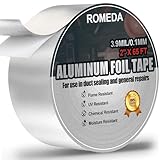
Overview: Romeda’s aluminum foil tape offers a mid-range solution for HVAC maintenance and general sealing tasks. The 2-inch by 65-foot roll features a 3.9-mil thickness designed for optimal balance between strength and pliability. With a pressure-sensitive adhesive backing, it targets residential and light commercial applications including duct sealing, pipe insulation, and temporary metal repairs. The tape promises consistent performance across temperature variations.
What Makes It Stand Out: This tape excels in user-friendliness. The manufacturer specifically engineered it for easy edge separation—a common frustration with foil tapes—allowing quick application without tools. The 3.9-mil thickness hits the sweet spot: robust enough to resist tearing during installation, yet flexible enough to conform to irregular surfaces. It maintains persistent adhesion across temperature swings while resisting moisture and UV degradation, making it reliable for outdoor applications.
Value for Money: Positioned as a budget-friendly alternative to premium brands, Romeda delivers solid specifications at a competitive price point. The 65-foot length matches industry standards, providing sufficient material for typical home HVAC projects. While it lacks the extreme temperature ratings of some competitors, its moderate pricing reflects realistic performance expectations for non-industrial use, offering good value for homeowners and maintenance staff.
Strengths and Weaknesses: Pros: Easy to separate and apply, moderate thickness prevents tearing, UV and moisture resistant, leaves no residue, competitive pricing. Cons: Short-term temperature rating of 130°C seems unusually low (possibly a typo), limited brand recognition, not suitable for extreme high-heat applications.
Bottom Line: A practical, user-friendly option for standard HVAC sealing and general repairs. Best suited for homeowners and maintenance professionals working on typical residential systems where extreme heat resistance isn’t required. The easy-application design saves time and frustration, making it ideal for DIY projects.
3. 3M Aluminum Foil Tape 3340, 2.5" x 50 yd, 4.0 mil, Silver, HVAC, Sealing and Patching Hot and Cold Air Ducts, Fiberglass Duct Board, Insulation, Metal Repair

Overview: 3M’s Aluminum Foil Tape 3340 represents the gold standard for professional HVAC applications. This premium tape measures 2.5 inches by 50 yards (150 feet) with a 4.0-mil total thickness, featuring a 2.0-mil aluminum foil backing and pressure-sensitive acrylic adhesive. Engineered for vapor sealing and duct closure, it operates reliably from -40°F to 300°F, making it suitable for both refrigerated and high-heat environments.
What Makes It Stand Out: The 3M brand name alone signals quality, but the specifications back it up. The extended 150-foot roll provides 2.3 times more material than standard 65-foot rolls, reducing job interruptions. The poly-coated kraft paper liner ensures the adhesive remains pristine until application. Its proven performance on fiberglass duct board, rigid fiberglass, and flexible ducts demonstrates versatility that generic brands can’t match. The operational temperature range covers virtually any HVAC scenario.
Value for Money: While priced at a premium, the 3M tape delivers exceptional value for professionals. The longer roll length means fewer roll changes and less waste, while the reliable adhesion prevents costly callbacks. For critical applications where failure isn’t an option, the investment pays for itself. DIYers may find it overpriced for one-time use, but contractors save money through proven performance and durability.
Strengths and Weaknesses: Pros: Trusted 3M quality, extended 150-foot roll, excellent low-temperature performance, superior chemical and moisture barrier, works on multiple duct types. Cons: Higher cost per roll, 2.5-inch width may be excessive for small joints, overkill for simple temporary repairs.
Bottom Line: The undisputed choice for HVAC professionals and facilities managers who demand proven reliability. Worth every penny for critical sealing applications, commercial installations, and any job where tape failure would be catastrophic. Homeowners with extensive ductwork should consider it for long-term peace of mind.
4. ETERART Aluminum Foil Duct Tape Heavy Duty,High Temperature Sealing and Patching,Perfect for HVAC,Air Ducts,Metal Repair,Foamboard,Insulation,Dryer Vent and More,2 Inches x 20 Yards,Silver

Overview: ETERART positions its aluminum foil tape as a heavy-duty solution emphasizing clean removal and industrial-strength adhesion. The 2-inch by 20-yard (60-foot) roll targets users needing reliable sealing with the option for later repositioning or removal. Designed for HVAC, metal repair, and insulation applications, it promises strong holding power without the permanent commitment of traditional foil tapes.
What Makes It Stand Out: The residue-free removal technology sets this tape apart. While most foil tapes leave adhesive residue or damage surfaces when removed, ETERART’s advanced adhesive formulation allows clean removal by hand. This makes it ideal for temporary repairs, equipment maintenance schedules, or rental properties. The industrial-strength adhesive still provides high tensile strength and shear resistance during use, ensuring it won’t fail prematurely. The company’s 24/7 customer support demonstrates confidence in the product.
Value for Money: The 60-foot roll is shorter than standard 65-foot competitors, slightly reducing value. However, the unique residue-free feature justifies a modest premium for specific applications. For contractors performing maintenance rounds or homeowners who frequently adjust their setups, the clean removal saves surface preparation time and material costs. It’s a specialized tool rather than a bulk commodity.
Strengths and Weaknesses: Pros: Clean, residue-free removal, industrial-strength adhesion, 24/7 customer support, easy hand-tearing, versatile indoor/outdoor use. Cons: Shorter roll length (60 vs 65 feet), unknown brand longevity, may lack extreme temperature ratings of competitors.
Bottom Line: Ideal for maintenance professionals, property managers, and DIYers who prioritize clean removal. Perfect for temporary repairs, seasonal adjustments, and situations where surface preservation matters. For permanent installations, traditional permanent tapes offer better value, but for flexible maintenance, this is unmatched.
5. Romeda Aluminum Foil Tape, 3 inch x 65 Feet (3.9 mil), Insulation Adhesive Metal High Temperature Heavy Duty HVAC Tape, Silver for Ductwork, Dryer Vent, HVAC
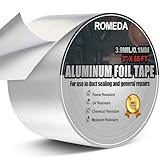
Overview: Romeda’s extra-wide aluminum foil tape delivers the same reliable performance as their standard version but with a 3-inch width for enhanced coverage. The 65-foot roll maintains the optimal 3.9-mil thickness, providing industrial-strength sealing for larger ductwork, broader seams, and applications where minimizing tape layers is crucial. This tape targets both residential and commercial HVAC systems requiring efficient installation.
What Makes It Stand Out: The additional inch of width reduces installation time on large ducts by covering more surface area with each strip. This means fewer seams, potentially better air seals, and faster project completion. The tape retains Romeda’s user-friendly characteristics: easy edge separation, wrinkle-free application, and strong pressure-sensitive adhesive. For sealing duct board or wide gaps, this width eliminates the need for parallel tape strips, creating a more professional finish.
Value for Money: The wider tape offers excellent value when covering large surfaces. While priced higher than 2-inch versions, the cost per square foot typically remains competitive, and labor savings justify the expense. For small repairs, the extra width may be wasteful, but for extensive ductwork, it’s more economical than double-taping with narrower rolls. The 65-foot length ensures you won’t run out mid-project.
Strengths and Weaknesses: Pros: Extra width speeds large-area coverage, reduces seam count, maintains easy-application features, 3.9-mil thickness prevents tearing, UV and moisture resistant. Cons: Overkill for small joints and repairs, slightly higher upfront cost, may require more precise alignment, same temperature rating limitations as narrower version.
Bottom Line: The perfect choice for HVAC professionals and homeowners tackling large-diameter ductwork or extensive sealing projects. The 3-inch width dramatically improves efficiency on big jobs while maintaining quality. For minor repairs, stick with 2-inch versions, but for major installations or renovations, this wider tape saves time and potentially creates better seals.
6. NUITPY 3 Pack Aluminum Foil Tape, 3.9 mil 2" x 150 Feet Total Foil Tape, Silver High Temperature Tape, Metal Tapes, Seal HVAC Tape, Insulation Foil Tape for Ductwork, HVAC, Dryer Vent, Seal

Overview: The NUITPY 3 Pack Aluminum Foil Tape delivers a practical solution for homeowners and DIY enthusiasts tackling HVAC maintenance and household repairs. This set provides three individually wrapped rolls, each measuring 2 inches by 50 feet, totaling 150 feet of 3.9 mil thick silver foil tape. Designed for versatility, it handles everything from sealing dryer vents and ductwork to minor metal repairs and cable shielding, making it a solid addition to any home improvement toolkit.
What Makes It Stand Out: This tape hits the sweet spot with its 3.9 mil thickness—robust enough to resist tearing yet pliable enough for smooth application. The pressure-sensitive adhesive offers aggressive bonding without leaving sticky residue upon removal, a rare combination that protects surfaces. Each roll’s individual packaging prevents degradation during storage, ensuring fresh adhesive when you need it. The tape performs reliably in high-temperature environments, maintaining its grip where standard duct tapes fail.
Value for Money: At approximately 150 feet across three rolls, this multi-pack offers excellent cost-effectiveness for varied projects. You’re essentially getting bulk pricing without committing to a single massive roll. For homeowners managing multiple repair tasks—kitchen sealing, automotive fixes, and HVAC maintenance—this package eliminates repeated purchases. It competes favorably with single-roll alternatives, providing flexibility and convenience that justifies the modest price premium over economy options.
Strengths and Weaknesses: Strengths include the balanced thickness, strong residue-free adhesion, individual wrapping, and versatility across indoor/outdoor applications. The three-roll format allows concurrent projects without interruption. Weaknesses: the 2-inch width may require multiple strips for larger ductwork, and the aggressive adhesive could damage delicate surfaces if removed incorrectly. The 3.9 mil thickness, while ideal for most uses, may be slightly overkill for simple labeling tasks.
Bottom Line: The NUITPY 3 Pack is an intelligent choice for DIYers seeking reliable, no-mess aluminum foil tape for diverse household applications. Its thoughtful packaging and well-engineered adhesive formula make it a dependable performer that balances quality, quantity, and convenience.
7. BOMEI PACK Aluminum Foil Tape,Heavy Duty Metal Foil Tape,High Temperature Silver Duct Tape,Perfect for Sealing & Patching,HVAC,Air Ducts,Insulation and Metal Repair (3 Inch)

Overview: BOMEI PACK’s Aluminum Foil Tape distinguishes itself with an extra-wide 3-inch profile designed for professional-grade sealing and patching applications. This single 90-foot roll of heavy-duty silver tape provides substantial coverage for large ductwork, metal repairs, and insulation projects. Engineered to withstand extreme temperatures while delivering waterproof performance, it targets users who need broader coverage and reliable adhesion in demanding environments.
What Makes It Stand Out: The standout feature is undoubtedly the 3-inch width—nearly 50% broader than standard 2-inch tapes—allowing fewer overlaps and faster application on large surfaces. The thicker foil and backing paper construction prevents curling and wrinkling, enabling clean, efficient installation. It maintains flexibility across temperature extremes, conforming to irregular surfaces while providing durable, waterproof sealing that protects against moisture and weather infiltration.
Value for Money: While priced higher than narrow alternatives, the 90-foot length and extra width deliver tangible value for contractors and serious DIYers. You cover more area with less tape, reducing labor time and material waste. For sealing extensive duct systems or large metal surfaces, this roll’s dimensions translate to direct cost savings compared to using multiple narrow rolls. The professional-grade performance justifies the investment over cheaper, thinner options that may fail prematurely.
Strengths and Weaknesses: Strengths include the generous width, excellent waterproofing, temperature resistance, and easy-peel design that saves installation time. The conformable backing adheres well to both smooth and irregular surfaces. Weaknesses: at 3.2 mil, it’s thinner than some heavy-duty competitors, potentially sacrificing some durability. The single-roll format lacks the project flexibility of multi-packs, and the width may be excessive for small, precise repairs.
Bottom Line: BOMEI PACK’s 3-inch tape is ideal for professionals and homeowners with substantial HVAC or metal sealing projects. Its width advantage and reliable performance make it a time-saving, efficient solution for large-scale applications where coverage and durability are paramount.
8. Steelsoft Extra Thick Aluminum Foil Duct Tape High Temp Heavy Duty 2 inch 13 YD Silver for Dryer Vent Hose Air Duct,HVAC Ductwork Insulation,Heat Reflective
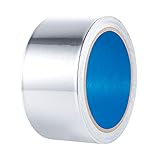
Overview: Steelsoft positions its Extra Thick Aluminum Foil Duct Tape as a premium, heavy-duty solution for critical HVAC and metal repair applications. This compact roll offers 2 inches by 13 yards (39 feet) of 3.6 mil thick tape engineered for maximum strength and adhesion. With impressive tensile strength specifications and high-quality acrylic adhesive, it targets users prioritizing performance over quantity for demanding repair scenarios.
What Makes It Stand Out: The tape’s exceptional 15.7 LB/inch tensile strength and 4 LB/inch peel adhesion significantly exceed standard foil tapes, ensuring it stays put under stress. The 3.6 mil thickness strikes an optimal balance—substantial enough for durability without becoming unwieldy. The acrylic adhesive formulation maintains stability across a remarkable -22°F to +248°F temperature range, making it suitable for both freezer environments and high-heat furnace applications.
Value for Money: While the 39-foot length limits its suitability for large projects, the superior construction offers excellent value for targeted, high-stakes repairs. You’re paying for enhanced performance rather than bulk quantity. For critical fixes like dryer vent hose connections or metal pipe repairs where failure isn’t an option, this tape’s reliability justifies the premium. It’s less economical for whole-house duct sealing but perfect for contractors’ emergency repair kits.
Strengths and Weaknesses: Strengths include outstanding tensile strength, superior temperature resistance, aggressive yet stable acrylic adhesive, and easy peel-off backing that resists curling. The compact size stores easily in toolboxes. Weaknesses: the extremely short length restricts its use for extensive projects, making it cost-prohibitive for large-scale coverage. The heavy-duty nature may be unnecessary for light-duty household tasks, and the limited quantity requires frequent repurchasing.
Bottom Line: Steelsoft’s tape excels for heavy-duty, high-temperature applications where strength and reliability trump quantity. It’s best suited for professionals and serious DIYers needing a compact, high-performance solution for critical repairs rather than bulk sealing projects.
9. TapePlus Aluminum Foil Tape - HVAC & Ductwork Sealing with HVAC Tape - Metal Ductwork Insulation & Moisture Protection - Heat-Resistant Performance to 250°F - 2 in x 70 yd, Pack of 1, Silver

Overview: TapePlus Aluminum Foil Tape targets professional HVAC installers and discerning homeowners seeking premium environmental resistance. This single 70-yard (210-foot) roll of 2-inch silver tape delivers exceptional durability across harsh conditions. Engineered to withstand moisture, UV radiation, and chemical exposure while maintaining adhesion from -4°F to 250°F, it represents a long-term solution for critical ductwork sealing and insulation applications.
What Makes It Stand Out: The tape’s robust resistance to environmental degradation sets it apart—most foil tapes degrade under prolonged UV or chemical exposure, but TapePlus maintains integrity. Its remarkable 210-foot length reduces the need for frequent roll changes on large projects. The versatile adhesion profile bonds effectively to metal, wood, and plastic surfaces, expanding its utility beyond typical HVAC applications into general construction and repair work.
Value for Money: While commanding a premium price point, the extensive length and professional-grade durability deliver strong ROI for contractors. A single roll covers substantial ductwork, reducing both material costs and labor interruptions. For homeowners, the long shelf life and multi-surface versatility justify the investment over cheaper alternatives that may require replacement. The cost per foot remains competitive with mid-range options when accounting for performance longevity.
Strengths and Weaknesses: Strengths include outstanding environmental resistance, generous length, wide temperature tolerance, and superior multi-material adhesion. The tape’s steadfast grip ensures long-term sealing efficiency. Weaknesses: as a single roll, it lacks the project flexibility of multi-packs. The premium pricing may deter casual users with one-time needs. Standard 2-inch width requires overlapping for larger ducts, and the aggressive adhesive demands careful surface preparation.
Bottom Line: TapePlus is a top-tier choice for professionals and serious DIYers requiring reliable, long-lasting performance in challenging environments. Its environmental resilience and extended length make it a cost-effective premium solution for comprehensive HVAC and insulation projects.
10. Lockport Aluminum Foil Tape 2" x225 ft - 3 Pack - Aluminum HVAC Tape - HVAC Duct Sealing, Dryer Vent, Heat Insulation & Ductwork Repairs - Heat Resistant, Waterproof, Professional Grade

Overview: Lockport’s Aluminum Foil Tape 3-Pack delivers an unprecedented quantity of professional-grade sealing material for extensive HVAC projects. Each roll provides a massive 225 feet of 2-inch, 3.6 mil thick tape, totaling 675 feet of heat-resistant, waterproof aluminum foil tape. Engineered for professional contractors and serious DIYers, this set handles everything from duct sealing and dryer vents to metal repairs across residential and commercial applications.
What Makes It Stand Out: The extraordinary 225-foot roll length dramatically reduces jobsite interruptions and material waste from frequent roll changes. At 3.6 mil thickness, the tape offers enhanced durability while maintaining flexibility for conforming to irregular surfaces. The professional-grade adhesive performs reliably across an extreme -22°F to 250°F temperature range, while the flame-retardant properties add safety value. The three-roll format allows multiple technicians to work simultaneously or provides backup for large-scale projects.
Value for Money: This bulk pack delivers exceptional per-foot value for contractors and property managers handling extensive ductwork. While the upfront cost exceeds single-roll purchases, the massive length and three-roll convenience eliminate repeated ordering and shipping costs. For DIYers with whole-house HVAC projects, the quantity ensures you won’t run out mid-job. The professional-grade construction prevents costly callbacks from tape failure, making it economically sound for business use.
Strengths and Weaknesses: Strengths include unmatched roll length, professional-grade durability, excellent temperature resistance, and multi-roll convenience. The 3.6 mil thickness provides superior tear resistance compared to standard tapes. Weaknesses: the sheer quantity may be excessive for casual users, requiring significant storage space. The large roll size can be unwieldy for tight spaces, and the investment may not justify itself for small, one-time repairs. The width remains standard at 2 inches.
Bottom Line: Lockport’s 3-Pack is the definitive choice for HVAC professionals, contractors, and ambitious DIYers undertaking extensive sealing projects. The massive length and professional performance deliver unmatched value for large-scale applications where reliability and quantity are paramount.
Understanding Aluminum Foil Tape for Ductwork
What Makes It Different from Regular Tape
Aluminum foil tape isn’t just duct tape with a metallic finish. The backing consists of actual aluminum foil, typically ranging from 1.5 to 3 mils thick, which provides exceptional heat reflection and acts as a complete vapor barrier. The adhesive systems are specially formulated with acrylic or butyl compounds that maintain their bonding strength across extreme temperature swings from -20°F to 260°F. Unlike cloth-backed duct tape that dries out and fails, quality foil tapes resist UV degradation, moisture infiltration, and the constant expansion and contraction of metal ductwork.
How It Works in HVAC Systems
When properly applied to clean, dry surfaces, aluminum foil tape creates both a mechanical and chemical seal. The adhesive flows into microscopic surface irregularities, while the foil backing provides a flexible yet impermeable barrier that prevents conditioned air from escaping and unconditioned air from entering. This dual-action sealing proves critical for maintaining proper static pressure within your duct system, ensuring air reaches its intended destination rather than leaking into wall cavities or attic spaces.
Key Terminology Explained
You’ll encounter several technical terms when evaluating options. “Peel adhesion” measures how strongly the tape resists removal, expressed in ounces per inch. “Tensile strength” indicates the force needed to break the tape, measured in pounds per inch. “Dead soft” aluminum refers to highly annealed foil that conforms easily to irregular surfaces without springing back. Understanding these specifications helps you compare performance characteristics beyond marketing claims.
Key Features That Define Quality
Adhesive Strength and Composition
Acrylic adhesives offer the best long-term performance for most HVAC applications, maintaining their grip through thousands of heating and cooling cycles. Butyl rubber adhesives excel in high-moisture environments but may not handle extreme temperatures as effectively. Solvent-based adhesives provide aggressive initial tack but can off-gas and degrade faster than modern water-based acrylic formulations. Look for tapes with minimum 50-ounce per inch peel adhesion ratings for durable ductwork repairs.
Backing Thickness and Durability
Thicker isn’t always better. Standard 2-mil backing works well for smooth, accessible duct seams, while 3-mil reinforced options better handle irregular surfaces and areas subject to mechanical stress. The aluminum should feel pliable yet strong enough to resist tearing during application. Premium grades feature a dead-soft annealed foil that conforms to corrugated duct surfaces without wrinkling, which prevents air channels from forming beneath the tape.
Temperature Resistance Ratings
Pay close attention to both the service temperature range and the specific temperature at which the adhesive undergoes permanent failure. Quality tapes remain functional from -25°F to 190°F for standard applications, while high-performance grades withstand continuous exposure up to 325°F. The temperature rating should be marked on the core or packaging, and for safety, always choose a tape rated at least 50°F higher than your system’s maximum operating temperature.
Moisture and Vapor Barrier Properties
The tape’s ability to block moisture migration matters as much as its air-sealing capability. Look for tapes with a water vapor transmission rate below 0.05 grams per 100 square inches per 24 hours. This specification proves crucial in humid climates where condensation forms on duct exteriors. The adhesive should also resist mold and mildew growth, typically indicated by antimicrobial additives or specific ASTM testing certifications.
Types of Aluminum Foil Tape
Standard vs. High-Performance Grades
Standard grades suit basic repairs in accessible, temperature-controlled spaces like basement duct runs. High-performance tapes feature heavier foil backings, more aggressive adhesives, and often include fiberglass reinforcement for industrial applications, unconditioned attics, or commercial kitchen exhaust systems where temperatures and mechanical stresses exceed normal residential conditions.
Reinforced vs. Non-Reinforced Options
Fiberglass scrim reinforcement embedded between foil layers dramatically increases tear resistance and tensile strength, making these tapes ideal for sealing flexible duct connections or repairing damaged duct sections under tension. Non-reinforced tapes offer better conformability for tight radius bends and smooth metal seams but require more careful handling to avoid stretching or tearing during application.
UL-Listed and Code-Compliant Varieties
For any repair that might be inspected, choose UL 181A-P or UL 181B-FX listed tapes, which have undergone rigorous flame spread and smoke generation testing. Building codes in most jurisdictions require these listings for duct systems. The listing mark should be printed directly on the tape backing at regular intervals, not just on the packaging. Some tapes also carry additional certifications for specific applications like plenum spaces or direct burial installations.
Application Considerations
Matching Tape to Duct Material
Galvanized steel ducts pair well with standard aluminum foil tapes, while stainless steel or flex duct installations benefit from tapes with higher elongation properties. For fiberglass duct board, ensure the adhesive is specifically rated for that substrate, as some formulations won’t bond properly to the resin-coated surface. Flexible aluminum ducts require tapes that can handle repeated movement without adhesive creep.
Indoor vs. Outdoor Use Cases
Exterior ductwork or rooftop installations demand tapes with UV inhibitors in both the foil and adhesive to prevent breakdown from sun exposure. These applications also require superior water resistance and often need to handle greater temperature extremes. Indoor applications in conditioned spaces can use standard grades, but unconditioned attics or crawl spaces should be treated as semi-outdoor environments from a tape selection standpoint.
High-Temperature Applications
Exhaust ducts from clothes dryers, range hoods, or high-efficiency furnaces experience temperatures far beyond typical HVAC supply air. These situations call for tapes rated to at least 325°F continuous service, often with silicone-based adhesives. Standard tapes will melt, ooze adhesive, and fail catastrophically, potentially creating fire hazards or releasing toxic fumes.
Flexible Ductwork vs. Rigid Ductwork
Flexible ducts move and vibrate with air pressure changes, requiring tapes with excellent shear strength to prevent sliding. Rigid metal ducts expand and contract less but may have sharp edges and irregular seams that need conformable tape. The application technique differs significantly—flexible duct connections benefit from spiral wrapping, while rigid ducts need carefully overlapped longitudinal seams.
Performance Factors
Longevity and Lifespan Expectations
A quality aluminum foil tape installation should last 20-30 years in a typical residential HVAC system. Factors that accelerate failure include excessive moisture, UV exposure, temperatures beyond rated limits, and poor surface preparation. Premium tapes often include warranties that guarantee performance for specific durations, but these warranties only remain valid when installation follows manufacturer specifications exactly.
Peel Adhesion Over Time
Initial tack differs significantly from long-term adhesion. Some tapes stick aggressively when first applied but lose grip within months as plasticizers migrate or the adhesive oxidizes. Quality formulations maintain at least 70% of their initial peel strength after five years of service. This characteristic proves especially important for vertical or overhead applications where gravity constantly works against the bond.
Tensile Strength Requirements
For most residential repairs, 20-30 pounds per inch tensile strength suffices. Commercial applications or repairs under mechanical stress may require 40+ pounds per inch. The tensile strength directly correlates to the tape’s ability to resist tearing during installation and to hold together under duct pressure. Reinforced tapes typically offer the highest tensile ratings but sacrifice some conformability.
Flame Spread and Smoke Ratings
UL 181 listed tapes must demonstrate a flame spread index under 25 and smoke developed index under 50 when tested to ASTM E84 standards. These ratings become critical in return air plenums and other areas where fire could spread through the duct system. Never use non-listed tapes in these locations, regardless of how “heavy-duty” they appear.
Installation Best Practices
Surface Preparation Techniques
Clean surfaces determine success more than any other factor. Remove all dust, oil, and existing tape residue using a clean cloth dampened with isopropyl alcohol. For heavily oxidized galvanized steel, light sanding with 120-grit paper improves adhesion. The surface must be completely dry—application in humid conditions or on condensation-covered ducts guarantees failure. Ideal application temperature ranges from 50°F to 100°F.
Proper Application Methods
Apply tape with firm, even pressure using a squeegee or application roller. Start from one end and work gradually to prevent air bubbles, which create weak points. For seams, center the tape over the joint and press down firmly along the entire length before smoothing the edges. Overlap each piece by at least 1.5 inches, and never stretch the tape more than 5% during application as this creates internal stresses that cause eventual peeling.
Overlapping and Sealing Strategies
For longitudinal seams, apply tape extending at least 1 inch onto each side of the joint. On circumferential connections, wrap with 50% overlap, creating a double layer. Corners and edges require additional attention—round sharp edges with a file before taping, and consider applying a small piece of tape perpendicular to the main seam at corners to prevent lifting. In high-vibration areas, add a second layer of tape oriented 90 degrees to the first.
Tools That Help Achieve Better Results
A dedicated tape application roller with a steel core applies uniform pressure far better than hand smoothing. Sharp scissors or a utility knife with a fresh blade prevent ragged edges that invite peeling. For large projects, a tape dispenser designed for foil tapes speeds application and reduces waste. A heat gun set to low can improve adhesion in cold conditions, but never exceed 150°F when warming the tape or adhesive.
Common Mistakes to Avoid
Skipping Surface Cleaning
Even invisible oil from fingerprints or fine dust layers create a barrier that prevents proper adhesion. This mistake accounts for over 60% of tape failures in field studies. The extra five minutes spent thoroughly cleaning the surface saves hours of rework later. Never assume a surface is clean enough—wipe it down even if it looks pristine.
Using Wrong Tape for the Application
Applying standard-grade tape to a high-temperature dryer vent creates an immediate safety hazard. Conversely, using expensive high-temperature tape for a simple basement return air leak wastes money without providing additional benefit. Always match the tape’s specifications to your specific application requirements, considering temperature, moisture, code requirements, and mechanical stress.
Improper Overlapping Techniques
Butt joints without adequate overlap create stress concentrations that fail prematurely. Insufficient overlap on circumferential wraps allows air to bypass the seal. The 50% overlap rule for circular connections isn’t arbitrary—it ensures at least two layers of protection at every point while allowing the tape to flex with the duct without separating.
Ignoring Temperature Guidelines
Installing tape in cold conditions below 50°F prevents the adhesive from properly wetting out on the surface, while application above 100°F can cause the adhesive to become too fluid and squeeze out from the edges. Both conditions result in weak bonds. If you must work in extreme temperatures, use tapes specifically formulated for those conditions or employ temperature control measures.
Cost vs. Value Analysis
Understanding Price Tiers
Economy grades cost 30-50% less than professional-grade options but typically last only 3-5 years versus 20+ years for premium tapes. Mid-range tapes offer the best value for most homeowners, providing 10-15 year service life at moderate cost. Calculate cost per year of expected service rather than focusing on initial price. A $15 roll that lasts 20 years costs less annually than a $5 roll that fails in three.
When to Invest in Premium Options
Choose high-performance tapes for any repair in inaccessible locations like behind drywall or in sealed chases. The labor cost to access these areas dwarfs the material cost difference. Also invest in premium grades for high-temperature applications, exterior installations, or commercial systems where failure consequences include business disruption or safety hazards.
Bulk Purchasing Considerations
If you need more than 50 linear feet for a project, buying a 100-foot roll often costs 20-30% less per foot than multiple 25-foot rolls. However, tape degrades in storage—adhesives oxidize and foil can corrode. Only buy what you’ll use within two years, and store rolls in their original packaging, sealed in a plastic bag, in a cool, dry location away from direct sunlight.
Hidden Costs of Poor-Quality Tape
Failed tape allows conditioned air loss that increases energy bills by 5-20%. It permits moisture intrusion that can lead to mold remediation costs exceeding $10,000. In commercial settings, a failed seal might cause equipment damage or violate health codes. The true cost of cheap tape includes potential equipment strain, reduced comfort, and eventual rework expenses.
Environmental Considerations
Eco-Friendly Adhesive Options
Water-based acrylic adhesives contain fewer volatile organic compounds (VOCs) than solvent-based formulations, improving indoor air quality during and after installation. Some manufacturers now offer bio-based adhesives derived from renewable resources, though these may have slightly reduced temperature ratings. Look for GREENGUARD or similar low-emission certifications if air quality is a primary concern.
Recyclability Factors
Aluminum foil backings are theoretically recyclable, but the adhesive contamination makes most recycling facilities reject used tape. However, some manufacturers offer take-back programs for unused portions. The environmental impact of a 20-year tape is significantly lower than replacing inferior tape every few years, reducing overall material consumption and landfill waste.
Low-VOC Certifications
For occupied spaces, especially homes with children, elderly residents, or individuals with respiratory sensitivities, choose tapes certified to CDPH/EHLB Standard Method V1.2 or similar rigorous testing protocols. These certifications ensure the tape won’t off-gas harmful chemicals even when heated by the HVAC system. The certification mark should be visible on the product specifications.
Energy Efficiency Impact
Properly sealed ducts improve HVAC efficiency by up to 20%, reducing your carbon footprint and utility costs. The embodied energy in a quality tape roll is negligible compared to the energy saved over its service life. Some utility companies offer rebates for documented duct sealing projects, potentially offsetting the entire material cost while providing ongoing savings.
Where to Purchase
Hardware Store vs. HVAC Supplier
Big box hardware stores stock consumer-grade tapes suitable for basic repairs but rarely carry UL-listed professional grades. HVAC supply houses offer a wider selection of code-compliant options and staff who understand application requirements. For critical repairs, the expertise at a specialist supplier justifies any price difference. They can also provide technical data sheets and warranty information.
Online Marketplaces
E-commerce platforms provide access to industrial-grade tapes not available locally, often at competitive prices. However, verify seller authenticity to avoid counterfeit products, which are surprisingly common in the tape market. Check that the listing includes actual product specifications, not just marketing claims, and confirm the tape carries legitimate UL markings upon receipt.
Professional Contractor Sources
Many premium tapes are only sold through professional channels that require contractor accounts. For homeowners, this might mean purchasing through a contractor or asking an HVAC professional to supply materials. While this adds markup, it ensures you receive genuine, fresh product with full manufacturer support. Some contractors will sell materials directly for DIY projects.
What to Look for in Retailers
Reputable sellers provide detailed technical specifications, storage recommendations, and clear return policies. They should answer questions about temperature ratings, code compliance, and application suitability. Avoid retailers who can’t provide this information or who stock tape in unconditioned spaces where heat degrades the adhesive before purchase.
Maintenance and Longevity
Inspecting Your Seals
Check taped joints annually using a visual inspection and the “tug test”—gently pulling at tape edges to ensure they remain firmly adhered. Look for discoloration, cracking, or lifting corners. In accessible areas, run your hand along seams during system operation to feel for air leaks. Use a smoke pencil or incense stick to detect subtle leaks in harder-to-reach locations.
Signs of Tape Failure
Curling edges, visible gaps, or a dusty streak emanating from a seam indicate air bypass. Brownish discoloration often signals adhesive breakdown from heat exposure. A brittle, cracked appearance shows the foil has work-hardened and lost flexibility. Any tape that lifts when gently pulled has already failed and needs immediate replacement to prevent system degradation.
Reapplication Strategies
Never apply new tape over old, failed tape. Remove all remnants using a plastic scraper and adhesive remover, then clean the surface thoroughly before reapplication. If the underlying duct material shows corrosion or damage, address that issue first. Consider using a duct mastic plus tape combination for problem areas that have failed repeatedly.
Warranty Implications
Most HVAC equipment warranties require duct systems to be properly sealed according to local codes. Using non-compliant tape or improper installation techniques can void warranty coverage for system performance issues. Document your repairs with photos showing UL-listed tape and proper application methods. Keep purchase receipts that prove you used appropriate materials.
Troubleshooting Guide
Tape Not Sticking Properly
If tape won’t adhere despite clean surfaces, check the application temperature and the tape’s age. Old tape loses adhesive properties, and cold ducts prevent proper bonding. Try warming the duct surface slightly with a hair dryer (not a heat gun) and ensure you’re applying firm, even pressure. Some adhesives require 24-72 hours to reach full strength—don’t assume failure immediately after application.
Peeling Edges and Corners
This common issue usually stems from insufficient pressure during application or from stretching the tape too much. Cut a small piece of tape and apply it perpendicular to the peeling edge, pressing firmly. For chronic problems, roughen the surface slightly with fine sandpaper to give the adhesive more “tooth,” or consider a different tape formulation with higher shear strength.
Discoloration and Degradation
Brown or black discoloration indicates thermal breakdown of the adhesive, meaning the tape is operating beyond its temperature rating. Replace it immediately with a higher-temperature-rated product. White, powdery deposits suggest adhesive components are migrating, which precedes complete failure. Any tape showing these signs has reached end-of-life regardless of chronological age.
Air Leaks Despite Application
If smoke testing reveals leaks through properly applied tape, the issue may be duct oil contamination or extreme temperature cycling. Try cleaning with a degreasing solvent like acetone (with proper ventilation and safety precautions). For extreme cycling, consider using a two-part epoxy sealant plus tape combination, or investigate whether the duct system needs redesign rather than repair.
Safety Considerations
Working in Confined Spaces
Attics and crawl spaces present fall hazards and limited ventilation. Always use proper personal protective equipment including knee pads, gloves, and a respirator if there’s any mold or insulation dust. Work with a partner when possible, and ensure someone knows your location. Take frequent breaks to avoid heat exhaustion, especially in attics during summer months.
Cutting and Handling Precautions
Aluminum foil edges can be razor-sharp. Always cut away from your body, and wear cut-resistant gloves when handling large pieces. Utility knives should have retractable blades, and scissors should be dedicated to tape cutting to maintain sharpness. Dispose of sharp tape scraps immediately in a sealed container to prevent injury to others handling your trash.
Fire Safety and Building Codes
Never use non-UL-listed tape in plenum spaces or on exhaust ducts. Verify local code requirements before starting repairs—some jurisdictions require professional installation or permits for duct modifications. Keep a fire extinguisher rated for Class A and B fires accessible when working near furnace equipment. Never cover access panels, dampers, or safety labels with tape.
Respiratory Protection
Sanding ductwork or cleaning with solvents generates particles and fumes that can irritate lungs. Use at minimum an N95 respirator, and upgrade to a P100 or supplied-air respirator if working with older ducts that may contain hazardous materials like asbestos insulation. Ensure adequate ventilation in the work area, and never use solvent cleaners in enclosed spaces without active exhaust ventilation.
Frequently Asked Questions
How long does aluminum foil tape last on ductwork?
Quality aluminum foil tape properly applied to clean, dry surfaces in appropriate temperature conditions typically lasts 20-30 years in residential HVAC systems. Economy grades may fail in 3-5 years, especially in unconditioned spaces. The key factors affecting lifespan include temperature cycling, moisture exposure, UV radiation, and initial surface preparation.
Can I use aluminum foil tape on flexible ducts?
Yes, but you must choose a tape specifically rated for flexible duct applications. These tapes feature higher shear strength to resist the constant movement and vibration of flex duct. Wrap the connection with 50% overlap, and consider applying mastic underneath for critical connections. Never stretch the tape during application, as this creates stress points that fail prematurely.
What temperature can aluminum foil tape withstand?
Standard grades handle continuous temperatures from -25°F to 190°F. High-performance tapes rated for 325°F continuous service are available for dryer vents, range hoods, and high-efficiency furnace exhausts. Always verify the specific product’s temperature rating marked on the core or packaging, and select a tape rated at least 50°F above your system’s maximum operating temperature.
Is aluminum foil tape better than duct mastic?
Each has advantages. Tape provides immediate sealing, requires no drying time, and works well for small gaps and seams. Mastic excels for larger gaps, irregular surfaces, and provides a more robust seal in high-vibration areas. Many professionals use both—applying mastic to fill gaps, then taping over it for reinforcement. For most DIY repairs, tape alone suffices if properly applied.
Do I need UL-listed tape for home duct repairs?
While not always legally required for minor residential repairs, UL-listed tape (UL 181A-P or UL 181B-FX) ensures safety and code compliance. Using listed tape protects you during home inspections, maintains HVAC equipment warranties, and provides peace of mind regarding fire safety. The minimal cost difference makes UL-listed tape the smart choice for any ductwork application.
Why won’t my aluminum foil tape stick?
Common causes include dirty or oily surfaces, application below 50°F, excessive humidity, or old tape with degraded adhesive. Ensure surfaces are clean and dry, warm the duct slightly if cold, and check the tape’s manufacture date. Some adhesives require 24-72 hours to reach full strength. Never apply tape to rusty or flaking surfaces without proper preparation.
Can aluminum foil tape be painted?
Yes, but only after the adhesive has fully cured (typically 72 hours). Use a high-quality metal primer first, followed by latex paint. However, painting is generally unnecessary and may void some manufacturer warranties. The tape’s reflective surface actually helps with thermal performance, so painting provides no functional benefit and may accelerate degradation if the wrong paint type is used.
How much tape overlap is necessary?
For longitudinal seams, extend at least 1 inch onto each side of the joint. For circumferential wraps around duct connections, use 50% overlap to create a double layer. At corners and terminations, add a small perpendicular piece to prevent lifting. More overlap isn’t necessarily better—excessive overlap wastes tape and can create bulky edges that catch on insulation or other materials.
What’s the difference between acrylic and butyl adhesive?
Acrylic adhesives offer superior temperature resistance and longevity, maintaining strength for 20+ years. Butyl adhesives provide better initial tack and moisture resistance but may soften at temperatures above 150°F. For most HVAC applications, acrylic is preferred. Butyl works well for temporary repairs or in high-moisture, low-temperature environments like crawl spaces.
Can I remove aluminum foil tape once applied?
Removal is difficult and often damages the underlying duct surface. The adhesive forms a permanent bond that typically requires heat softening and scraping. For this reason, always double-check placement before pressing down firmly. If removal becomes necessary, use a heat gun on low setting to soften the adhesive, then peel slowly while applying heat. Adhesive residue can be removed with citrus-based solvents or specialized adhesive removers.
See Also
- 10 Best Aluminum Foil Tape for Leaky Ducts This Year
- Stop Air Leaks with the 10 Best Aluminum Foil Tape This Year
- 10 Best Aluminum Foil Tape for Preventing Air Leaks in 2026
- 10 Premium Aluminum Foil Tape for Professional HVAC Installers (Worth the Investment)
- 10 Must-Have Foil Duct Tape for Long-Lasting Duct Repairs in 2026