Table of Contents
Picture this: a sudden spring thaw followed by relentless summer heat, and your air conditioner sputters, struggles, and fails just as temperatures climb. The culprit? Winter damage you never saw coming. Debris, moisture, freezing temperatures, and curious wildlife can wreak havoc on your outdoor unit during the off-season, turning a simple seasonal switch into a costly repair nightmare. Protecting this critical investment isn’t just about convenience; it’s about safeguarding your home’s comfort system and avoiding unexpected expenses when you need cooling the most. An air conditioner cover acts as your unit’s first line of defense, a simple barrier against the elements that pays dividends in longevity and performance.
Think of your outdoor AC unit as the engine of your home’s climate control. Leaving it exposed year-round is like parking your car outside without a garage through every storm and season. Snow and ice can warp fins, heavy rain can lead to internal corrosion, falling leaves can clog critical airflow passages, and small animals might see it as the perfect winter den – nesting deep within the components. A quality cover mitigates these risks significantly, preserving efficiency and preventing premature wear. Choosing the right one, however, goes far beyond just throwing a tarp over the top; it requires understanding materials, fit, ventilation needs, and the specific threats your local climate poses. Making an informed decision now ensures your system starts strong when warm weather returns.
Top 10 Air Conditioner Covers
Detailed Product Reviews
1. MODERN WAVE Central Air Conditioner Cover for Outside Units 36 x 36 - Top Universal Outdoor AC Cover Defender (Mesh, 36" x 36")
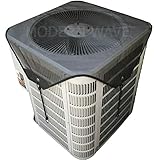
Overview: This mesh cover protects standard 36"x36" outdoor AC units from leaves, branches, and debris while promoting airflow. Designed specifically as a top cover, it prioritizes ventilation to prevent moisture buildup within the condenser unit. What Makes It Stand Out: Its heavy-duty mesh material is the key differentiator, enabling crucial air circulation to reduce internal condensation and rust—unlike solid covers that can trap moisture. The four adjustable bungee cords ensure a secure, custom fit over the unit’s top without complex installation. Value for Money: Positioned as a mid-range protective solution, it offers excellent value by directly addressing the primary cause of premature AC failure (moisture-induced rust) through its breathable design. It’s more functional than cheaper solid vinyl covers that risk trapping humidity. Strengths and Weaknesses: Strengths: Superior airflow prevents internal moisture; secure bungee attachment; lightweight mesh is easy to handle; effectively blocks large debris. Weaknesses: Top-only coverage leaves sides exposed to sideways rain/snow; mesh may not block fine dust as well as solid covers; size specificity requires precise measurement. Bottom Line: An intelligent, purpose-built cover for extending AC lifespan where airflow is critical. Highly recommended for standard units in leafy areas, but verify measurements and understand it’s not a full-wrap solution for harsh winter climates.
2. Xeeol 36x36 Central Air conditioner Covers for Outside, Larger Mesh AC Unit Covers Outdoor - Top Universal Defender

Overview: This top-cover solution for 36"x36" outdoor AC units utilizes a thick resin mesh construction focused on durability and weather resistance. It shields against debris while emphasizing breathability and wind stability through its design features. What Makes It Stand Out: The combination of rust-resistant resin mesh, stainless steel grommets, and an extra-long (20-inch) stretchable bungee cord sets it apart. The grommets enhance tear resistance, while the longer cord allows for more secure, adaptable anchoring around larger unit bases, improving wind resistance significantly. Value for Money: Justifying its likely premium price, the robust materials (resin mesh, stainless components) promise multi-season longevity, outperforming basic polyester mesh covers. The focus on secure fit reduces the risk of the cover blowing off and causing damage, adding practical value. Strengths and Weaknesses: Strengths: Exceptional wind resistance due to long bungee cord; rust-proof materials withstand harsh elements; breathable mesh prevents moisture buildup; effective leaf/debris barrier. Weaknesses: Installation might be slightly trickier than basic bungee systems; top-only design offers no side protection; resin mesh could be stiffer to handle than fabric. Bottom Line: A top-tier mesh cover prioritizing durability and security in windy conditions. Ideal for homeowners seeking reliable, long-lasting protection for standard units, especially in exposed locations, making it a worthwhile investment over flimsier alternatives.
3. Central Air Conditioner Covers for Outside Units 36’’ x 36’’, AC Mesh Covers for Outside Unit, AC Unit Cover Outdoor Air Conditioner Condenser Hvac Heat Pump Cover Breathable Top Universal Defender

Overview: This highly-rated top cover delivers comprehensive protection for standard 36"x36" outdoor AC units using a high-strength polyester mesh. It targets environmental threats like leaves, snow, dust, and animals while emphasizing breathability and ease of use. What Makes It Stand Out: Its “top-rated” status stems from the high-strength, tear-resistant polyester mesh that balances durability with optimal airflow. The integrated design featuring four elastic ropes with metal hooks ensures quick, secure installation and a snug fit that resists shifting even in strong winds. Value for Money: Offering significant value, the durable polyester construction promises extended service life compared to cheaper, thinner meshes. The ease of installation and reliable wind resistance add practical benefits, making it a cost-effective preventative measure against costly AC repairs or reduced efficiency. Strengths and Weaknesses: Strengths: Excellent tear and weather resistance; superior ventilation minimizes internal moisture; very easy and quick to install/remove; secure fit with multiple hooks; effectively blocks most debris and animals. Weaknesses: Top coverage only; polyester mesh, while strong, may not be as inherently rust-proof as resin; size tolerance requires accurate measurement. Bottom Line: A highly recommended, user-friendly mesh cover delivering robust protection and ventilation. Its balance of durability, ease of use, and proven performance makes it an outstanding choice for maintaining standard AC unit health year-round.
4. THERMWELL AC2H Air Conditioner Cover, 18 by 27 by 16-Inch, Silver
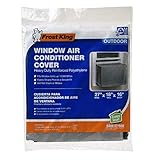
Overview: This compact, solid cover is designed specifically for window-mounted air conditioners, shielding units measuring approximately 18"W x 27"D x 16"H from water, ice, dust, and leaves during off-seasons. What Makes It Stand Out: Its niche focus on window AC units is its primary distinction. Made from durable silver polyethylene, it provides a simple, full-wrap barrier against the elements. The solid material offers superior protection against fine dust and driving rain compared to mesh covers designed for central units. Value for Money: Excellent value for its specific purpose. The rugged polyethylene construction is affordable yet tough enough to withstand seasons of storage, significantly cheaper than covers for large central units. It’s a cost-effective essential for anyone removing window ACs for winter. Strengths and Weaknesses: Strengths: Perfect fit for common window AC sizes; excellent barrier against all weather elements and fine debris; simple slip-on design; highly durable polyethylene resists tears and UV; compact storage. Weaknesses: Only suitable for specific window unit sizes (not central AC); solid material traps any internal moisture if installed while unit is damp; no ventilation (intentional for storage). Bottom Line: The ideal, no-frills storage solution for standard window air conditioners. Highly recommended for seasonal protection due to its perfect fit, durability, and low cost—just ensure your unit is completely dry before covering.
5. ULTCOVER Waterproof Square Air Conditioner Cover for Outside AC Units Size Upto 30W x 30D x 32H inch
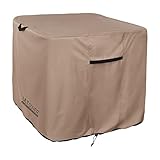
Overview: This full-coverage, structured cover protects smaller central AC units (up to 30"x30"x32"H) with a focus on waterproofing and stability. It uses heavy-duty materials to shield against rain, snow, hail, dust, and debris while incorporating design elements for security and ventilation. What Makes It Stand Out: The structured design with sewn-in air vents is unique, promoting passive airflow under the cover to prevent moisture buildup without compromising the waterproof barrier. Side handles and dual securing methods (plastic clips + elastic drawcord) enhance usability and wind resistance significantly. Value for Money: Represents strong value for those needing full-coverage protection. The 600D polyester canvas with waterproof backing is notably more robust than standard mesh covers, justifying a potential price premium by offering superior elemental defense and longevity for critical HVAC components. Strengths and Weaknesses: Strengths: True full-wrap protection; effective structured vents prevent condensation; extremely durable and waterproof; excellent wind security via clips and drawcord; handles simplify handling. Weaknesses: Bulkier and heavier than mesh top-covers; vents are small, so airflow isn’t as high as dedicated mesh; precise sizing needed for the “up to” dimensions. Bottom Line: A premium, highly protective full-cover solution ideal for harsh climates or units needing maximum defense. Recommended for smaller central AC units where comprehensive weatherproofing and moisture management are top priorities, despite the slightly more complex fit.
6. Frost King 2-Piece Quilted Indoor Air Conditioner Cover, Large, fits units up to 20" x 28"
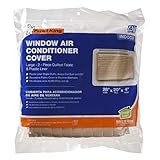
Overview: This Frost King cover is a simple, functional solution for protecting window AC units during off-seasons indoors. Designed specifically for large units up to 20" x 28", it combines a plastic liner with a decorative fabric outer layer to shield the unit while maintaining a tidy appearance in living spaces. What Makes It Stand Out: Its standout feature is the dual-layer design: the inner plastic liner effectively blocks drafts and moisture, while the quilted, machine-washable fabric cover offers aesthetic appeal over basic plastic sleeves. The dedicated large size ensures a proper fit for common window units without complex adjustments. Value for Money: Priced affordably, it delivers excellent value for basic indoor storage needs. While lacking advanced features like drawstrings or cable ports, its focus on draft prevention and easy cleaning makes it a cost-effective choice compared to pricier insulated alternatives for seasonal indoor use. Strengths and Weaknesses: Strengths: Effective draft/dust barrier, machine-washable fabric, quilted decorative finish, simple installation. Weaknesses: No cable passthrough holes, limited sizing options, fabric cover may not suit all decors, plastic liner isn’t removable separately. Bottom Line: Ideal for budget-conscious users needing reliable indoor protection and a neat look during winter; skip if you require cable access or advanced insulation, but it excels at its core purpose affordably.
7. Indoor Air Conditioner Cover Window AC Unit Cover with Drawstring Double Insulation for Inside(21"x15"x3.5")

Overview: This double-insulated indoor cover targets energy efficiency and AC protection during colder months. Made from durable 210D polyester-cotton blend, it fits units up to 21"x15"x3.5" and emphasizes draft blocking to reduce heating costs while safeguarding the unit from dust and moisture indoors. What Makes It Stand Out: Its dual insulation layer significantly boosts energy savings by preventing cold air infiltration and warm air leakage. Key differentiators include machine-washable durability, adjustable drawstrings for a snug fit, and two bottom cable passthrough holes – a thoughtful touch absent in simpler covers. Value for Money: Offers strong value for those prioritizing energy conservation. The durable, reusable fabric and functional design justify its price against basic plastic covers, though it’s slightly costlier than non-insulated options. The included cable ports add practical convenience worth the premium. Strengths and Weaknesses: Strengths: Excellent draft blocking for energy savings, reinforced durable fabric, easy cable management, machine washable, adjustable fit. Weaknesses: Gray color may not match all interiors, precise sizing needed (only one size reviewed), no mention of decorative appeal beyond functionality. Bottom Line: Highly recommended for homeowners seeking to cut heating bills and protect indoor AC units effectively; the smart cable ports and insulation make it a practical, worthwhile investment over minimalistic covers.
8. COVERTIFY Central Air Conditioner Covers for Outside 36’’ X 36’’, Mesh AC Covers for Outside Unit, Breathable AC Conditioning Condenser Compressor Cover - Top Universal Defener for All Season

Overview: This mesh outdoor cover prioritizes airflow and year-round protection for central AC condensers. Its diamond-perforated resin mesh design in a 36"x36" size focuses on preventing heat buildup while shielding units from debris, sun, and light weather, suitable for universal outdoor placement. What Makes It Stand Out: The patented perforated mesh is the key innovation, ensuring superior ventilation to avoid moisture retention and overheating – a common flaw in solid covers. Reinforced with 16-inch elastic cords and stainless steel grommets, it balances breathability with secure, weather-resistant durability. Value for Money: Priced competitively for mesh-specific functionality, it offers excellent long-term value. By preventing rust and extending unit life through optimal airflow, it outperforms cheaper solid covers that trap moisture. The multiple size options enhance cost-effectiveness across unit types. Strengths and Weaknesses: Strengths: Unmatched airflow prevents rust, durable flexible mesh, secure elastic/grommet system, all-season debris/sun protection, tidy aesthetic. Weaknesses: Less effective against heavy rain/snow than waterproof fabrics, perforations offer minimal insulation. Bottom Line: The top choice for condenser covers where airflow is critical; ideal for mild climates or summer storage, but consider a waterproof option like Product 9 for harsh winters.
9. BROSYDA Central Large Air Conditioner Cover for Outside Units, Waterproof & Windproof Outdoor AC Units Cover Black (36"x36"x39" Inch)

Overview: This heavy-duty outdoor cover uses military-grade 420D silver-coated Oxford fabric to provide robust, year-round protection for central AC units up to 36"x36"x39". It emphasizes waterproofing, wind resistance, and ventilation to combat extreme weather while preventing internal moisture buildup. What Makes It Stand Out: The tear-resistant, silver-coated 420D material offers superior waterproofing and UV resistance compared to standard polyester. Unique features include Velcro side openings for duct clearance, bottom drawstrings for wind stability, and integrated air vents – combining comprehensive weather defense with practical installation. Value for Money: A premium investment that justifies its cost through exceptional durability and all-weather protection. Outperforms thinner covers in longevity and extreme conditions, reducing long-term maintenance costs. The included storage bag adds convenience, enhancing overall value. Strengths and Weaknesses: Strengths: Heavy-duty waterproof/windproof construction, effective ventilation design, duct-friendly Velcro, easy cleaning/storage, long-lasting silver coating. Weaknesses: Bulkier than mesh covers, black color absorbs heat, precise sizing required (1-2" larger than unit). Bottom Line: Highly recommended for regions with severe weather; its rugged build and smart features make it a reliable, cost-effective shield despite the higher initial price.
10. BEWAVE Air Conditioner Cover for Outside Units, Waterproof Durable Duty Outdoor Square Air Condition Covers Fits up to 24x24x30 inches

Overview: This practical outdoor cover protects units up to 24"x24"x30" using water-resistant 210D polyester Oxford fabric. It focuses on essential all-season defense against rain, sun, snow, and debris, featuring a simple design with a side slit for tubing and an elastic hem for secure fitting. What Makes It Stand Out: Its standout element is the functional side slit, allowing easy routing of wiring/tubing without compromising coverage – a rarity in budget covers. The structured air vents prevent moisture accumulation, while the elastic hem ensures a snug, wind-resistant fit without complex fasteners. Value for Money: An economical yet effective solution for standard-sized units. It delivers solid weather protection at an accessible price point, outperforming basic tarps with its tailored fit and vents. The easy-clean surface and foldable design add practical value for seasonal storage. Strengths and Weaknesses: Strengths: Side slit for tubing/wiring, moisture-preventing vents, affordable, easy to clean/store, reliable elastic hem. Weaknesses: Less durable than 420D options (e.g., Product 9), limited size range, black fabric shows dirt over time. Bottom Line: Best for budget-focused buyers with smaller units needing straightforward, reliable protection; the tubing slit makes it a sensible, no-frills choice for most homeowners.
Understanding Why Your AC Unit Needs Protection
The Hidden Dangers of Seasonal Exposure
Leaving your outdoor condenser unit uncovered during dormancy invites a host of problems. Moisture is a primary enemy; rain, snow, and condensation can pool inside the unit, leading to rust on critical metal components like the coil and fan motor housing. This corrosion weakens parts over time, potentially causing leaks or mechanical failure. Furthermore, persistent dampness creates an ideal environment for mold and mildew growth within the unit’s internal structure, which can compromise air quality when the system restarts.
Wildlife Intrusion and Debris Buildup
An uncovered unit is an open invitation for squirrels, rodents, birds, and insects seeking shelter. These critters can nest inside the cabinet, chewing wires, blocking airflow with nesting materials, and leaving behind waste that causes odors and potential health hazards. Simultaneously, falling leaves, twigs, seeds, and other yard debris accumulate on and within the unit. This organic matter decomposes, retaining moisture against the unit’s surfaces and accelerating corrosion, while also obstructing the essential airflow pathways necessary for efficient operation.
The Impact on System Longevity and Efficiency
The cumulative effect of moisture, debris, and wildlife intrusion significantly shortens the operational lifespan of your air conditioning system. Components wear out faster, leading to more frequent and expensive repairs. Even minor corrosion or blockages can force the system to work harder to achieve the desired cooling effect, resulting in higher energy consumption and increased utility bills. Proper seasonal protection is a proactive step that directly contributes to sustained efficiency and maximizes your return on the initial system investment.
Key Features to Evaluate in an AC Cover
Material Durability and Weather Resistance
The cover material is its most fundamental attribute. It must withstand UV radiation without becoming brittle, repel water effectively to prevent moisture ingress, and resist tearing from wind or debris. Common options include heavy-duty polyethylene, woven polyester, vinyl-coated fabrics, and specialized breathable non-wovens. Assess the material’s thickness (measured in mils or denier), its resistance to mildew, and its ability to maintain flexibility in freezing temperatures – a stiff, cracked cover offers no protection.
Critical Importance of Proper Ventilation
This is arguably the most misunderstood aspect. A completely airtight cover traps moisture inside the unit against the metal components, creating a perfect scenario for condensation and rust – potentially causing more damage than leaving it uncovered. Effective covers incorporate strategic ventilation, often through breathable fabric panels, mesh sections, or elevated designs that allow airflow while still shielding from direct precipitation and large debris. Look for features specifically designed to prevent condensation buildup.
Secure Fit and Stability Mechanisms
A cover that blows off in a moderate breeze is useless. Evaluate the closure system: heavy-duty drawstrings with secure toggles, adjustable straps with buckles, elastic hems, or even snap systems. The cover must fit snugly over the specific dimensions of your unit model without being so tight it stresses components or so loose it flaps violently. Stability features like weighted hems or grommets for anchoring (used cautiously to avoid damaging the unit) are crucial for high-wind areas.
Measuring and Selecting the Correct Size
Why Generic Sizes Often Fall Short
While “one-size-fits-most” covers are common, they frequently lead to poor performance. An ill-fitting cover that’s too large flaps excessively, potentially damaging the unit’s fins, and allows significant debris entry. One that’s too small won’t cover critical components adequately, especially the top grille and sides, leaving vulnerable areas exposed. The unique shape and protruding elements (like service valves or electrical boxes) of modern units often defy standard sizing.
Precise Measurement Techniques
Grab a tape measure and record the unit’s exact width, height, and depth – including any protrusions beyond the main cabinet. Measure from the outermost points. Pay special attention to the height from the base pad to the top of the service panel or any significant bump-outs. Don’t rely solely on model numbers for sizing; physical dimensions are paramount. When comparing to cover specs, ensure the listed dimensions match your actual unit measurements, not just the nominal tonnage size.
Accommodating Unit-Specific Features
Modern condensers often have unique contours, control panels on the side, or refrigerant line sets exiting at specific points. A quality cover should have design elements to accommodate these, such as gusseted corners, adjustable flaps, or cutouts (though cutouts for lines need careful consideration to avoid compromising protection). Consider whether the cover needs to allow access to the bottom for potential drainage or if the unit sits flush on a pad versus a raised platform.
Installation Best Practices for Maximum Protection
Pre-Covering Unit Preparation
Never cover a dirty or wet unit. Before installing the cover, thoroughly clean the condenser coil fins using a soft brush and coil cleaner (following manufacturer instructions), remove all accumulated leaves and debris from the top and around the base, and allow the unit to dry completely. Covering a damp unit traps moisture, accelerating corrosion. Ensure the disconnect switch is turned off for safety during cleaning and covering.
Achieving a Snug, Secure Fit
Start by positioning the cover correctly over the unit. Pull it down firmly but gently, ensuring it sits evenly on all sides. Tighten drawstrings or straps progressively, working around the unit to avoid pulling it lopsided. The cover should be taut without being stretched thin. Pay extra attention to securing the bottom edge close to the pad to prevent wind from lifting it and debris from blowing underneath, but avoid pinching any electrical lines or blocking potential drainage holes.
Avoiding Common Installation Mistakes
The biggest error is creating a sealed environment. Ensure ventilation features are unobstructed. Never use materials like plastic sheeting or garbage bags that trap moisture. Avoid tying covers down too tightly with ropes or bungees directly onto fragile fins or components; use the cover’s integrated straps. Also, resist the urge to cover the unit immediately after use in warm weather – always allow it to cool and dry first.
Material Deep Dive: Weighing Your Options
Woven Polyester and Breathable Non-Wovens
These materials excel in moisture management. Their inherent breathability allows internal humidity to escape while still repelling rain, significantly reducing the risk of trapped condensation and rust. They are generally lightweight, packable for storage, and resist mildew well. Look for high denier counts (e.g., 600D+) for durability and UV-resistant coatings. They might offer less rigidity against heavy snow loads compared to vinyl but are often the top choice for balanced protection.
Vinyl and Heavy-Duty Polyethylene
Vinyl and thick polyethylene (often 6+ mil) offer superior waterproofing and robust resistance to abrasion and punctures from branches or hail. They provide excellent protection against heavy snow accumulation due to their stiffness. However, their lack of breathability is a major drawback; they must incorporate significant ventilation panels to be safe for seasonal use. They can become stiff and brittle in extreme cold and may degrade faster under intense UV exposure without stabilizers.
Reinforced Hybrid Designs
Some premium covers combine materials strategically: a waterproof vinyl top panel to shed rain and snow, paired with highly breathable mesh or polyester side and bottom panels for ventilation. Reinforced corners and stress points with extra fabric layers or webbing enhance longevity. These hybrids aim to deliver the best of both worlds – weatherproofing where it’s most needed and critical airflow where it matters most for preventing moisture damage.
Climate Considerations for Cover Selection
High Wind and Storm-Prone Regions
If you face frequent strong gusts or hurricanes, prioritize covers with exceptional stability features. Look for multiple heavy-duty straps with reliable buckles, reinforced grommets (for careful anchoring to a separate ground stake, never the unit itself), and weighted hems. Materials should be strong yet flexible (like high-denier polyester) to withstand flapping without tearing. Avoid overly large covers that act like sails; a snug fit is essential.
Heavy Snow and Ice Accumulation Areas
In regions with significant winter snowfall, the cover must support substantial weight without collapsing onto the unit. Opt for sturdier materials like thick vinyl or reinforced polyethylene with a slightly domed top design to encourage snow shedding. Ensure the cover is rated for snow load. Crucially, ventilation remains vital – trapped heat from the ground can melt snow against the unit, leading to refreezing and ice dams if moisture can’t escape.
Humid and Mild Winter Climates
Even in areas without freezing temperatures, humidity and rain pose risks. Breathable covers are paramount here to prevent constant dampness inside the unit, which promotes mold and corrosion. Lightweight, highly breathable polyester or non-woven covers often suffice. Focus on covers with excellent UV resistance since they may be exposed to strong sun for longer periods during milder winters. Security against wind is still important, but snow load isn’t a concern.
Beyond the Cover: Essential Seasonal Maintenance
Springtime Unveiling and Inspection
Removing the cover marks the start of your pre-season check. Do this on a dry day. Inspect the cover itself for damage – tears, excessive wear, or mildew – which indicates it might need replacement. Carefully examine the unit underneath: check for nests, debris accumulation, signs of animal activity, or any visible corrosion. Look for standing water inside the cabinet that didn’t drain properly.
Thorough Cleaning Before Activation
Before turning the system on, give the unit a final clean. Gently remove any leaves or dirt that may have blown under the cover. Use a garden hose (low pressure!) to rinse the coil fins from the inside out to avoid bending them, or use a specialized fin comb if fins are bent. Ensure the condensate drain line is clear. Wipe down the exterior cabinet. This cleaning ensures optimal airflow and efficiency from day one.
Annual Professional Tune-Up
While a cover protects during dormancy, an annual professional maintenance visit is non-negotiable for peak performance and longevity. A technician will inspect refrigerant levels, electrical components, thermostat calibration, and overall system health – things a cover cannot address. Schedule this tune-up before the first major heat wave, ideally when you remove the cover, to ensure your system is ready for the season.
Debunking Common Cover Myths
Myth: Airtight Covers Offer the Best Protection
Reality: As emphasized throughout, a completely sealed cover traps moisture, leading to internal condensation and accelerated rust. Effective protection requires managed airflow to allow humidity to escape while blocking direct precipitation. Breathability is not optional; it’s essential for preventing the very damage the cover is meant to stop.
Myth: Tarps or Plastic Sheeting Are Sufficient
Reality: Standard plastic sheeting or tarps lack secure fitment, adequate ventilation, and durability. They often flap violently, damaging fins, and create a perfect greenhouse for moisture buildup. They degrade quickly under UV exposure and provide minimal protection against wildlife. Purpose-built AC covers address all these shortcomings with tailored design.
Myth: Covers Cause More Harm Than Good
Reality: This myth usually stems from experiences with poorly designed or incorrectly installed covers – specifically non-breathable ones or covers placed over wet units. When you select a cover with proper ventilation features and install it correctly on a clean, dry unit, the protective benefits overwhelmingly outweigh any minimal risk. The key is choosing and using the right cover.
Storage and Long-Term Cover Care
Proper Off-Season Storage
When the cooling season ends and it’s time to uncover, store the cover correctly. Clean it thoroughly according to the manufacturer’s instructions (usually mild soap, water, and air drying). Ensure it’s completely dry before folding to prevent mildew in storage. Fold it neatly, avoiding sharp creases that could weaken fibers, and store it in a cool, dry, dark place like a basement or closet – never in a damp garage or attic where temperature extremes and moisture can degrade it.
Extending Cover Lifespan
Handle covers gently during installation and removal to avoid snags or tears. Periodically inspect for wear, especially at stress points like straps, seams, and corners. Repair small tears promptly with appropriate fabric repair tape designed for the cover material. Avoid dragging covers across rough surfaces. Proper care can easily double the usable life of a quality cover, making it a very cost-effective investment.
Recognizing When Replacement is Needed
Even well-cared-for covers have a lifespan, typically 3-7 years depending on material and climate. Signs it’s time for a new one include: significant fading or brittleness from UV exposure, persistent mildew stains that won’t clean, numerous small tears or holes, stretched-out straps or drawstrings that no longer secure properly, or visible degradation of the waterproof coating. Don’t wait for a cover to fail completely during a storm; replace it proactively.
Frequently Asked Questions
Can air conditioner covers cause mold or rust inside the unit?
Yes, if they are non-breathable and trap moisture against the unit. This is why covers must incorporate ventilation features like breathable side panels or mesh to allow humidity to escape while still blocking rain and debris. Always ensure the unit is completely dry before covering it.
Should I cover my air conditioner during the summer months?
Generally, no. Your AC unit is designed to operate in summer weather. Covering it while in use blocks essential airflow, causing the system to overheat, work inefficiently, and potentially fail. Covers are strictly for protecting the dormant unit during the off-season (fall and winter).
How do I know if a cover fits my specific air conditioner model?
Measure your unit’s exact width, height, and depth (including any protrusions) with a tape measure. Compare these dimensions precisely to the cover manufacturer’s size chart. Don’t rely solely on tonnage (e.g., “3-ton unit”) as cabinet sizes vary significantly between brands and models.
Is it safe to cover the unit immediately after turning it off in warm weather?
No. Always allow the unit to cool down completely and dry out internally before covering it. Covering a warm, damp unit traps moisture inside, creating ideal conditions for condensation and corrosion over the winter.
Can I use a cover designed for a different size unit if it’s close?
It’s not recommended. A cover that’s too large will flap excessively, potentially damaging fins and allowing debris entry. One that’s too small won’t adequately cover critical components like the top grille or sides, leaving them exposed to the elements.
Do I need to remove the cover during a warm winter day?
Usually not necessary. Quality covers with proper ventilation allow the unit to “breathe” and handle minor temperature fluctuations. Removing and reapplying the cover frequently increases the risk of damage and moisture ingress during the process.
Are expensive covers worth the investment?
Often yes. Higher-priced covers typically use superior, more durable materials (like heavy-duty polyester or reinforced vinyl), feature better ventilation designs, include robust fastening systems, and offer longer warranties. This translates to better protection, longer lifespan, and ultimately better value than a flimsy, ineffective cover that needs frequent replacement.
Can I make my own air conditioner cover?
While possible, it’s challenging to replicate the key features of a quality commercial cover: precise sizing for your unit, effective integrated ventilation, durable weather-resistant materials, and secure, non-damaging fastening systems. Homemade solutions often lack breathability or a proper fit, potentially causing more harm than good.
Should I cover the top only, or the entire unit?
For comprehensive protection, cover the entire unit – top, sides, and down to the base pad. Top-only covers leave the sides and critical components like the service panel and electrical connections exposed to wind-driven rain, snow, and debris, significantly reducing their effectiveness.
How often should I replace my air conditioner cover?
Inspect your cover annually before storing it. Replace it if you notice significant wear: brittleness, fading, tears, holes, degraded waterproofing, or stretched/failed fasteners. Most quality covers last 3-7 years with proper care and storage, but harsh climates may shorten this lifespan.
See Also
- 10 Best Budget Air Conditioner Covers Under $40 for Basic Protection
- Top 10 Best Air Conditioner Covers for Extreme Weather Protection in 2026
- 10 Best Value Window Air Conditioner Covers for Storm Protection in 2026
- 10 Best Air Conditioner Protection Covers After 6 Months of Testing in 2026
- 10 Best Window Air Conditioner Covers for Winter Protection This Year