Table of Contents
Living near the coast offers breathtaking views and refreshing sea breezes, but that salty air comes with a hidden cost: accelerated corrosion of your outdoor HVAC equipment. Your air conditioner’s condenser unit sits exposed to the elements 24/7, facing a unique combination of salt spray, high humidity, intense UV radiation, and occasional storm surges that inland units simply don’t experience. Without proper protection, what starts as surface discoloration can quickly evolve into rusted coils, deteriorated fins, and compromised efficiency that slashes your system’s lifespan and drives up energy bills.
Choosing the right air conditioner cover for your coastal home isn’t just about throwing a tarp over your unit—it’s about understanding the specific environmental challenges your equipment faces and selecting protective features that address them directly. The ideal cover must balance robust protection against salt and moisture with proper ventilation to prevent condensation buildup. It needs to withstand hurricane-force winds while remaining easy to remove when cooling season returns. This guide walks you through everything you need to know to make an informed decision, ensuring your investment stays protected through nor’easters, salt-laden breezes, and scorching summer sun.
Top 10 Air Conditioner Covers
Detailed Product Reviews
1. MODERN WAVE Central Air Conditioner Cover for Outside Units 36 x 36 - Top Universal Outdoor AC Cover Defender (Mesh, 36" x 36")
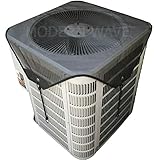
Overview: This MODERN WAVE cover provides intelligent top-only protection for central AC units. The 36" x 36" mesh design guards against leaves and debris while permitting airflow. Four adjustable bungee cords secure it to most standard outdoor condensers, making installation straightforward without tools.
What Makes It Stand Out: The open heavy-duty mesh material distinguishes this from solid covers by allowing air circulation, which prevents moisture buildup and internal corrosion. This design choice directly addresses the common problem of trapped condensation that shortens AC lifespan. The adjustable bungee system ensures a snug, universal fit across various unit brands.
Value for Money: Priced as a mid-range solution, it offers excellent ROI by preventing costly debris damage and spring maintenance. It costs less than full enclosure covers while solving the primary issue of foliage accumulation. For moderate climates, it eliminates repair expenses without the premium price of heavy-duty waterproof options.
Strengths and Weaknesses: Pros: Excellent ventilation prevents rust; easy tool-free installation; universal fit for standard units; lightweight yet durable; specifically targets leaf and branch debris.
Cons: Only covers the top—sides remain exposed; minimal protection against heavy precipitation; requires precise measurement; unsuitable for harsh winter regions.
Bottom Line: For homeowners seeking intelligent debris protection without moisture risks, this MODERN WAVE mesh defender is an excellent investment. It’s particularly ideal for regions with heavy foliage but mild winters, offering essential protection that preserves your AC’s efficiency and longevity.
2. THERMWELL AC2H Air Conditioner Cover, 18 by 27 by 16-Inch, Silver
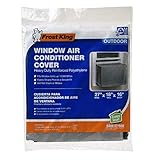
Overview: The THERMWELL AC2H is a compact silver cover designed specifically for window air conditioner units. Measuring 18" x 27" x 16", this polyethylene cover creates a protective barrier against water, ice, dust, and leaves during the off-season. Its tailored dimensions make it ideal for standard window units that require full enclosure protection when not in use.
What Makes It Stand Out: Unlike universal outdoor covers, this model is purpose-built for window units, ensuring a precise fit that eliminates gaps where drafts and moisture penetrate. The durable polyethylene material reflects sunlight and repels water, while its silver color minimizes heat absorption during storage. This specialized design addresses the unique challenges of window unit storage effectively.
Value for Money: As one of the most affordable AC covers available, it delivers exceptional value for protecting window units that would otherwise be exposed to harsh elements. The cost is negligible compared to replacing a damaged window AC, making it a wise seasonal investment for apartment dwellers and homeowners alike who want to extend their unit’s lifespan.
Strengths and Weaknesses: Pros: Perfectly sized for window units; completely blocks water and ice; durable polyethylene construction; lightweight and easy to install; silver finish reduces heat buildup.
Cons: Only fits window units—not for central AC; may trap moisture without ventilation holes; limited size range; polyethylene can become brittle in extreme cold over time.
Bottom Line: For window air conditioner owners seeking affordable, effective off-season protection, the THERMWELL AC2H is a no-brainer. It’s a simple, reliable solution that keeps your unit clean and functional year after year, especially valuable in climates with harsh winters and freeze-thaw cycles.
3. ULTCOVER Waterproof Square Air Conditioner Cover for Outside AC Units Size Upto 30W x 30D x 32H inch
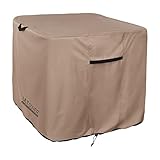
Overview: The ULTCOVER provides comprehensive waterproof protection for central AC units up to 30"W x 30"D x 32"H. Constructed from rugged 600D polyester canvas with waterproof backing, this full-coverage design shields against rain, hail, snow, and debris. Integrated air vents and side handles add functionality to this heavy-duty solution for year-round protection.
What Makes It Stand Out: This cover’s full enclosure design with strategic ventilation sets it apart. Unlike basic tarps, it features structured air vents that prevent condensation while maintaining waterproof integrity. The 600D polyester offers superior tear resistance, and the plastic clip/elastic cord system ensures the cover remains secure during severe weather, addressing common blow-off problems effectively.
Value for Money: While priced higher than mesh or basic covers, the ULTCOVER justifies its cost through complete weather protection and premium materials. It eliminates the need for separate winterization steps and prevents expensive coil damage from ice and debris. For regions experiencing severe weather, it’s a cost-effective insurance policy for your HVAC investment.
Strengths and Weaknesses: Pros: Complete waterproof protection; durable 600D material; ventilation prevents moisture; secure fastening system; convenient handles for installation.
Cons: Maximum 30" size may not fit larger units; full coverage can trap heat if vents fail; heavier than mesh alternatives; overkill for mild climates without harsh weather.
Bottom Line: The ULTCOVER is the premium choice for homeowners in harsh weather regions demanding maximum protection. Its thoughtful design balances waterproofing with ventilation, making it ideal for areas with heavy snow, rain, and wind where complete enclosure is essential for protecting your equipment.
4. Frost King 2-Piece Quilted Indoor Air Conditioner Cover, Large, fits units up to 20" x 28"
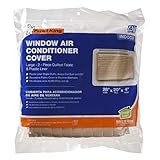
Overview: The Frost King 2-Piece Cover addresses indoor air conditioner storage with a smart dual-layer design. Sized for units up to 20" x 28", it combines a plastic draft-blocking liner with a decorative quilted fabric cover. This indoor-specific solution keeps dust out while preventing heated or cooled air from escaping through unused window units seasonally.
What Makes It Stand Out: The two-piece system is uniquely tailored for interior use. The plastic liner creates an airtight seal against drafts, while the machine-washable fabric cover provides aesthetic appeal that blends with home décor. This separation of function and form solves the common problem of unsightly indoor AC covers that still allow air leakage and energy waste.
Value for Money: Reasonably priced for a specialized indoor product, it pays for itself through energy savings by eliminating drafts. The washable fabric extends its lifespan indefinitely, offering better long-term value than disposable alternatives. It’s an economical solution for seasonal window unit storage inside the home that reduces heating and cooling costs.
Strengths and Weaknesses: Pros: Excellent draft prevention; decorative washable fabric; two-layer protection; specifically designed for indoor use; easy to install and remove seasonally.
Cons: Indoor use only—not weatherproof; limited to 20" x 28" units; fabric may fade in direct sunlight; not suitable for outdoor condensers or larger units.
Bottom Line: For homeowners storing window units indoors during off-seasons, the Frost King 2-Piece Cover is the ideal solution. It effectively blocks drafts, reduces energy waste, and maintains a clean appearance, making it perfect for finished basements or interior storage areas where both function and aesthetics matter.
5. Xeeol 36x36 Central Air conditioner Covers for Outside, Larger Mesh AC Unit Covers Outdoor - Top Universal Defender

Overview: The Xeeol 36x36 mesh cover provides robust top protection for central AC units with enhanced durability features. Made from thick resin mesh, this cover withstands extreme temperatures while blocking leaves and debris. The 20-inch stretchable bungee cord with stainless steel grommets ensures a secure, rust-resistant fit on most standard outdoor condenser units.
What Makes It Stand Out: This cover elevates the mesh design with premium materials. The thick resin mesh offers superior tear resistance compared to standard mesh, while stainless steel grommets prevent rust stains on your unit. The extra-long bungee cord accommodates larger or irregularly shaped condensers, providing versatility that basic mesh covers lack for various installations.
Value for Money: Priced slightly higher than entry-level mesh covers, the Xeeol justifies the premium through enhanced durability and rust-resistant hardware. The long-term value is excellent—preventing debris damage while avoiding replacement costs associated with inferior covers that deteriorate quickly in UV exposure and extreme weather conditions.
Strengths and Weaknesses: Pros: Thick durable resin mesh; rust-resistant stainless hardware; extra-long bungee cord; excellent airflow; universal 36" x 36" fit for standard units.
Cons: Top coverage only; higher price than basic mesh; requires careful measurement before purchase; limited protection against side-blown rain and snow.
Bottom Line: The Xeeol mesh cover is the premium top-cover choice for homeowners prioritizing durability and rust prevention. Its superior construction and thoughtful hardware selection make it ideal for coastal areas or regions with extreme temperature fluctuations where material longevity is paramount for protecting your HVAC system.
6. BROSYDA Central Large Air Conditioner Cover for Outside Units, Waterproof & Windproof Outdoor AC Units Cover Black (36"x36"x39" Inch)

Overview: This heavy-duty cover from BROSYDA protects central air conditioning units with robust 420D Oxford cloth construction. The silver-coated interior enhances weather resistance while preventing shrinkage, making it suitable for year-round use. Designed for 36"x36"x39" units, it shields against rain, snow, and extreme conditions that can degrade outdoor equipment.
What Makes It Stand Out: The intelligent Velcro side openings accommodate external air conditioning ducts without compromising coverage or creating uneven surfaces. Strategically placed air vents prevent moisture buildup and rust while allowing internal air discharge, eliminating ballooning in windy conditions. The adjustable bottom drawstring ensures a secure, custom fit that withstands gusts.
Value for Money: Priced competitively for premium covers, this model delivers exceptional durability compared to thinner 300D alternatives. The tear-resistant material and reinforced construction justify the investment, potentially saving hundreds in maintenance or premature unit replacement. Its all-season usability eliminates the need for seasonal cover changes.
Strengths and Weaknesses: Strengths include superior waterproofing, thoughtful ventilation design, and straightforward Velcro installation. The silver coating provides excellent UV protection, while the carry bag simplifies off-season storage. Weaknesses: the heavy-duty material adds weight during installation, and improper sizing can leave gaps—precise measurement is critical. The black color may absorb heat in sunny climates.
Bottom Line: An excellent choice for homeowners in harsh weather regions. The BROSYDA cover combines durability with intelligent design features that address common pain points. Measure carefully, and you’ll receive reliable protection that extends your AC unit’s lifespan significantly.
7. Jeacent Indoor Air Conditioner Cover Double Insulation Large
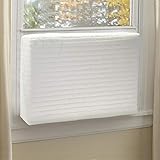
Overview: Specifically designed for indoor window units, this Jeacent cover addresses winter energy loss through installed air conditioners. Measuring 26-28" long x 18-20" high x 3.5" deep, it fits most 12,000-15,000 BTU units. The quilted poly/cotton construction creates a thermal barrier that prevents cold drafts from infiltrating living spaces.
What Makes It Stand Out: The patented double-insulation design integrates wind-blocking poly lining directly with the outer cover, eliminating separate layers that shift or bunch. Installation requires mere seconds—elastic straps secure it in one step without tools or complex adjustments. This convenience factor distinguishes it from bulkier indoor insulation solutions.
Value for Money: For under $30, this cover delivers measurable heating cost reductions by sealing a major thermal leak. It eliminates the hassle and potential damage of removing and reinstalling window units seasonally. Compared to DIY plastic sheeting or foam solutions, its durability and reusability across multiple winters provide outstanding ROI.
Strengths and Weaknesses: Strengths include machine washability, lightweight design, and effective draft elimination. The elastic strap system ensures compatibility with various window frame styles. Weaknesses: limited sizing options may not fit all units, and the aesthetic is purely functional rather than decorative. It won’t protect external unit components and is strictly for indoor use.
Bottom Line: A smart, budget-friendly solution for winterizing window AC units without removal. Ideal for renters and homeowners seeking immediate energy savings. The quick installation and proven insulation make it a worthwhile purchase for cold climate dwellers.
8. Central Air Conditioner Covers for Outside Units 36’’ x 36’’, AC Mesh Covers for Outside Unit, AC Unit Cover Outdoor Air Conditioner Condenser Hvac Heat Pump Cover Breathable Top Universal Defender

Overview: This mesh-style cover offers a breathable alternative to traditional waterproof covers. Measuring 36"x36", it protects outdoor AC units from leaves, snow, dust, and small animals while maintaining airflow. The high-strength polyester mesh construction provides flexible, tear-resistant coverage for multi-season use.
What Makes It Stand Out: Unlike solid covers that trap moisture, this design’s breathable mesh actively prevents condensation buildup and rust formation. The integrated installation system includes four elastic ropes with metal hooks, creating a snug fit that withstands strong winds without shifting. This ventilation-first approach extends equipment life by allowing the unit to breathe.
Value for Money: Positioned as a mid-range option, it costs less than heavy-duty waterproof models while addressing the primary concern of debris protection. For homeowners in moderate climates where extreme weather is rare, it prevents 90% of common maintenance issues at a fraction of premium cover prices. The multi-season durability ensures years of service.
Strengths and Weaknesses: Strengths include superior ventilation, lightweight handling, and universal sizing for standard units. The mesh effectively blocks leaves and animal intrusion while allowing moisture evaporation. Weaknesses: it offers limited protection against heavy rain or snow accumulation directly on sensitive components. The 36"x36" size may require careful measurement for non-standard units.
Bottom Line: Perfect for users prioritizing debris and pest protection over heavy weatherproofing. The breathable design makes it ideal for year-round use in temperate regions. Measure your unit carefully, and you’ll appreciate the maintenance reduction without the drawbacks of sealed covers.
9. Xeeol Air Conditioner Covers for Outside Units 36 x 36, 600D Waterproof AC Cover, AC Condenser Winter Cover - Snowproof, Rainproof
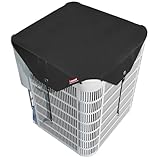
Overview: Xeeol’s premium cover employs 600D high-density Oxford fabric with PU coating composite technology for maximum weather protection. Sized at 36"x36" with multiple size options, it delivers comprehensive defense against snow, rain, UV rays, and animal nesting. The sealed design creates an impenetrable barrier for harsh winter conditions.
What Makes It Stand Out: The 600D fabric density exceeds most competitors (typically 420D), providing exceptional abrasion resistance and waterproofing. Anti-aging tests validate a 3-5 year lifespan, while UV-resistant coating prevents material degradation. The sealed bottom edge specifically deters rodents and small animals from establishing nests inside equipment.
Value for Money: While priced at the higher end, this cover eliminates up to 90% of weather-related maintenance costs according to manufacturer data. The extended lifespan and superior protection compared to standard covers justify the premium. It’s a one-time investment that prevents expensive coil damage, electrical issues, and corrosion repairs.
Strengths and Weaknesses: Strengths include outstanding waterproof performance (600D + PU coating), comprehensive size range, and robust animal deterrence. The anti-aging properties ensure longevity. Weaknesses: the non-breathable design may trap moisture if installed on warm units; proper installation timing is crucial. The heavier material requires more effort to secure than mesh alternatives.
Bottom Line: An exceptional heavy-duty option for severe winter climates. The superior material quality and construction justify the investment for protecting high-value HVAC equipment. Ensure proper sizing and install only after the unit has fully cooled and dried for optimal results.
10. UIRWAY 500D Air Conditioner Cover for Outside Units, [2025 Upgraded Heavy Duty Fabric] Outdoor Central AC Cover Winter, Waterproof Square Air Conditioning Covers with Air Vents, Fit 26"W x 26"D x 32"H
![UIRWAY 500D Air Conditioner Cover for Outside Units, [2025 Upgraded Heavy Duty Fabric] Outdoor Central AC Cover Winter, Waterproof Square Air Conditioning Covers with Air Vents, Fit 26"W x 26"D x 32"H](https://m.media-amazon.com/images/I/5185FA16JcL._SL160_.jpg)
Overview: UIRWAY’s 2025 upgraded cover features 500D Oxford fabric (170 GSM) that’s thicker than standard 420D options, designed for 26"W x 26"D x 32"H units. The triple-stitched seams withstand 12,000+ Pa water pressure, while UPF50+ UV protection blocks 99.99% of harmful rays. This premium cover balances heavy-duty protection with thoughtful ventilation.
What Makes It Stand Out: The triple windproof design combines a full-circle webbing strap with buckles rated for 176+ pounds of force, a bottom drawstring, and side Velcro openings—creating the most secure attachment system available. Reflective strips enhance nighttime visibility, while stereo mesh vents maximize airflow without compromising protection. Top handles simplify installation on the bulky cover.
Value for Money: Positioned as a premium product, it costs more than basic covers but delivers professional-grade durability. The heat-resistant coating (up to 230°F) prevents fading and rot that plagues PVC covers within months. For homeowners in extreme climates, the 3+ year colorfast guarantee and reinforced construction provide superior long-term value over replacing cheaper covers annually.
Strengths and Weaknesses: Strengths include exceptional wind security, UV resistance, and ventilation balance. The original-color yarn weaving maintains appearance, and reflective safety features are unique. Weaknesses: the premium price may exceed casual users’ budgets, and the specific sizing limits compatibility compared to adjustable models. Installation requires more steps than simpler designs.
Bottom Line: The ultimate choice for demanding environments where wind, sun, and snow pose equal threats. The engineering excellence and durability justify the investment for premium HVAC protection. Ideal for coastal or high-altitude installations requiring maximum defense.
Why Coastal Environments Demand Specialized Protection
Coastal regions present a perfect storm of corrosive elements that can destroy standard air conditioner covers in months rather than years. Salt aerosols carried by onshore winds deposit microscopic chloride particles on every surface of your outdoor unit. These particles are hygroscopic, meaning they actively draw moisture from the humid air, creating a perpetually damp, salty film that eats away at metal components. Standard covers designed for inland use typically lack the specialized materials and construction needed to withstand this relentless assault, often trapping moisture rather than repelling it.
The marine layer that rolls in many mornings brings additional challenges beyond just salt. This dense, moist air creates extended periods of high humidity that can penetrate inferior covers and settle inside your unit. When combined with salt residue, this creates an electrochemical reaction that accelerates rust formation on coils, fasteners, and electrical connections. Temperature fluctuations between cool nights and warm days cause condensation cycles inside improperly ventilated covers, essentially creating a miniature sauna that breeds corrosion. Your coastal AC cover must act as a sophisticated barrier system, not just a simple dust cover.
Key Features to Look for in Coastal AC Covers
Material Durability and Corrosion Resistance
The foundation of any effective coastal AC cover lies in its material composition. Look for marine-grade fabrics specifically engineered to resist salt degradation, typically featuring solution-dyed acrylic or polyester with specialized anti-corrosive coatings. These materials undergo accelerated salt spray testing (ASTM B117) to ensure they can withstand thousands of hours of exposure without breaking down. Avoid standard vinyl or polyethylene covers that become brittle and crack when exposed to UV and salt combination.
Premium coastal covers incorporate non-metallic, corrosion-resistant hardware throughout. Zippers should feature plastic teeth rather than metal, while grommets and fastening points should use reinforced composite materials or marine-grade stainless steel (316 grade) if metal is absolutely necessary. The stitching thread itself matters—bonded polyester or PTFE-thread resists salt absorption and maintains seam strength where conventional threads would rot away.
UV Protection Capabilities
Intense coastal sunlight reflects off water surfaces, creating amplified UV exposure that can degrade cover materials surprisingly quickly. Quality covers specify their UV resistance rating, typically measured in hours of accelerated weathering testing. Aim for covers rated for at least 2,000 hours of UV exposure, which translates to roughly 5-7 years of service life in direct sunlight. Some advanced materials include titanium dioxide or other UV inhibitors baked into the fabric rather than surface-applied, ensuring the protection won’t wash or wear away.
Color choice significantly impacts UV performance and heat buildup. Light colors like tan or light gray reflect solar radiation and stay cooler, reducing thermal stress on both the cover and your AC unit underneath. Dark colors absorb more heat, which can create damaging temperature extremes and accelerate material degradation. Coastal-specific covers often feature reflective pigments that bounce back infrared radiation while still providing attractive appearance.
Water Resistance vs. Waterproofing
This distinction proves critical for coastal applications. Completely waterproof covers sound appealing but often create more problems than they solve by trapping condensation inside. The best coastal AC covers achieve a delicate balance: highly water-resistant to shed rain and salt spray, yet breathable enough to allow moisture vapor to escape. Look for materials with a high hydrostatic head rating (measured in millimeters) combined with a high moisture vapor transmission rate (MVTR).
Advanced covers achieve this through microporous membrane technology similar to high-end outdoor gear. These membranes contain pores small enough to block liquid water droplets but large enough to allow water vapor molecules to pass through. Some designs incorporate built-in ventilation flaps or chimney systems that promote air circulation without letting in precipitation. For areas prone to heavy horizontal rain during storms, look for overlapping flap designs that channel water away from seams and openings.
Breathability and Moisture Management
Proper ventilation stands as the most crucial yet overlooked feature in coastal AC covers. Without adequate airflow, covers transform into condensation chambers, especially during temperature swings common in coastal climates. The most effective designs incorporate multiple ventilation strategies working in concert. Mesh panels positioned strategically allow cross-ventilation while keeping out debris and pests. Some premium covers feature active ventilation systems with small solar-powered fans that circulate air through the unit.
Consider covers with raised designs that create an air gap between the cover and your AC unit’s top surface. This separation prevents the cover from lying directly on the unit, which would trap moisture and transfer heat. Look for internal frames or built-in spacers that maintain this critical clearance. The cover’s bottom edge should also be weighted or elasticized to create a seal against windblown rain while still allowing some air exchange at the base.
Secure Fastening Systems
Coastal storms can generate sustained winds exceeding 60 mph, with gusts much higher during tropical systems. Your cover’s attachment system must withstand these forces without tearing or coming loose. Avoid covers with simple drawstrings or lightweight bungee cords. Instead, look for heavy-duty fastening systems featuring multiple anchor points, reinforced tie-down straps, and quick-release buckles rated for marine use.
The best designs distribute wind loads across the entire cover rather than concentrating stress at a few points. Integrated strap systems that wrap completely around the unit and secure with cam buckles or heavy-duty Velcro provide superior holding power. Some covers include additional grommeted corners for supplemental anchoring with bungees or ropes. Quick-release features prove valuable for unexpected cold fronts or when you need to run the AC during an unseasonably warm winter day.
Understanding Salt Air Corrosion
How Salt Affects Different Materials
Salt corrosion doesn’t affect all materials equally, and understanding these differences helps you evaluate cover construction. Metals suffer most dramatically—iron and steel corrode through electrochemical reactions accelerated by chloride ions. Even aluminum, typically corrosion-resistant, can experience pitting corrosion in severe salt environments. This explains why covers with metal components require careful material selection or complete avoidance.
Synthetic fabrics generally resist salt damage better than natural materials, but not all plastics are equal. Polypropylene degrades relatively quickly under UV and salt combination, becoming chalky and brittle. Polyester and acrylic perform significantly better, especially when solution-dyed. Natural canvas, while breathable, absorbs salt and moisture, leading to rot and mildew unless treated with specialized marine-grade coatings that must be reapplied periodically.
The Science of Coastal Degradation
The corrosion process in coastal environments involves complex electrochemistry. When salt (sodium chloride) dissolves in the thin film of moisture on metal surfaces, it separates into charged ions. These ions increase the electrical conductivity of the moisture film, accelerating the flow of electrons from metal atoms, which is the fundamental process of rust formation. This reaction occurs even at relative humidity levels as low as 40% when salt is present, compared to 60-70% required in salt-free environments.
The damage compounds over time. Initial corrosion creates rough surfaces that trap more salt and moisture, establishing a feedback loop of accelerating degradation. Temperature increases exponentially speed up these reactions, meaning covers that absorb solar heat can actually worsen corrosion if they trap moisture inside. This scientific reality underscores why proper material selection and ventilation aren’t just nice-to-have features—they’re essential for effective protection.
Sizing and Fit Considerations
Measuring Your Outdoor Unit
Accurate measurements form the foundation of proper cover selection. Measure your unit’s height, width, and depth at the widest points, including any refrigerant lines, electrical disconnects, or mounting pads that protrude. Don’t rely on manufacturer model numbers alone, as external dimensions can vary even within the same product line. Add 2-4 inches to each dimension to ensure adequate clearance for airflow and ease of installation.
Document the location of service panels, control boxes, and line sets. The best covers accommodate these features with strategic cutouts or adjustable panels rather than forcing you to choose between complete coverage and service access. Take photos from multiple angles to reference when shopping. Some premium manufacturers offer custom sizing services where you provide exact measurements for a perfectly tailored fit.
Custom vs. Universal Fit Options
Universal-fit covers appeal with their lower price points and immediate availability, but they compromise on protection in coastal environments. The excess material that makes them “universal” creates billowing pockets that catch wind and flap against your unit, potentially causing abrasion damage. The loose fit also allows salt spray to infiltrate around the base and through gaps.
Custom-fit covers, while more expensive, provide superior protection by eliminating excess material and creating a sleek profile that resists wind uplift. They position vents, access panels, and fastening points exactly where needed for your specific unit. For coastal homes, the investment in custom sizing typically pays for itself through extended equipment life and avoided repair costs. Some manufacturers offer semi-custom options with adjustable straps and panels that provide near-custom fit without the full custom price premium.
Clearance Requirements for Proper Airflow
Maintaining proper clearance between your cover and AC unit isn’t just about preventing condensation—it also protects mechanical components. The fan grille at the top of your unit requires several inches of clearance to prevent the cover from interfering with the fan blades if wind causes the cover to shift or sag. Compressor compartments need airflow space to prevent heat buildup during unexpected warm spells when the unit might cycle on.
Side clearances prove equally important. Refrigerant lines and electrical connections shouldn’t press against cover material, as friction can wear through protective coatings and insulation. Look for covers with reinforced, padded sections designed to sit near these sensitive components. The bottom clearance should be sufficient to prevent the cover from dragging on mounting pads or landscaping while still creating a seal against ground-level salt spray.
Seasonal Protection Strategies
Winter Weatherization for Coastal Homes
Winter along the coast brings unique challenges that differ from inland climates. Nor’easters deliver driving rain combined with freezing temperatures, creating ice accumulation that can damage delicate coil fins. Salt spray doesn’t stop just because temperatures drop—in fact, winter storms often generate more aerosolized salt due to higher wind speeds. Your winter cover strategy must address these combined threats.
Consider a two-layer approach for harsh winter protection. A primary breathable cover handles everyday moisture and salt management, while a secondary storm cover (removed during fair weather) provides extra protection during major weather events. Remove covers periodically during winter to inspect for trapped moisture and allow the unit to dry completely if condensation has accumulated. In areas prone to snow, ensure your cover’s pitch allows snow to slide off rather than accumulating and weighing down the material.
Summer Storage Solutions
Paradoxically, the off-season for cooling in coastal areas often coincides with peak hurricane season. When your AC runs frequently, covers should be completely removed and stored properly. Improper storage during summer can degrade the cover itself, rendering it less effective when needed again. Always clean covers thoroughly with fresh water before storage to remove salt residue that would continue degrading material during the off-season.
Store covers in a cool, dry location away from direct sunlight. Avoid storing in sealed plastic bags that trap moisture—instead, use breathable storage bags or hang covers loosely in a garage or shed. Inspect covers before storing and repair any small tears or loose stitching. Some homeowners maintain two covers: one actively protecting the unit while the other undergoes cleaning and repair, ensuring continuous protection without rushing maintenance.
Year-Round vs. Seasonal Use
Some coastal homeowners choose to cover units year-round, even during cooling season, using specialized ventilated covers designed for operation. These covers feature large mesh panels that allow adequate airflow while still filtering salt spray and debris. However, this approach requires careful monitoring to ensure the unit doesn’t overheat and that airflow remains unrestricted. Most manufacturers advise against operating units with any cover in place.
Seasonal use, typically from late fall through early spring, remains the most common and recommended approach. This strategy protects the unit during its most vulnerable period while ensuring optimal performance during cooling season. The key is establishing a consistent schedule for installation and removal, ideally coordinating with HVAC maintenance visits. Mark your calendar for cover installation after the first frost and removal before the first 70-degree day to avoid being caught off-guard by temperature swings.
Installation Best Practices
Step-by-Step Secure Installation
Proper installation determines whether your cover provides protection or becomes a liability. Begin by thoroughly cleaning your AC unit with a garden hose and mild detergent to remove existing salt and debris. Allow the unit to dry completely—preferably on a sunny day with low humidity. Inspect the unit for any existing damage or corrosion that should be addressed before covering.
Install the cover during calm weather, never during windy conditions where you might struggle to position it properly. Start by placing the cover over the top, ensuring it’s oriented correctly with any vents or access panels positioned appropriately. Secure the top fasteners first, then work your way down the sides, maintaining even tension. Avoid pulling any single strap too tight, which can distort the cover and create stress points. Double-check that all ventilation openings are unobstructed and that the cover isn’t contacting any refrigerant lines or electrical components.
Common Installation Mistakes to Avoid
The most frequent error involves installing covers too tightly in an attempt to create a “sealed” environment. This inevitably traps moisture and accelerates corrosion. Another mistake is failing to secure the bottom edge properly, allowing wind to billow underneath and turn the cover into a sail. Never use metal bungee hooks or uncoated metal stakes near your unit—these introduce new corrosion sources.
Avoid covering units immediately after rain or when heavy dew is present. The trapped moisture has nowhere to go and will sit against metal surfaces for extended periods. Don’t ignore the ground around your unit—salt accumulates on concrete pads and surrounding surfaces, splashing up during rain. Consider treating the pad with a concrete sealer and maintaining vegetation to reduce salt spray infiltration from below.
Maintenance While Covered
Covered units still require periodic attention throughout the protection season. Monthly visual inspections from a distance can reveal problems like loosening straps, animal nesting, or storm damage. Every 6-8 weeks during extended coverage periods, remove the cover on a dry, sunny day to allow the unit to breathe and to inspect for any condensation issues or pest activity.
After major storms, always check that the cover remains securely fastened and hasn’t developed tears from wind or flying debris. Look for water pooling on top of the cover, which indicates drainage issues. Keep the area around the unit clear of leaves and debris that could trap moisture against the cover’s base. If you notice salt residue accumulating on the cover’s exterior, rinse it with fresh water—this prevents the salt from eventually working through the material.
Material Comparison Guide
Vinyl and Synthetic Options
Marine-grade vinyl offers excellent water resistance and easy cleaning but requires careful evaluation for coastal use. Cheaper vinyl formulations become brittle and crack within a year or two of UV and salt exposure. Premium marine vinyl, however, incorporates UV stabilizers, plasticizers that resist extraction by salt water, and anti-fungal additives. Look for vinyl with a high denier rating (at least 600D) and double-stitched, heat-welded seams rather than simple sewn seams that allow water penetration.
PVC-coated polyester combines the best attributes of both materials—the strength and breathability of polyester fabric with the waterproof properties of PVC coating. The coating should be applied to the exterior only, leaving the interior fabric breathable. Check that the PVC is phthalate-free and formulated for marine environments. These hybrids typically offer 5-7 year lifespans in coastal conditions when properly maintained.
Canvas and Natural Fabrics
Traditional cotton canvas, even when treated, generally performs poorly in coastal environments unless meticulously maintained. The fabric absorbs salt and moisture, leading to mildew, rot, and eventual failure. However, modern solution-dyed acrylic canvas (like those used in boat covers) offers superior performance. These fabrics mimic canvas’s breathable, attractive appearance while providing synthetic durability and built-in UV resistance.
Hemp and other natural fiber blends marketed as “eco-friendly” options require careful scrutiny. While they may offer environmental benefits, they typically lack the salt and UV resistance needed for long-term coastal deployment. If choosing natural materials, ensure they’ve been treated with marine-grade water repellents and fungicides, and plan for more frequent replacement cycles—typically every 2-3 years versus 5-7 for synthetics.
Hybrid Material Technologies
The latest generation of coastal AC covers employs sophisticated multi-layer laminates. These typically feature a rugged outer layer of ripstop polyester or nylon for abrasion resistance, a middle waterproof/breathable membrane similar to Gore-Tex, and a soft inner layer that protects your unit’s finish. While expensive, these covers provide unmatched protection and often last a decade or more.
Some innovative covers incorporate phase-change materials that regulate temperature, reducing condensation cycles. Others embed copper or silver ions in the fabric to provide antimicrobial protection that prevents mildew growth. Self-healing coatings that seal small punctures automatically represent another emerging technology. While these premium features add cost, they can be worthwhile investments for high-value HVAC systems in severe coastal environments.
Additional Protective Features
Pest and Rodent Barriers
Coastal environments attract specific pests seeking shelter in your AC unit. Salt marsh mosquitoes, sand fleas, and rodents view the protected interior of your condenser as prime real estate. Quality covers incorporate fine mesh screens (at least 20 openings per inch) over any ventilation openings to block insect entry. The material itself should be chew-resistant—rodents can gnaw through thin vinyl or fabric to access the warm, protected space.
Some covers feature ultrasonic pest repellent pockets where you can insert battery-powered devices. Others use natural repellents like cedar linings or peppermint-embedded fabrics. The base seal design matters significantly for rodent exclusion—weighted hems that conform tightly to mounting pads prevent entry from below. Regular inspection remains crucial, as persistent rodents can breach even well-designed barriers.
Wind Resistance Ratings
Manufacturers rarely publish formal wind resistance ratings, but you can evaluate design features that indicate storm-worthiness. Reinforced corner construction with double or triple stitching prevents tear propagation. Strap systems should create downward tension across the entire cover surface rather than just at attachment points. Covers that balloon outward in moderate breezes will fail in serious storms.
Look for covers tested in wind tunnels or with real-world validation in hurricane-prone areas. Some designs incorporate aerodynamic features like tapered shapes that shed wind rather than catching it. Vents positioned on the leeward side (relative to prevailing winds) reduce internal pressure buildup during gusts. If you live in hurricane evacuation zones, consider covers with quick-release features that allow you to remove them before abandoning your property, preventing them from becoming projectiles.
Aesthetic Considerations
Your AC cover will be visible year-round, so appearance matters for curb appeal and property values. Coastal color palettes—sandy beiges, driftwood grays, seafoam greens—blend naturally with seaside landscaping. Avoid bright colors that fade quickly or dark colors that show salt residue. Some manufacturers offer custom printing that can match your home’s exterior or even display decorative patterns.
Consider the cover’s visual bulk. Form-fitting designs look sleeker and more intentional than baggy universal covers. Some premium options mimic architectural elements like lattice or shutter patterns, transforming a necessary utility into a design feature. Remember that appearance shouldn’t compromise function—those beautiful decorative covers must still provide the ventilation and protection your coastal environment demands.
Cost vs. Value Analysis
Price Ranges and What to Expect
Entry-level coastal AC covers ($50-$100) typically use thinner vinyl or polyester with basic features. While tempting budget options, they rarely last more than 1-2 seasons in harsh coastal environments and often cost more long-term through frequent replacements. Mid-range covers ($100-$250) offer marine-grade materials, better ventilation, and more secure fastening systems, providing 3-5 years of service.
Premium covers ($250-$500) justify their price through advanced materials, custom sizing, and features like integrated ventilation systems and storm-rated construction. For coastal homes in severe environments or with high-end HVAC systems, these represent the best value despite higher upfront cost. Custom covers for large commercial-style units can exceed $500 but protect equipment worth tens of thousands of dollars.
Longevity and Replacement Cycles
Realistic lifespan expectations help you calculate true cost of ownership. In moderate coastal environments (5-10 miles from shore), quality covers last 5-7 years. In direct beachfront locations with constant salt spray, even premium covers may need replacement every 3-4 years. Factors like cover color (light lasts longer), maintenance diligence, and storm frequency significantly impact longevity.
Track your cover’s age and condition proactively. Fading indicates UV degradation, even if the material still appears intact. Stiffness or cracking sounds when flexing the material signal plasticizer loss. Discoloration or mildew on the interior surface suggests breathability failure. Planning replacement before failure ensures continuous protection. Some manufacturers offer trade-in programs or discounts on replacement covers, reducing long-term costs.
Warranty Considerations
Warranty terms reveal manufacturer confidence in their products. Look for at least 3-year warranties on materials and workmanship for coastal applications. Read exclusions carefully—many warranties void coverage for “severe weather” or “marine environments,” precisely what coastal homeowners face. Premium manufacturers specifically warrant their products for coastal use and cover damage from normal salt exposure.
Understand what the warranty actually covers. Material defects matter, but installation-related failures (tears from improper securing) usually aren’t covered. Some warranties are prorated, meaning you receive diminishing returns as the cover ages. Others offer full replacement for the entire warranty period. Keep purchase documentation and register your product promptly, as some warranties require registration within 30 days.
Environmental and Sustainability Factors
Eco-Friendly Material Options
Sustainability-conscious coastal homeowners face a dilemma: many durable, long-lasting materials aren’t environmentally friendly, while “green” options may lack longevity. Some manufacturers now use recycled ocean plastics to create polyester fabric, directly addressing marine pollution while providing performance. These materials carry certifications like Global Recycled Standard (GRS) verification.
Biodegradable treatments for natural fabrics represent another eco-friendly approach. Rather than persistent chemical coatings, these use plant-based water repellents that break down harmlessly at end-of-life. Some covers use natural rubber elastic rather than synthetic alternatives. While these options may require more frequent replacement, their lower environmental impact over the product lifecycle can offset the inconvenience for environmentally motivated buyers.
Recyclability and End-of-Life Disposal
Consider what happens when your cover reaches end-of-life. Multi-material laminates, while highly effective, are nearly impossible to recycle and end up in landfills. Single-material covers (like pure polyester) offer better recycling prospects. Some manufacturers have take-back programs where they recycle old covers into new products, creating a closed-loop system.
Metal components complicate recycling. Covers with minimal or no metal hardware are easier to process. If your cover does contain metal, separate it before disposal. Local marine supply stores often know specialized recycling options for boat cover materials that may accept AC covers. Planning disposal responsibly from purchase ensures your environmental protection efforts extend beyond your immediate property.
Frequently Asked Questions
How often should I replace my coastal AC cover?
In direct beachfront locations, plan for replacement every 3-4 years even with premium covers. For homes 5+ miles inland, quality covers typically last 5-7 years. Inspect annually for stiffness, fading, or interior mildew, which indicate material breakdown.
Can I run my AC with the cover on?
Never operate your air conditioner with a full cover in place. Some ventilated “weather shields” allow operation, but these aren’t true covers. Always remove the cover completely before starting your system to prevent overheating and airflow restriction.
What’s the difference between water-resistant and waterproof covers?
Water-resistant covers shed rain while allowing moisture vapor to escape, preventing condensation buildup. Waterproof covers block all moisture but trap humidity inside, often causing more corrosion than no cover. For coastal use, water-resistant breathable covers are superior.
How do I clean salt buildup from my cover?
Rinse monthly with fresh water using a garden hose on gentle spray. For heavy buildup, use mild soap and a soft brush, then rinse thoroughly. Avoid pressure washers, which can damage protective coatings. Always allow the cover to dry completely before reinstalling.
Will a cover void my HVAC warranty?
Properly used covers won’t void warranties. However, damage caused by improper covers (trapping moisture, causing overheating) may not be covered. Check your HVAC manufacturer’s guidelines and use covers specifically designed for coastal environments.
Should I cover my AC in summer if I’m away?
If leaving for extended summer periods, it’s better to have someone run the AC periodically rather than covering it during hot, humid months. If covering is unavoidable, use a highly ventilated cover and arrange for someone to remove it weekly to prevent condensation damage.
How do I prevent mold under the cover?
Ensure the cover is completely dry before installation. Choose breathable materials with ventilation features. Remove the cover periodically on dry days to air out the unit. Some covers incorporate antimicrobial treatments that inhibit mold growth.
Are custom covers worth the extra cost for coastal homes?
For severe coastal environments, custom covers typically pay for themselves through better fit, superior protection, and longer lifespan. The elimination of billowing material reduces wind damage, while precise vent placement maximizes effectiveness.
What’s the best color for a coastal AC cover?
Light colors like tan, light gray, or off-white reflect heat and UV radiation, staying cooler and lasting longer. They also show salt residue less than dark colors. Avoid bright colors that fade quickly and dark colors that absorb excessive heat.
Can I repair a torn coastal AC cover?
Small tears can be repaired with marine-grade repair tape or patch kits designed for boat covers. However, tears indicate material degradation, and repaired covers typically won’t last much longer. For large tears or multiple repairs, replacement is more cost-effective than risking inadequate protection.
See Also
- We Tested 50 Air Conditioner Covers - Here are the 10 Best for Winter Use
- 10 Best Window Air Conditioner Covers for Year-Round Weather Defense in 2026
- 10 Best Budget Window Air Conditioner Covers Under $35 for Winter Use
- 10 Affordable Indoor Air Conditioner Covers That Don’t Sacrifice Quality in 2026
- How to Choose the 10 Best Portable Air Conditioner Covers for Small Spaces in 2026