Table of Contents
Breathing easy shouldn’t feel like a luxury, yet for millions managing asthma, every inhale matters more than most people realize. Your air conditioning system does far more than regulate temperature—it serves as the primary gatekeeper between outdoor pollutants and your indoor sanctuary. For asthma sufferers, an ordinary filter that simply blocks dust bunnies simply doesn’t cut it anymore. The right filter kit transforms your HVAC system into a sophisticated defense system, capturing microscopic triggers that can turn a peaceful evening into a respiratory battle.
As we move through 2026, filtration technology has evolved beyond simple mesh screens to include smart monitoring, multi-stage capture systems, and materials specifically engineered to neutralize the exact particle sizes that provoke asthma attacks. Understanding these advancements isn’t just about buying a better product—it’s about investing in fewer emergency inhaler uses, better sleep quality, and the freedom to actually relax in your own home. This guide walks you through everything you need to know to make an informed decision without getting lost in technical jargon or marketing hype.
Top 10 Air Conditioner Filter Kits for Asthma


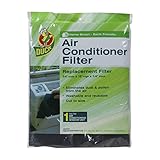
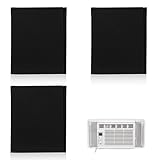
Detailed Product Reviews
6. AC Safe EconomyPlus 15 in. W x 24 in. H x 1/4 in. D Polyester Air Conditioner Filter-Total Qty, 1 Count (Pack of 1), Gray|Grey
Overview: The AC Safe EconomyPlus is a basic polyester air conditioner filter designed for window units and compact HVAC systems where space is limited. Measuring 15x24x1/4 inches, this washable mesh filter provides fundamental protection against large dust particles and debris for single-room cooling applications that don’t require advanced filtration capabilities.
What Makes It Stand Out: This filter distinguishes itself through reusability and ultra-slim profile. Unlike disposable pleated options, the polyester construction can be rinsed clean and reused for years, reducing environmental waste. Its 1/4-inch depth fits older or space-constrained AC units that cannot accommodate standard 1-inch filters, solving a compatibility issue for legacy equipment owners.
Value for Money: Priced under $10, this represents extreme budget-friendliness. The washable design extends its lifespan indefinitely with proper care, costing mere pennies per month. However, this economy comes at the expense of filtration performance—its low MERV rating (typically 1-4) captures only large particles, making it unsuitable for meaningful allergen control.
Strengths and Weaknesses: Strengths:
- Extremely affordable initial cost
- Washable and reusable for years
- Fits compact and older AC units
- Reduces landfill waste
Weaknesses:
- Minimal filtration efficiency
- Captures only large dust, not allergens
- Requires regular cleaning maintenance
- Not suitable for respiratory concerns
Bottom Line: Ideal for budget-conscious consumers needing basic debris protection for window units. Skip this if you require allergen control or have respiratory sensitivities.
7. AprilAire 1413 Air Filter High-Performance Upgrade Kit for 2140 and 2400 Air Purifiers – Replaces 401 Air Filter

Overview: The AprilAire 1413 upgrade kit transforms aging 2140 and 2400 whole-house air purifiers from MERV 10 to MERV 13 performance. This conversion kit includes a new rail system and filter, breathing new life into existing units without requiring complete system replacement—essentially modernizing your air purifier’s capabilities.
What Makes It Stand Out: This kit’s brilliance lies in retrofitting older systems with contemporary filtration technology. The patented Self-Seal Technology eliminates bypass air, ensuring all household air passes through the filter media. It also future-proofs your investment, accepting multiple filter types from MERV 11 to MERV 16 as your needs evolve.
Value for Money: At $80-100, it’s significantly cheaper than a $500+ new air purifier. The MERV 13 filter captures 75% more virus-sized particles and 40% more dust than the original 401 filter, delivering measurable health benefits that justify the premium over standard replacements. The upgrade pays for itself through extended equipment life.
Strengths and Weaknesses: Strengths:
- Dramatically boosts filtration efficiency
- Self-Seal Technology prevents air leakage
- Compatible with multiple filter options
- Extends lifespan of existing equipment
Weaknesses:
- Only fits specific AprilAire/Space-Gard models
- Higher upfront cost than standard filters
- Installation may challenge novice DIYers
Bottom Line: A smart investment for owners of compatible units seeking hospital-grade air quality without the expense of a complete system replacement.
8. AprilAire 416 Replacement Filter for AprilAire Whole House Air Purifiers - MERV 16, Allergy, Asthma, & Virus, 16x25x4 Air Filter (Pack of 1)

Overview: The AprilAire 416 is a genuine MERV 16 replacement filter engineered in the USA for select whole-house air purifiers. It captures up to 98% of virus-sized particles and 99% of asthma and allergy triggers, delivering medical-grade filtration for residential applications where respiratory health is paramount.
What Makes It Stand Out: This filter represents the pinnacle of residential air purification. The patented Self-Seal Technology creates an airtight fit, eliminating bypass that plagues standard filters and allows harmful particles to circulate. Its Interlock Rail System requires zero assembly—simply slide in and close the door, eliminating the frustration of cardboard reinforcements.
Value for Money: Priced at $60-80, it’s undeniably premium. However, for households with severe allergies, asthma, or immunocompromised members, the cost translates to measurable health protection. The six-month lifespan averages $10-13 monthly—less than many portable HEPA purifiers while treating your entire home.
Strengths and Weaknesses: Strengths:
- Exceptional MERV 16 filtration performance
- Captures viruses, bacteria, ultrafine particles
- Self-Seal prevents air bypass completely
- Genuine OEM quality guarantee
Weaknesses:
- High price point per filter
- Requires compatible AprilAire system
- Overkill for homes without respiratory concerns
Bottom Line: The gold standard for whole-house filtration. Essential for health-sensitive households with compatible systems; excessive for basic dust control needs.
9. NentMent 10 Pack Mini Split Air Conditioner Vent Filters Cover Anti-Dust Secondary Air Cleaning Filter for Home Air Conditioners Vents Air Purification Wall Mounted A/C Unit Heat Pump Heater

Overview: This value pack includes ten non-woven fabric filters designed as secondary protection for ductless mini-split AC units. Measuring 15.75x13.78 inches, these DIY covers attach to vent openings to trap visible dust and pet hair before it enters the main system, potentially extending primary filter life in dusty environments.
What Makes It Stand Out: These filters address a market gap—affordable, disposable protection for mini-splits that lack standardized filter slots. The lightweight, breathable material minimizes airflow restriction while capturing macro particles. The ten-pack quantity allows frequent replacements, maintaining efficiency without breaking the bank.
Value for Money: At roughly $1 per filter, the price is unbeatable. For pet owners or households in high-dust areas, these can reduce main filter cleaning frequency. However, their unknown MERV rating and non-certified design mean they function as a supplement, not replacement, for manufacturer-recommended filtration.
Strengths and Weaknesses: Strengths:
- Extremely inexpensive per-unit cost
- Customizable size for various vent configurations
- Reduces main filter maintenance frequency
- Convenient multi-pack supply
Weaknesses:
- No certified MERV rating
- May reduce airflow if installed improperly
- Adhesion method not specified
- Not a substitute for primary filters
Bottom Line: A clever, low-cost hack for mini-split owners battling dust. Treat as a temporary supplement rather than a primary filtration solution.
10. AprilAire 216 Replacement Filter for AprilAire Whole House Air Purifiers - MERV 16, Allergy, Asthma, & Virus, 20x25x4 Air Filter (Pack of 2)
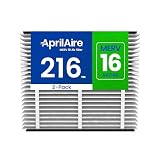
Overview: The AprilAire 216 two-pack delivers genuine MERV 16 filtration for larger whole-house systems requiring 20x25x4-inch filters. Designed for models like the 2200 and 4200 series, these filters capture 98% of virus-sized particles and 99% of allergens, providing a full year of premium air purification in a single purchase.
What Makes It Stand Out: This twin-pack offers the same medical-grade filtration as the 416 model but in the more common 20x25x4 size with superior per-filter economics. The Self-Seal Technology and tool-free Interlock Rail installation remain standout features that prevent bypass and simplify maintenance, while the two-pack ensures you always have a replacement ready.
Value for Money: At $120-140 for two filters (six-month life each), the per-filter cost drops 15-20% versus single purchases. This translates to $10-12 monthly for hospital-level air quality—competitive with mid-range room purifiers while treating your entire home. The convenience factor of having spares adds further value.
Strengths and Weaknesses: Strengths:
- MERV 16 superior particle capture efficiency
- Two-pack offers better long-term value
- Patented Self-Seal Technology
- Genuine OEM perfect fit guarantee
Weaknesses:
- High initial investment required
- Limited to specific AprilAire models
- May be excessive for mild air quality needs
Bottom Line: Outstanding bulk value for compatible whole-house systems. The two-pack ensures consistent protection while lowering long-term costs for households prioritizing respiratory health.
Understanding Asthma Triggers and Indoor Air Quality
Asthma attacks aren’t random events—they’re responses to specific airborne enemies floating through your living space. The microscopic world inside your home includes pollen grains that hitch rides on clothing, pet dander that lingers for months, dust mite feces that become airborne with the slightest disturbance, and mold spores that thrive in dark corners. Add in volatile organic compounds from cleaning supplies, off-gassing furniture, and outdoor pollution that seeps through tiny cracks, and you’ve got a cocktail of potential triggers circulating through your vents.
Your HVAC system recycles this indoor air 5-7 times per day, meaning every particle gets multiple opportunities to reach your lungs. Standard filters are designed primarily to protect the equipment itself from large debris, not to safeguard your respiratory health. This fundamental difference explains why so many asthma sufferers still struggle despite having “good” filters in place.
Why Standard AC Filters Aren’t Enough for Asthma
That basic fiberglass filter your landlord installed costs a few dollars for a reason—it stops visible lint and hair but waves through the microscopic troublemakers. These filters typically rate between MERV 1-4, capturing less than 20% of particles smaller than 10 microns. For context, a single strand of human hair is about 70 microns thick, while asthma-triggering particles often measure under 2.5 microns.
The gap between equipment protection and health protection creates a false sense of security. Your AC unit might run efficiently, but your lungs work overtime filtering what the equipment missed. This is where specialized filter kits designed specifically for respiratory conditions become essential, not optional.
Key Filter Technologies for Asthma Relief
HEPA Filtration Standards
True HEPA (High-Efficiency Particulate Air) filters remain the gold standard for asthma management, capturing 99.97% of particles as small as 0.3 microns. This size range is critical because it’s the most penetrating particle size—the hardest to trap. A genuine HEPA filter uses dense, randomly arranged fibers that create a maze-like path, forcing particles to collide and stick through diffusion, interception, and impaction.
However, not all “HEPA-type” or “HEPA-like” filters meet this rigorous standard. For asthma sufferers, only True HEPA provides the consistent protection needed. The 2026 manufacturing standards have tightened, requiring third-party testing verification for any filter claiming HEPA status.
Activated Carbon and Chemical Absorption
While HEPA tackles particles, activated carbon addresses the gaseous triggers that HEPA can’t touch. These filters use treated charcoal with millions of microscopic pores that adsorb volatile organic compounds, smoke odors, and chemical fumes. For asthma sufferers sensitive to cleaning products, new furniture off-gassing, or wildfire smoke, this stage isn’t optional—it’s critical.
Modern carbon filters in 2026 feature enhanced impregnation techniques, binding specific chemicals like formaldehyde and benzene more effectively than ever before. The best kits position carbon as a pre-filter stage, preventing gas molecules from passing through while extending the HEPA filter’s lifespan.
Electrostatic Precipitation
Electrostatic filters use an electric charge to attract particles like a magnet, capturing contaminants as small as 0.1 microns without the airflow restriction of dense HEPA media. These washable, reusable filters appeal to eco-conscious buyers and those tired of frequent replacements. The technology works by creating a corona discharge that charges incoming particles, which then stick to oppositely charged plates.
For asthma sufferers, the key consideration is ozone generation. Quality 2026 models include ozone suppression technology, but cheaper versions can introduce this lung irritant into your home. Always verify zero ozone emission certification before purchasing electrostatic components.
UV-C Light Sanitization
UV-C light kits install inside your ductwork, bombarding passing air with ultraviolet radiation that destroys the DNA of microorganisms. This technology doesn’t filter particles but neutralizes live mold spores, bacteria, and viruses that could trigger asthma exacerbations. The 2026 models feature safer installation designs with interlock switches that prevent accidental exposure during maintenance.
The limitation? UV-C only works on organisms that pass directly under the light for sufficient time. It won’t help with dust, dander, or non-living particles, making it a complementary technology rather than a standalone solution.
Photocatalytic Oxidation
This emerging 2026 technology combines UV light with a titanium dioxide catalyst to create hydroxyl radicals that break down pollutants at the molecular level. Unlike UV-C alone, PCO can destroy VOCs, odors, and even some viruses that slip past other filters. The process transforms harmful compounds into harmless water vapor and carbon dioxide.
Early versions produced trace ozone, but 2026 commercial kits include multi-stage catalysts that eliminate this byproduct. For asthma sufferers, PCO offers a chemical-free way to address gaseous triggers without replacement filter costs, though the titanium dioxide surface requires annual replacement.
MERV Ratings: What Asthma Sufferers Need to Know
MERV 1-4: Basic Protection
These economy filters stop only large debris like carpet fibers and dust mites (visible to naked eye). For asthma management, they’re essentially decorative. Running your system with these filters is like using a chain-link fence to stop mosquitoes.
MERV 5-8: Moderate Improvement
Moving into this range captures mold spores and some pollen, but still allows fine particles through. While better than basic filters, they leave the most dangerous sub-micron triggers untouched. Consider these a stepping stone, not a destination.
MERV 9-12: Enhanced Filtration
Now we’re getting serious. These filters trap most pollen, dust mite allergens, and fine dust. Many asthma sufferers notice improvement at this level, especially when combined with regular cleaning routines. However, particles under 1 micron—including many smoke and smog components—still pass through.
MERV 13-16: Hospital-Grade Clean
This is where significant relief begins. MERV 13-16 filters capture bacteria, most tobacco smoke, and all pollen. They’re dense enough to create noticeable airflow restriction, so your HVAC system must be rated to handle the pressure drop. Always check your unit’s specifications before upgrading to this level.
MERV 17-20: True HEPA Range
These represent the top tier, meeting True HEPA standards. Every particle that could trigger an asthma attack gets captured. The trade-off is substantial airflow resistance requiring professional system assessment. Some residential systems can’t handle this level without modifications to the blower motor.
Essential Features in 2026 AC Filter Kits
Smart Monitoring and IoT Integration
Modern filter kits now include pressure sensors that monitor airflow restriction in real-time, sending alerts to your phone when it’s time for replacement. This technology eliminates guesswork and prevents the common mistake of changing filters too early (wasting money) or too late (losing protection). Some systems even track local outdoor air quality, automatically adjusting HVAC fan speeds when pollen counts spike.
Filter Change Indicators
Beyond smart tech, simple mechanical indicators use color-changing strips that react to airflow resistance. These budget-friendly options provide visual confirmation without Wi-Fi dependency. For asthma sufferers, consistency matters more than fancy features—choose an indicator system you’ll actually check regularly.
Multi-Stage Filtration Systems
The best 2026 kits combine multiple technologies in sequence: pre-filter for large debris, activated carbon for gases, HEPA for fine particles, and optional UV or PCO for biological contaminants. This layered approach addresses all trigger types while extending the life of each component. Single-stage filters, even high-MERV ones, can’t match this comprehensive protection.
Antimicrobial Coatings
Many premium filters now incorporate silver ion or copper oxide treatments that inhibit microbial growth on the filter surface itself. This prevents captured mold spores from colonizing your filter and creating a new source of allergens. For asthma sufferers in humid climates, this feature isn’t just convenient—it’s essential for preventing the filter from becoming part of the problem.
Frame and Gasket Design
A filter is only as good as its seal. 2026 kits emphasize rigid frames that won’t warp and compressible gaskets that eliminate bypass air. Even the best filter media fails if air sneaks around the edges. Look for models with reinforced cardboard or plastic frames and foam gaskets that create a tight seal against your filter rack.
Sizing and Compatibility Considerations
Measuring Your Current Filter
Never assume your current filter size is correct. Remove the existing filter and measure the actual dimensions of the filter slot, not the filter itself. Write down length, width, and depth in three places—slight variations exist between manufacturers. A 20x25x1 filter might actually need to be 19.5x24.5x0.75 for a proper seal.
Custom vs. Standard Sizes
Odd-sized filter slots require custom solutions. Some 2026 kits include adjustable frames that expand to fit, while others offer cutting services for odd dimensions. Custom sizing typically costs 30-50% more but eliminates the dangerous practice of cramming ill-fitting filters that allow bypass air.
Return Air vs. Supply Air Filters
Most residential systems filter air at the return vent, but some high-efficiency setups include additional filters at the supply side. Know which location you’re servicing—return filters need higher dust-holding capacity, while supply filters can focus on fine particle capture. Using the wrong type in the wrong location reduces effectiveness and can strain your system.
Maintenance Schedules for Optimal Performance
Monthly Visual Inspections
Even with smart indicators, a quick monthly check builds good habits. Hold the filter up to a light source. If you can’t see light through the center, it’s clogged regardless of what the calendar says. For asthma sufferers, this 30-second task prevents gradual performance degradation that could trigger symptoms.
Seasonal Deep Cleaning
Your filter rack and housing need attention too. Every three months, vacuum the filter slot with a brush attachment to remove accumulated dust that could bypass your fresh filter. Wipe down the housing with a damp cloth—never use cleaning sprays that could leave residue. This prevents the “new filter, old dirt” problem that plagues many installations.
Replacement Frequency Guidelines
While standard advice suggests 90-day changes, asthma sufferers often need 45-60 day intervals during high-pollen seasons. The 2026 smart monitors help optimize timing, but general rules include: monthly during spring allergy season, every two months in summer and fall, and every three months in winter when windows stay closed.
Cost Analysis and Long-Term Value
Initial Investment vs. Ongoing Costs
A $50 premium filter kit that lasts three months costs less than a single urgent care visit for an asthma attack. When calculating value, factor in potential medication savings, fewer sick days, and improved sleep quality. The cheapest filter isn’t economical if it doesn’t protect your health.
Energy Efficiency Impact
High-MERV filters restrict airflow, potentially increasing energy bills by 5-15%. However, clean filters actually improve efficiency compared to clogged standard filters. The sweet spot for most asthma sufferers is MERV 11-13, which balances particle capture with reasonable airflow. Calculate the energy cost difference—it’s often less than the price of one coffee per month.
Warranty and Support Considerations
Quality filter manufacturers in 2026 offer performance guarantees and customer support lines staffed by IAQ (Indoor Air Quality) specialists. This expertise proves invaluable when troubleshooting issues like increased symptoms despite new filters. Budget brands might save $10 but leave you without guidance when problems arise.
Installation Best Practices
DIY Installation Steps
Turn off your HVAC system at the breaker—not just the thermostat—to prevent electrical issues and stop the fan during installation. Remove the old filter carefully to avoid releasing captured particles. Insert the new filter with arrows pointing in the airflow direction (toward the blower). Seal any gaps with aluminum tape rated for HVAC use. Run the system for 10 minutes and check for unusual noises or vibrations.
When to Call a Professional
If upgrading more than two MERV levels (e.g., from MERV 4 to MERV 13), have an HVAC technician verify your system’s static pressure capacity. They can measure actual airflow and adjust blower speed if needed. Professional installation is also wise for UV-C or PCO systems that require electrical connections and precise positioning.
Sealing Air Leaks Around Filters
Use 1/8-inch foam weatherstripping tape around the filter frame edges if you notice any wobble in the rack. For persistent gaps, install a filter frame gasket kit that creates a compression seal when the filter door closes. This simple fix often provides more benefit than upgrading filter media, as it forces all air through the filter rather than around it.
Common Mistakes to Avoid
Choosing the Wrong MERV Rating
Going too high restricts airflow, potentially freezing your AC coil in summer or cracking your heat exchanger in winter. Going too low leaves triggers untouched. The 2026 standard is to match your filter to your system’s specifications, then verify with a professional if you experience temperature inconsistencies or increased energy bills.
Neglecting Regular Replacement
A clogged filter becomes a breeding ground for mold and bacteria, essentially becoming a giant petri dish in your ductwork. Set calendar reminders, use smart alerts, or subscribe to auto-delivery services. The moment you think “it’s probably fine for another week,” you’ve already compromised your air quality.
Ignoring Pre-Filters
Skipping the pre-filter stage in multi-stage systems shortens your expensive HEPA filter’s life by 60-70%. That $5 pre-filter protects your $50 main filter, making it the most cost-effective component in your system. Never run a HEPA filter without proper pre-filtration unless the kit specifically designs the HEPA media to handle large particles.
Creating a Whole-Home Air Quality Strategy
Combining Filters with Air Purifiers
Even the best AC filter can’t clean air in closed rooms where doors block return vents. Supplement with portable HEPA air purifiers in bedrooms and home offices. Position them to create gentle air circulation toward the center of the room, away from walls and furniture that block airflow. This two-pronged approach addresses both whole-house circulation and localized trigger zones.
Humidity Control Integration
Mold and dust mites thrive in humidity above 50%. The best 2026 filter kits include humidity sensors that trigger whole-home dehumidifiers when levels rise. Maintaining 30-50% relative humidity makes your filters more effective by preventing new allergen growth. It’s easier to filter out particles that never get created in the first place.
Ventilation System Upgrades
Energy recovery ventilators (ERVs) bring in fresh outdoor air while exhausting stale indoor air, reducing the concentration of triggers. Modern ERVs include pre-filters that protect the core from outdoor pollen and pollution. For asthma sufferers, this creates a complete system: fresh air intake, filtration, circulation, and exhaust—all working together.
Frequently Asked Questions
How do I know if my current filter is making my asthma worse?
If symptoms worsen when the AC runs, if you notice musty odors, or if visible dust accumulates on vents within days of cleaning, your filter is likely failing. Consider an indoor air quality test that measures particulate levels when the system is on versus off. A significant increase indicates filter bypass or saturation.
Can I upgrade my filter without damaging my HVAC system?
Yes, but stay within two MERV levels of your current filter and monitor for signs of strain: longer cooling cycles, weak airflow from vents, or ice forming on refrigerant lines. Have a technician measure static pressure after installation to ensure safe operation.
Are washable filters better for asthma than disposable ones?
Quality washable electrostatic filters can match disposable MERV 8 performance, but True HEPA requires disposable media. Washable filters must be cleaned perfectly—any residual moisture breeds mold, and any leftover soap captures dust poorly. For most asthma sufferers, the consistency of fresh disposable filters outweighs the savings of washable options.
How does wildfire smoke affect filter choice?
Wildfire smoke contains ultra-fine particles (0.4-1 micron) that require MERV 13+ or True HEPA filtration. During smoke events, run your fan continuously and replace filters immediately after the event ends, as the carbon stage becomes saturated with smoke compounds.
Should I run my HVAC fan continuously for better filtration?
Continuous fan operation improves air mixing and filtration frequency but increases energy costs and filter wear. A better 2026 solution is smart thermostats that run the fan for 10 minutes per hour when outdoor air quality is poor, balancing protection with efficiency.
Do UV lights replace the need for high-MERV filters?
No. UV lights neutralize living organisms but don’t remove particles. You need both: filters capture triggers, and UV prevents biological growth on the filter and in the ducts. Think of them as complementary tools, not alternatives.
How do I handle filter changes during high-pollen seasons?
Change filters more frequently—every 3-4 weeks during peak pollen. Consider installing a temporary pre-filter that you can swap weekly without replacing the main filter. Some 2026 kits include quick-change pre-filter frames for exactly this purpose.
What’s the difference between filter kits and individual filters?
Kits include the filter, frame upgrades, sealing gaskets, and often smart monitors or indicators. They ensure all components work together optimally. Individual filters might save money upfront but often underperform due to poor sealing or lack of monitoring.
Can my filter help with dust mite allergies specifically?
Yes, but you need MERV 11+ to capture dust mite feces (10-20 microns) and body fragments. Combine this with humidity control below 50% to kill existing mites, and wash bedding weekly in hot water. The filter stops airborne fragments; environmental control stops new generations.
Are 2026 filters significantly better than 2024 models?
The core HEPA technology remains unchanged, but 2026 improvements include better carbon bonding for chemical capture, smarter monitoring that predicts rather than reacts, and antimicrobial treatments that last the full filter life rather than washing away. If your current setup works, upgrading isn’t urgent, but new purchases should definitely target 2026 standards.
See Also
- 10 Expert-Recommended Air Conditioner Filter Kits for Asthma Sufferers in 2026
- The 10 Best Air Conditioner Filter Kits Every First-Time Homeowner Needs This Year
- 10 Top-Rated Air Conditioner Filter Kits According to HVAC Experts in 2026
- 10 Best Air Conditioner Filter Kits for Dust Reduction in 2026
- How to Choose the 10 Best Air Conditioner Filter Kits for Seasonal Use in 2026